Manantiales / Naftalan Petroleum SpaSprings / Naftalan Petroleum Spa温泉・鉱泉 / Naftalan Petroleum Spa
📅 Establecido
Known since antiquity; Soviet sanatoriums built 1930s–1960s
📅 Established
Known since antiquity; Soviet sanatoriums built 1930s–1960s
📅 開設
Known since antiquity; Soviet sanatoriums built 1930s–1960s
Petroleum BathBalneologyHistorical
✓ Verificado el 2026-07-22
✓ Verified on 2026-07-22
✓ 確認日 2026-07-22
Naftalan es una pequeña ciudad en el Distrito de Goranboy de Azerbaiyán cuya singularidad es absoluta: es el único lugar de la Tierra donde la práctica de bañarse en petróleo crudo natural se ha convertido en una tradición médica establecida. El petróleo aquí — el crudo de Naftalan — tiene una concentración extraordinaria de compuestos nafténicos. La administración soviética desarrolló Naftalan como un gran complejo de sanatorios en los años 1930–1960, tratando a cientos de miles de pacientes anuales en su momento de máxima capacidad. Un tratamiento completo implica 8 a 10 baños de inmersión de 8 a 10 minutos cada uno, tomados a lo largo de varios días.
Naftalan is a small city in the Goranboy District of Azerbaijan whose claim to uniqueness is absolute: it is the only place on Earth where the practice of bathing in naturally occurring crude oil has become an established medical tradition. The petroleum here — Naftalan crude oil — is unlike commercial crude: its extraordinary concentration of naphthenic compounds (cycloalkanes) gives it a low viscosity, an absence of commercial hydrocarbon value, and a chemical composition that local and Soviet medical practice associated with rheumatic and skin conditions over centuries of use. Marco Polo is said to have mentioned the oil springs in the 13th century, noting that the local people used the liquid to treat ailments of the skin. The Soviet government developed Naftalan into a major sanatorium complex in the 1930s to 1960s, treating hundreds of thousands of patients annually at peak capacity. A full treatment course involves 8 to 10 immersion baths of 8 to 10 minutes each, taken over several days. The oil is heated to body temperature and patients are submerged to the neck, then carefully cleaned. Post-Soviet decline diminished the resort, but Azerbaijani investment since the 2000s has partially restored several sanatoriums, attracting medical tourists primarily from Russia, Ukraine, and the Caucasus region.
Naftalan Petroleum Spaはアゼルバイジャン・Goranboy Districtに位置する温浴療法。源泉温度は37℃、標高420mの地に湧出する。泉水は中性に近い(pH約7.0)の泉質、ナフテン系炭化水素・Cycloalkanesを豊富に含むが特徴だ。リウマチ療法・皮膚科治療・筋骨格系など多様な温浴療法が行われる。施設では原油浸浴・入浴後のミネラルシャワーなどが体験できる。
Minerales
Minerals
ミネラル
| Naphthenic hydrocarbons | 9800 mg/L |
| Cycloalkanes (naphthenes) | 7200 mg/L |
| Paraffins | 850 mg/L |
Tratamientos
Treatments
トリートメント
RheumatologyDermatologyMusculoskeletal
Técnicas
Techniques
技法
Crude oil immersion bathPost-bath mineral shower
Patrimonio
Los manantiales de petróleo de Naftalán fueron documentados en textos geográficos islámicos de la época medieval y mencionados en relatos de viajeros de la era de la Ruta de la Seda. Este aceite era conocido como remedio tópico hasta en China y Asia Central. La ciudad de Naftalán se desarrolló específicamente en torno a sus baños de petróleo —a diferencia de la mayoría de las ciudades balnearias, que crecieron alrededor de asentamientos preexistentes—, lo que le confiere el carácter de un complejo médico construido con un propósito específico y sin otra función económica. La arquitectura de los sanatorios de la era soviética, una mezcla de neoclasicismo estalinista y estilos modernistas posteriores, constituye uno de los complejos balneológicos monofuncionales más grandes del mundo.
Heritage
The Naftalan oil springs were documented in Islamic geographical texts of the medieval period and referenced in travellers' accounts from the Silk Road era. The oil was known as far as China and Central Asia as a topical remedy. The city of Naftalan was developed specifically around its oil baths — unlike most spa cities, which grew up around pre-existing settlements — giving it a character as a purpose-built medical resort with no other economic function. The Soviet-era sanatorium architecture, a mix of Stalinist neoclassical and later modernist styles, constitutes one of the largest single-purpose balneological complexes in the world.
文化財
ナフタランの石油泉は、中世のイスラム地理学の文献に記録されており、シルクロード時代の旅行者の記録にも言及がある。この石油は外用薬として、遠く中国や中央アジアにまで知られていた。ナフタランの町は、多くの温泉町がすでに存在する集落を中心に発展したのとは異なり、石油風呂を中心として意図的に開発された都市であり、それゆえ他に経済的な機能を持たない、目的特化型の医療リゾートという性格を帯びている。スターリン様式の新古典主義とその後のモダニズム様式が入り混じるソビエト時代のサナトリウム建築群は、世界最大級の単一目的バルネオロジー(温泉療法)複合施設の一つを形成している。
Cultura
La experiencia de bañarse en petróleo crudo resulta psicológicamente inusual: el líquido espeso y oscuro, calentado a la temperatura corporal, tiene una viscosidad y densidad muy diferentes a las del agua, y el cuerpo flota en él de otra manera. La cultura azerbaiyana postsoviética ha adoptado Naftalán como una curiosidad nacional de bienestar: un lugar que no existe en ningún otro sitio del planeta, que ofrece una práctica demasiado extraña como para haber sido inventada. Los sanatorios que funcionaban bajo la medicina estatal soviética ahora aceptan pacientes privados, y el mercado internacional del turismo médico está descubriendo poco a poco Naftalán como un destino genuinamente singular.
Culture
The experience of bathing in crude oil is psychologically unusual: the thick, dark liquid, heated to body temperature, has a viscosity and density very different from water, and the body floats differently in it. Post-Soviet Azerbaijani culture has embraced Naftalan as a national wellness curiosity — a place that exists nowhere else on Earth, offering a practice too strange to be invented. The sanatoriums that operated under Soviet state medicine now accept private patients, and the international medical tourism market is slowly discovering Naftalan as a genuinely singular destination.
文化
原油に浸かるという体験は、心理的にきわめて異例なものである。体温程度に温められた、濃く黒い液体は、粘度も密度も水とは大きく異なり、身体の浮き方も水中とは違う感覚をもたらす。ポスト・ソビエト時代のアゼルバイジャン文化は、ナフタランを国民的なウェルネスの珍事として受け入れてきた——地球上のどこにも存在しない場所であり、あえて考え出そうとしても思いつかないほど奇妙な療法を提供する場所である。かつてソビエトの国家医療のもとで運営されていたサナトリウム群は、現在では民間の患者を受け入れており、国際的な医療観光市場も、ナフタランを真に唯一無二の目的地として徐々に見出しつつある。
Sostenibilidad
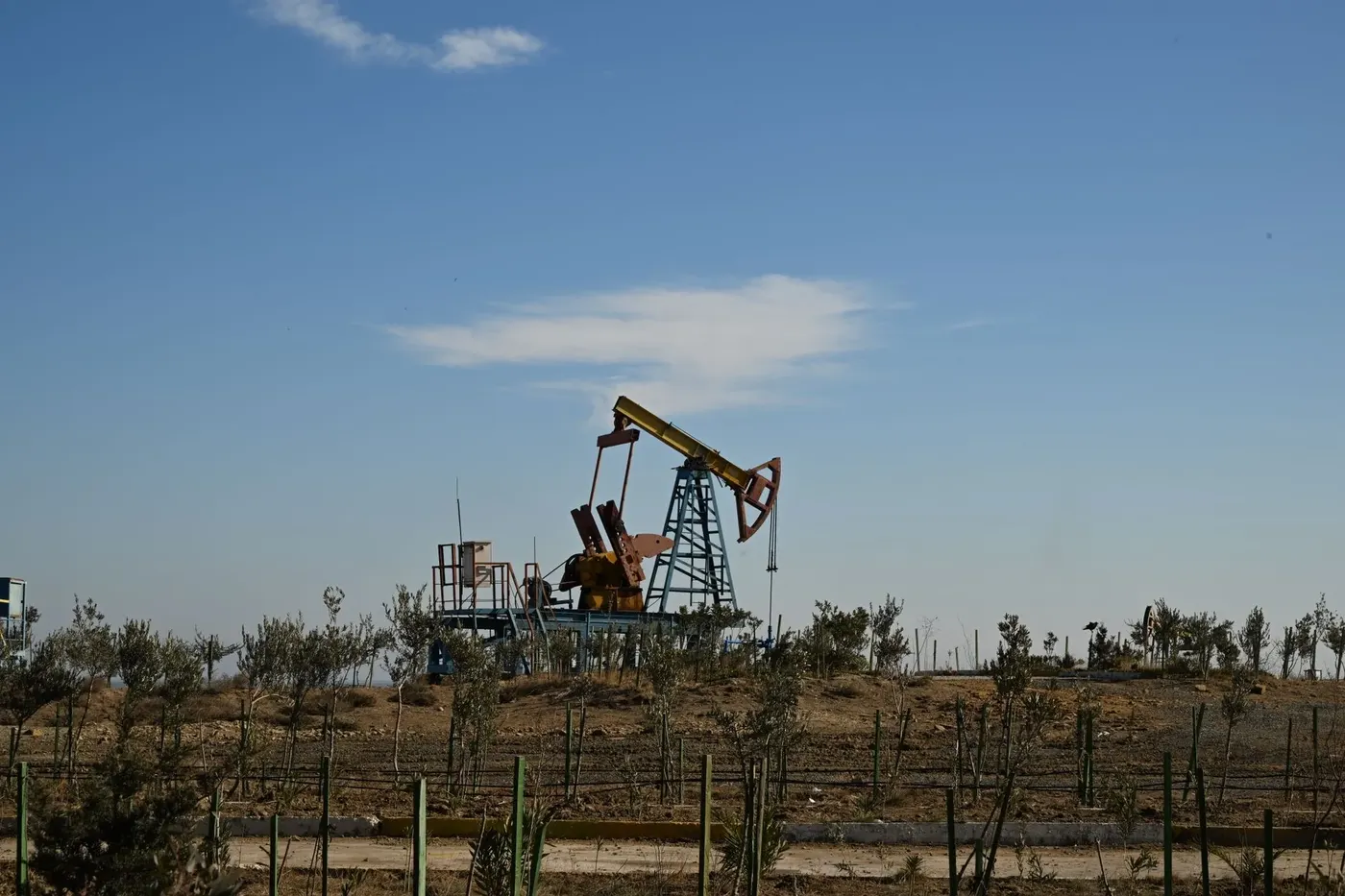
El petróleo crudo de Naftalán se extrae de pozos poco profundos dentro y alrededor de la ciudad. Este crudo no puede refinarse comercialmente debido a su alto contenido de naftenos y su baja fracción de parafina, lo que convierte a la tradición de los baños medicinales en su único uso económicamente viable. El petróleo utilizado en cada baño de un paciente no se reutiliza —un compromiso de recursos considerable—, y la gobernanza de la industria petrolera de Azerbaiyán supervisa la extracción para evitar la sobreproducción de este crudo no comercial.
Sustainability
Naftalan crude oil is extracted from shallow wells within and around the city. The oil cannot be commercially refined due to its high naphthene content and low paraffin fraction, making the medical bath tradition its only economically viable use. The oil used in each patient bath is not reused — a significant resource commitment — and Azerbaijan's petroleum industry governance monitors extraction to prevent overproduction of the non-commercial crude.
持続可能性
ナフタランの原油は、市内および周辺の浅い井戸から採掘されている。この原油はナフテン分が高くパラフィン分が低いため商業的な精製には向かず、経済的に成り立つ用途は医療入浴の伝統のみである。患者一人ひとりの入浴に使われた油は再利用されない——これはかなりの資源を要する取り組みである——ため、アゼルバイジャンの石油産業当局は、この非商業用原油の過剰生産を防ぐため採掘量を監視している。
Otros manantiales en Azerbaijan
Other springs in Azerbaijan