Manantiales / Poços de Caldas Thermal SpringsSprings / Poços de Caldas Thermal Springs温泉・鉱泉 / Poços de Caldas Thermal Springs
RadioactiveBicarbonatedSulphurous
✓ Verificado el 2026-07-22
✓ Verified on 2026-07-22
✓ 確認日 2026-07-22
Poços de Caldas es la única ciudad 'de aguas' de Brasil con infraestructura termal completa de escala europea: grandes hoteles, parques termales públicos, fuentes para la cura de agua bebida y monumentos de la Belle Époque, todo ello dentro de una antigua caldera volcánica a 1.186 metros de altitud en Minas Gerais. El Emperador Dom Pedro II ordenó el desarrollo del resort en 1872, reconociendo el valor medicinal de sus manantiales bicarbonatados y levemente radioactivos. El físico Enrico Fermi visitó Poços de Caldas en 1950 para estudiar el efecto de las bajas dosis de radón natural sobre el sistema antioxidante, iniciando una línea de investigación científica que continúa hoy en la Universidad Federal de São Carlos.
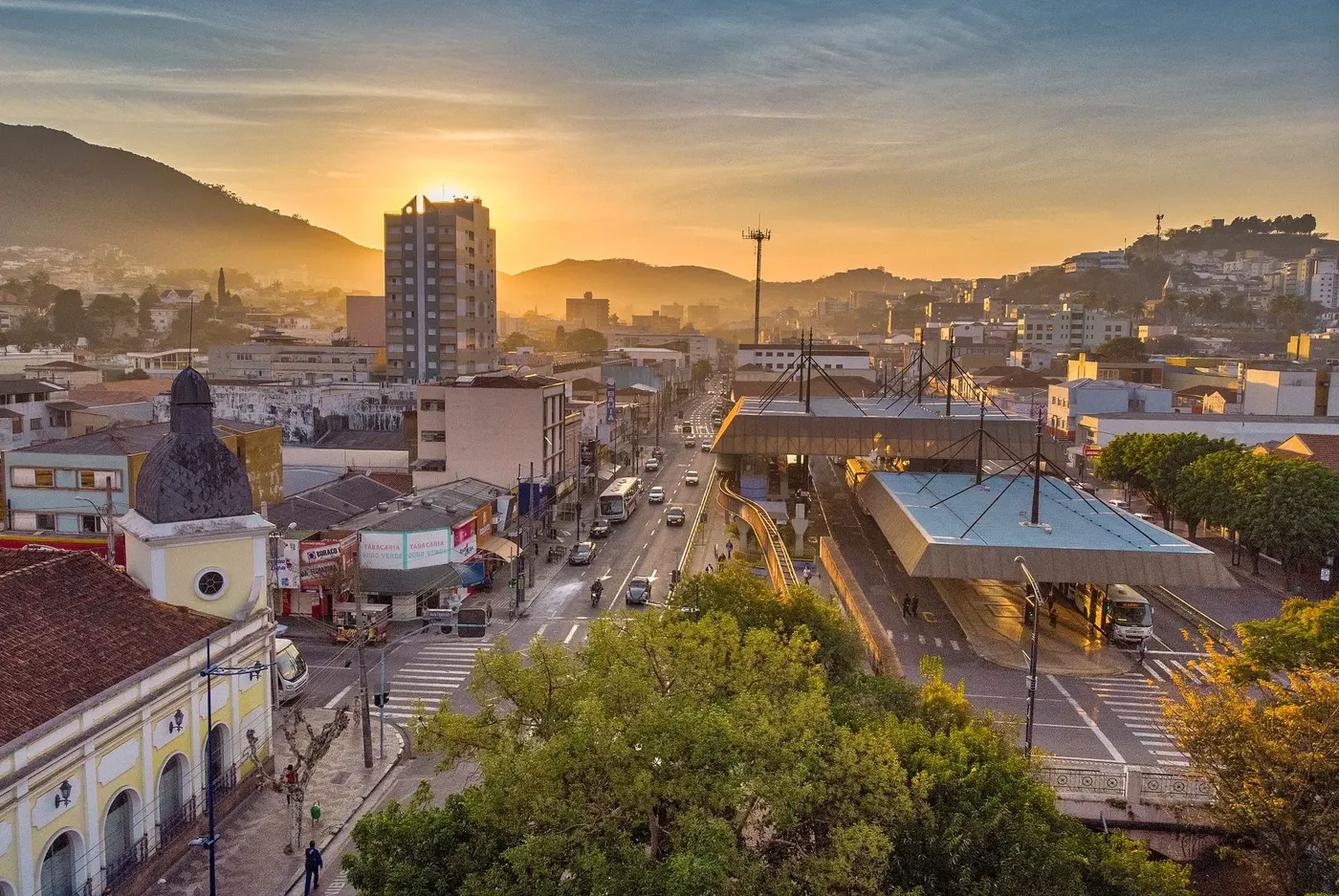
Poços de Caldas is Brazil's most important thermal city, built entirely within an ancient volcanic caldera in the highlands of Minas Gerais. The city of 160,000 people grew entirely around its thermal springs, which were formally developed in 1872 by the Brazilian Imperial government. The radioactive bicarbonate springs, naturally charged with radon at low therapeutic doses, are unique in South America for their geological origin in alkaline intrusive rocks — a type of volcanic formation that produces exceptionally pure, lightly mineralised water with distinctive radium content. The city's thermal infrastructure — the grande hotel, the Fonte do Mergulhão drinking fountain, the Cristo Redentor cable car — forms a complete early 20th-century spa resort ensemble unique in South America.
Poços de Caldas Thermal Springsはブラジル・Minas Geraisに位置する放射能泉・重炭酸泉。源泉温度は47℃、標高1186mの地に湧出する。泉水はアルカリ性(pH約8.7)の泉質、炭酸水素塩泉・ナトリウム泉を豊富に含む、総溶解固形物560 mg/Lが特徴だ。1872年創業。リウマチ療法・皮膚科治療・循環器療法など多様な温浴療法が行われる。施設では入浴・飲泉療法・泥療法などが体験できる。
Minerales
Minerals
ミネラル
| Bicarbonate | 290 mg/L |
| Radon | 0.0015 mg/L |
| Sodium | 105 mg/L |
| Fluoride | 2.9 mg/L |
| Silica | 42 mg/L |
Tratamientos
Treatments
トリートメント
RheumatologyDermatologyCardiovascularDigestiveRelaxation
Técnicas
Techniques
技法
BathingDrinking CureMud TherapyInhalation
Patrimonio
Poços de Caldas se estableció formalmente como ciudad balnearia en 1872 por decreto del emperador brasileño Don Pedro II, quien reconoció el valor medicinal del manantial y ordenó el desarrollo de infraestructura. La época dorada del balneario llegó entre las décadas de 1920 y 1940, cuando se construyeron el gran hotel y los parques termales públicos en estilo Beaux-Arts, convirtiéndose en la capital veraniega de la élite paulista. El físico Enrico Fermi realizó investigaciones sobre el agua radiactiva del manantial de la ciudad en 1950, contribuyendo al interés científico internacional por la terapia con radón en dosis bajas.
Heritage
Poços de Caldas was formally established as a resort town in 1872 under decree by Brazilian Emperor Dom Pedro II, who recognised the spring's medical value and ordered infrastructure development. The resort's golden age came in the 1920s–1940s when the grande hotel and public thermal parks were built in the Beaux-Arts style, becoming the summer capital of São Paulo's elite. The physicist Enrico Fermi conducted research on the city's radioactive spring water in 1950, contributing to international scientific interest in low-dose radon therapy.
文化財
ポソス・デ・カルダスは1872年、ブラジル皇帝ドン・ペドロ2世の勅令によって正式に保養都市として設立された。皇帝は温泉の医療的価値を認め、インフラ整備を命じたのである。この保養地の黄金期は1920年代から1940年代にかけて訪れ、グランドホテルと公共の温泉公園がボザール様式で建設され、サンパウロ上流階級の夏の首都となった。物理学者エンリコ・フェルミは1950年、この街の放射性温泉水について研究を行い、低線量ラドン療法に対する国際的な科学的関心の高まりに貢献した。
Cultura
Poços de Caldas ocupa un papel único en la memoria cultural brasileña como la 'cidade de águas' (ciudad de aguas) más completa del país —un modelo heredado del urbanismo balneario europeo pero adaptado al modernismo brasileño. La tradición de la 'temporada' —la temporada terapéutica pasada en Poços de Caldas bebiendo agua mineral en la fuente pública— fue un elemento fijo de la vida de la clase media brasileña del siglo XX y todavía se practica hoy en día. La infraestructura urbana termal excepcionalmente completa de la ciudad la convierte en un museo viviente de la cultura balnearia modernista brasileña.
Culture
Poços de Caldas has a unique role in Brazilian cultural memory as the country's most complete 'cidade de águas' (water city) — a model inherited from European spa urbanism but adapted to Brazilian modernism. The tradition of the 'temporada' — the therapeutic season spent at Poços de Caldas drinking mineral water at the public fountain — was a fixture of 20th-century middle-class Brazilian life and is still practiced today. The city's unusually complete thermal urban infrastructure makes it a living museum of Brazilian modernist spa culture.
文化
ポソス・デ・カルダスはブラジルの文化的記憶の中で独自の役割を担っており、国内で最も完成された「水の都(シダーデ・デ・アグアス)」として知られている。これはヨーロッパの温泉都市計画を受け継ぎながらブラジルのモダニズムに適応させたモデルである。「テンポラーダ(temporada)」、すなわちポソス・デ・カルダスに滞在し公共の噴水で鉱泉水を飲む療養シーズンを過ごす伝統は、20世紀のブラジル中産階級の生活の定番であり、今も続いている。この街の類例のない完成度を誇る温泉都市インフラは、ブラジルのモダニズム温泉文化を伝える生きた博物館となっている。
Sostenibilidad
La caldera de Poços de Caldas es una formación geológica única que limita de forma natural la expansión urbana, protegiendo las áreas de recarga del manantial. El plan maestro de la ciudad designa zonas de protección de los manantiales dentro de las cuales no se permite ninguna actividad industrial. La Empresa Municipal de Água (EMSAMPA) realiza análisis mensuales de las 14 fuentes termales municipales, monitoreando los niveles de radiactividad, la composición mineral y los caudales. La Universidad Federal de São Carlos mantiene aquí una estación de investigación permanente que estudia las implicaciones para la salud de la exposición a dosis bajas de radón.
Sustainability
The Poços de Caldas caldera is a unique geological formation that naturally limits urban expansion, protecting spring recharge areas. The city's master plan designates spring protection zones within which no industrial activity is permitted. The Empresa Municipal de Água (EMSAMPA) conducts monthly analysis of all 14 municipal spring sources, monitoring radioactivity levels, mineral composition, and flow rates. The São Carlos Federal University maintains a permanent research station here studying the health implications of low-dose radon exposure.
持続可能性
ポソス・デ・カルダスのカルデラは独特の地質構造を持ち、都市の拡大を自然に制限することで源泉の涵養域を保護している。市のマスタープランでは温泉保護区域が指定されており、その区域内では一切の工業活動が禁止されている。市営水道公社(EMSAMPA)は市内14か所すべての温泉源について毎月分析を行い、放射能レベル、鉱物成分、湧出量を監視している。サンカルロス連邦大学はここに恒久的な研究拠点を置き、低線量ラドン曝露が健康に及ぼす影響を研究している。
Otros manantiales en Brazil