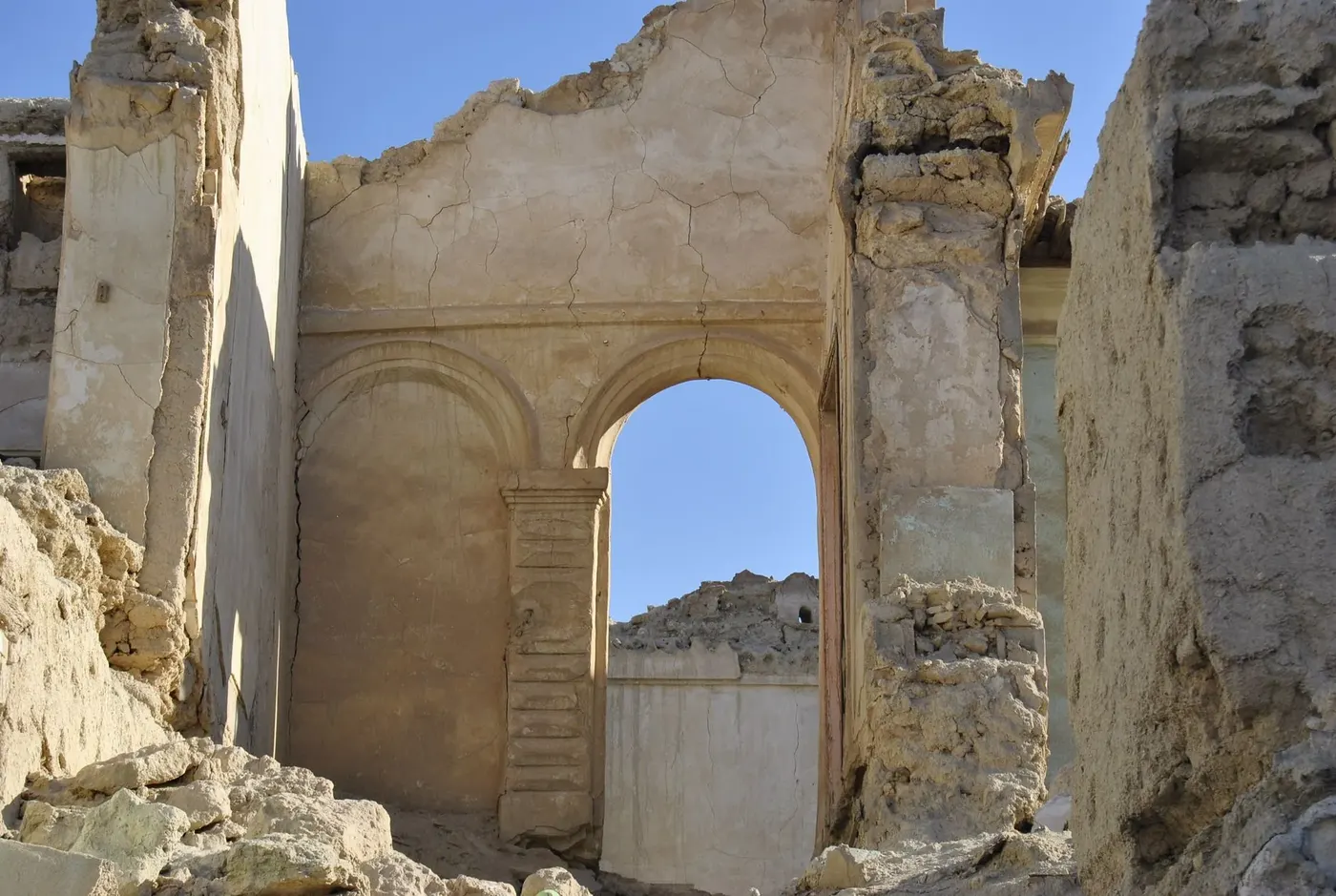
Al-Ahsa Oasis Springs

🇸🇦 Saudi Arabia · Eastern Province

Al-Ahsa Oasis Springs

Manantiales / Al-Ahsa Oasis SpringsSprings / Al-Ahsa Oasis Springs温泉・鉱泉 / Al-Ahsa Oasis Springs

♨ Temperatura

32°C

⛰ Altitud

120 m

⚗ pH

7.4

💧 TDS

680 mg/L

🌊 Caudal

150 L/s (collective)

📅 Establecido

Over 6,000 years of continuous habitation

♨ Temperature

32°C

⛰ Altitude

120 m

⚗ pH

7.4

💧 TDS

680 mg/L

🌊 Flow rate

150 L/s (collective)

📅 Established

Over 6,000 years of continuous habitation

♨ 温度

32°C

⛰ 標高

120 m

⚗ pH

7.4

💧 TDS

680 mg/L

🌊 流量

150 L/s (collective)

📅 開設

Over 6,000 years of continuous habitation

Artesian SpringsUNESCO🏛 Patrimonio de la UNESCO🏛 UNESCO World Heritage🏛 世界遺産

✓ Verificado el 2026-07-22

✓ Verified on 2026-07-22

✓ 確認日 2026-07-22

Al-Ahsa es un vasto oasis en la Provincia Oriental de Arabia Saudí alimentado por una red de manantiales artesianos que emergen del profundo acuífero Umm er Radhuma. El oasis abarca aproximadamente 2,5 millones de palmeras datileras, aldeas tradicionales y una red de canales de riego históricos (falaj). Los manantiales termales — incluyendo el histórico Ain Al-Hammam (Manantial del Baño) — han sido utilizados para el riego y el baño desde al menos el 3500 a.C. Declarado Patrimonio de la Humanidad por la UNESCO en 2018, el Oasis de Al-Ahsa es reconocido como un paisaje cultural excepcional.

Al-Ahsa, also written Al-Hasa, is a vast oasis in the Eastern Province of Saudi Arabia fed by a network of artesian springs that rise from the deep Umm er Radhuma aquifer — one of the world's largest fossil water systems. The oasis encompasses approximately 2.5 million date palms, traditional villages, historic fortresses, and a web of ancient irrigation channels (falaj) that distribute spring water across the landscape. The thermal springs — including Ain Umm Saba'ah and the historic Ain Al-Hammam (Spring of the Bath) — have been used for both irrigation and bathing since at least 3500 BC. Designated a UNESCO World Heritage Site in 2018, the Al-Ahsa Oasis is recognised as an outstanding cultural landscape that demonstrates six millennia of adaptive human settlement in an arid environment. The waters are warm (approximately 28–35°C) and mildly mineralised, historically associated in Arabian tradition with fertility and purification.

Al-Ahsa Oasis Springsはサウジアラビア・Eastern Provinceに位置する鉱泉。源泉温度は32℃の豊かな温泉水が湧き出る。泉水は中性に近い(pH約7.4)の泉質、炭酸水素塩泉・ナトリウム泉を豊富に含む、総溶解固形物680 mg/Lが特徴だ。古代より知られる。水分補給・文化的ウェルネス・リラクゼーションなど多様な温浴療法が行われる。施設では伝統的な入浴・ファラジ灌漑水路散策・ナツメヤシ園体験などが体験できる。

Minerales

Minerals

ミネラル

Sodium145 mg/L
Chloride120 mg/L
Bicarbonate220 mg/L
Calcium42 mg/L
Magnesium18 mg/L

Tratamientos

Treatments

トリートメント

HydrationCultural WellnessRelaxation

Técnicas

Techniques

技法

Traditional bathingFalaj irrigation walkingDate palm garden immersion

Patrimonio

El oasis de Al-Ahsa fue declarado Patrimonio de la Humanidad por la UNESCO en 2018 por su extraordinario paisaje cultural, que representa 6,000 años de habitación humana continua en un entorno árido. El sitio incluye la mezquita de Jawatha —una de las más antiguas del Islam—, así como asentamientos neolíticos, túmulos funerarios de la Edad del Bronce, ruinas del período Dilmun y fortificaciones de la era otomana. El sistema de distribución de agua falaj, reconocido como patrimonio cultural inmaterial por la UNESCO, representa una de las tradiciones de ingeniería hidráulica premoderna más sofisticadas del mundo.

Heritage

Al-Ahsa Oasis was inscribed as a UNESCO World Heritage Site in 2018 for its outstanding cultural landscape representing 6,000 years of continuous human habitation in an arid environment. The site includes Jawatha Mosque — one of the oldest mosques in Islam — along with Neolithic settlements, Bronze Age burial mounds, Dilmun-period ruins, and Ottoman-era fortifications. The falaj water distribution system, a UNESCO intangible cultural heritage, represents one of the most sophisticated pre-modern hydraulic engineering traditions in the world.

文化財

アル・アフサ・オアシスは、乾燥地における6,000年にわたる継続的な人類の居住を示す卓越した文化的景観として、2018年にユネスコ世界遺産に登録された。この地には、イスラム教で最古のモスクの一つであるジャワサ・モスクをはじめ、新石器時代の集落跡、青銅器時代の墳丘墓、ディルムン期の遺跡、オスマン時代の要塞群が含まれる。ユネスコ無形文化遺産にも登録されている「ファラジ」と呼ばれる水配分システムは、近代以前の水利工学の伝統として世界でも最も洗練されたものの一つである。

Cultura

En la tradición arábiga, un manantial —'ayn' en árabe— no es simplemente una fuente de agua, sino una presencia viva, un don de la tierra que determina dónde surgen las civilizaciones. Los manantiales de Al-Ahsa hicieron posibles algunos de los primeros asentamientos urbanos de Arabia y su industria de la palmera datilera, que sigue siendo central para la identidad regional. El manantial de Ain Al-Hammam sirvió históricamente como sitio de baño comunitario, una función arraigada en la tradición islámica de la purificación ritual (ghusl) y en el valor beduino más amplio de la hospitalidad en torno al agua.

Culture

In Arabian tradition, a spring — 'ayn' in Arabic — is not merely a water source but a living presence, a gift of the earth that determines where civilisations rise. Al-Ahsa's springs made possible some of Arabia's earliest urban settlements and its date palm industry, which remains central to regional identity. The Ain Al-Hammam spring historically served as a community bathing site, a function embedded in the Islamic tradition of ritual purification (ghusl) and the broader Bedouin value of hospitality around water.

文化

アラビアの伝統において、泉——アラビア語で「アイン」——は単なる水源ではなく、生きた存在であり、文明がどこに興るかを決定づける大地からの贈り物である。アル・アフサの泉群は、アラビア半島最古の都市集落の一部と、今も地域のアイデンティティの中心をなすナツメヤシ産業を可能にした。アイン・アル・ハンマーム泉は歴史的に地域共同体の入浴の場として機能してきており、これはイスラムの儀礼的清め(グスル)の伝統や、水をめぐるベドウィンのより広範なもてなしの価値観に根ざした役割である。

Sostenibilidad

El acuífero Umm er Radhuma, que alimenta los manantiales de Al-Ahsa, es un acuífero fósil —un depósito de agua antiguo que no se recarga de forma significativa—, lo que hace crucial su gestión sostenible. Las autoridades patrimoniales saudíes y el Ministerio de Agua están implementando programas de monitoreo de aguas subterráneas y reducción de la demanda. La designación de la UNESCO ha elevado la conciencia sobre la conservación y el financiamiento destinado a preservar tanto los manantiales como la red tradicional de riego falaj.

Sustainability

The Umm er Radhuma aquifer that feeds Al-Ahsa's springs is a fossil aquifer — an ancient water deposit not actively recharged at scale — making sustainable management critical. Saudi Arabian heritage authorities and the Ministry of Water are implementing groundwater monitoring and demand reduction programmes. The UNESCO designation has elevated conservation awareness and funding for preserving both the springs and the traditional falaj irrigation network.

持続可能性

アル・アフサの泉群に水を供給するウンム・エル・ラドゥーマ帯水層は化石帯水層——大規模には涵養されない古代の水資源——であり、持続可能な管理が極めて重要となっている。サウジアラビアの文化財当局と水資源省は、地下水のモニタリングと需要削減プログラムを実施している。ユネスコ登録により、泉と伝統的なファラジ灌漑網の両方の保全に対する意識と資金が高まっている。

Contacto

Sitio webwhc.unesco.org/en/list/1563

DirecciónAl-Ahsa, Eastern Province, Saudi Arabia

Contact

Websitewhc.unesco.org/en/list/1563

AddressAl-Ahsa, Eastern Province, Saudi Arabia

連絡先

ウェブサイトwhc.unesco.org/en/list/1563

住所Al-Ahsa, Eastern Province, Saudi Arabia

← Volver al directorio completo Ver en el mapa interactivo← Back to the full directory View on the interactive map← ディレクトリ全体に戻る インタラクティブマップで見る