Manantiales / Coamo Thermal SpringsSprings / Coamo Thermal Springs温泉・鉱泉 / Coamo Thermal Springs
📅 Establecido
Used by Taíno people pre-1500 CE; Parador Baños de Coamo built 1847
📅 Established
Used by Taíno people pre-1500 CE; Parador Baños de Coamo built 1847
📅 開設
Used by Taíno people pre-1500 CE; Parador Baños de Coamo built 1847
ThermalHistoricalNatural
✓ Verificado el 2026-07-22
✓ Verified on 2026-07-22
✓ 確認日 2026-07-22
Los manantiales termales de Coamo, en la llanura costera sur-central de Puerto Rico, son uno de los manantiales calientes de uso continuo más antiguo de las Américas. El pueblo taíno de Puerto Rico — que llamaba a la isla Boriquén — usaba las aguas cálidas de lo que llamaban Coapo para el baño ritual y la curación mucho antes de la llegada europea en 1493. El Parador Baños de Coamo, establecido en su forma actual en 1847, es el balneario termal en funcionamiento más antiguo del Caribe. Los manantiales emergen a unos 40–42 °C de una fractura geotérmica en la roca calcárea y el basamento volcánico subyacente. Los manantiales de Coamo están asociados en la cultura popular puertorriqueña con la Fuente de la Juventud.
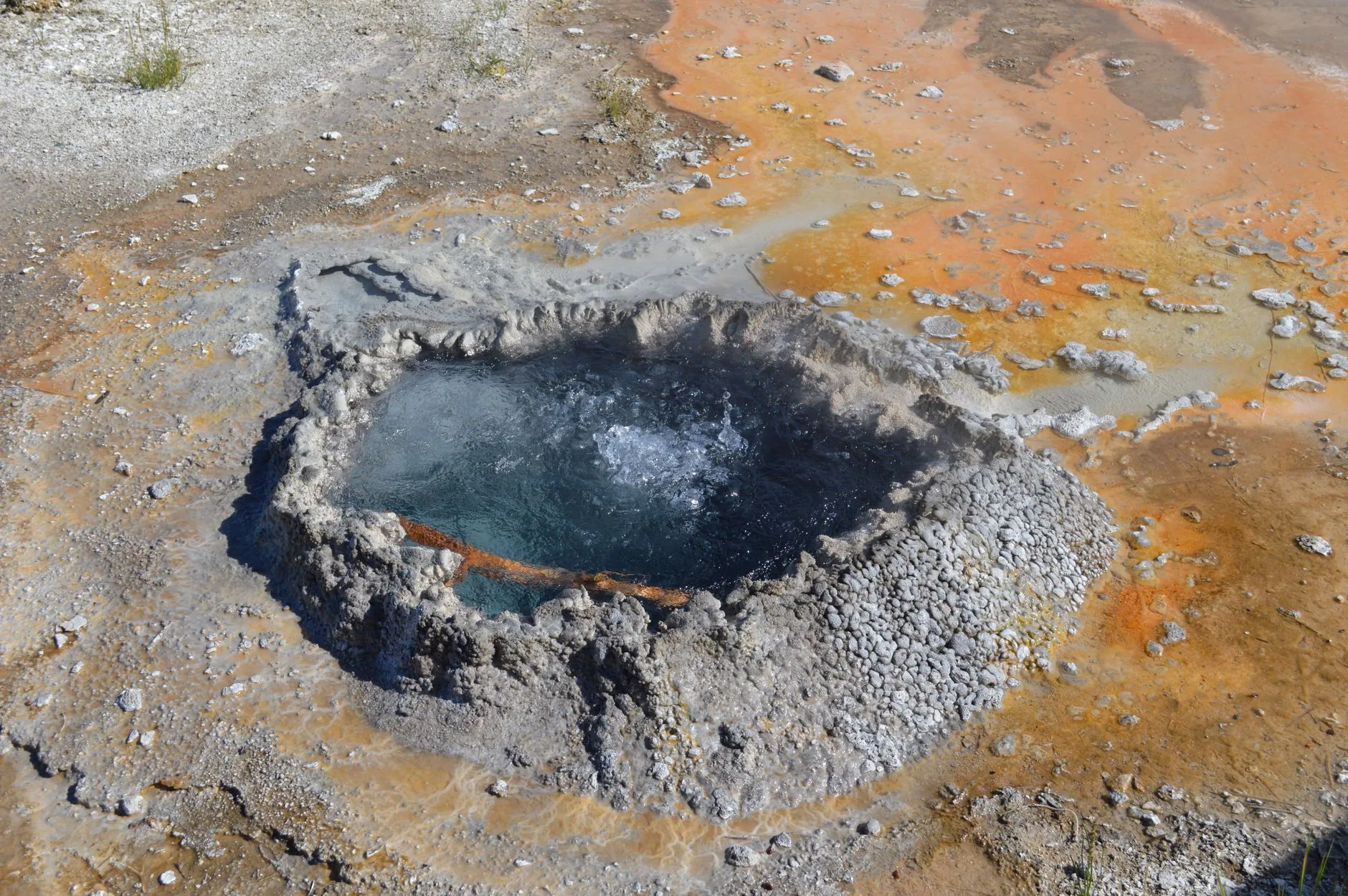
The Coamo thermal springs on Puerto Rico's south-central coastal plain are among the oldest continuously used hot springs in the Americas. The Taíno indigenous people of Puerto Rico — who called the island Boriquén — used the warm springs at what they called Coapo for ritual bathing and healing long before European arrival in 1493. Spanish colonists settled the area in 1570, and the springs became a draw for colonial society. By the 19th century, the Coamo Springs Hotel (now operating as the Parador Baños de Coamo, established in its current form in 1847) became the oldest continuously operating thermal resort in the Caribbean. The springs emerge at approximately 40–42°C from a geothermal fracture in the underlying limestone and volcanic basement, fed by deep circulation of meteoric water heated by crustal heat from Puerto Rico's still-active geology (the island sits on the Caribbean Plate with significant seismic activity). The water is mildly mineralised with sodium bicarbonate and chloride. Coamo's springs are associated in Puerto Rican popular culture with the Fountain of Youth — the spring Ponce de León reportedly sought in Florida was, according to some historical interpretations, actually located here in Coamo.
Coamo Thermal Springsはアメリカ・Puerto Ricoに位置する温熱泉。源泉温度は42℃の豊かな温泉水が湧き出る。泉水は中性に近い(pH約7.4)の泉質、重炭酸ナトリウム泉・塩化ナトリウム泉を豊富に含む、総溶解固形物680 mg/Lが特徴だ。1500年創業。リラクゼーション・リウマチ療法・皮膚など多様な温浴療法が行われる。施設では入浴・プール浸浴・歴史的ホテル体験などが体験できる。
Minerales
Minerals
ミネラル
| Sodium Bicarbonate | 245 mg/L |
| Sodium Chloride | 168 mg/L |
| Calcium | 55 mg/L |
| Magnesium | 28 mg/L |
| Sulphate | 42 mg/L |
Tratamientos
Treatments
トリートメント
RelaxationRheumatologySkinCultural Wellness
Técnicas
Techniques
技法
BathingPool soakingHistoric hotel experience
Patrimonio
Coamo es uno de los municipios más antiguos de Puerto Rico, fundado en 1579, y los manantiales termales han sido centrales para su identidad desde mucho antes de la colonización española. El Parador Baños de Coamo, en funcionamiento desde 1847, es un ejemplo poco común que sobrevive de la arquitectura de balneario termal caribeña del siglo XIX y figura en el Registro de Lugares Históricos de Puerto Rico. Los manantiales están vinculados culturalmente a la leyenda de la Fuente de la Juventud: algunos historiadores sostienen que la búsqueda de Ponce de León en 1513 de un legendario manantial rejuvenecedor apuntaba hacia Coamo, al que los taínos consideraban un lugar de aguas sanadoras.
Heritage
Coamo is one of Puerto Rico's oldest municipalities, founded in 1579, and the thermal springs have been central to its identity since long before Spanish colonisation. The Parador Baños de Coamo, operating since 1847, is a rare surviving example of 19th-century Caribbean thermal resort architecture and is listed on the Puerto Rico Register of Historic Places. The springs are culturally linked to the legend of the Fountain of Youth: some historians argue that Ponce de León's 1513 search for a legendary rejuvenating spring was directed toward Coamo, which the Taíno called a place of healing waters.
文化財
コアモはプエルトリコ最古の自治体のひとつで、1579年に創設された。温泉はスペインによる植民地化のはるか以前から、この地の アイデンティティの中心であり続けてきた。1847年から営業を続けるパラドール・バーニョス・デ・コアモは、19世紀カリブ海の温泉リゾート建築が現存する稀少な例であり、プエルトリコ歴史的建造物登録に指定されている。この温泉は「若返りの泉」伝説とも文化的に結び付けられている。一部の歴史家は、1513年にポンセ・デ・レオンが探し求めた伝説の若返りの泉が、タイノ族が癒しの水の地とみなしていたコアモを指していたと主張している。
Cultura
El relato de la Fuente de la Juventud vinculado a Coamo confiere a los manantiales una dimensión mitológica poco habitual para un sitio termal caribeño. Sea o no que Ponce de León buscara estas aguas en particular, la asociación ha moldeado la manera en que puertorriqueños y visitantes entienden los manantiales: como algo más antiguo que la historia colonial, arraigado en el conocimiento indígena y en la realidad geológica específica de la placa del Caribe. El hotel parador conserva su arquitectura y carácter de la época colonial, ofreciendo una experiencia de atmósfera histórica puertorriqueña junto a las aguas termales.
Culture
The Fountain of Youth narrative attached to Coamo gives the springs a mythological dimension unusual for a Caribbean thermal site. Whether or not Ponce de León sought these specific waters, the association has shaped how Puerto Ricans and visitors understand the springs — as something older than colonial history, rooted in indigenous knowledge and the specific geological reality of the Caribbean plate. The parador hotel retains its colonial-era architecture and character, providing an experience of Puerto Rican historical atmosphere alongside the thermal waters.
文化
コアモに結び付けられた若返りの泉の物語は、カリブ海の温泉地としては珍しい神話的な側面をこの温泉に与えている。ポンセ・デ・レオンが実際にこの水を探し求めたかどうかにかかわらず、この連想は、プエルトリコ人と訪問者がこの温泉をどう理解するかを形づくってきた——植民地史よりも古く、先住民の知恵とカリブプレート特有の地質学的現実に根ざしたものとして。パラドール・ホテルは植民地時代の建築様式と趣を保っており、温泉とともにプエルトリコの歴史的な雰囲気を体験させてくれる。
Sostenibilidad
Los manantiales de Coamo fluyen desde un sistema de fracturas geotérmicas en el basamento calcáreo y volcánico de Puerto Rico, alimentado por la circulación profunda de agua de lluvia calentada a profundidad cortical. La actividad sísmica de la isla —Puerto Rico se asienta sobre uno de los sistemas de fallas más activos del Caribe— hace que el caudal térmico del manantial esté sujeto a variaciones naturales. El Parador Baños de Coamo se gestiona conforme a las directrices de la Compañía de Turismo de Puerto Rico, y los manantiales se monitorean como parte de los recursos hidrológicos más amplios de la isla.
Sustainability
The Coamo springs flow from a geothermal fracture system in Puerto Rico's limestone and volcanic basement, fed by deep circulation of rainwater heated at crustal depth. The island's seismic activity — Puerto Rico sits on one of the Caribbean's most active fault systems — means the spring's thermal output is subject to natural variation. The Parador Baños de Coamo is managed under Puerto Rico Tourism Company guidelines and the springs are monitored as part of the island's broader hydrological resources.
持続可能性
コアモの温泉は、プエルトリコの石灰岩・火山性基盤にある地熱性の断裂系から湧出しており、地殻深部で温められた雨水の深部循環によって供給されている。島の地震活動——プエルトリコはカリブ海で最も活発な断層系のひとつに位置する——により、温泉の熱出力は自然な変動を受ける。パラドール・バーニョス・デ・コアモはプエルトリコ観光公社のガイドラインの下で管理されており、温泉は島のより広範な水文資源の一部として監視されている。