Manantiales / Germisara Resort & SpaSprings / Germisara Resort & Spa温泉・鉱泉 / Germisara Resort & Spa
📅 Establecido
Roman-era baths (Thermae Germisara, from the 2nd century AD); modern 4-star hotel spa
📅 Established
Roman-era baths (Thermae Germisara, from the 2nd century AD); modern 4-star hotel spa
📅 開設
Roman-era baths (Thermae Germisara, from the 2nd century AD); modern 4-star hotel spa
BicarbonatedMagnesium-richSulphurous
✓ Verificado el 2026-07-31
✓ Verified on 2026-07-31
✓ 確認日 2026-07-31
Germisara Resort & Spa se encuentra en Geoagiu-Băi, una depresión termal en la confluencia de los ríos Geoagiu y Mureș, a unos 350 metros de altitud, en el condado de Hunedoara. El nombre del lugar deriva de las palabras dacias para calor ('germi') y cascada ('sara'), y los romanos construyeron aquí el fuerte y los baños de Thermae Germisara en el siglo II d.C., un asentamiento registrado en la Tabula Peutingeriana, la Geographike Hyphegesis de Ptolomeo y la Cosmografía de Rávena. En 1935, al construirse la piscina termal moderna, se excavaron en el lugar estatuas de las deidades curativas Asclepio e Higía. El agua, mesotermal a termal, alcalina y ligeramente sulfurosa, con bicarbonato y magnesio, brota a unos 29-32°C y hoy abastece el programa de balneoterapia de cuatro estrellas del hotel para tratamientos reumáticos, ginecológicos, dermatológicos y del sistema nervioso.
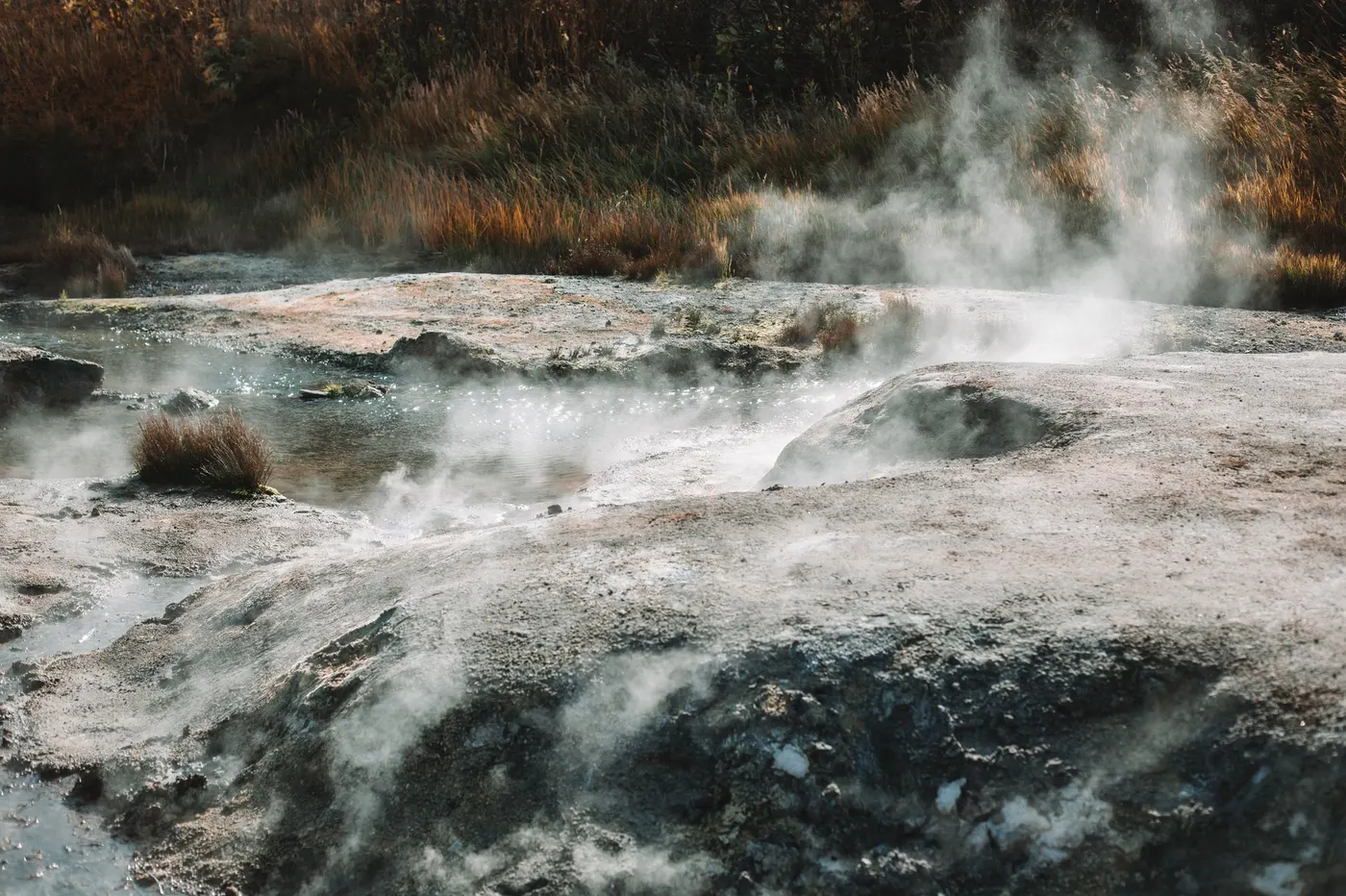
Germisara Resort & Spa sits in Geoagiu-Băi, a spa depression at the confluence of the Geoagiu and Mureș rivers at about 350 meters altitude in Hunedoara County. The site's name derives from the Dacian words for heat ('germi') and waterfall ('sara'), and the Romans built the fort and baths of Thermae Germisara here in the 2nd century AD — a settlement recorded in the Tabula Peutingeriana, Ptolemy's Geographike Hyphegesis and the Ravenna Cosmography. Statues of the healing deities Asclepius and Hygieia were excavated on site in 1935 when the modern thermal pool basin was built. The mesothermal-to-thermal water, alkaline and mildly sulphurous with bicarbonate and magnesium, emerges at around 29-32°C and today supplies the hotel's four-star balneotherapy program for rheumatic, gynecological, dermatological and nervous-system treatments.
ゲルミサラ・リゾート&スパは、フネドアラ県、標高約350メートルの地点でゲオアジュ川とムレシュ川が合流する温泉盆地ゲオアジュ・バイに位置する。この地名はダキア語の「熱」を意味する「ゲルミ」と「滝」を意味する「サラ」に由来し、ローマ人は西暦2世紀にここにゲルミサラ温泉の要塞と浴場を築いた。この集落はポイティンガー地図、プトレマイオスの『地理学』、ラヴェンナ地誌にも記録されている。1935年に現代の温泉プールが建設された際、癒しの神アスクレピオスとヒギエイアの像がこの地で発掘された。中温性から温泉性のアルカリ性・微硫黄性で、重炭酸とマグネシウムを含むこの水は約29〜32℃で湧出し、現在はホテルの4つ星温泉療法プログラムにおいてリウマチ、婦人科、皮膚科、神経系の治療に用いられている。
Técnicas
Techniques
技法
Bathing
Patrimonio
El fuerte y los baños romanos de Thermae Germisara datan del siglo II d.C.; el asentamiento aparece en la Tabula Peutingeriana, en la Geographike Hyphegesis de Ptolomeo y en la Cosmografía de Rávena. En 1935, durante la construcción de la piscina termal moderna, se excavaron en el lugar estatuas de Esculapio e Higía, deidades clásicas de la curación.
Heritage
The Roman fort and baths of Thermae Germisara date to the 2nd century AD; the settlement appears in the Tabula Peutingeriana, Ptolemy's Geographike Hyphegesis and the Ravenna Cosmography. Statues of Asclepius and Hygieia, the classical deities of healing, were excavated on site in 1935 during construction of the modern thermal pool basin.
文化財
ゲルミサラ温泉のローマ時代の要塞と浴場は西暦2世紀に遡る。この集落はポイティンガー地図、プトレマイオスの『地理学』、ラヴェンナ地誌に記録されている。1935年、近代的な温泉プールの建設中に、古典的な癒しの神であるアスクレピオスとヒギエイアの像がこの地で発掘された。
Otros manantiales en Romania