Manantiales / Homestead CraterSprings / Homestead Crater温泉・鉱泉 / Homestead Crater
📅 Establecido
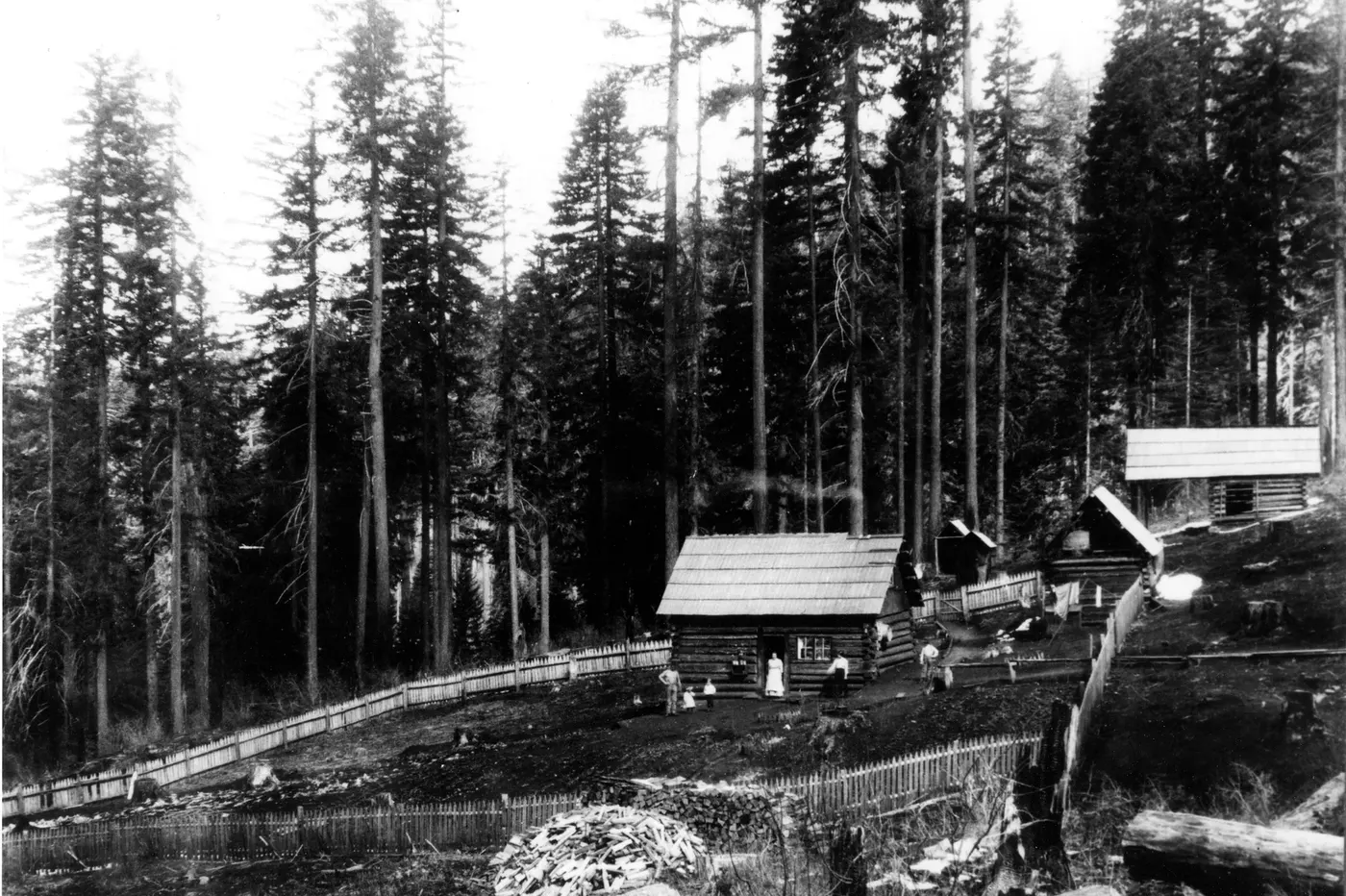
Geothermal crater formed over 10,000+ years; noticed by 19th-century settlers; became the valley's first resort
📅 Established
Geothermal crater formed over 10,000+ years; noticed by 19th-century settlers; became the valley's first resort
📅 開設
Geothermal crater formed over 10,000+ years; noticed by 19th-century settlers; became the valley's first resort
Bicarbonated
✓ Verificado el 2026-07-31
✓ Verified on 2026-07-31
✓ 確認日 2026-07-31
El Homestead Crater, pieza central del Homestead Resort en Midway, Utah, es una cúpula de piedra caliza en forma de colmena, de unos 17 metros (55 pies) de altura y casi 122 metros (400 pies) de circunferencia, formada a lo largo de miles de años por agua cargada de minerales que ascendía desde el subsuelo y depositaba caliza en la superficie. En su interior, una piscina geotérmica alcanza unos 20 metros (65 pies) de profundidad y se mantiene cálida de forma natural todo el año, comúnmente citada en un rango de 90-96°F (32-36°C), con un característico color turquesa debido a minerales disueltos como calcio, magnesio y bicarbonato, con trazas de sodio y potasio. Detectado por primera vez por colonos del siglo XIX, el cráter se convirtió en la primera atracción turística del valle y hoy se usa para bañarse, hacer esnórquel y para cursos de certificación de buceo. Ganó notoriedad adicional como escenario de la película de 2010 '127 horas'.
Homestead Crater, the centerpiece of the Homestead Resort in Midway, Utah, is a beehive-shaped limestone dome about 55 feet tall and nearly 400 feet across, formed over thousands of years as mineral-laden water rose from below and deposited limestone at the surface. Inside, a geothermal pool reaches about 65 feet deep and stays naturally warm year-round, commonly cited in the 90-96°F (32-36°C) range, with a distinctive turquoise color from dissolved minerals including calcium, magnesium and bicarbonate, with traces of sodium and potassium. First noticed by 19th-century settlers, the crater became the valley's first resort attraction and today is used for soaking, snorkeling and scuba certification dives. It gained wider recognition as a filming location for the 2010 film '127 Hours.'
ホームステッド・クレーターは、ユタ州ミッドウェーにあるホームステッド・リゾートの中心的存在で、高さ約17メートル(55フィート)、幅約120メートル(400フィート)にもなる蜂の巣型の石灰岩ドームである。何千年もかけて、ミネラルを含んだ水が地下から上昇し、地表に石灰岩を堆積させて形成された。内部の地熱プールは深さ約20メートル(65フィート)に達し、一年を通じて自然に温かく、一般に90〜96°F(32〜36℃)程度とされる。カルシウム、マグネシウム、重炭酸塩、微量のナトリウムとカリウムを含む溶存ミネラルにより、水は特徴的なターコイズ色を呈する。19世紀の開拓者によって初めて発見されたこのクレーターは、やがてこの谷最初の観光名所となり、現在では入浴やシュノーケリング、スキューバ認定ダイビングに利用されている。2010年の映画『127時間』の撮影地としても知られる。
Técnicas
Techniques
技法
Bathing
Patrimonio
El cráter se formó a lo largo de miles de años (el complejo cita más de 10.000) a medida que el agua rica en minerales depositaba caliza en la superficie. Fue detectado por primera vez por colonos del siglo XIX y se convirtió en la primera atracción turística del valle de Midway. Fue escenario de la película de 2010 '127 horas'.
Heritage
The crater formed over thousands of years (the resort cites 10,000+ years) as mineral-rich water deposited limestone at the surface. It was first noticed by 19th-century settlers and became the Midway valley's first resort attraction. It was a filming location for the 2010 film '127 Hours.'
文化財
このクレーターは、ミネラルを豊富に含む水が地表に石灰岩を堆積させることで何千年もかけて形成された(リゾート側は1万年以上と説明している)。19世紀の開拓者によって初めて発見され、ミッドウェー渓谷最初の観光名所となった。2010年の映画『127時間』の撮影地でもある。