Manantiales / Hakone OnsenSprings / Hakone Onsen温泉・鉱泉 / Hakone Onsen
SulphurousChlorinatedHyperthermal
✓ Verificado el 2026-07-22
✓ Verified on 2026-07-22
✓ 確認日 2026-07-22
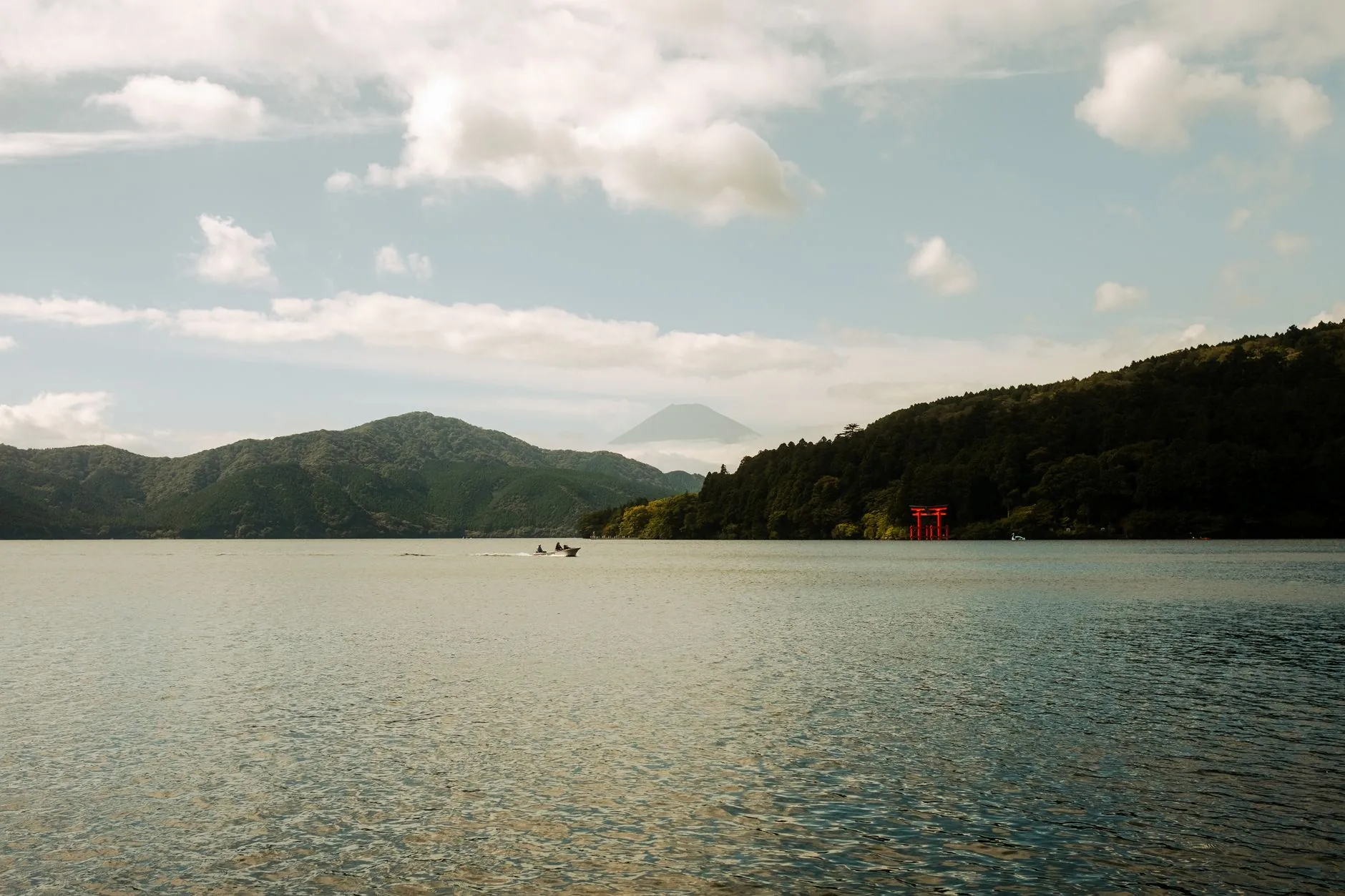
Hakone, en la prefectura de Kanagawa, es el destino de onsen por excelencia del Japón moderno. Sus 17 tipos geológicamente distintos de manantial termal emergen de las laderas del volcán Hakone, sobre la caldera del lago Ashi, con el Monte Fuji de fondo. La tradición del toji —la estancia termal prolongada en un ryokan de Hakone— lleva más de 1.200 años documentada, desde que monjes budistas del templo Manyoji registraron el efecto curativo de las aguas en el siglo VIII. El valle de Owakudani, con sus huevos negros hervidos en azufre y sus fumarolas activas, es el símbolo geológico más reconocible del resort.
Hakone is Japan's most iconic onsen destination, a volcanic highland resort in the Fuji-Hakone-Izu National Park where 17 geologically distinct spring types emerge from the flanks of Mount Hakone. The resort stretches across the Hakone caldera above Lake Ashi, with views of Mount Fuji framing traditional ryokan (Japanese inn) rooftop baths. Hakone's springs range from strongly acidic sulphurous waters at Owakudani's volcanic valley — where the infamous black eggs boiled in sulphur springs are sold at a hilltop kiosk — to gentler sodium chloride baths in the valley towns. The onsen culture here is among the most refined in Japan, with ryokan traditions of kaiseki dining, seasonal bathing, and meditative contemplation of mountain landscapes unchanged since the Edo period.
Hakone Onsenは日本・Kanagawaに位置する硫黄泉・塩化物泉。源泉温度は72℃、標高720mの地に湧出する。泉水は強酸性(pH約2.6)の泉質、塩化物泉・ナトリウム泉を豊富に含む、総溶解固形物2100 mg/Lが特徴だ。数世紀にわたる歴史を持つ。肌の若返り・リラクゼーション・リウマチ療法など多様な温浴療法が行われる。施設では入浴・露天風呂・蒸し風呂などが体験できる。
Minerales
Minerals
ミネラル
| Sulphur | 180 mg/L |
| Chloride | 890 mg/L |
| Sodium | 620 mg/L |
| Iron | 34 mg/L |
| Calcium | 145 mg/L |
Tratamientos
Treatments
トリートメント
Skin RejuvenationRelaxationRheumatologyCirculatoryRespiratory
Técnicas
Techniques
技法
BathingOpen-Air Bath (Rotenburo)Steam BathFull-Body Immersion
Patrimonio
Los manantiales termales de Hakone fueron registrados por primera vez por monjes budistas del templo Manyoji en el siglo VIII, quienes documentaron la curación de viajeros enfermos en el antiguo camino Tokaido. La localidad de posta de Hakone-juku se convirtió en una parada clave de la carretera Tokaido que unía Edo (Tokio) con Kioto durante el periodo Edo, con posadas de aguas termales que atendían a las comitivas del shogunato. El balneario alcanzó fama internacional cuando los primeros visitantes occidentales del Japón de la era Meiji fueron llevados aquí como muestra de la cultura japonesa.
Heritage
Hakone's thermal springs were first recorded by Buddhist monks of the Manyoji Temple in the 8th century, who noted the healing of sick travellers on the old Tokaido road. The post town of Hakone-juku became a key stop on the Tokaido highway linking Edo (Tokyo) to Kyoto in the Edo period, with onsen lodging houses serving shogunal processions. The resort gained international fame when early Western visitors to Meiji-era Japan were brought here as a showcase of Japanese culture.
文化財
箱根の温泉は8世紀に萬葉寺(まんようじ)の僧侶たちによって最初に記録され、旧東海道を旅する病人たちが癒やされる様子が記されている。宿場町・箱根宿は江戸時代、江戸と京都を結ぶ東海道の要所となり、温泉宿は将軍家の行列にも利用された。明治時代に日本を訪れた初期の西洋人来訪者たちが日本文化を紹介する場としてここに案内されたことで、箱根は国際的な名声を得た。
Cultura
Hakone encarna el concepto japonés de 'toji' —la práctica del baño terapéutico prolongado, tradicionalmente una semana o más de estancia en una posada de aguas termales para permitir la absorción gradual de los minerales. La cultura ryokan de Hakone es una de las más elaboradas de Japón, y combina el baño mineral con la cocina kaiseki de múltiples platos, el uso del yukata (kimono de algodón), la ceremonia del té y la contemplación estacional del paisaje. Los famosos baños al aire libre con vistas al monte Fuji se han convertido en uno de los símbolos más potentes de Japón en todo el mundo.
Culture
Hakone embodies the Japanese concept of 'toji' — the practice of extended therapeutic bathing, traditionally a week or more of residence at an onsen inn to allow gradual mineral absorption. The ryokan culture of Hakone is among Japan's most elaborate, combining mineral bathing with kaiseki multi-course cuisine, yukata (cotton kimono) wearing, tea ceremony, and seasonal appreciation of landscape. The famous open-air baths with Mount Fuji views have become one of the most potent symbols of Japan worldwide.
文化
箱根は日本古来の「湯治」という概念を体現している。これはミネラル成分をゆっくりと吸収させるため、伝統的に1週間以上温泉宿に滞在して行う療養入浴の習慣である。箱根の旅館文化は日本でも屈指の洗練さを誇り、温泉入浴に懐石料理、浴衣の着用、茶の湯、四季の景色の鑑賞を組み合わせている。富士山を望む有名な露天風呂は、世界における日本の最も強力な象徴のひとつとなっている。
Sostenibilidad
Los recursos geotérmicos de Hakone se gestionan conforme a la Ley de Aguas Termales de Japón (Onsenho) de 1948, que exige licencia gubernamental para toda nueva perforación y estudios hidrológicos obligatorios. El Geoparque de Hakone, designado en 2015, integra la educación en geología volcánica con la gestión de visitantes para proteger las frágiles zonas geotérmicas. El valle volcánico de Owakudani cuenta con estrictos límites de visitantes para proteger las fumarolas de azufre activas y la estabilidad del terreno.
Sustainability
Hakone's geothermal resources are managed under Japan's Hot Spring Law (Onsenho) of 1948, which requires government licensing for all new drilling and mandates hydrological surveys. The Hakone Geopark, designated in 2015, integrates volcanic geology education with visitor management to protect fragile geothermal zones. The Owakudani volcanic valley has strict visitor limits to protect the active sulphur vents and ground stability.
持続可能性
箱根の地熱資源は1948年制定の温泉法のもとで管理されており、新規掘削にはすべて政府の許可が必要で、水文調査も義務付けられている。2015年に指定された箱根ジオパークは、火山地質に関する教育と来訪者管理を組み合わせ、脆弱な地熱地帯を保護している。大涌谷の火山性の谷では、活動中の硫気孔と地盤の安定性を保護するため、来訪者数が厳しく制限されている。
Otros manantiales en Japan