Misasa Onsen

🇯🇵 Japan · Tottori Prefecture, Honshu

Misasa Onsen

Manantiales / Misasa OnsenSprings / Misasa Onsen温泉・鉱泉 / Misasa Onsen

♨ Temperatura

49°C

⛰ Altitud

70 m

⚗ pH

7.1

💧 TDS

1100 mg/L

🌊 Caudal

20 L/s

📅 Establecido

12th century

♨ Temperature

49°C

⛰ Altitude

70 m

⚗ pH

7.1

💧 TDS

1100 mg/L

🌊 Flow rate

20 L/s

📅 Established

12th century

♨ 温度

49°C

⛰ 標高

70 m

⚗ pH

7.1

💧 TDS

1100 mg/L

🌊 流量

20 L/s

📅 開設

12th century

RadioactiveSulphurous

✓ Verificado el 2026-07-22

✓ Verified on 2026-07-22

✓ 確認日 2026-07-22

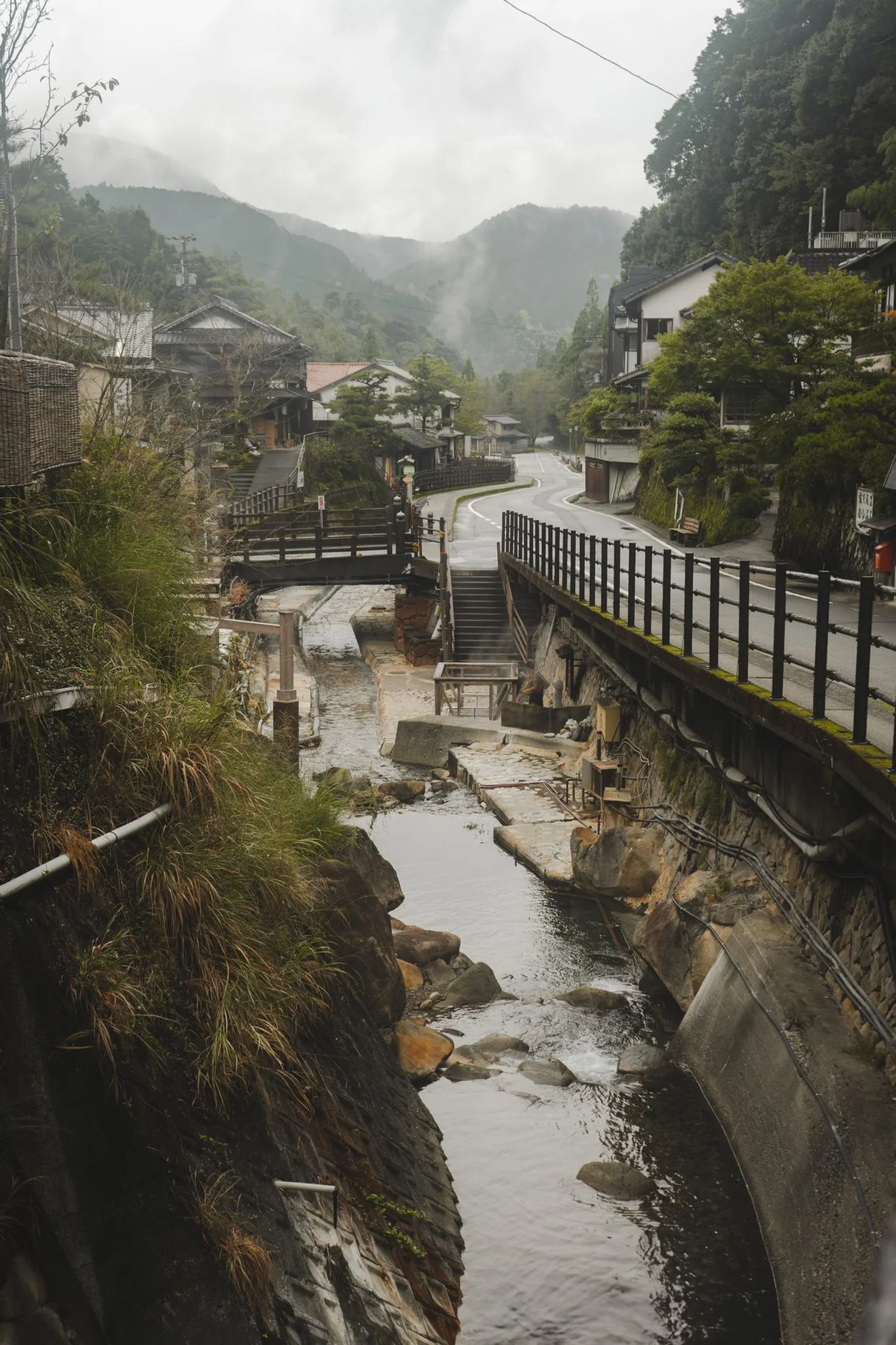
Misasa Onsen, en la prefectura de Tottori, es famoso por contener la concentración de radón natural más alta de cualquier manantial termal del mundo. Este radón de baja dosis, exhalado por la roca de granito del macizo montañoso de Sannin-Chizu, ha sido objeto de investigación científica japonesa desde la era Meiji. El fenómeno denominado 'hormesis' —el posible efecto beneficioso de la radiación de muy baja dosis sobre los sistemas antioxidantes— hizo de Misasa un laboratorio vivo para la hidrología médica. El entorno del río Mitokusan añade paisaje de bosque templado a la experiencia termal.

Misasa Onsen has one of the highest radon concentrations of any spring in the world, making it one of a rare category of naturally radioactive therapeutic waters. Low-dose radon is thought to stimulate antioxidant defences — the so-called hormesis effect. The springs were studied by Marie Curie herself in the early 20th century. The historic hot spring town sits in a river valley and has been continuously operating since the Kamakura period.

Misasa Onsenは日本・Tottori Prefecture, Honshuに位置する放射能泉・硫黄泉。源泉温度は49℃の豊かな温泉水が湧き出る。泉水は中性に近い(pH約7.1)の泉質、塩化ナトリウム泉・炭酸水素塩泉を豊富に含む、総溶解固形物1100 mg/Lが特徴だ。数世紀にわたる歴史を持つ。リウマチ療法・皮膚疾患・呼吸器療法など多様な温浴療法が行われる。施設では入浴・飲泉療法・吸入(ラドン)などが体験できる。

Minerales

Minerals

ミネラル

Radon (Rn)0.72 mg/L
Sodium Chloride620 mg/L
Sulphur4.2 mg/L
Calcium210 mg/L
Bicarbonate380 mg/L

Tratamientos

Treatments

トリートメント

RheumatologySkin ConditionsRespiratoryAutonomic Nervous System

Técnicas

Techniques

技法

BathingDrinking CureInhalation (Radon)

Patrimonio

El onsen de Misasa ha funcionado de manera continua desde el período Kamakura (siglo XII), lo que lo convierte en uno de los establecimientos termales más antiguos de Japón. El pueblo está clasificado entre los 100 Onsen Famosos de Japón. El interés investigador de Marie Curie por el contenido de radón de Misasa a comienzos del siglo XX otorgó a sus manantiales una relevancia científica internacional y contribuyó al estudio de la biología de la radiación de baja dosis.

Heritage

Misasa Onsen has operated continuously since the Kamakura period (12th century), making it one of Japan's longest-standing thermal establishments. The town is classified as one of Japan's 100 Famous Onsen. Marie Curie's research interest in Misasa's radon content in the early 20th century gave the springs international scientific prominence and contributed to the study of low-dose radiation biology.

文化財

三朝温泉は鎌倉時代(12世紀)から途切れることなく営業を続けており、日本で最も長い歴史を持つ温泉地の一つである。この町は「日本百名湯」の一つに数えられている。20世紀初頭、マリー・キュリーが三朝のラドン含有量に研究上の関心を寄せたことで、この温泉は国際的な科学的注目を集め、低線量放射線生物学の研究に貢献した。

Cultura

En la cultura japonesa del onsen, Misasa ocupa un lugar especial como manantial radiactivo (hōshasen-sen), una categoría reconocida en la balneología japonesa como beneficiosa según el principio de hormesis. El pueblo conserva el carácter tradicional de un onsen machi, con casas de madera machiya, baños de pies comunitarios (ashiyu) y ryokan a pie de calle. La tradición del baño al aire libre junto al río (kawa-yu) sigue siendo una práctica cultural auténtica.

Culture

In Japanese onsen culture, Misasa holds a special status as a radioactive spring (hōshasen-sen) — a category recognised in Japanese balneology as beneficial through the hormesis principle. The town maintains the traditional onsen machi character with wooden machiya townhouses, communal foot baths (ashiyu), and street-side ryokan. The tradition of riverside open-air bathing (kawa-yu) remains an authentic cultural practice.

文化

日本の温泉文化において、三朝は放射線泉(ラドン温泉)として特別な地位を占めており、この分類は日本の温泉医学においてホルミシス効果により有益であるとされている。町は木造の町家、共同の足湯、通り沿いの旅館といった伝統的な温泉町の趣を今に残している。川沿いでの露天入浴(河原の湯)の伝統は、今も本物の文化的慣習として続いている。

Sostenibilidad

Los manantiales de Misasa son gestionados por la prefectura de Tottori para limitar la extracción y preservar el contenido de radón que define su carácter. El Parque Nacional Daisen-Oki, que la rodea, ofrece una cuenca forestal protegida. Las alianzas de investigación científica entre Misasa y la Universidad de Okayama garantizan el monitoreo continuo del caudal de los manantiales y de los niveles de radón, contribuyendo a la investigación mundial sobre la radiación natural y el bienestar humano.

Sustainability

The springs at Misasa are managed by Tottori Prefecture to limit extraction and preserve the radon content that defines their character. The surrounding Daisen-Oki National Park provides a protected forest catchment. Scientific research partnerships between Misasa and Okayama University ensure continuous monitoring of spring flow and radon levels, contributing to global research on natural radiation and human wellbeing.

持続可能性

三朝の源泉は鳥取県によって管理されており、採取量を制限し、その特徴を成すラドン含有量を保全している。周囲に広がる大山隠岐国立公園は保護された森林涵養域を提供している。三朝と岡山大学との科学研究連携により、源泉の湧出量とラドン濃度の継続的なモニタリングが確保されており、自然放射線と人間の健康に関する世界的な研究に貢献している。

Contacto

Teléfono+81 858 43 0431

Sitio webmisasa.or.jp

DirecciónMisasa, Tohaku District, Tottori, Japan

Contact

Phone+81 858 43 0431

Websitemisasa.or.jp

AddressMisasa, Tohaku District, Tottori, Japan

連絡先

電話+81 858 43 0431

ウェブサイトmisasa.or.jp

住所Misasa, Tohaku District, Tottori, Japan

← Volver al directorio completo Ver en el mapa interactivo← Back to the full directory View on the interactive map← ディレクトリ全体に戻る インタラクティブマップで見る