Manantiales / Osorezan OnsenSprings / Osorezan Onsen温泉・鉱泉 / Osorezan Onsen
📅 Establecido
862 CE (traditional founding date of Bodaiji Temple, attributed to the monk Ennin)
📅 Established
862 CE (traditional founding date of Bodaiji Temple, attributed to the monk Ennin)
📅 開設
862 CE (traditional founding date of Bodaiji Temple, attributed to the monk Ennin)
SulphurousAcidicIron-rich (Ferruginous)Chlorinated (Sodium Chloride)
✓ Verificado el 2026-07-28
✓ Verified on 2026-07-28
✓ 確認日 2026-07-28
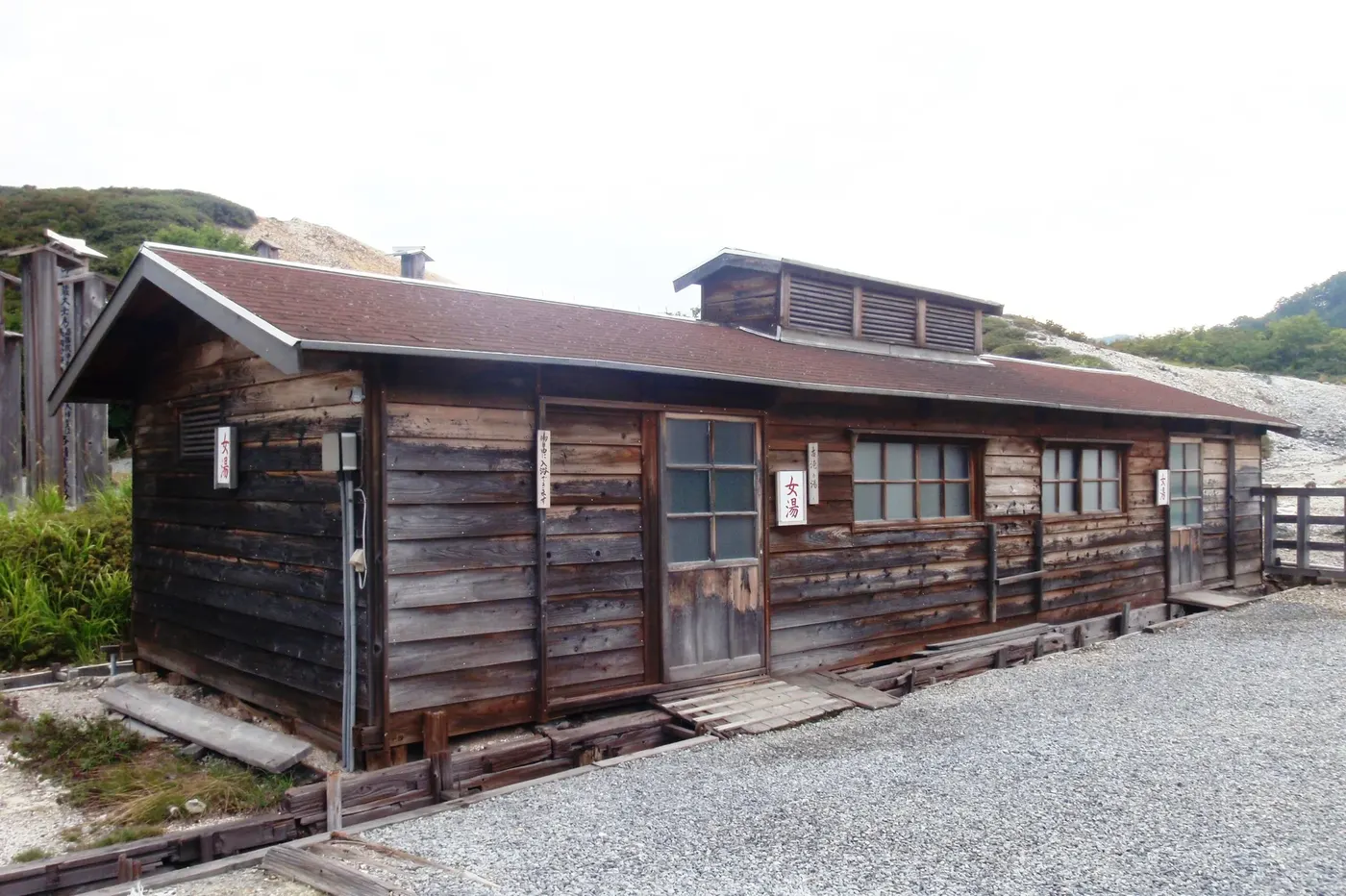
Osorezan (monte Osore) es una caldera volcánica activa en la península de Shimokita, considerada una de las montañas más sagradas de Japón y asociada en la tradición budista local con el reino de los muertos. Dentro del recinto del templo Bodaiji, fundado según la tradición en el año 862 por el monje Ennin, se han construido cuatro baños termales sulfurosos. El agua de manantial es una fuente fuertemente ácida (pH aproximado de 2.1) de hierro-azufre-cloruro sódico que alcanza los 74.4°C, y el paisaje circundante está marcado por fumarolas, rocas blanqueadas por el azufre y un intenso olor sulfuroso. Los visitantes pueden bañarse gratuitamente en los baños del templo, y el albergue contiguo Osorezan Onsen Shukubo Kissyoukaku ofrece el único alojamiento nocturno de la montaña.
Osorezan (Mount Osore) is an active volcanic caldera on the Shimokita Peninsula regarded as one of Japan's most sacred mountains, associated in local Buddhist tradition with the realm of the dead. Four sulfurous hot spring baths are built within the grounds of Bodaiji Temple, which by tradition was founded in 862 CE by the monk Ennin. The source water is a strongly acidic (pH about 2.1) iron-sulfur-sodium chloride spring reaching 74.4°C, and the surrounding landscape is marked by fumaroles, sulfur-bleached rock, and the pervasive smell of sulfur. Visitors may bathe in the temple's baths free of charge, and the adjoining Osorezan Onsen Shukubo Kissyoukaku offers the only overnight lodging on the mountain.
恐山は下北半島にある活火山カルデラで、日本三大霊場の一つとされ、地元の仏教伝承では死者の世界と結びつけられている。伝承によれば862年に慈覚大師円仁によって開かれた菩提寺の境内には、硫黄の香りの強い4つの温泉浴場がある。源泉は含鉄・硫黄-ナトリウム-塩化物泉で、pHは約2.1の強酸性、泉温は74.4度に達する。周辺は噴気孔や硫黄で白く変色した岩に覆われ、硫黄の匂いが立ち込めている。参拝者は境内の温泉に無料で入浴でき、隣接する恐山温泉宿坊吉祥閣が山内唯一の宿泊施設となっている。
Técnicas
Techniques
技法
Bathing (Onsen)
Patrimonio
Se dice tradicionalmente que el templo Bodaiji, en cuyo recinto se encuentran los baños de azufre, fue fundado en el año 862 por el monje Ennin; fue abandonado en 1457 y restaurado en 1530. Las propias aguas termales brotaron en medio de la actividad volcánica constante del lugar, antes vinculada a una explotación minera de azufre de la era Meiji en la montaña.
Heritage
Bodaiji Temple, within whose grounds the sulfur baths sit, is traditionally said to have been founded in 862 CE by the monk Ennin; it was abandoned in 1457 and restored in 1530. The hot springs themselves gushed up amid the site's ongoing volcanic activity, once tied to a Meiji-era sulfur mining operation on the mountain.
文化財
硫黄泉の湧く境内を持つ菩提寺は、伝承では862年に円仁によって開かれたとされ、1457年に一度廃絶した後、1530年に再興された。温泉自体はこの地の継続的な火山活動の中で湧出しており、かつて明治期には山中で硫黄採掘も行われていた。
Cultura
El festival anual Taisai de Osorezan, celebrado del 20 al 24 de julio en el templo Bodaiji, atrae a visitantes que consultan a las itako, tradicionalmente médiums ciegas, en un ritual llamado kuchiyose para comunicarse con parientes fallecidos; bañarse en los baños de azufre del templo forma parte de la visita junto con la oración en el templo.
Culture
Osorezan's annual Taisai festival, held July 20-24 at Bodaiji Temple, draws visitors who consult itako, traditionally blind female mediums, in a ritual called kuchiyose to communicate with deceased relatives; bathing in the temple's sulfur baths is part of a visit alongside worship at the temple.
文化
毎年7月20日から24日にかけて菩提寺で行われる恐山大祭には、口寄せと呼ばれる儀式を通じて亡くなった親族と交信するために、伝統的に盲目の女性霊媒であるイタコに口寄せを依頼する参拝者が訪れる。境内の硫黄泉に浸かることも、寺への参拝と並ぶ参詣の一部となっている。
Otros manantiales en Japan