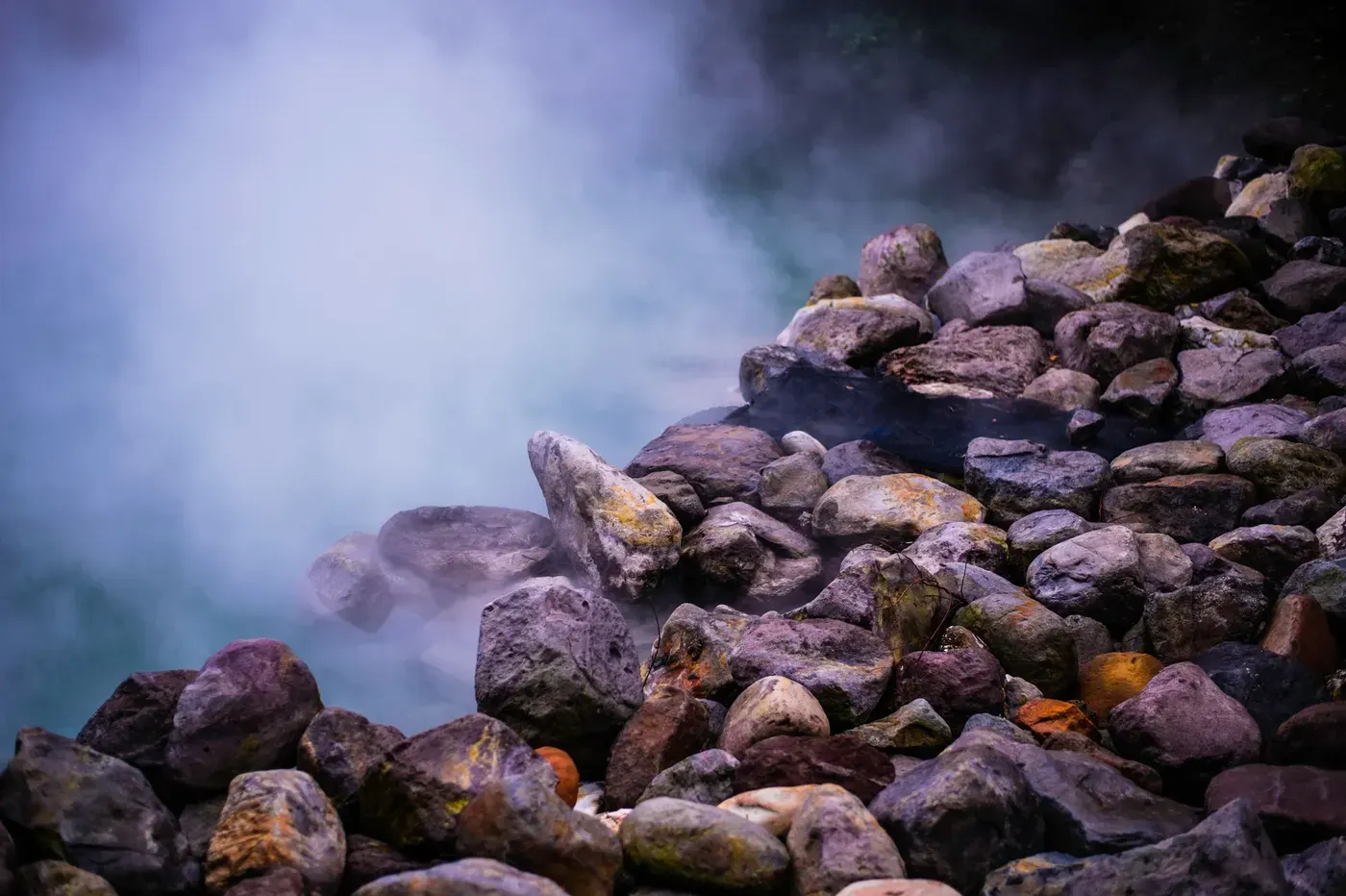
Manantiales / AmagiriSprings / Amagiri温泉・鉱泉 / Amagiri
📅 Establecido
Contemporary
📅 Established
Contemporary
Wellness RetreatMineral BathJapanese-Inspired
✓ Verificado el 2026-07-22
✓ Verified on 2026-07-22
✓ 確認日 2026-07-22
Amagiri (天霧, 'la niebla del cielo' en japonés) es un retiro de bienestar en el norte de California que se basa explícitamente en la cultura de onsen y ryokan japonesa para ofrecer una experiencia de baño contemplativo. La programa combina baños minerales, entornos arquitectónicos de inspiración japonesa, comida estacional y programación orientada a la meditación en un entorno forestal de California.
Amagiri (天霧, meaning 'heaven's mist' in Japanese) is a wellness retreat in Northern California that draws explicitly on Japanese onsen and ryokan culture to offer a contemplative bathing and immersion experience in the American West. The program combines mineral soaking baths, Japanese-inspired architectural environments, seasonal food, and meditation-oriented programming in a forest setting. Japanese wellness aesthetics — the concept of ma (negative space and pause), the ritual pacing of the onsen bathing sequence, and the integration of food, bathing, and landscape as a unified sensory environment — have been influential in American wellness culture, particularly in California where the Japanese-American community has maintained connections to these practices despite significant historical disruption during World War II. Amagiri positions itself as an accessible interpretation of these traditions within a Northern California landscape context, drawing on the remarkable convergence of Northern California's oak woodland, volcanic geology, and Japanese-American cultural history.
Amagiriはアメリカ・Northern Californiaに位置するウェルネス。源泉温度は40℃、標高380mの地に湧出する。泉水はアルカリ性(pH約7.5)の泉質、炭酸水素塩泉・カルシウム泉を豊富に含む、総溶解固形物600 mg/Lが特徴だ。リラクゼーション・瞑想的な実践・皮膚など多様な温浴療法が行われる。施設では鉱泉浸浴・日本式入浴の順序・森林体験などが体験できる。
Minerales
Minerals
ミネラル
| Mineral bath — composition varies | 0 mg/L |
| Calcium (typical NorCal spring) | 68 mg/L |
| Bicarbonate | 220 mg/L |
Tratamientos
Treatments
トリートメント
RelaxationContemplative practiceSkinStress Reduction
Técnicas
Techniques
技法
Mineral soakingJapanese bathing sequenceForest immersionMeditation bathing
Patrimonio
El norte de California fue destino de una importante inmigración japonesa a finales del siglo XIX y principios del XX, con comunidades japonesas-estadounidenses que se desarrollaron en Sacramento, San Francisco y los valles agrícolas circundantes. La reubicación forzada de los japoneses-estadounidenses durante la Segunda Guerra Mundial (Orden Ejecutiva 9066, 1942) provocó una severa disrupción de estas comunidades y sus prácticas culturales. El resurgimiento y la reinterpretación de la cultura del baño japonés en el norte de California lleva implícitamente esta historia: una recuperación de una práctica cultural en el mismo territorio donde alguna vez fue reprimida.
Heritage
Northern California was the destination of significant Japanese immigration in the late 19th and early 20th centuries, with Japanese-American communities developing in Sacramento, San Francisco, and the surrounding agricultural valleys. The forced relocation of Japanese-Americans during World War II (Executive Order 9066, 1942) caused severe disruption to these communities and their cultural practices. The revival and reinterpretation of Japanese bathing culture in Northern California carries this history implicitly — a reclaiming of cultural practice in the landscape where it was once suppressed.
文化財
北カリフォルニアは19世紀後半から20世紀初頭にかけて日本からの移民が数多く渡った土地であり、サクラメント、サンフランシスコ、およびその周辺の農業地帯に日系アメリカ人の共同体が形成された。第二次世界大戦中の日系アメリカ人強制移住(1942年、大統領令9066号)は、これらの共同体とその文化的慣習に深刻な断絶をもたらした。北カリフォルニアにおける日本式入浴文化の復興と再解釈には、この歴史が暗に刻み込まれている——かつて弾圧された土地において、その文化的慣習を取り戻す試みである。
Cultura
La influencia de la filosofía estética japonesa —en particular el wabi-sabi (la belleza de lo imperfecto y lo impermanente), el mono no aware (el pathos de las cosas) y el concepto de omotenashi (hospitalidad desinteresada)— sobre la cultura del bienestar estadounidense ha sido considerable, en especial en California. Los retiros de bienestar de inspiración japonesa del norte de California existen dentro de una conversación cultural más amplia sobre el préstamo intercultural en el bienestar, la autenticidad y la práctica respetuosa.
Culture
The influence of Japanese aesthetic philosophy — particularly wabi-sabi (the beauty of imperfection and impermanence), mono no aware (pathos of things), and the concept of omotenashi (selfless hospitality) — on American wellness culture has been substantial, particularly in California. Northern California's Japanese-inspired wellness retreats exist within a broader cultural conversation about cross-cultural wellness borrowing, authenticity, and respectful practice.
文化
日本の美学思想——とりわけ「わび・さび」(不完全さと無常の美)、「もののあはれ」、そして「おもてなし」(無私の歓待)という概念——がアメリカのウェルネス文化に与えた影響は、特にカリフォルニアにおいて顕著である。北カリフォルニアの日本風ウェルネス・リトリートは、異文化間でのウェルネスの借用、真正性、そして敬意ある実践のあり方をめぐる、より広範な文化的議論の中に位置づけられる。
Sostenibilidad
El ecosistema de bosque de robles del norte de California es uno de los hábitats más amenazados del estado debido a la enfermedad fúngica de la muerte súbita del roble y a la presión de conversión del suelo. Los retiros de bienestar que preservan el entorno de bosque de robles contribuyen a la concienciación y conservación de este ecosistema.
Sustainability
The Northern California oak woodland ecosystem is one of the state's most threatened habitats due to sudden oak death fungal disease and conversion pressure. Wellness retreats that maintain oak woodland context contribute to awareness and conservation of this ecosystem.
持続可能性
北カリフォルニアのオーク林生態系は、突然死病と呼ばれる菌類による疾病や土地転用の圧力により、州内で最も脅威にさらされている生息地の一つである。オーク林の環境を維持するウェルネス・リトリートは、この生態系への認識向上と保全に貢献している。