Manantiales / Baños de Agua SantaSprings / Baños de Agua Santa温泉・鉱泉 / Baños de Agua Santa
📅 Establecido
Colonial period; thermal tradition continuous since 16th century
📅 Established
Colonial period; thermal tradition continuous since 16th century
📅 開設
Colonial period; thermal tradition continuous since 16th century
VolcanicGeothermalSpa Town
✓ Verificado el 2026-07-22
✓ Verified on 2026-07-22
✓ 確認日 2026-07-22
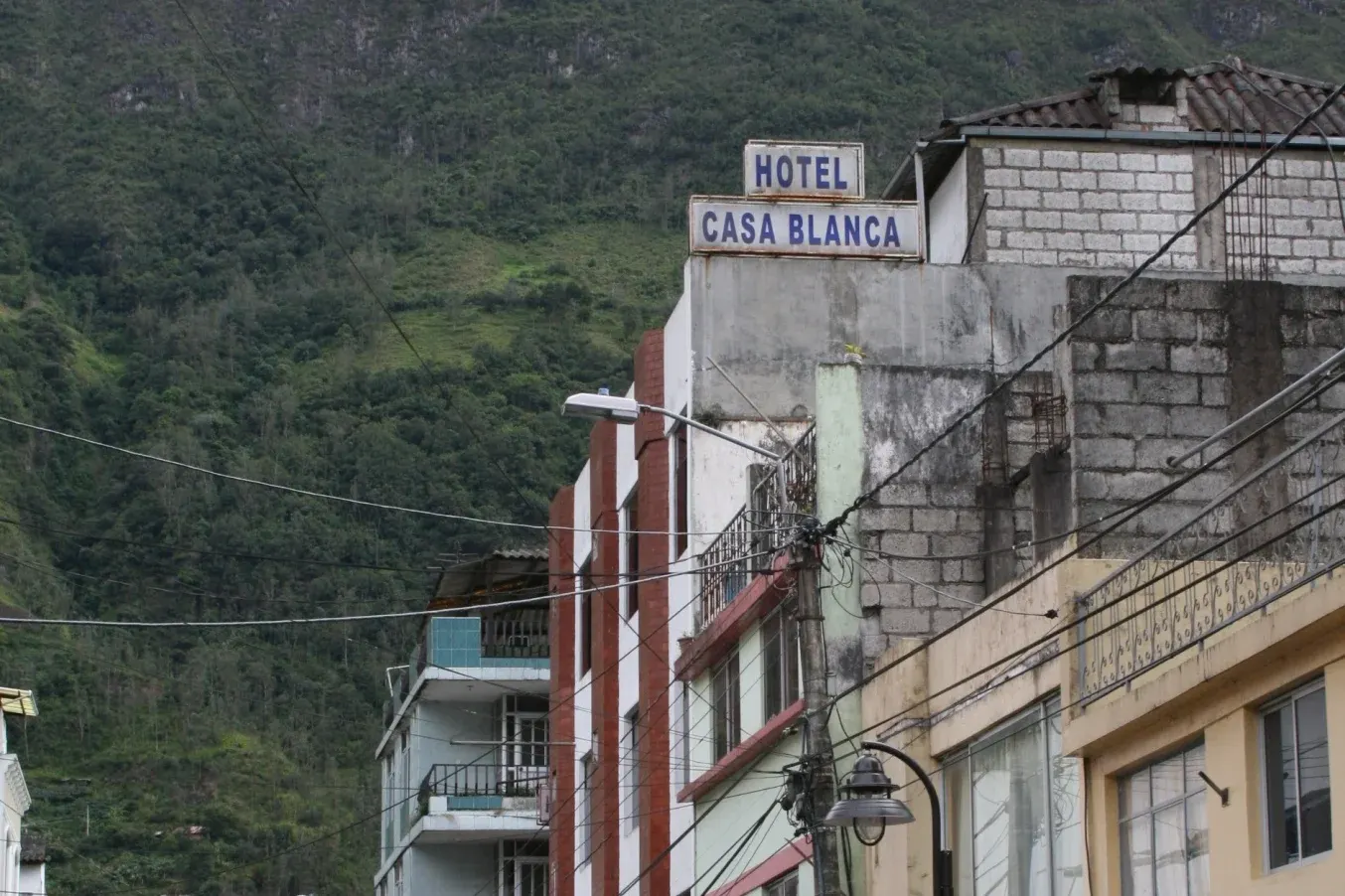
Baños de Agua Santa — simplemente 'Baños' para los ecuatorianos — es una pequeña ciudad termal andina al pie del Tungurahua, uno de los volcanes más persistentemente activos del Ecuador. La ciudad se asienta a 1.820 metros en un cálido y abrigado valle a la confluencia del cañón del río Pastaza y el escarpado andino, siendo simultáneamente un balneario termal, un centro de deportes de aventura y la principal puerta de entrada a las tierras bajas amazónicas. Las piscinas termales más famosas — Piscinas de la Virgen — se ubican directamente bajo el volcán.
Baños de Agua Santa — shortened simply to 'Baños' by Ecuadorians — is a small Andean spa town at the foot of Tungurahua, one of Ecuador's most persistently active volcanoes. The town sits at 1,820 metres in a warm, sheltered valley at the confluence of the Pastaza River canyon and the Andean escarpment, making it simultaneously a thermal resort, an adventure sports hub, and the main gateway to the Amazonian lowlands. The thermal springs are heated by the volcanic system of Tungurahua, which has been in a state of periodic eruption since 1999. Multiple public and private bath houses receive the volcanic spring water, cooled to bathing temperature. The most famous public baths — Piscinas de la Virgen — sit directly below the volcano, making them among the most dramatically sited thermal pools in the world. The town is also known for its taffy candy (melcocha), its water mills, and the sanctuary of Nuestra Señora de Agua Santa, whose patronage is associated with miracles attributed to the thermal springs.
Baños de Agua Santaはエクアドル・Tungurahua Provinceに位置する地熱温泉。源泉温度は40℃、標高1820mの地に湧出する。泉水は中性に近い(pH約7.0)の泉質、炭酸水素塩泉・ナトリウム泉を豊富に含む、総溶解固形物620 mg/Lが特徴だ。数世紀にわたる歴史を持つ。リラクゼーション・リウマチ療法・皮膚など多様な温浴療法が行われる。施設では入浴・スチームルーム・川の水風呂などが体験できる。
Minerales
Minerals
ミネラル
| Sodium | 95 mg/L |
| Bicarbonate | 380 mg/L |
| Sulphate | 62 mg/L |
| Calcium | 48 mg/L |
| Silica | 28 mg/L |
Tratamientos
Treatments
トリートメント
RelaxationRheumatologySkinRespiratory
Técnicas
Techniques
技法
BathingSteam roomCold river plunge
Patrimonio
Baños de Agua Santa ha sido un sitio de peregrinación y sanación desde la época colonial, centrado en el santuario de Nuestra Señora de Agua Santa y en la tradición de curas milagrosas atribuidas al agua del manantial volcánico. El pueblo sobrevivió a la erupción del Tungurahua de 1999 tras una breve evacuación, un episodio que profundizó la narrativa local del volcán como una fuerza espiritualmente cargada y ambivalente. El cañón del río Pastaza, que atraviesa el pueblo, es uno de los desfiladeros fluviales más espectaculares de Sudamérica.
Heritage
Baños de Agua Santa has been a pilgrimage and healing site since the colonial period, centred on the sanctuary of Nuestra Señora de Agua Santa and the tradition of miraculous cures attributed to the volcanic spring water. The town survived the 1999 Tungurahua eruption after a brief evacuation — an event that deepened the local narrative of the volcano as a spiritually charged and ambivalent force. The Pastaza River canyon that cuts through the town is one of the most dramatic river gorges in South America.
文化財
バニョス・デ・アグア・サンタは植民地時代から巡礼と治癒の地であり、その中心には「聖なる水の聖母」教会と、火山性の温泉水がもたらすとされる奇跡的な治癒の伝統がある。この町は1999年のトゥングラワ火山噴火の際、短期間の避難の後に持ちこたえ、この出来事は、火山を霊的な力を帯びた両義的な存在とする地元の語りを一層深めるものとなった。町を貫くパスタサ川の峡谷は、南米で最も劇的な渓谷の一つである。
Cultura
Baños ocupa una posición única en la cultura ecuatoriana: es a la vez sagrado, festivo y extremo. El santuario atrae a peregrinos religiosos; las piscinas termales, a quienes buscan salud; el cañón, a los turistas de aventura. Su famoso dulce de melcocha —estirado a mano sobre ganchos de hierro en talleres al aire libre en plena calle— se ha convertido en un símbolo del propio lugar, cuyo calor y dulzura evocan los manantiales volcánicos que dan nombre al pueblo.
Culture
Baños occupies a unique position in Ecuadorian culture: it is simultaneously sacred, festive, and extreme. The sanctuary draws religious pilgrims; the thermal pools draw health seekers; the canyon draws adventure tourists. The town's famous taffy candy — melcocha, pulled by hand on iron hooks in open-street workshops — has become a symbol of the place itself, its heat and sweetness an echo of the volcanic springs that give the town its name.
文化
バニョスはエクアドル文化の中で独自の位置を占めている。神聖であり、祝祭的であり、そして過激でもあるという三面性を同時に備えているのだ。教会は宗教的な巡礼者を、温泉プールは健康を求める人々を、峡谷はアドベンチャー観光客を引き寄せる。街路に面した工房で鉄のフックに手作業でかけて伸ばす名物の飴菓子「メルコチャ」は、この土地そのものの象徴となっており、その熱と甘さは、町の名の由来となった火山性の温泉を思わせる。
Sostenibilidad
El volcán Tungurahua sigue activo, lo que representa tanto un riesgo como una oportunidad para Baños. La resiliencia del pueblo tras la evacuación de 1999 demostró la profunda conexión entre la identidad comunitaria y el paisaje volcánico. Los manantiales termales fluyen desde un sistema geotérmico impulsado por vulcanismo activo, un recurso que no requiere calentamiento artificial, pero que existe en un contexto geológico dinámico que exige un monitoreo continuo y planes de evacuación.
Sustainability
Tungurahua volcano remains active, creating both risk and opportunity for Baños. The town's resilience following the 1999 evacuation demonstrated the deep connection between community identity and the volcanic landscape. The thermal springs flow from a geothermal system driven by active volcanism — a resource that requires no artificial heating but that exists in a dynamic geological context requiring continuous monitoring and evacuation planning.
持続可能性
トゥングラワ火山は今も活動を続けており、バニョスにリスクと機会の両方をもたらしている。1999年の避難を経てこの町が見せた回復力は、地域社会のアイデンティティと火山景観との深い結びつきを示すものであった。温泉は、活火山活動によって駆動される地熱系から湧出しており、人工的な加温を必要としない資源である一方、絶え間ない監視と避難計画を要する、常に変化する地質学的状況の中に存在している。
Otros manantiales en Ecuador