Manantiales / Conghua Hot SpringsSprings / Conghua Hot Springs温泉・鉱泉 / Conghua Hot Springs
📅 Establecido
Ming Dynasty (15th century)
📅 Established
Ming Dynasty (15th century)
📅 開設
Ming Dynasty (15th century)
BicarbonatedSulphurousRadioactive
✓ Verificado el 2026-07-22
✓ Verified on 2026-07-22
✓ 確認日 2026-07-22
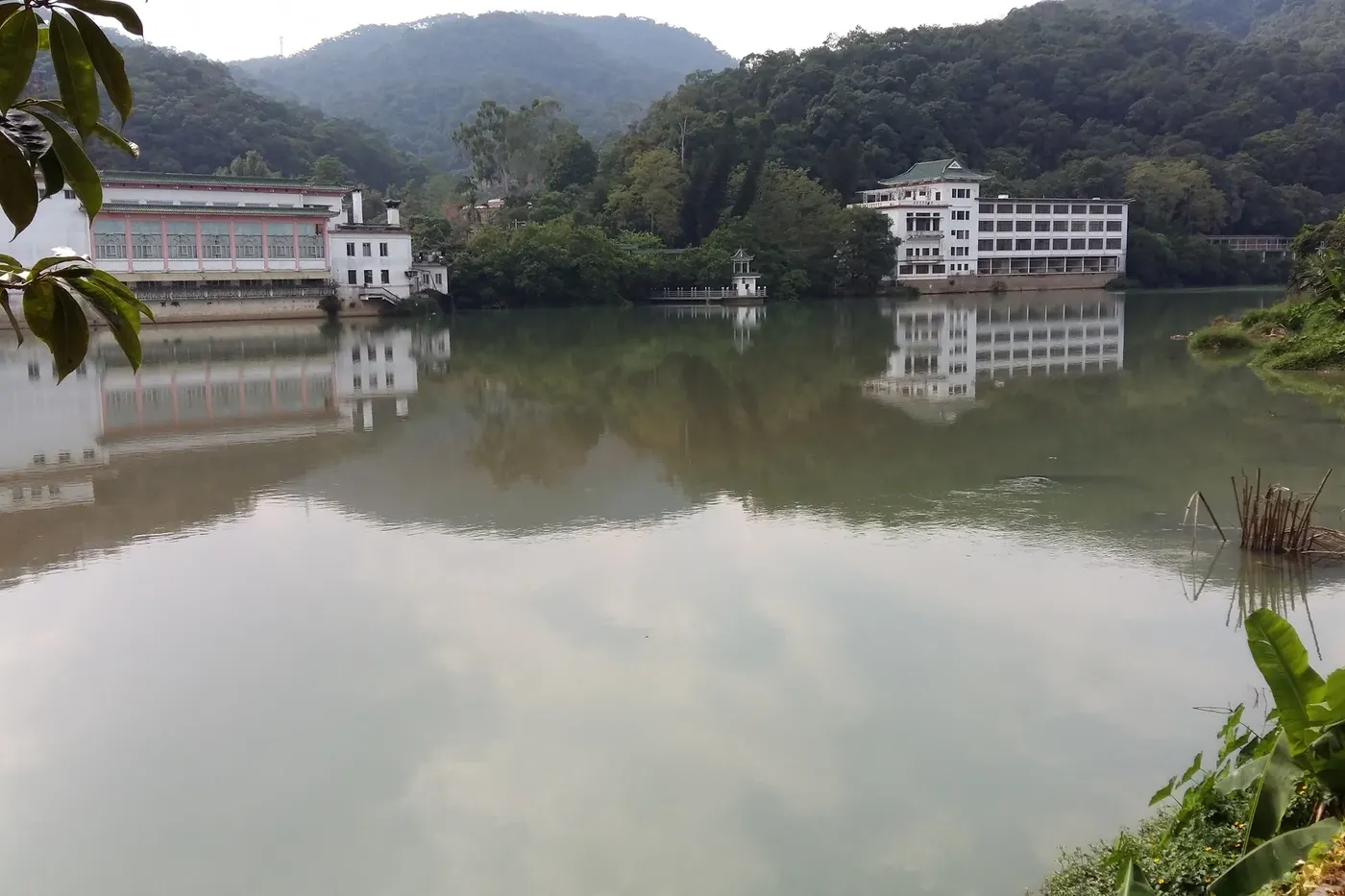
Las aguas termales de Conghua son el destino termal más famoso del sur de China, situado en el valle subtropical del río Liuxi, a 75 km al norte de Guangzhou. Sus manantiales bicarbonatados y levemente radioactivos, a 58 °C, han sido codificados en textos de Medicina Tradicional China (MTC) desde la Dinastía Ming en el siglo XV. La zona de balnearios concentra más de 20 complejos hoteleros que comparten el mismo acuífero artesiano, entre bosques de lichi y bambú. Una tradición local atribuye a los baños termales de Conghua el cutis especialmente fino de las mujeres de la comarca —leyenda que ha convertido el resort en un destino de belleza y bienestar con resonancia nacional.
Conghua Hot Springs is South China's most famous thermal resort, located in the verdant Liuxi River valley 75 km north of Guangzhou. The springs have been celebrated in Chinese medical texts since the Ming Dynasty, with the Qing-era physician Ye Tianshi prescribing Conghua waters for digestive and skin conditions. The resort area features over 20 hotel thermal facilities drawing from the same naturally bicarbonated aquifer, set in a landscape of subtropical forests and litchi orchards. Conghua is famously associated with the healthy complexions of its local women — a beauty tradition attributed to regular mineral spring bathing that has made the springs a destination for beauty-conscious visitors across China.
Conghua Hot Springsは中国・Guangdongに位置する重炭酸泉・硫黄泉。源泉温度は58℃の豊かな温泉水が湧き出る。泉水はアルカリ性(pH約7.8)の泉質、炭酸水素塩泉・ナトリウム泉を豊富に含む、総溶解固形物780 mg/Lが特徴だ。数世紀にわたる歴史を持つ。皮膚科治療・肌の若返り・消化器療法など多様な温浴療法が行われる。施設では入浴・足湯・蒸し風呂などが体験できる。
Minerales
Minerals
ミネラル
| Bicarbonate | 390 mg/L |
| Sodium | 185 mg/L |
| Silica | 68 mg/L |
| Radon | 0.002 mg/L |
| Fluoride | 1.8 mg/L |
Tratamientos
Treatments
トリートメント
DermatologySkin RejuvenationDigestiveRelaxationNervous System
Técnicas
Techniques
技法
BathingFoot BathSteam BathOpen-Air Pool
Patrimonio
Los manantiales de Conghua se catalogaron por primera vez en registros administrativos de la dinastía Ming en el siglo XV, cuando funcionarios locales señalaron sus propiedades curativas y los recomendaron a la corte imperial. El Jardín Wenquan, de la era Qing, construido en 1931 como retiro privado para altos funcionarios, conserva la arquitectura de pabellones termales de la época junto con el diseño tradicional de jardín chino. Sun Yat-sen, el fundador de la China moderna, visitó los manantiales de Conghua en 1923.
Heritage
Conghua's springs were first catalogued in Ming Dynasty administrative records in the 15th century, when local officials noted their healing properties and recommended them to the imperial court. The Qing-era Wenquan Garden, built in 1931 as a private retreat for senior officials, preserves colonial-era thermal pavilion architecture alongside traditional Chinese garden design. Sun Yat-sen, the founder of modern China, visited Conghua's springs in 1923.
文化財
従化の温泉は15世紀、明代の行政記録において初めて記録され、地元の役人がその療養効果に注目し宮廷に推薦した。1931年に高官の私的な保養地として建てられた清代の温泉園は、伝統的な中国庭園の意匠とともに、当時の温泉亭閣建築を今に伝えている。近代中国の建国の父である孫文は1923年に従化の温泉を訪れている。
Cultura
Conghua ocupa un lugar único en la cultura del bienestar cantonesa, entrelazada con la tradición Lingnan de medicina herbal y prácticas de salud preventiva. La creencia local de que las mujeres de Conghua tienen la piel más suave de Guangdong —atribuida a toda una vida de baños en aguas minerales— ha convertido al balneario en un destino para tratamientos de belleza y salud de la piel, integrados con protocolos de medicina tradicional china (MTC). El Festival anual del Lichi en junio combina la cultura frutícola con el turismo termal en una celebración única de Conghua.
Culture
Conghua has a unique place in Cantonese wellness culture, intertwined with the Lingnan tradition of herbal medicine and preventive health practices. The local belief that Conghua women have the softest skin in Guangdong — attributed to a lifetime of mineral spring bathing — has made the resort a destination for beauty treatments and skin health, integrated with traditional Chinese medicine (TCM) protocols. The annual Litchi Festival in June combines fruit culture with hot spring tourism in a celebration unique to Conghua.
文化
従化は広東式ウェルネス文化の中で独自の位置を占めており、嶺南地方の伝統的な漢方医学や予防医療の実践と密接に結びついている。「従化の女性は広東で最も肌がきめ細やか」という地元の言い伝えは、生涯にわたる鉱泉入浴によるものとされ、この保養地は伝統中医学(TCM)の施術を取り入れた美容とスキンケアの目的地となっている。毎年6月に開催される「ライチ祭り」は、果物文化と温泉観光を組み合わせた従化ならではの祝祭である。
Sostenibilidad
El gobierno municipal de Conghua designó el área de captación del manantial como zona de protección de fuentes de agua en 2005, prohibiendo cualquier actividad industrial en un radio de 15 km del acuífero principal. La zona balnearia opera bajo el plan de gestión ecoturística de Cantón, con límites estrictos al número diario de visitantes y evaluaciones de impacto ambiental obligatorias para la construcción de nuevos hoteles. Pozos de monitoreo geotérmico miden trimestralmente la temperatura y presión del manantial.
Sustainability
The Conghua municipal government designated the spring catchment area as a water source protection zone in 2005, prohibiting industrial activity within 15 km of the main aquifer. The resort area operates under Guangzhou's ecotourism management plan, with strict limits on visitor numbers per day and mandatory environmental impact assessments for new hotel construction. Geothermal monitoring wells measure spring temperature and pressure quarterly.
持続可能性
従化市政府は2005年に源泉の集水域を水源保護区域に指定し、主要な帯水層から15キロメートル以内での工業活動を禁止した。この保養地区は広州市のエコツーリズム管理計画のもとで運営されており、1日あたりの来訪者数の厳格な制限と、新規ホテル建設に対する環境影響評価の義務化が定められている。地熱観測井では四半期ごとに源泉の温度と圧力が計測されている。
Otros manantiales en China