Manantiales / Hammam — Turkish Bath TraditionSprings / Hammam — Turkish Bath Tradition温泉・鉱泉 / Hammam — Turkish Bath Tradition
🌊 Caudal
N/A (cultural entry)
📅 Establecido
Developed from Roman and Byzantine balneum; major expansion under Ottoman Sultans from 14th century
🌊 Flow rate
N/A (cultural entry)
📅 Established
Developed from Roman and Byzantine balneum; major expansion under Ottoman Sultans from 14th century
📅 開設
Developed from Roman and Byzantine balneum; major expansion under Ottoman Sultans from 14th century
Turkish BathSteam BathCultural Heritage
✓ Verificado el 2026-07-22
✓ Verified on 2026-07-22
✓ 確認日 2026-07-22
El hammam (hamam en turco) es una de las tradiciones de baño más influyentes del mundo. La secuencia clásica implica entrar en la sala caliente (hararet), sudar en la plataforma de mármol (göbek taşı), recibir un enérgico frotamiento con kese (manopla exfoliante), un masaje de espuma de jabón y finalmente recuperarse en la sala fría. Estambul alberga más de 60 hammams históricos del período otomano, el más célebre de los cuales es el Çemberlitaş Hamamı (1584), diseñado por Mimar Sinan.
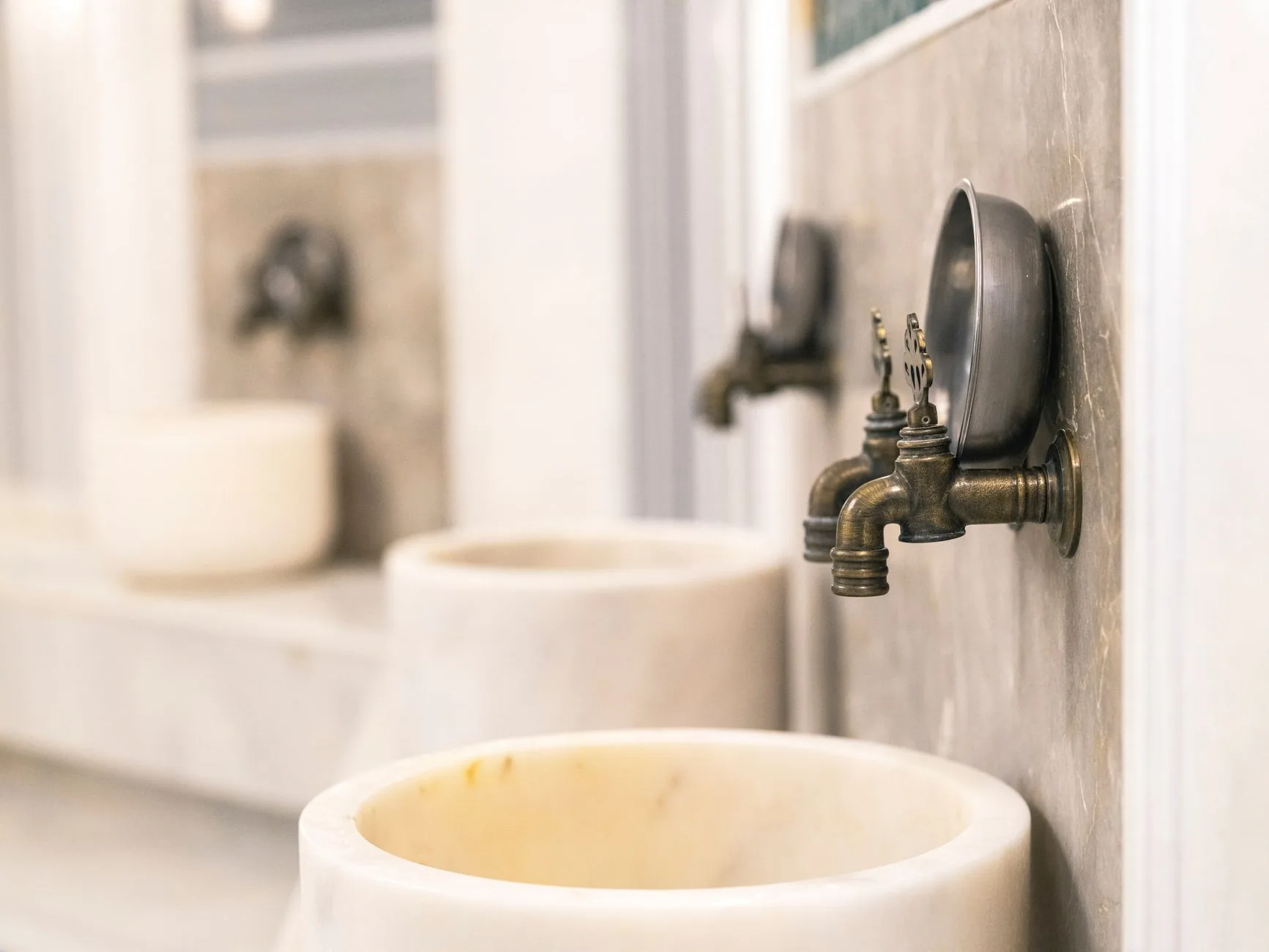
The hammam (Turkish: hamam) is one of the most influential bathing traditions in the world, both for the architectural form it developed and for the social role it played across the Ottoman Empire and the broader Islamic world. The hammam's origin lies in the Roman balneum tradition — the Byzantines maintained public bathhouses in Constantinople — but the Ottoman refinement of the form created something architecturally and culturally distinct: a sequence of rooms at increasing temperatures, domed ceilings pierced by star-shaped light apertures, marble platforms (göbek taşı) for body washing and massage, and a cold room (soğukluk) for recovery and socializing. The classic hammam sequence involves undressing and resting in the warm room (ılıklık), entering the hot room (hararet) for sweating on the marble platform, receiving a vigorous scrub with a kese (exfoliation mitt) that removes layers of dead skin, a soap foam massage, and finally returning to the cool room for tea and rest. Istanbul alone contains over 60 historic Ottoman-era hammams, the most celebrated being the Çemberlitaş Hamamı (1584, designed by Mimar Sinan), the Cağaloğlu Hamamı (1741), and the Ayasofya Hürrem Sultan Hamamı (1556).
Hammam — Turkish Bath Traditionはトルコ・Nationwide — Ottoman Empire heritageに位置するトルコ式浴場。源泉温度は43℃の豊かな温泉水が湧き出る。泉水は中性に近い(pH約7.0)の泉質、蒸気浴 — ミネラル入浴なしを豊富に含むが特徴だ。ローマ時代から続く歴史的温泉地。垢すり(ケセ)・筋肉の弛緩・循環器系など多様な温浴療法が行われる。施設ではギョベックタシュ(大理石台での発汗)・垢すり(ケセ)・ケプック(石鹸泡マッサージ)などが体験できる。
Minerales
Minerals
ミネラル
| Steam bath — no mineral soaking | 0 mg/L |
Tratamientos
Treatments
トリートメント
Skin exfoliation (kese)Muscular relaxationCirculatoryRespiratory (steam)Stress Relief
Técnicas
Techniques
技法
Göbek taşı (marble platform sweating)Kese scrub (exfoliation)Köpük (soap foam massage)Cold room recovery
Patrimonio
La tradición del hammam se extendió por toda la extensión del Imperio otomano —desde los Balcanes hasta la península arábiga— y más allá, hacia Marruecos, Irán y Asia Central, adaptándose a los materiales y costumbres locales mientras mantenía la secuencia arquitectónica y ritual esencial. En Estambul, los grandes hammams imperiales fueron diseñados por el arquitecto imperial Mimar Sinan junto con mezquitas y palacios, como parte de una concepción unificada de la civilización urbana otomana. El Çemberlitaş Hamamı, construido en 1584 por orden de la sultana Nurbanu, es el hammam en funcionamiento continuo más antiguo de Estambul y uno de los ejemplos más refinados de la arquitectura otomana clásica.
Heritage
The hammam tradition spread across the full extent of the Ottoman Empire — from the Balkans to the Arabian Peninsula — and beyond into Morocco, Iran, and Central Asia, adapting to local materials and customs while maintaining the essential architectural and ritual sequence. In Istanbul, the great imperial hammams were designed by the imperial architect Mimar Sinan alongside mosques and palaces as part of a unified conception of Ottoman urban civilization. The Çemberlitaş Hamamı, built in 1584 on the orders of Nurbanu Sultan, is the oldest continuously operating hammam in Istanbul and one of the finest examples of classical Ottoman architecture.
文化財
ハマムの伝統は、バルカン半島からアラビア半島に至るオスマン帝国の全域、さらにはモロッコ、イラン、中央アジアにまで広がり、それぞれの土地の材料や慣習に適応しながらも、基本的な建築様式と儀礼の順序を保ち続けた。イスタンブルでは、壮麗な帝室ハマムが、モスクや宮殿とともに、オスマン都市文明の統一的な構想の一部として、宮廷建築家ミマール・スィナンによって設計された。1584年にヌールバヌ・スルタンの命により建てられたチェンベルリタシュ・ハマムは、イスタンブルで現在も継続して営業する最古のハマムであり、古典オスマン建築の最も優れた例の一つである。
Cultura
El hammam cumplía funciones no solo higiénicas, sino profundamente sociales en la sociedad otomana: era el principal espacio de socialización femenina en una sociedad que, por lo demás, restringía severamente la presencia pública de las mujeres. Las ceremonias del hammam nupcial (gelin hamamı), los baños de celebración de la circuncisión y los baños de purificación posparto eran eventos vitales centrales que se celebraban en el hammam. El oficio de tellak (asistente masculino de baño) y natır (asistente femenina) era un oficio respetado con su propia estructura gremial. El hammam aparece a lo largo de la literatura otomana y turca como escenario de revelación, romance, intriga política y comentario social.
Culture
The hammam served not only hygienic but deeply social functions in Ottoman society: it was the primary venue for women's socialization in a society that otherwise severely restricted women's public presence. Bridal hammam ceremonies (gelin hamamı), circumcision celebration baths, and post-childbirth purification baths were central life events conducted in the hammam. The profession of the tellak (male bath attendant) and natır (female attendant) was a respected trade with its own guild structures. The hammam appears throughout Ottoman and Turkish literature as a site of revelation, romance, political intrigue, and social commentary.
文化
ハマムは、オスマン社会において衛生的な機能だけでなく、極めて重要な社会的機能も果たしていた。それは、女性の公的な存在が厳しく制限されていたこの社会において、女性の社交の主要な場であった。花嫁のハマム儀式(ゲリン・ハマム)、割礼祝いの入浴、そして出産後の清めの入浴は、ハマムで執り行われる人生の中心的な儀礼であった。テッラク(男性の浴場付き従者)とナトゥル(女性の従者)という職業は、独自の同業組合構造を持つ尊敬される職業であった。ハマムは、オスマン・トルコ文学全体を通じて、真実が明らかになる場、恋愛、政治的策謀、そして社会批評の舞台として登場する。
Sostenibilidad
Los hammams otomanos históricos se calentaban mediante fuegos de leña bajo el sistema de suelo de mármol (hipocausto), una tecnología adaptada de la calefacción romana por suelo radiante. Muchos hammams turcos contemporáneos se han convertido a calefacción de gas o eléctrica, manteniendo al mismo tiempo la infraestructura de mármol original. La Red de Ciudades Creativas de la UNESCO ha reconocido el patrimonio inmaterial del hammam de Estambul dentro de su marco más amplio de patrimonio cultural.
Sustainability
Historic Ottoman hammams were heated by wood fires beneath the marble floor system (hypocaust), a technology adapted from Roman underfloor heating. Many contemporary Turkish hammams have converted to gas or electric heating while maintaining the original marble infrastructure. The UNESCO Creative Cities Network has recognized Istanbul's intangible hammam heritage within its broader cultural heritage framework.
持続可能性
歴史的なオスマン様式のハマムは、大理石の床下(ハイポコースト)で薪を焚いて暖められており、これはローマの床暖房技術を応用したものであった。現代のトルコのハマムの多くは、オリジナルの大理石構造を維持しつつ、ガスや電気による加熱に転換している。ユネスコ創造都市ネットワークは、より広範な文化遺産の枠組みの中で、イスタンブルの無形のハマム遺産を認定している。
Otros manantiales en Turkey