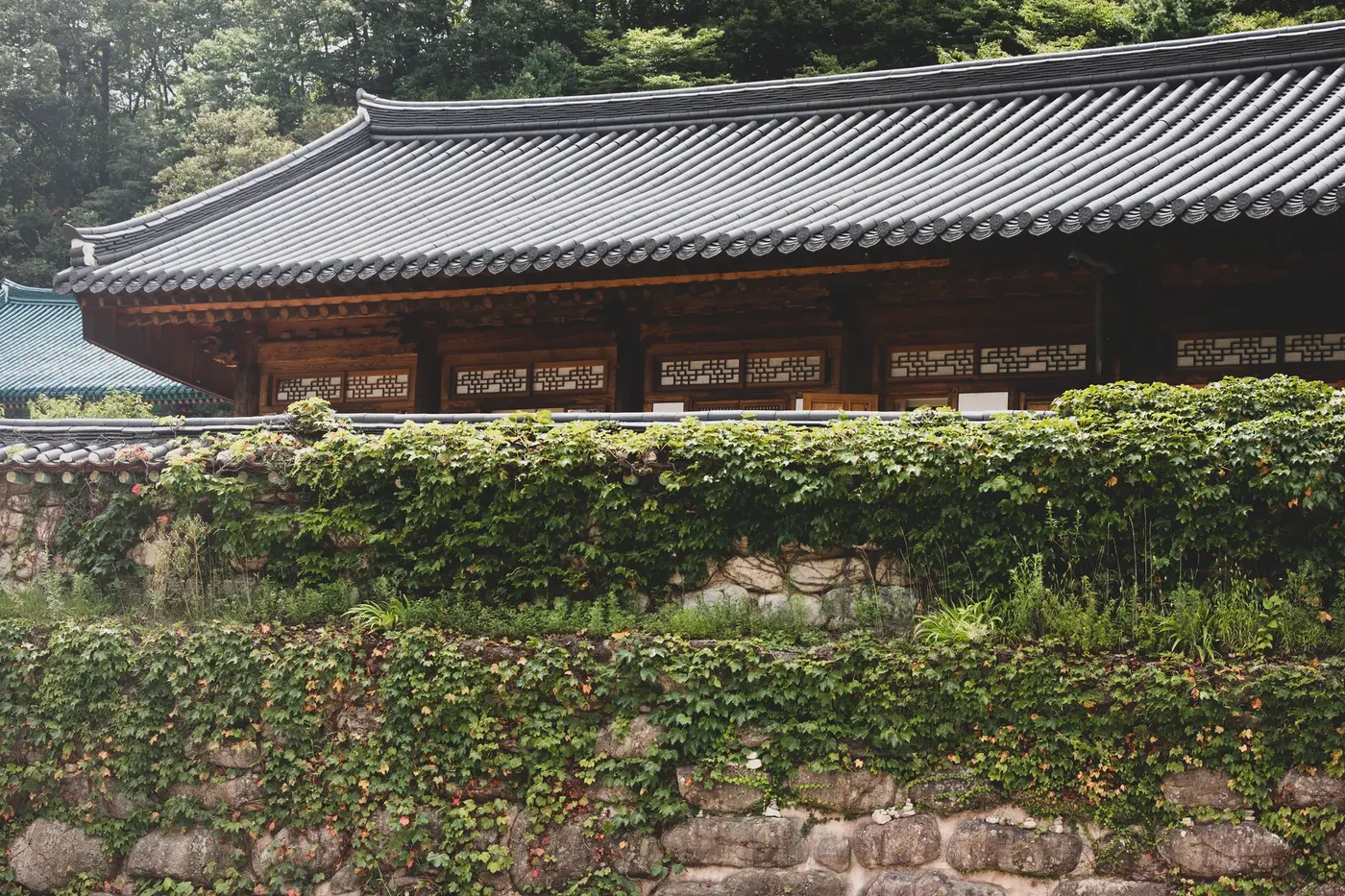
Manantiales / Jjimjilbang — Korean Bathhouse TraditionSprings / Jjimjilbang — Korean Bathhouse Tradition温泉・鉱泉 / Jjimjilbang — Korean Bathhouse Tradition
🌊 Caudal
N/A (cultural entry)
📅 Establecido
Saunas and public bathhouses (mogyoktang) documented from Joseon Dynasty (1392–1910); jjimjilbang format developed 1990s
🌊 Flow rate
N/A (cultural entry)
📅 Established
Saunas and public bathhouses (mogyoktang) documented from Joseon Dynasty (1392–1910); jjimjilbang format developed 1990s
📅 開設
Saunas and public bathhouses (mogyoktang) documented from Joseon Dynasty (1392–1910); jjimjilbang format developed 1990s
Korean BathSaunaCultural HeritageSteam Bath
✓ Verificado el 2026-07-22
✓ Verified on 2026-07-22
✓ 確認日 2026-07-22
El jjimjilbang (찜질방) es una de las instituciones sociales más distintivas de la cultura surcoreana: un establecimiento comunal de 24 horas que combina baño, sueño, alimentación y socialización. Incluye salas de baño segregadas con piscinas calientes y frías, salas de jjimjil mixtas calefaccionadas con piedras de infrarrojo, área de descanso donde los visitantes duermen en suelos calefaccionados con ropa de la instalación, y servicio de comida. El uniformar a todos los huéspedes crea una nivelación social deliberada.
The jjimjilbang (Korean: 찜질방, literally 'heated room') is one of the most distinctive social institutions in South Korean culture. Unlike a simple spa or gym sauna, a jjimjilbang is a multi-purpose communal facility that combines bathing, sleeping, eating, and socializing in a single 24-hour environment. A typical jjimjilbang includes: segregated bathing halls with hot, warm, and cold pools (mogyoktang); coed jjimjil rooms heated with infrared stones to different temperatures (including pine charcoal, clay, salt, and jade rooms); a large communal resting area where visitors sleep on heated floors in matching facility-issued shorts and t-shirts; a food service area selling eggs slow-cooked in the sauna heat, sikhye (rice drink), and Korean comfort food; and entertainment rooms with television, games, and internet access. The uniforming of all guests in matching clothing — regardless of social status or wealth — creates a deliberate social leveling that recalls the communal bath traditions of the pre-modern Korean peninsula. Jjimjilbang operate at all hours and serve as informal overnight accommodation for travellers, late-night workers, and anyone who misses the last subway. Major facilities in Seoul can accommodate hundreds of guests simultaneously.
Jjimjilbang — Korean Bathhouse Traditionは韓国・Nationwide — Korean Peninsulaに位置するサウナ。源泉温度は45℃の豊かな温泉水が湧き出る。泉水は中性に近い(pH約7.0)の泉質、成分が多様なミネラルプール・Infrared heat roomsを豊富に含むが特徴だ。1392年頃に発見された。皮膚(イタリアンタオル擦り)・循環器系・リラクゼーションなど多様な温浴療法が行われる。施設ではイタリアンタオル垢すり・赤外線加熱ルーム・温冷交代プールなどが体験できる。
Minerales
Minerals
ミネラル
| Variable mineral soaking pools | 0 mg/L |
| Infrared heat rooms (not water-based) | 0 mg/L |
Tratamientos
Treatments
トリートメント
Skin (Italy cloth scrub)CirculatoryRelaxationStress ReliefDetoxMuscular
Técnicas
Techniques
技法
Italy cloth exfoliation (때밀이)Infrared heated roomHot-cold pool sequenceFloor sleeping (heated ondol)
Patrimonio
La tradición coreana del baño comunitario se remonta al mogyoktang (baño público) de la dinastía Joseon, que cumplía funciones tanto higiénicas como sociales en una sociedad en la que el baño privado en el hogar era poco común. El sistema ondol (calefacción por suelo radiante), que calienta los pisos mediante fuego o, en los edificios modernos, mediante tuberías de agua caliente, es una de las tecnologías arquitectónicas más antiguas de Corea y constituye la base térmica de la cultura del sueño en los jjimjilbang. La integración de sauna, sueño y espacio social en una sola institución es una innovación específicamente coreana dentro de la tradición más amplia de las casas de baños asiáticas.
Heritage
The Korean tradition of communal bathing traces to the mogyoktang (public bathhouse) of the Joseon Dynasty, which served both hygienic and social functions in a society where private home bathing was rare. The ondol (underfloor heating) system — which heats floors using fire or, in modern buildings, hot water pipes — is one of Korea's oldest architectural technologies and forms the thermal basis of the jjimjilbang sleeping culture. The integration of sauna, sleep, and social space in a single institution is a specifically Korean innovation within the broader Asian bathhouse tradition.
文化財
韓国の共同入浴の伝統は、朝鮮王朝時代の「モギョクタン(公共浴場)」に遡る。これは、自宅での入浴がまれであった社会において、衛生的機能と社会的機能の両方を果たしていた。床を火、あるいは現代の建物では温水配管で暖める「オンドル(床暖房)」システムは、韓国最古の建築技術の一つであり、チムジルバンの「眠る文化」の温熱的な基盤を成している。サウナ、睡眠、社交の場を一つの施設に統合するという発想は、アジアの浴場文化全体の中でも韓国特有の革新である。
Cultura
El jjimjilbang se ha convertido en objeto de fascinación internacional como modelo de cómo un espacio público puede cumplir múltiples funciones sociales simultáneamente. El exfoliante con paño italiano ('때밀이', literalmente 'frotar la suciedad'), realizado por exfoliadoras profesionales (때밀이 아주머니), es una práctica específicamente coreana sin equivalente directo en otras tradiciones de baño: una vigorosa exfoliación de todo el cuerpo que elimina capas de piel y se considera profundamente terapéutica. Los jjimjilbang son uno de los pocos espacios públicos de la sociedad coreana donde la jerarquía por edad (jeong) se relaja temporalmente: es habitual ver a abuelos y adolescentes compartiendo el mismo espacio comunitario sin la formalidad que estructura la vida pública coreana.
Culture
The jjimjilbang has become a subject of international fascination as a model of how public space can serve multiple simultaneous social functions. The Italian cloth scrub ('때밀이' — literally 'rubbing off grime') performed by professional scrubbers (때밀이 아주머니) is a distinctively Korean practice with no direct equivalent in other bathing traditions: a vigorous full-body exfoliation that removes layers of skin and is considered deeply therapeutic. Jjimjilbang are among the few public spaces in Korean society where age hierarchy (jeong) temporarily relaxes — it is normal to see grandparents and teenagers in the same communal space without the formality that structures Korean public life.
文化
チムジルバンは、公共空間が同時に複数の社会的機能を果たしうるモデルとして、国際的な関心の対象となっている。専門の「あかすり師(때밀이 아주머니)」が行う「イタリータオル」を使った垢すり(때밀이、文字通り「垢をこすり落とす」の意)は、他の入浴文化には直接の類例のない、韓国特有の慣習である。全身を力強く角質除去するもので、皮膚の層を取り除き、深い治療効果があるとされている。チムジルバンは、韓国社会において年齢による序列(情/ジョン)が一時的に緩む数少ない公共空間の一つであり、祖父母世代と十代の若者が、韓国の公共生活を規定する形式張った作法なしに同じ共同空間を共有する光景は、ごく普通のことである。
Sostenibilidad
Muchos jjimjilbang utilizan tecnología de calefacción infrarroja de alta eficiencia energética. El modelo comunitario —cientos de personas compartiendo un único espacio climatizado— es inherentemente más eficiente energéticamente que las saunas privadas individuales. Los jjimjilbang modernos han adoptado paneles solares y sistemas de recuperación de calor en respuesta a los elevados costos energéticos.
Sustainability
Many jjimjilbang use infrared heating technology with high energy efficiency. The communal model — hundreds of people sharing a single heated space — is inherently more energy-efficient than individual private saunas. Modern jjimjilbang have adopted solar panels and heat recovery systems in response to high energy costs.
持続可能性
多くのチムジルバンは、エネルギー効率の高い赤外線暖房技術を採用している。何百人もの人々が一つの暖房空間を共有するという共同利用モデルは、個別のプライベートサウナよりも本質的にエネルギー効率が高い。現代のチムジルバンは、エネルギーコストの高騰を受けて、太陽光パネルや排熱回収システムを導入している。
Otros manantiales en South Korea
Other springs in South Korea