Manantiales / Loka BrunnSprings / Loka Brunn温泉・鉱泉 / Loka Brunn
📅 Establecido
1720 (spa town founded by Conrad Ribbing, governor of Örebro County; royal privileges granted 1759)
📅 Established
1720 (spa town founded by Conrad Ribbing, governor of Örebro County; royal privileges granted 1759)
📅 開設
1720 (spa town founded by Conrad Ribbing, governor of Örebro County; royal privileges granted 1759)
Ferruginous
✓ Verificado el 2026-07-31
✓ Verified on 2026-07-31
✓ 確認日 2026-07-31
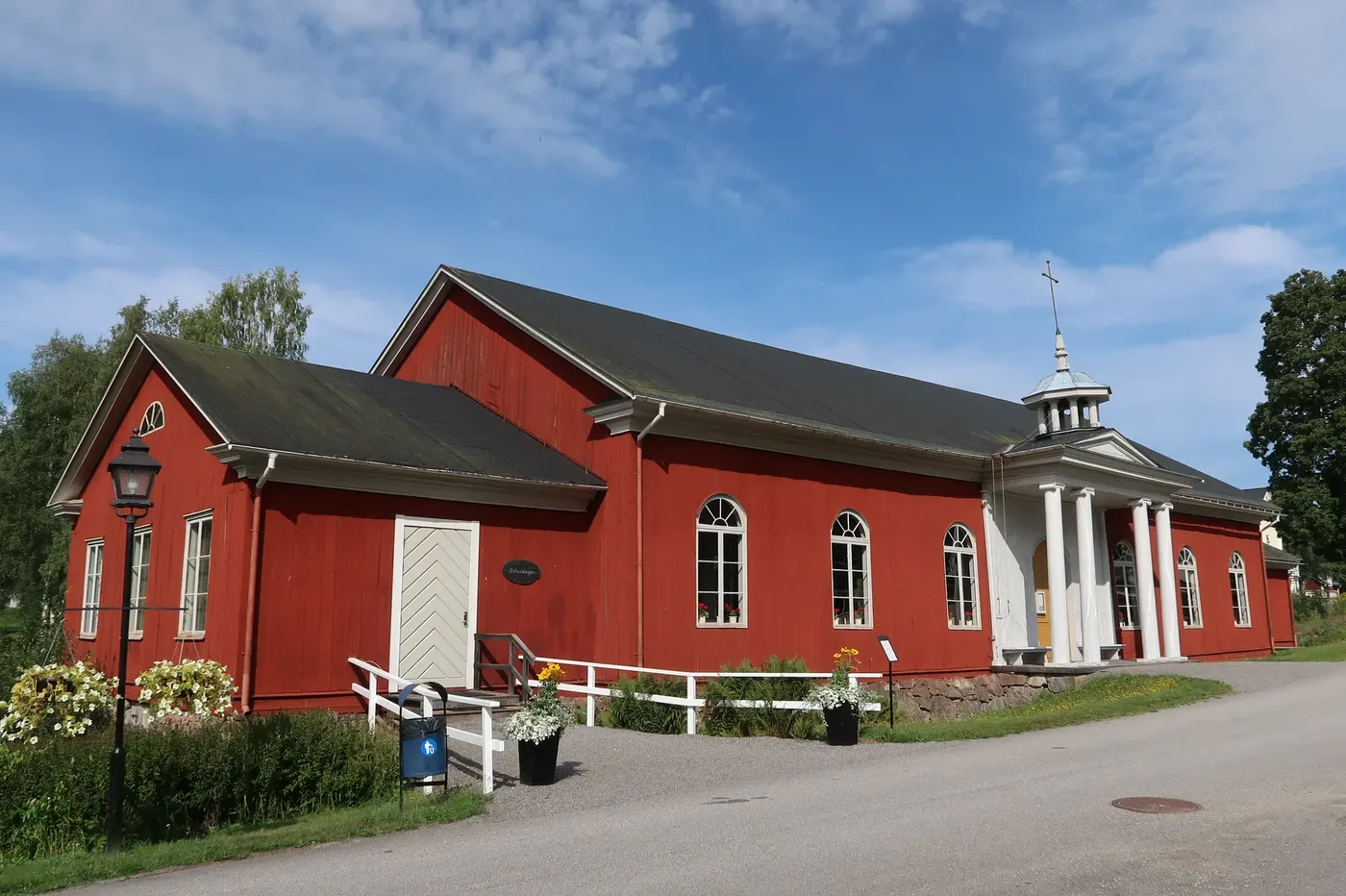
Loka Brunn se encuentra en un estrecho istmo entre los lagos Norra Loken y Södra Loken, en el municipio de Hällefors, en pleno corazón de la histórica región minera de hierro de Bergslagen, en el condado de Örebro. El manantial ferruginoso (rico en hierro) del lugar probablemente ya era conocido en la Edad Media, cuando se hallaba junto a una ruta de peregrinación hacia el santuario de San Olaf en Nidaros (Trondheim), pero su historia formal como balneario comienza en 1720, cuando el gobernador provincial Conrad Ribbing fundó una ciudad balneario en torno a la fuente y aseguró sus derechos mineros. Carl Linneo describió el manantial durante su viaje por la provincia en 1746, y Loka recibió después la visita de dos reyes, Adolfo Federico y Gustavo III, en la década de 1760. A lo largo del siglo XIX se convirtió en una de las "brunnsorter" más de moda de Suecia —la clásica institución nórdica de la ciudad balneario junto a un manantial—, donde los visitantes acudían a beber el agua rica en hierro y a tomar baños de barro para dolencias reumáticas, con el apoyo de un médico residente, una farmacia y un jardín de plantas medicinales. Hoy, el complejo de 54 edificios, propiedad de la familia cervecera Spendrup desde 2007, sigue funcionando como hotel balneario y destino de conferencias, y alberga el Museo Nacional del Balneario de Suecia (Sveriges Kurortsmuseum, inaugurado en 1995) en un conjunto de edificios restaurados del siglo XVIII.
Loka Brunn sits on a narrow isthmus between the lakes Norra Loken and Södra Loken in Hällefors Municipality, deep in the historic iron-mining region of Bergslagen, Örebro County. The site's ferruginous (iron-bearing) spring had likely been known since medieval times, when it lay along a pilgrim route to the shrine of Saint Olaf in Nidaros (Trondheim), but its formal history as a health resort begins in 1720, when provincial governor Conrad Ribbing established a spa town around the source and secured its mineral rights. Carl Linnaeus described the spring during his 1746 journey through the province, and Loka went on to receive two royal visitors, King Adolf Fredrik and Gustav III, in the 1760s. Through the 19th century it became one of Sweden's most fashionable "brunnsorter" — the classic Nordic institution of a spring-side cure town — where visitors came to drink the iron-rich water and take mud baths for rheumatic complaints, supported by a resident physician, pharmacy and medicinal garden. Today the 54-building resort, owned by the Spendrup brewing family since 2007, still operates as a spa hotel and conference destination, and houses Sweden's national Spa Museum (Sveriges Kurortsmuseum, opened 1995) in a cluster of restored 18th-century buildings.
ロカ・ブルンは、エレブルー県ヘレフォシュ自治体内、湖ノーラ・ローケンとセーデラ・ローケンに挟まれた細い地峡に位置し、鉄鉱業で知られる歴史的地域ベリスラーゲンの奥深くにある。この地の鉄分を含む鉱泉は中世からすでに知られていた可能性が高く、当時はニーダロス(トロンハイム)の聖オーラヴ廟へ向かう巡礼路沿いにあった。保養地としての正式な歴史は1720年、エレブルー県知事コンラード・リビングが泉の周囲に温泉町を築き、鉱業権を確保したことに始まる。カール・フォン・リンネは1746年の同地方への旅でこの泉について記述しており、ロカはその後1760年代にアドルフ・フレドリク国王とグスタフ3世という2人の国王の訪問を受けた。19世紀を通じて、鉄分豊富な水を飲み、リウマチの症状のために泥浴を行う滞在客が訪れる、スウェーデンで最も人気のある「ブルンソルテル」(泉のほとりの療養町という北欧の伝統的施設)のひとつとなり、常駐医師、薬局、薬草園も備えていた。今日、2007年からスペンドラップ醸造家が所有する54棟からなるこの施設は、スパホテルおよびカンファレンス施設として今も営業を続けており、復元された18世紀の建物群にはスウェーデン国立温泉博物館(スヴェリエス・クロートムセウム、1995年開館)が入っている。
Técnicas
Techniques
技法
Bathing
Patrimonio
Loka Brunn está reconocida como una de las ciudades balneario históricas clásicas de Suecia (brunnsorter), junto con Medevi (fundada en 1678) y Ramlösa, y sus edificios de madera de los siglos XVIII y XIX se conservan como conjunto patrimonial. El Museo Nacional del Balneario de Suecia funciona en el lugar, en cuatro edificios restaurados del siglo XVIII. El complejo también tiene una historia menos conocida del siglo XX como refugio: albergó a refugiados daneses y noruegos tras la Segunda Guerra Mundial y un campo de refugiados húngaros después del levantamiento de 1956.
Heritage
Loka Brunn is recognised as one of Sweden's classic historic spa towns (brunnsorter), alongside Medevi (founded 1678) and Ramlösa, and its 18th- and 19th-century wooden buildings are preserved as a heritage ensemble. Sweden's national Spa Museum operates on site in four restored 1700s buildings. The resort also carries a lesser-known 20th-century history as a refugee shelter, housing Danish and Norwegian refugees after the Second World War and a Hungarian refugee camp following the 1956 uprising.
文化財
ロカ・ブルンは、メデヴィ(1678年創設)やラムローサと並び、スウェーデンの伝統的な温泉町(ブルンソルテル)の代表格として認識されており、18~19世紀の木造建築群は歴史的資産として保存されている。敷地内には、復元された18世紀の建物4棟を使ってスウェーデン国立温泉博物館が置かれている。この施設にはあまり知られていない20世紀の歴史もあり、第二次世界大戦後にはデンマークとノルウェーからの難民を、1956年のハンガリー動乱後にはハンガリー難民キャンプを受け入れた。
Cultura
Como "brunnsort" sueco clásico, Loka Brunn encarnó la cultura europea de las ciudades balneario de los siglos XVIII y XIX conocida como "dricka brunn" —literalmente "beber del pozo"—, un ritual estacional de tomar las aguas, pasear entre tratamientos y socializar entre la aristocracia y las clases educadas que viajaban desde toda Suecia al complejo cada verano.
Culture
As a classic Swedish "brunnsort," Loka Brunn embodied the 18th- and 19th-century European cure-town culture of "dricka brunn" — literally "drinking the well" — a seasonal ritual of taking the waters, promenading between treatments, and socialising among the aristocracy and educated classes who travelled from across Sweden to the resort each summer.
文化
スウェーデンの伝統的な「ブルンソルト」として、ロカ・ブルンは18~19世紀のヨーロッパ療養町文化「ドリッカ・ブルン」(直訳すると「井戸を飲む」)を体現していた。これは季節ごとに湯治を行い、治療の合間に散策し、毎夏スウェーデン各地からこの保養地を訪れた貴族や教養階級の人々が社交する儀礼的な習慣であった。
Otros manantiales en Sweden