Manantiales / Piešťany SpaSprings / Piešťany Spa温泉・鉱泉 / Piešťany Spa
SulphurousSulphated
✓ Verificado el 2026-07-22
✓ Verified on 2026-07-22
✓ 確認日 2026-07-22
Piešťany es el balneario más renombrado de Europa Central, construido sobre una isla en el río Váh y conocido en todo el mundo por la excepcional calidad terapéutica de su barro sulforoso. El símbolo del balneario —un hombre rompiendo sus muletas— encarna la fama de la ciudad como lugar donde pacientes aquejados de trastornos reumáticos graves recuperan la movilidad. La isla balnearia alberga una de las colecciones arquitectónicas Art Nouveau más completas de Europa: hoteles, colonatas y establecimientos termales construidos entre 1912 y 1936 conservados prácticamente intactos. Napoleón mandó tratar aquí a sus generales heridos en Austerlitz.
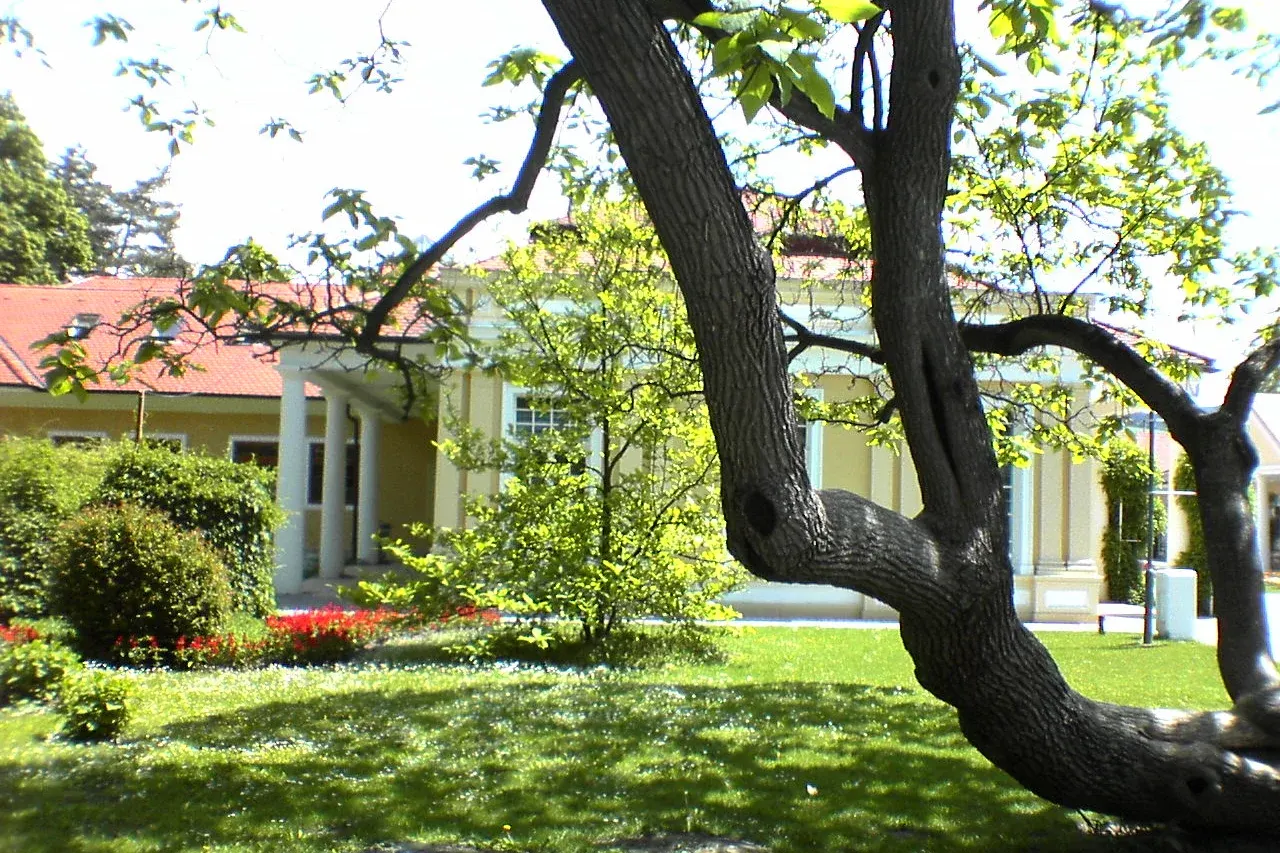
Piešťany is Central Europe's most renowned balneological resort, built on a Váh River island and famous worldwide for the therapeutic quality of its sulphurous mud. The town's symbol — a man breaking his crutches — represents the healing transformation achieved by patients who arrive on crutches and leave cured of rheumatic disorders. Piešťany's mud, mixed from the sulphurous spring water and sediment, has a unique lipid content that allows it to retain heat for extended periods, making it ideal for joint therapy. The spa island's architecture — Art Nouveau hotels, colonnades, and thermal establishments built in the 1910s–1930s — is among the finest preserved spa townscapes in Europe.
Piešťany Spaはスロバキア・Trnavaに位置する硫黄泉。源泉温度は69℃の豊かな温泉水が湧き出る。泉水は中性に近い(pH約7.2)の泉質、硫酸塩泉・カルシウム泉を豊富に含む、総溶解固形物1480 mg/Lが特徴だ。1642年創業。リウマチ療法・運動器障害・整形外科など多様な温浴療法が行われる。施設では泥療法・入浴・水治療法などが体験できる。
Minerales
Minerals
ミネラル
| Sulphate | 680 mg/L |
| Calcium | 290 mg/L |
| Magnesium | 108 mg/L |
| Sulphur (H₂S) | 12 mg/L |
| Bicarbonate | 245 mg/L |
Tratamientos
Treatments
トリートメント
RheumatologyLocomotor DisordersOrthopaedicsNeurologyRelaxation
Técnicas
Techniques
技法
Mud TherapyBathingHydrotherapyPhysiotherapy
Patrimonio
El primer registro escrito de las aguas terapéuticas de Piešťany data de 1642, aunque es probable que el manantial ya se utilizara en época prehistórica: se han encontrado herramientas de sílex neolíticas cerca del sitio. El balneario se desarrolló bajo el patronato de la familia noble Erdődy en los siglos XVII y XVIII, y alcanzó fama europea cuando los generales de Napoleón fueron tratados aquí tras la batalla de Austerlitz en 1805. La isla balnearia de estilo Art Nouveau se desarrolló bajo la gestión de la familia Winter entre 1889 y 1940.
Heritage
The first written record of Piešťany's therapeutic waters dates to 1642, though the spring was likely used in prehistoric times — Neolithic flint tools have been found near the spring site. The spa developed under the patronage of the Erdődy noble family in the 17th–18th centuries and achieved European fame when Napoleon's generals were treated here after the Battle of Austerlitz in 1805. The Art Nouveau spa island was developed under the Winter family management from 1889 to 1940.
文化財
ピエシュチャニの療養水に関する最初の文献記録は1642年にさかのぼるが、泉は先史時代からすでに利用されていた可能性が高く、泉の付近では新石器時代の石器が発見されている。この温泉保養地は17〜18世紀にエルデーディ貴族家の庇護のもとで発展し、1805年のアウステルリッツの戦いの後、ナポレオンの将軍たちがここで治療を受けたことでヨーロッパ中にその名声を得た。アール・ヌーヴォー様式の温泉島は、1889年から1940年までウィンター家の経営のもとで整備された。
Cultura
La cultura curativa de Piešťany se encarna en su símbolo icónico —el rompedor de muletas—, que se ha convertido en uno de los emblemas de sanación más reconocibles de Europa Central. Aquí se mantiene la tradición de la cura termal de larga estancia (de 4 a 6 semanas), a diferencia de la mayoría de los balnearios europeos, que han pasado a tratamientos de fin de semana. Pacientes de toda Europa, Oriente Medio y Rusia acuden para seguir el protocolo completo de Piešťany, creando una comunidad sanadora cosmopolita.
Culture
Piešťany's healing culture is embodied in its iconic symbol — the crutch-breaker — which has become one of Central Europe's most recognizable healing emblems. The tradition of long-stay thermal cure (4–6 weeks) is maintained here, unlike most European spas that have shifted to weekend treatments. Patients from across Europe, the Middle East, and Russia come for the full Piešťany protocol, creating a cosmopolitan healing community.
文化
ピエシュチャニの癒やしの文化は、そのシンボルである「松葉杖を折る像」に体現されており、中央ヨーロッパで最もよく知られる治癒の象徴のひとつとなっている。多くのヨーロッパの温泉保養地が週末型の治療に移行する中、ここでは4〜6週間に及ぶ長期滞在型の温泉療養の伝統が今も守られている。ヨーロッパ各地、中東、ロシアからの患者たちがピエシュチャニの完全な療養プログラムを受けに訪れ、国際色豊かな療養コミュニティを形成している。
Sostenibilidad
La ubicación en una isla del río Váh proporciona una protección hidrológica natural al acuífero del manantial. La administración del balneario de Piešťany realiza estudios geológicos anuales para monitorear la presión del manantial y su composición mineral. Los edificios termales históricos han sido renovados con aislamiento moderno para reducir el consumo energético, preservando al mismo tiempo las fachadas arquitectónicas protegidas. La extracción de lodo terapéutico está regulada mediante permisos que limitan los volúmenes anuales para garantizar la recuperación del acuífero.
Sustainability
The Váh River island setting creates natural hydrological protection for the spring aquifer. Piešťany's spa management conducts annual geological surveys to monitor spring pressure and mineral composition. The historic thermal buildings have been renovated with modern insulation to reduce energy consumption while preserving listed architectural facades. Mud harvesting is regulated by permits that limit annual volumes to ensure aquifer recovery.
持続可能性
ヴァーフ川に浮かぶ島という立地が、源泉の帯水層を自然に保護する役割を果たしている。ピエシュチャニの温泉保養地の運営当局は、源泉の圧力と鉱物成分を監視するため毎年地質調査を実施している。歴史的な温泉建築物は、保護指定を受けた外観を保ちながら、現代的な断熱材によって改修され、エネルギー消費の削減が図られている。泥の採取は許可制で規制されており、年間採取量が制限されることで帯水層の回復が確保されている。
Otros manantiales en Slovakia
Other springs in Slovakia