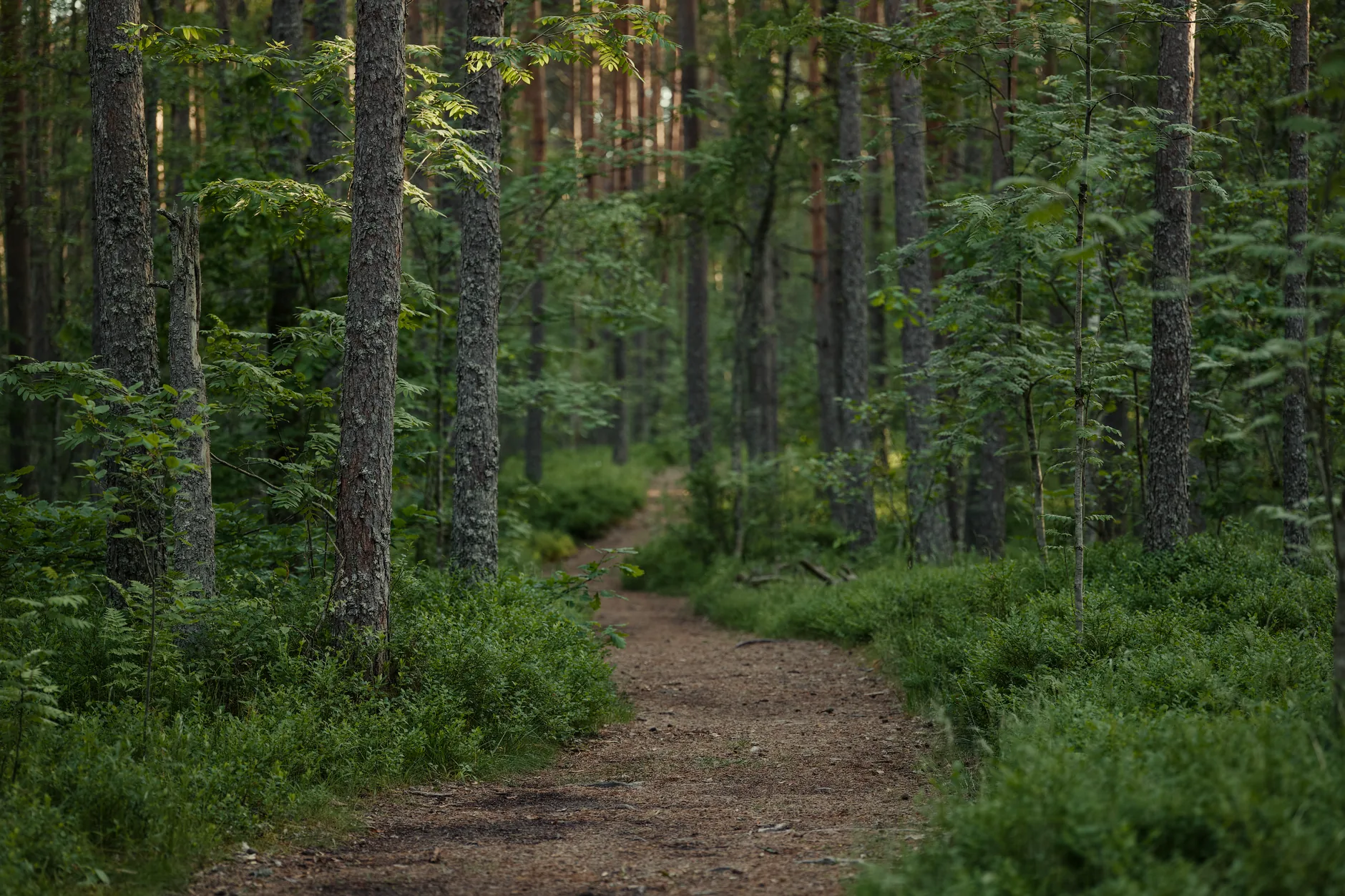
Manantiales / Shinrin-yoku — Forest BathingSprings / Shinrin-yoku — Forest Bathing温泉・鉱泉 / Shinrin-yoku — Forest Bathing
🌊 Caudal
N/A (forest wellness practice)
📅 Establecido
Term coined by Japanese Forestry Agency 1982; scientific research program established 1990
🌊 Flow rate
N/A (forest wellness practice)
📅 Established
Term coined by Japanese Forestry Agency 1982; scientific research program established 1990
🌊 流量
N/A (forest wellness practice)
📅 開設
Term coined by Japanese Forestry Agency 1982; scientific research program established 1990
Forest BathingWellness PracticeCultural Heritage
✓ Verificado el 2026-07-22
✓ Verified on 2026-07-22
✓ 確認日 2026-07-22
Shinrin-yoku (森林浴, literalmente 'baño de bosque') fue nombrado formalmente por la Agencia Forestal de Japón en 1982. El estudio científico documentó efectos fisiológicos medibles: reducción del cortisol, menor presión arterial y mayor actividad de células NK inmunitarias. Los fitoncidas — compuestos químicos aéreos liberados por los árboles — se consideran entre los principales agentes de estos efectos. Japón ha designado 62 Bases de Terapia Forestal con rutas certificadas para caminatas terapéuticas.
Shinrin-yoku (森林浴, literally 'forest bathing') was formally named by Japan's Forest Agency in 1982 as part of a national health initiative, but the underlying practice — slow, contemplative immersion in forest environments — draws on much older Japanese relationships with natural landscapes expressed through the aesthetic concepts of wabi-sabi, ma (negative space), and the Buddhist practice of kinhin (walking meditation). The scientific study of shinrin-yoku began in the 1990s under the researcher Qing Li, whose team at Nippon Medical School documented measurable physiological effects: reduced cortisol (stress hormone) levels, lower blood pressure, increased NK (natural killer) cell activity associated with immune function, and reduced adrenaline in subjects who spent extended time in forest environments compared to urban controls. The phytoncides — airborne chemical compounds released by trees including alpha-pinene, beta-pinene, and d-limonene — are thought to be among the primary agents of these effects. Japan has formally designated 62 Forest Therapy Bases (森林セラピー基地) and 48 Forest Therapy Roads across the country, each certified for therapeutic walking routes with documented ecological and atmospheric profiles. The practice has since spread globally and generated an international body of research.
Shinrin-yoku — Forest Bathingは日本・Nationwide — designated forest therapy trailsに位置する森林浴・ウェルネス。泉水はPhytoncides・森林の雰囲気 — 水治療なしを豊富に含むが特徴だ。1982年創業。ストレス軽減・免疫機能・血圧など多様な温浴療法が行われる。施設ではマインドフルウォーキング・感覚体験・瞑想的な休息などが体験できる。
Minerales
Minerals
ミネラル
| Phytoncides (airborne terpenes) | 0 mg/L |
| Forest atmosphere — no water treatment | 0 mg/L |
Tratamientos
Treatments
トリートメント
Stress ReductionImmune FunctionBlood PressureMental HealthRespiratory
Técnicas
Techniques
技法
Slow mindful walkingSensory immersionContemplative restForest bathing guide sessions
Patrimonio
La relación de Japón con el bosque como dominio espiritual y estético es antigua: el concepto sintoísta de 'satoyama' (el límite entre el bosque de montaña y el asentamiento humano) estructura la filosofía japonesa de gestión del territorio, y los bosques antiguos que rodean los santuarios sintoístas han sido protegidos como arboledas sagradas (chinju no mori) durante siglos. Los bosques de cedro de la isla de Yakushima —algunos árboles de más de 7000 años de antigüedad— y los bosques de sugi (cedro japonés) de Yoshino se encuentran entre los entornos boscosos más célebres de Asia.
Heritage
Japan's relationship with forest as a spiritual and aesthetic domain is ancient — the Shinto concept of satoyama (the boundary between mountain forest and human settlement) structures Japanese land management philosophy, and ancient forests surrounding Shinto shrines have been protected as sacred groves (chinju no mori) for centuries. The Yakushima Island cedar forests — some trees over 7,000 years old — and the sugi (Japanese cedar) forests of Yoshino are among the most celebrated forest environments in Asia.
文化財
日本における森林との精神的・美的な結びつきは古くから存在する。神道の「里山」という概念(山林と人間の定住地との境界)は、日本の土地管理思想を形作っており、神社を取り巻く古い森は「鎮守の森」として何世紀にもわたり守られてきた。屋久島の杉林―樹齢7000年を超える木もある―や、吉野の杉林は、アジアで最も名高い森林環境の一つに数えられる。
Cultura
El shinrin-yoku se ha convertido en un fenómeno global de bienestar, dando lugar a programas comerciales de baño de bosque, guías certificados (actualmente hay guías de shinrin-yoku formados en más de 60 países) y una considerable industria editorial. La práctica ha sido adoptada por los sectores de la salud mental y el bienestar corporativo, especialmente después de que la pandemia de COVID-19 intensificara el interés por las intervenciones de salud mental basadas en la naturaleza. AquaFonte incluye el shinrin-yoku como una tradición de bienestar relacionada con la cultura más amplia de los entornos de sanación natural.
Culture
Shinrin-yoku has become a global wellness phenomenon, generating commercial forest bathing programs, certified guides (there are now trained shinrin-yoku guides in over 60 countries), and a substantial publishing industry. The practice has been taken up by the mental health and corporate wellness sectors, particularly after the COVID-19 pandemic intensified interest in nature-based mental health interventions. AquaFonte lists shinrin-yoku as a wellness tradition related to the broader culture of natural healing environments.
文化
森林浴は世界的なウェルネス現象となり、商業的な森林浴プログラム、認定ガイド(現在では60か国以上で森林浴ガイドの養成が行われている)、そして相当規模の出版業界を生み出した。この実践は、特に新型コロナウイルス感染症の流行によって自然を基盤としたメンタルヘルス介入への関心が高まって以降、メンタルヘルスや企業のウェルネス分野に取り入れられている。アクアフォンテでは、森林浴を、自然の癒しの環境をめぐるより広範な文化に関連するウェルネスの伝統として掲載している。
Sostenibilidad
El shinrin-yoku requiere, por definición, ecosistemas forestales sanos e intactos. El sistema de designación de las Bases de Terapia Forestal en Japón incluye requisitos de monitoreo ecológico. La práctica es intrínsecamente de bajo impacto y genera valor económico a partir de bosques intactos, una alineación útil entre el turismo de bienestar y los incentivos para la conservación forestal.
Sustainability
Shinrin-yoku by definition requires healthy, intact forest ecosystems. The designation system for Forest Therapy Bases in Japan includes ecological monitoring requirements. The practice is intrinsically low-impact and generates economic value from intact forests — a useful alignment of wellness tourism and forest conservation incentives.
持続可能性
森林浴はその定義上、健全で手つかずの森林生態系を必要とする。日本における「森林セラピー基地」の認定制度には、生態系モニタリングの要件が含まれている。この実践は本質的に低影響であり、手つかずの森林から経済的価値を生み出す点で、ウェルネス観光と森林保全のインセンティブをうまく両立させている。
Otros manantiales en Japan