AquaFonte tiene 84 manantiales termales verificados en Japón, cada uno con ficha propia: temperatura, minerales, tratamientos y cómo llegar.
Guía completa: Onsens de Japón — Cultura, Protocolo y Mejores Destinos
Tipos de agua presentes
Manantiales
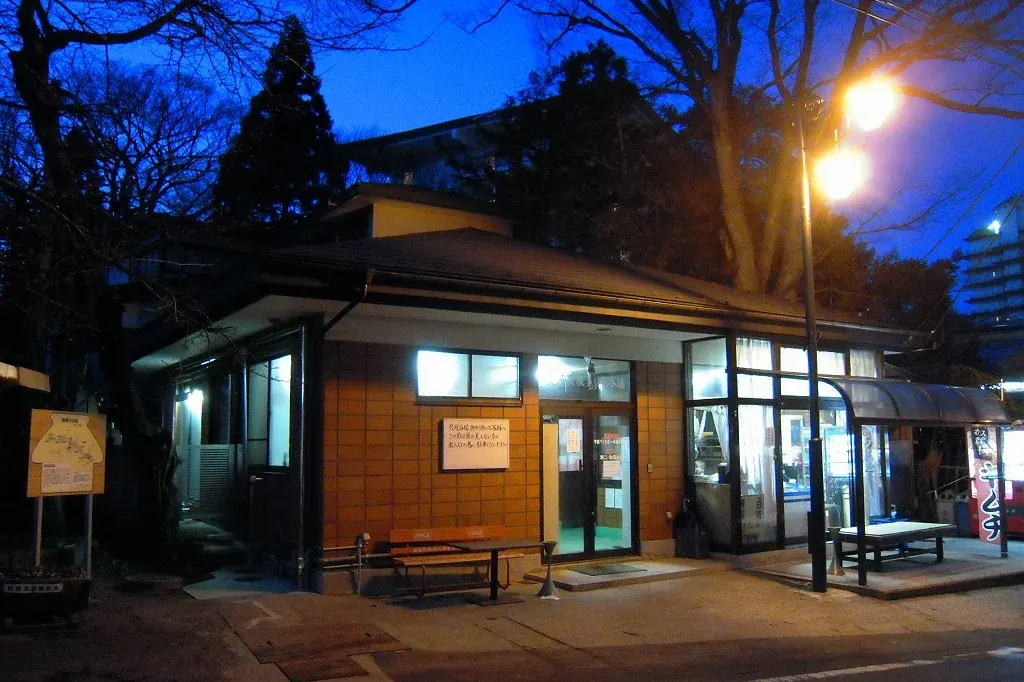
Akiu Onsen
Miyagi Prefecture, Tohoku · 45°C
One of Japan's three ancient imperial hot springs, used since the 6th century and favoured by the warlord Date Masamune — a chloride-bromide onsen in the forested Natori River valley 30 minutes from Sendai.
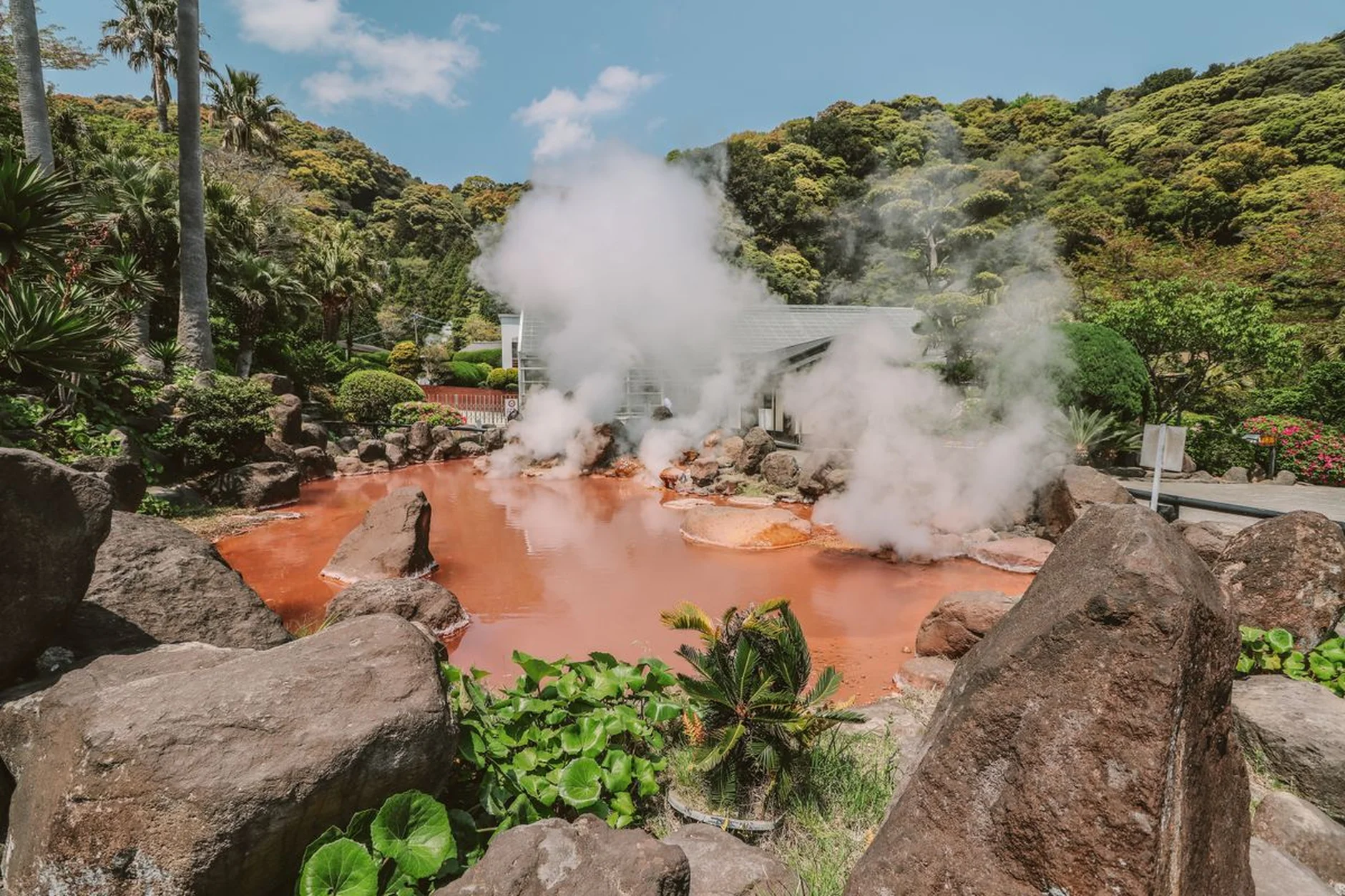
Arima Onsen
Hyogo · 99°C
Japan's oldest onsen resort with two legendary spring types — red iron-rich 'Kinsen' and clear 'Ginsen' — nestled in forested mountains 30 minutes from Kobe cruise port.
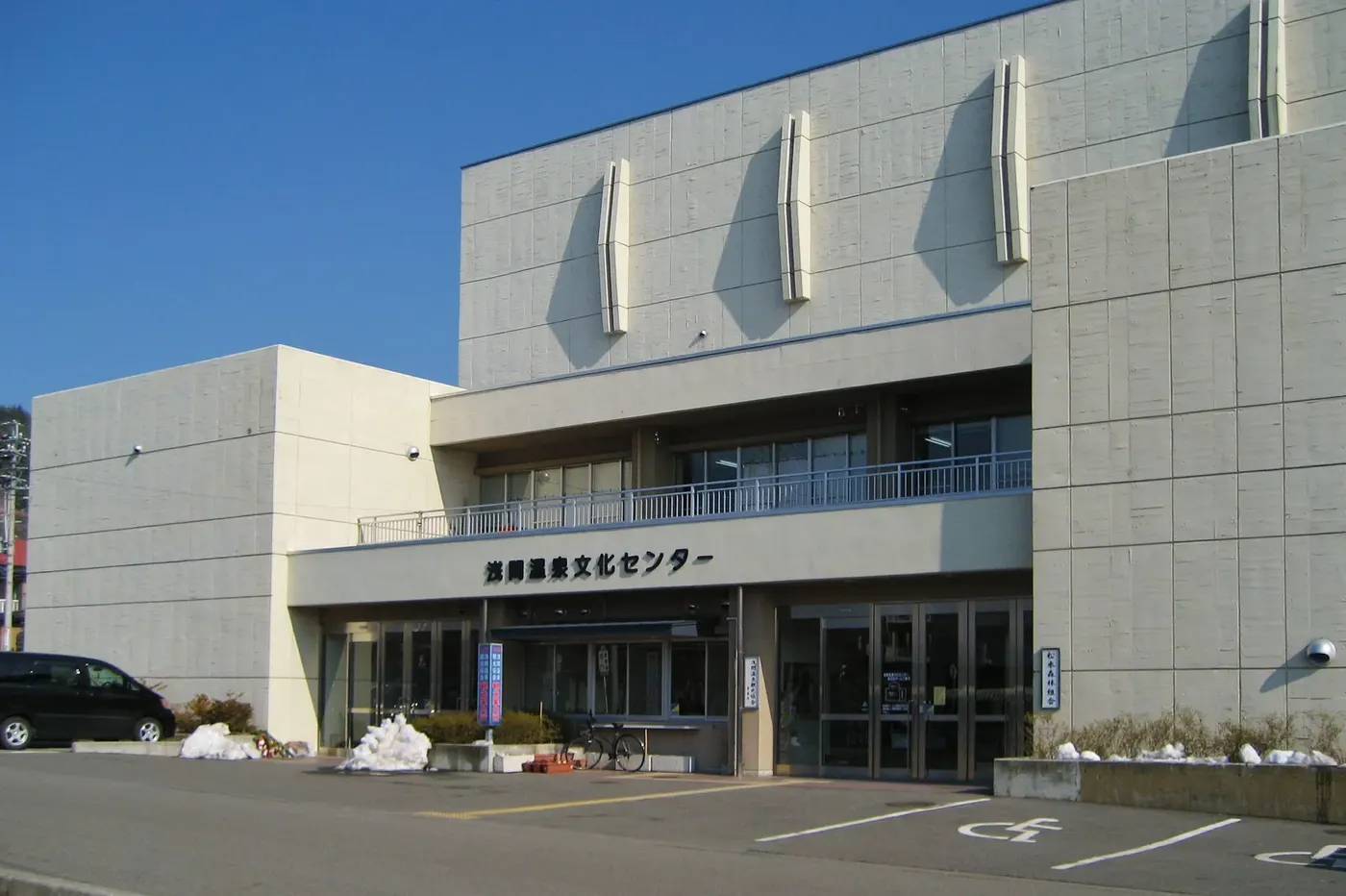
Asama Onsen
Matsumoto, Nagano Prefecture
A hot spring town 10 minutes from Matsumoto Castle, Nagano Prefecture, with recorded history reaching back to the 7th century.
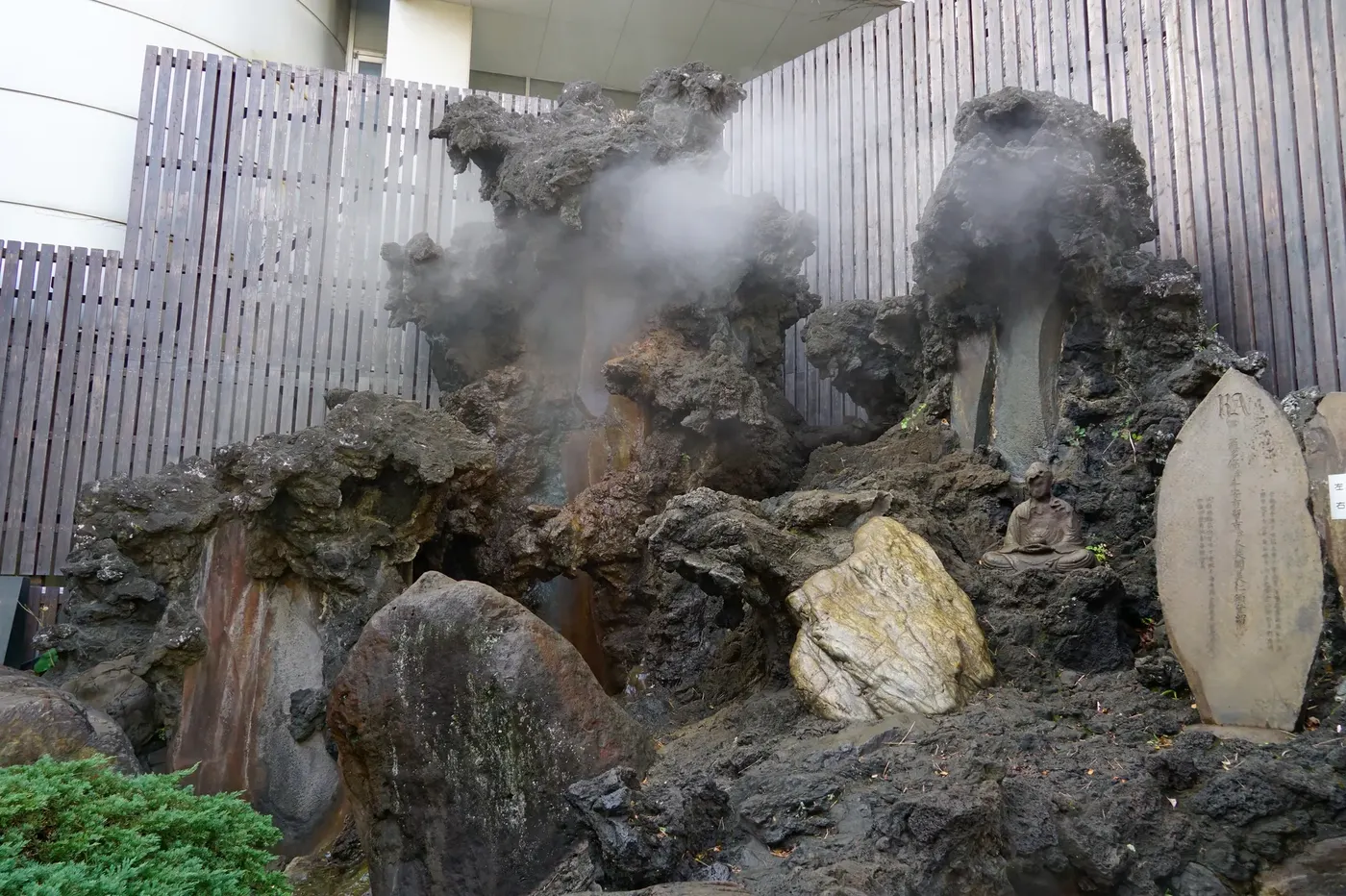
Atami Onsen
Atami, Shizuoka Prefecture, Izu Peninsula
A coastal hot spring town on Shizuoka's Izu Peninsula with over 1,300 years of recorded history, once favored by shogun Tokugawa Ieyasu and now home to several hundred individual spring sources.
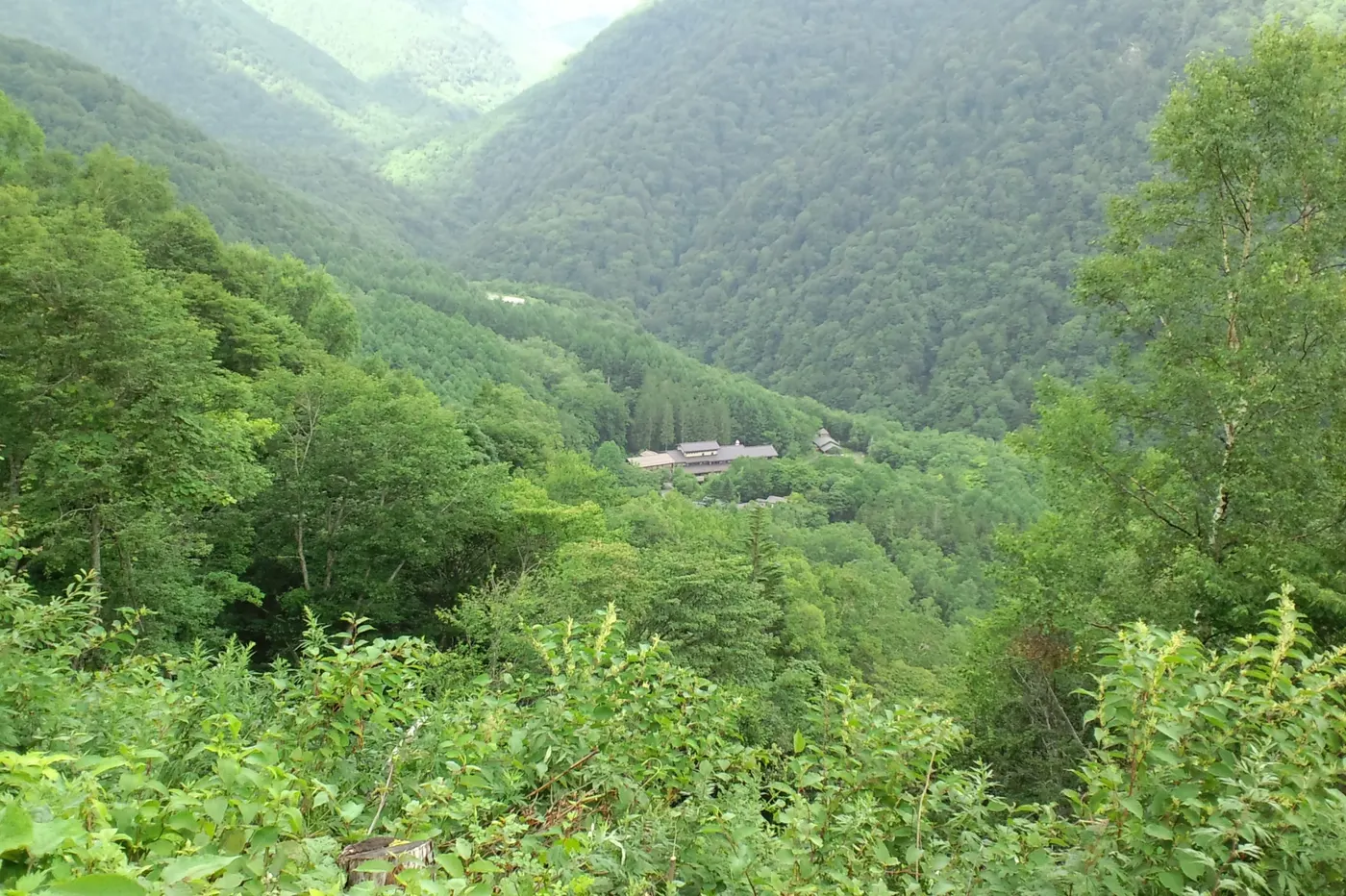
Awanoyu
Shirahone Onsen, Matsumoto, Nagano Prefecture, Chubu · 37°C
A ryokan founded in 1912 in Nagano's Shirahone Onsen, known for milky-white to cobalt-blue sulfur-bicarbonate spring water.
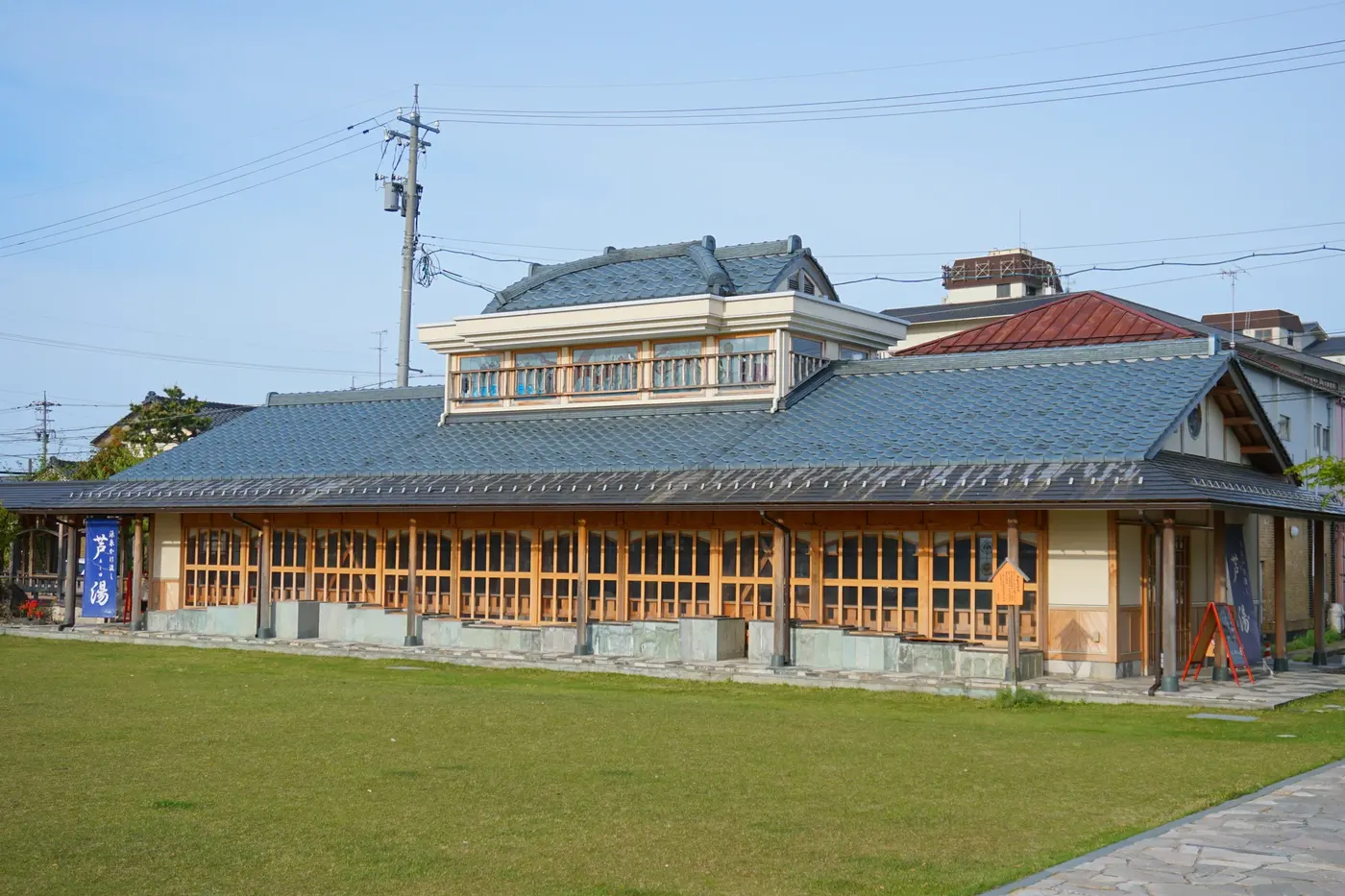
Awara Onsen
Fukui Prefecture, Hokuriku · 65°C
A saline onsen discovered by accident in 1883 when irrigation wells struck hot mineral water in the rice paddies of Fukui Prefecture — now a resort town of 30 ryokans drawing on 74 regulated wells.
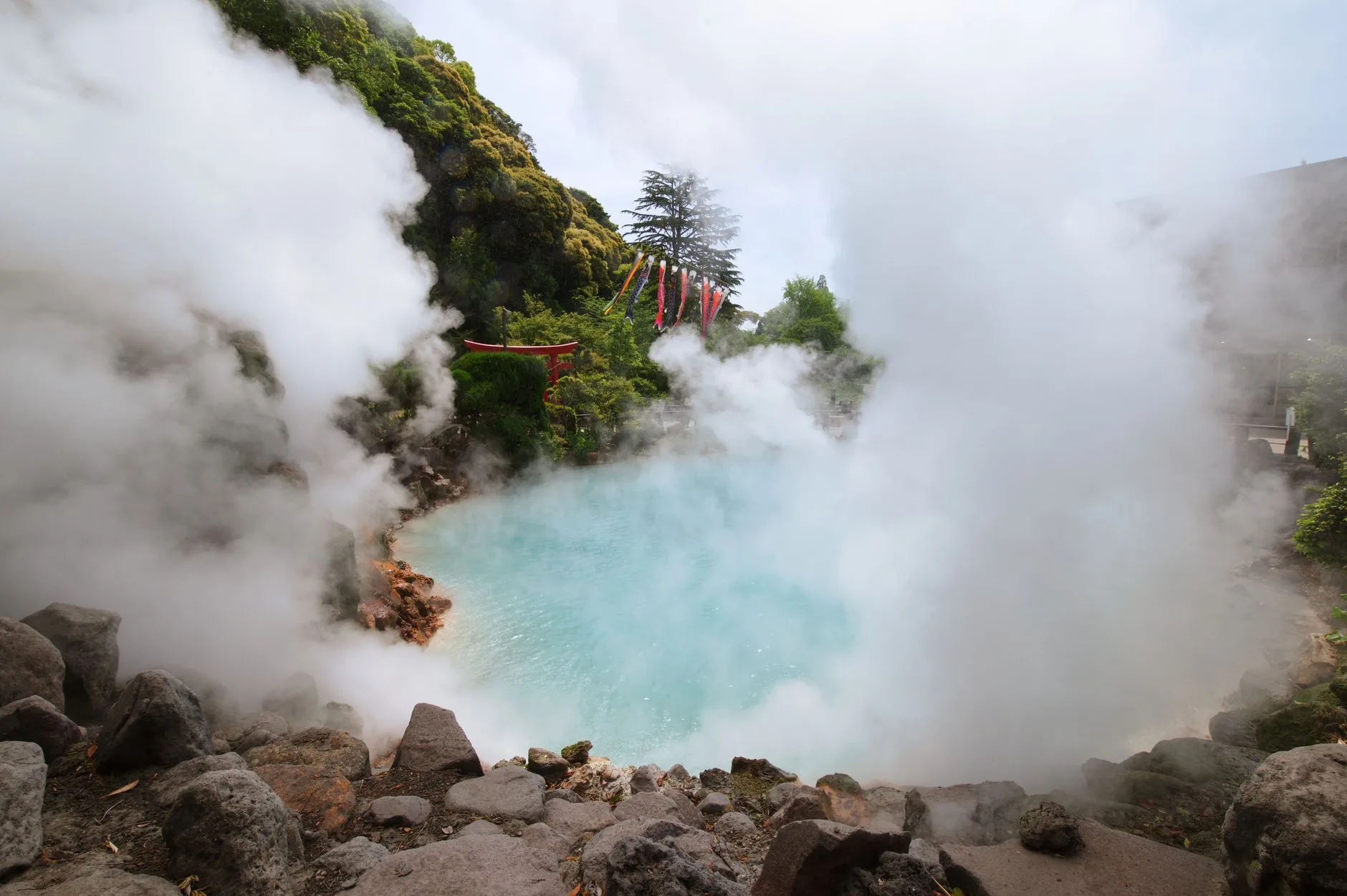
Beppu Onsen
Oita Prefecture, Kyushu · 55°C
Japan's most prolific hot spring region — the Eight Hells of Beppu produce more geothermal water than anywhere outside Yellowstone.
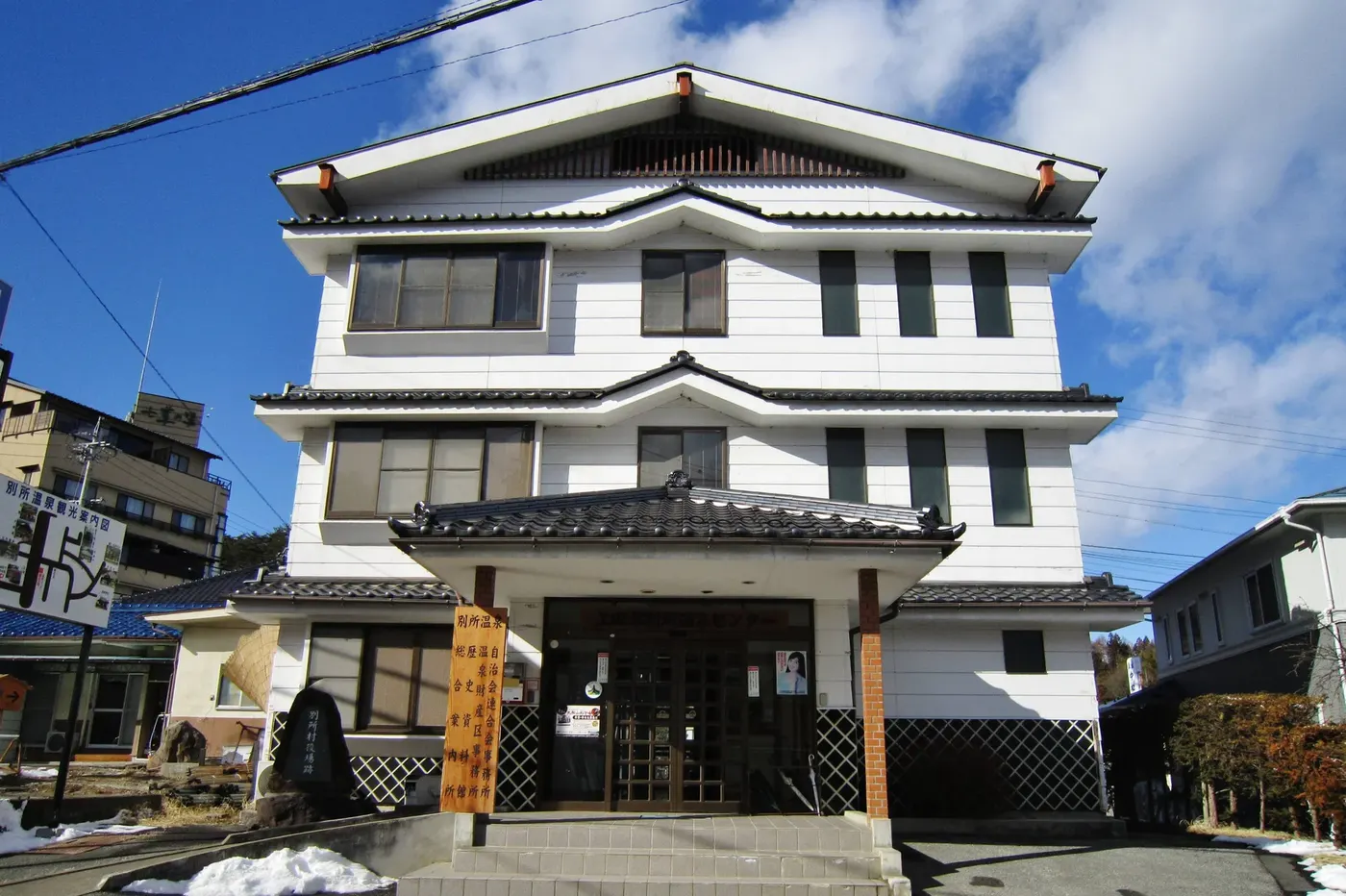
Bessho Onsen
Ueda, Nagano Prefecture
Nagano Prefecture's oldest hot spring town, nicknamed the 'Kamakura of Shinshu' for its temples.
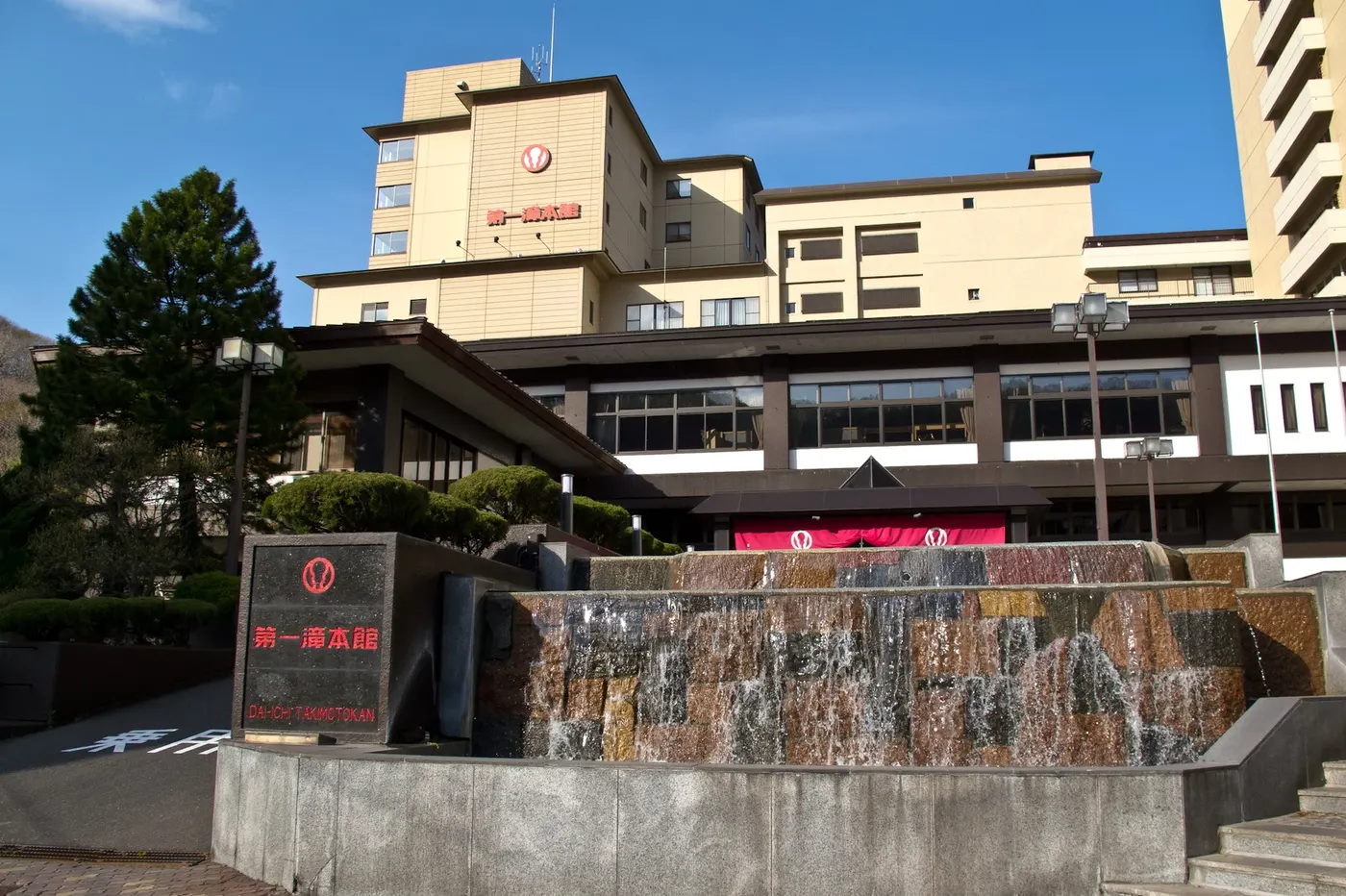
Dai-ichi Takimotokan
Noboribetsu Onsen, Hokkaido
The oldest hot spring inn in Noboribetsu Onsen, drawing on five different spring qualities across a 5,000-square-meter bathing complex next to Jigokudani (Hell Valley).
Dogo Onsen
Ehime · 43°C
Japan's oldest onsen, a 3,000-year-old communal bathhouse in Matsuyama said to have cured an injured heron, and the inspiration for Studio Ghibli's Spirited Away.
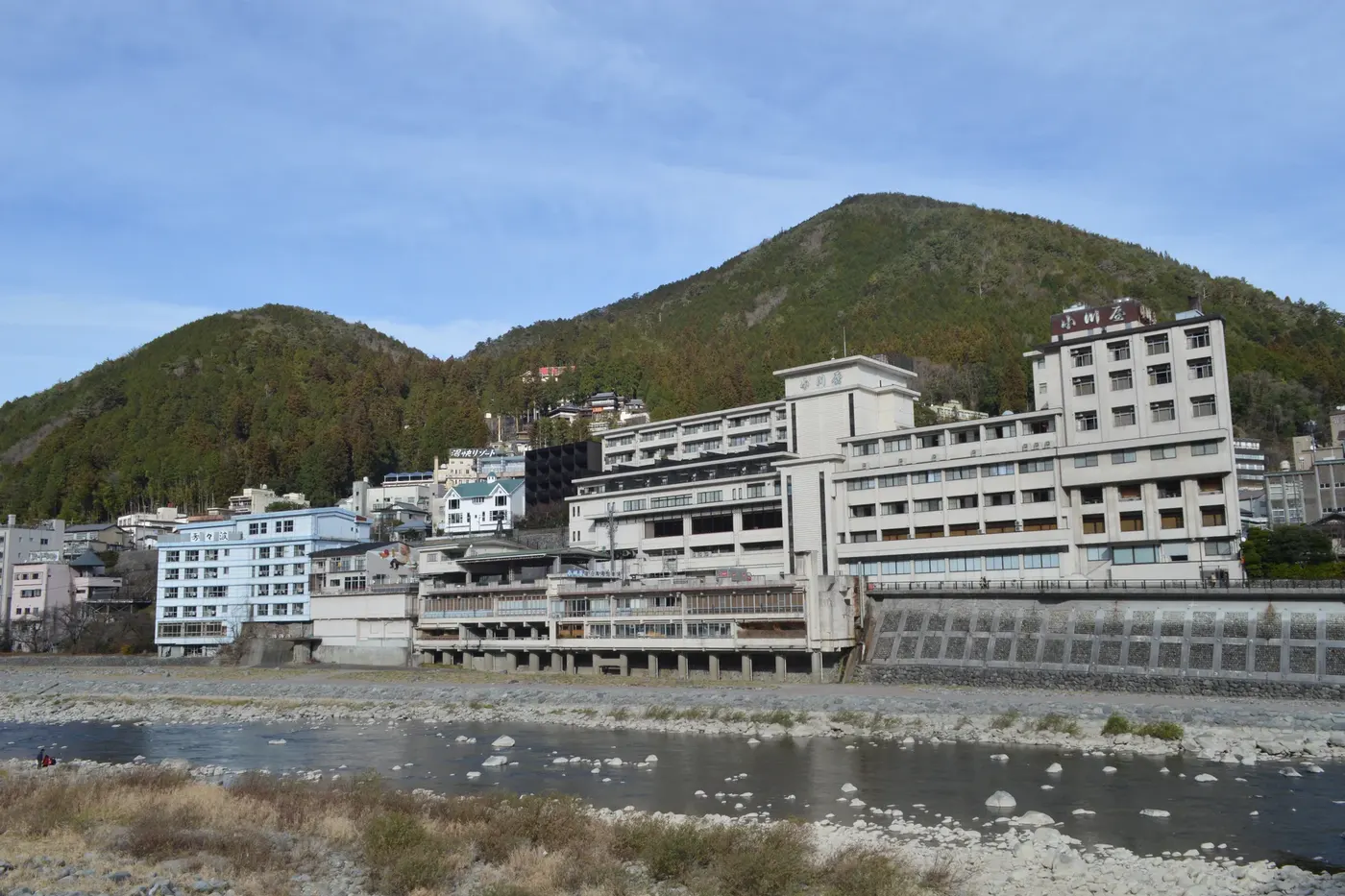
Gero Onsen
Gifu · 80°C
One of Japan's three great hot spring resorts, set in the Hida River valley of Gifu Prefecture, celebrated for its exceptionally smooth alkaline waters and compact riverside spa town.
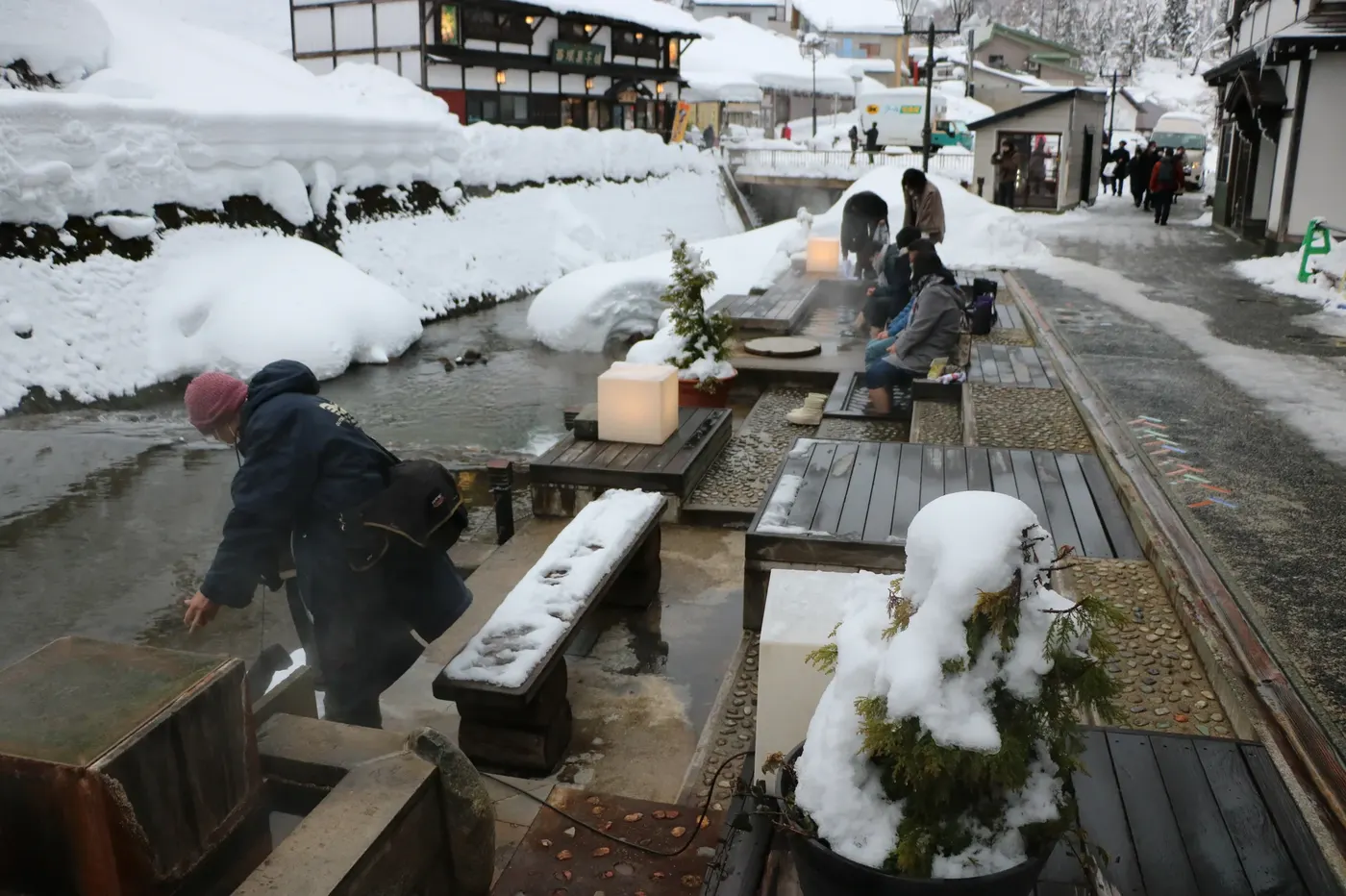
Ginzan Onsen
Yamagata · 48°C
A preserved Taisho-era onsen village in Yamagata's mountains, where gas-lit wooden ryokan line a narrow river gorge — one of Japan's most photographed winter landscapes.
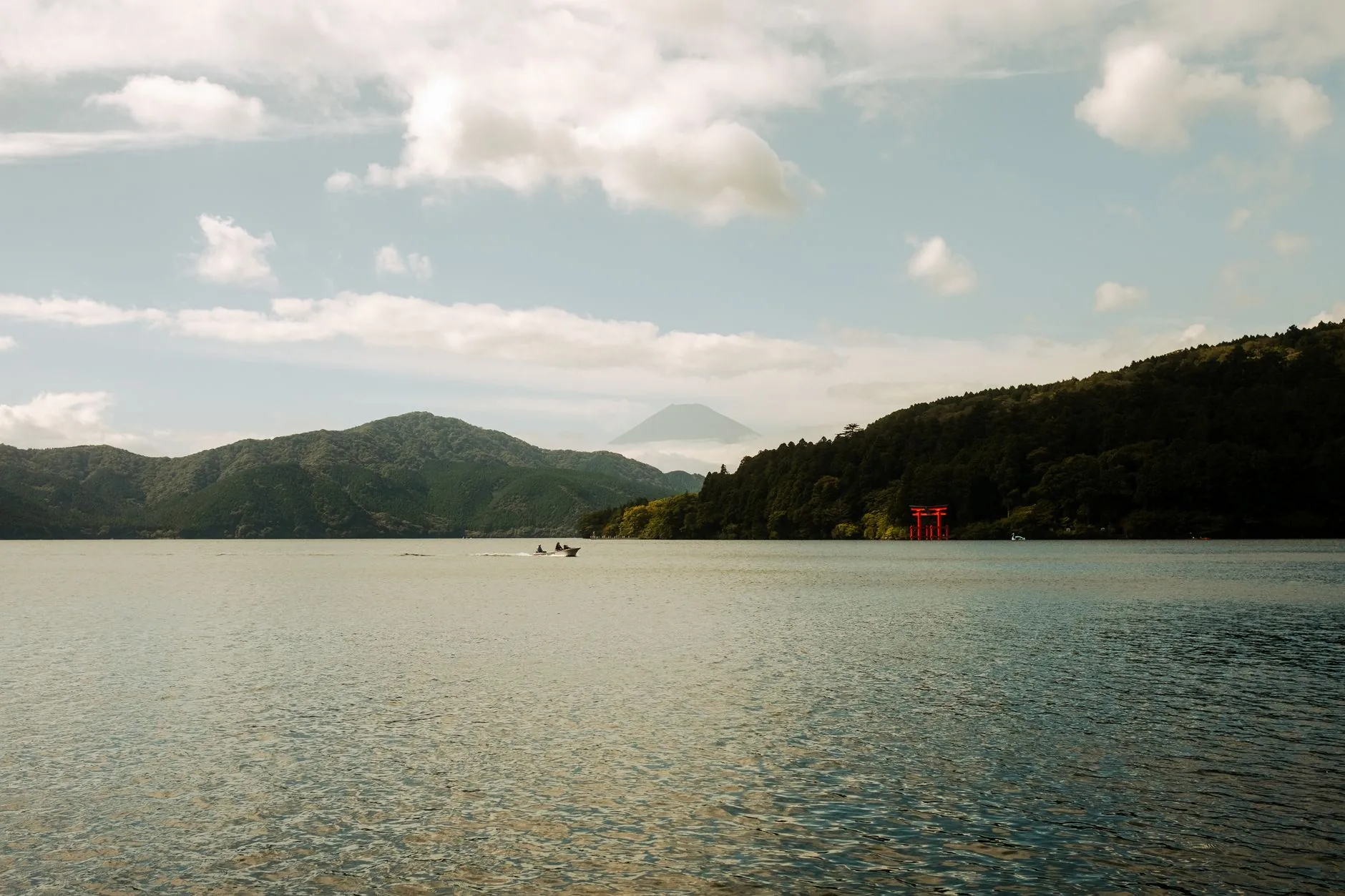
Hakone Onsen
Kanagawa · 72°C
Japan's most celebrated onsen destination at the foot of Mount Fuji, with 17 distinct spring types and ryokan culture dating to the 8th century, 90 minutes from Yokohama cruise port.
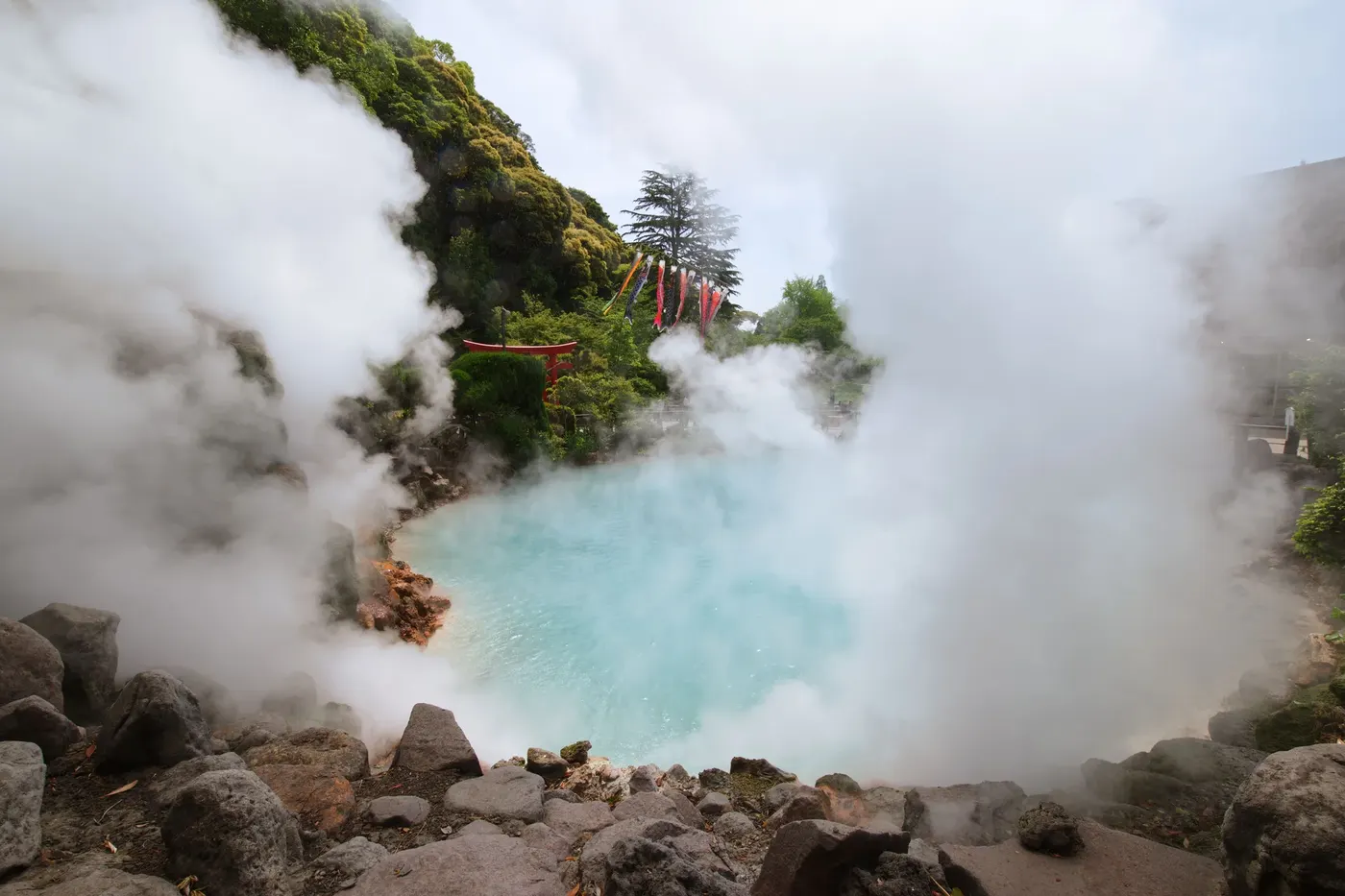
Hakone Yuryo
Tonosawa, Hakone, Kanagawa Prefecture
A day-trip hot spring facility styled as a traditional village, drawing on Tonosawa Onsen water, one of Hakone's historic Seven Springs.
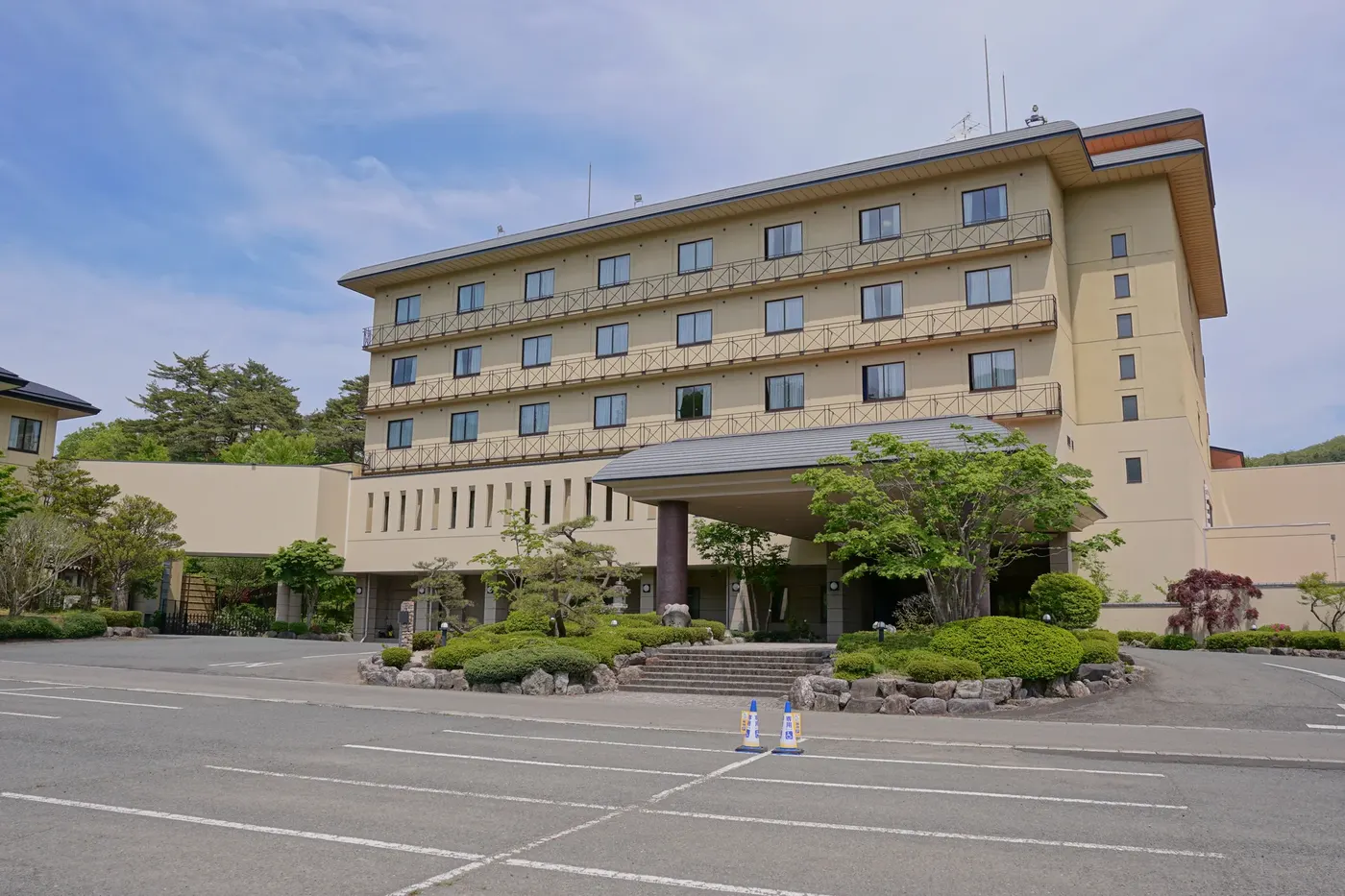
Hanamaki Onsen
Hanamaki, Iwate Prefecture
A planned spa resort founded in 1923 that anchors the wider Hanamaki hot spring valley of a dozen individual onsen in Iwate Prefecture, associated with writer Kenji Miyazawa.
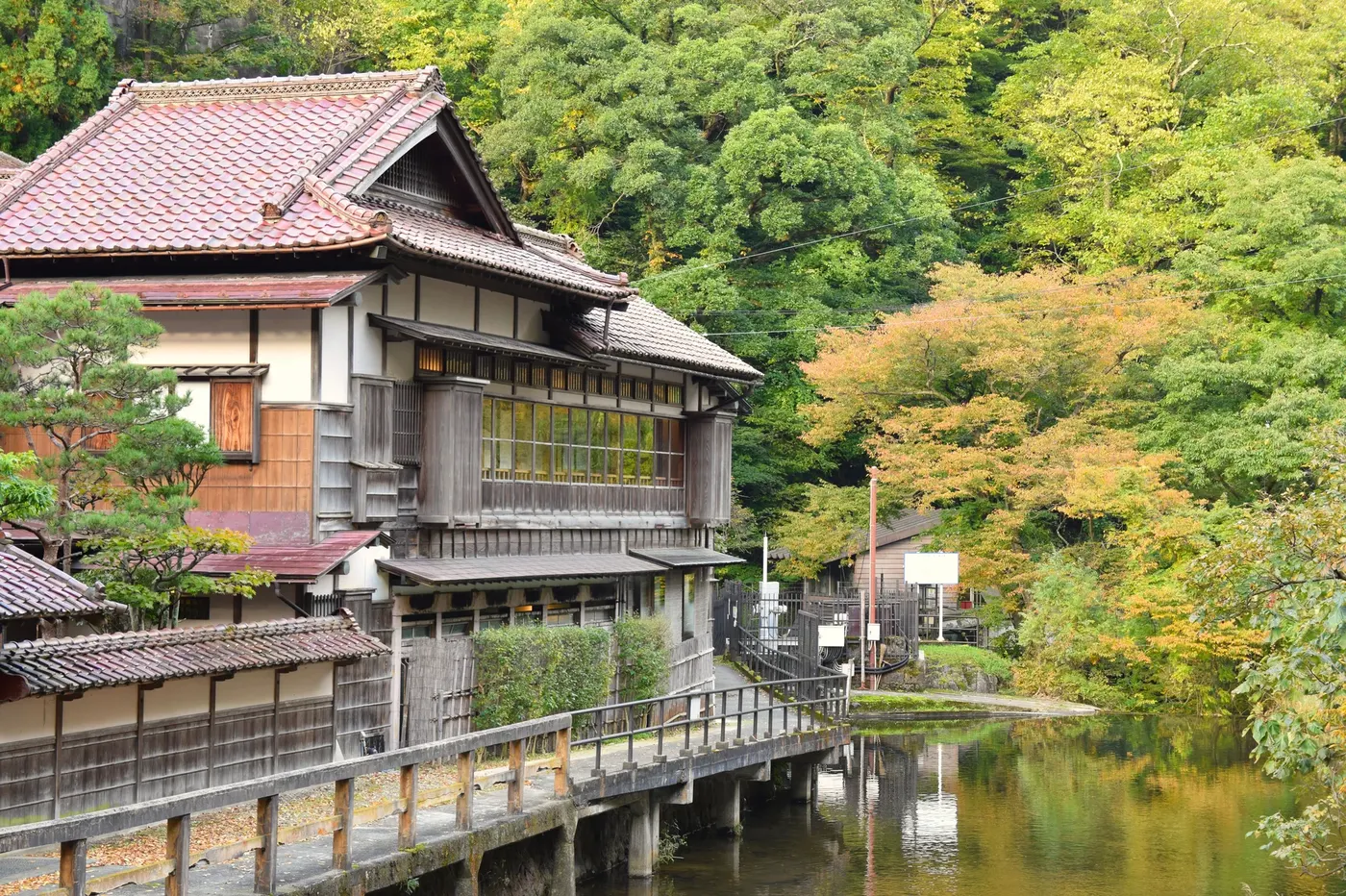
Higashiyama Onsen
Aizuwakamatsu, Fukushima Prefecture · 57.4°C
A historic hot spring resort along the Yu River in Aizuwakamatsu, Fukushima Prefecture, traditionally said to date to the 8th century.
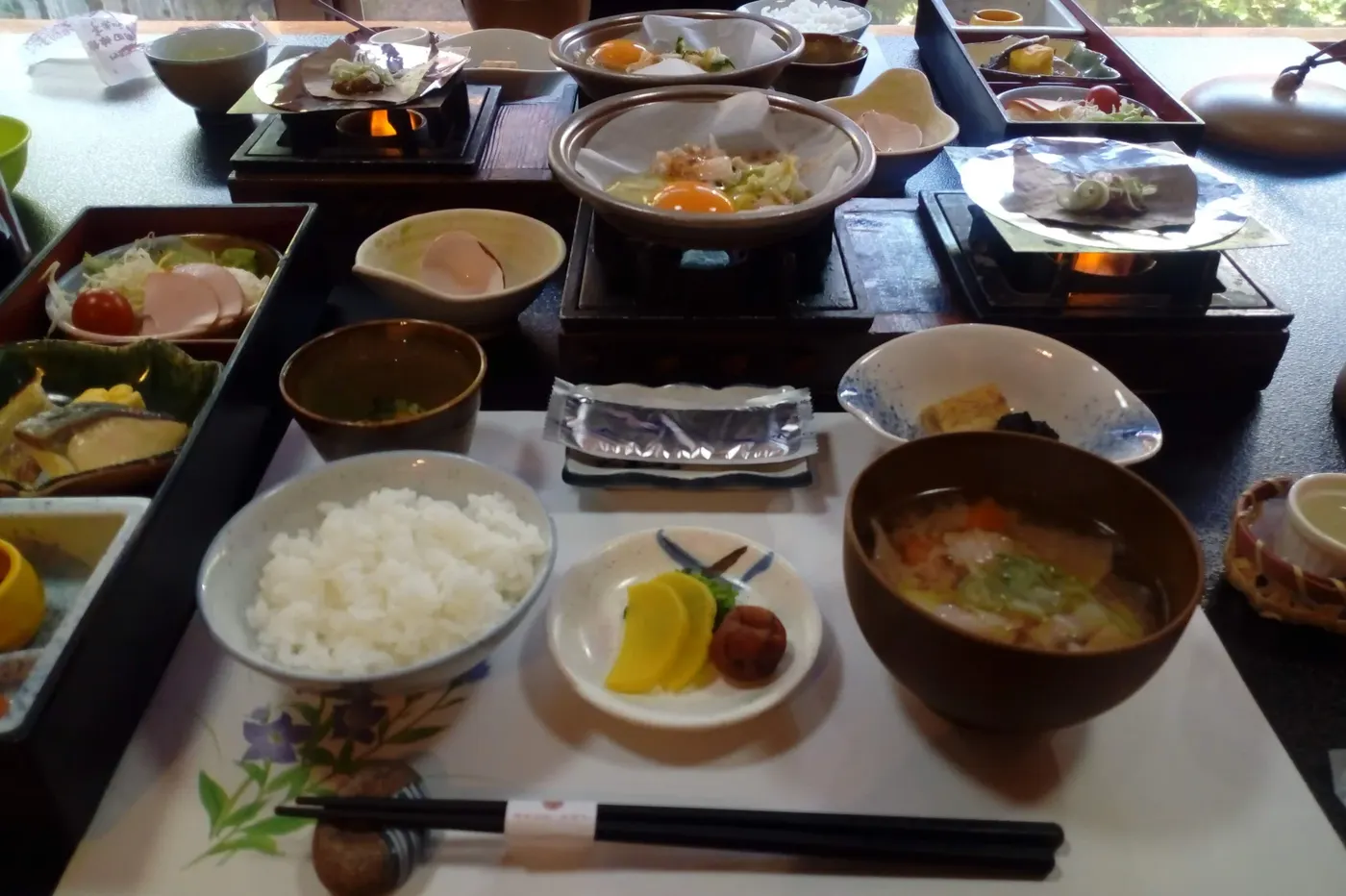
Hirayu no Mori
Okuhida Onsengo, Takayama, Gifu Prefecture · 67°C
A public bathing facility in Hirayu, the oldest and largest onsen village of the Okuhida hot spring region.
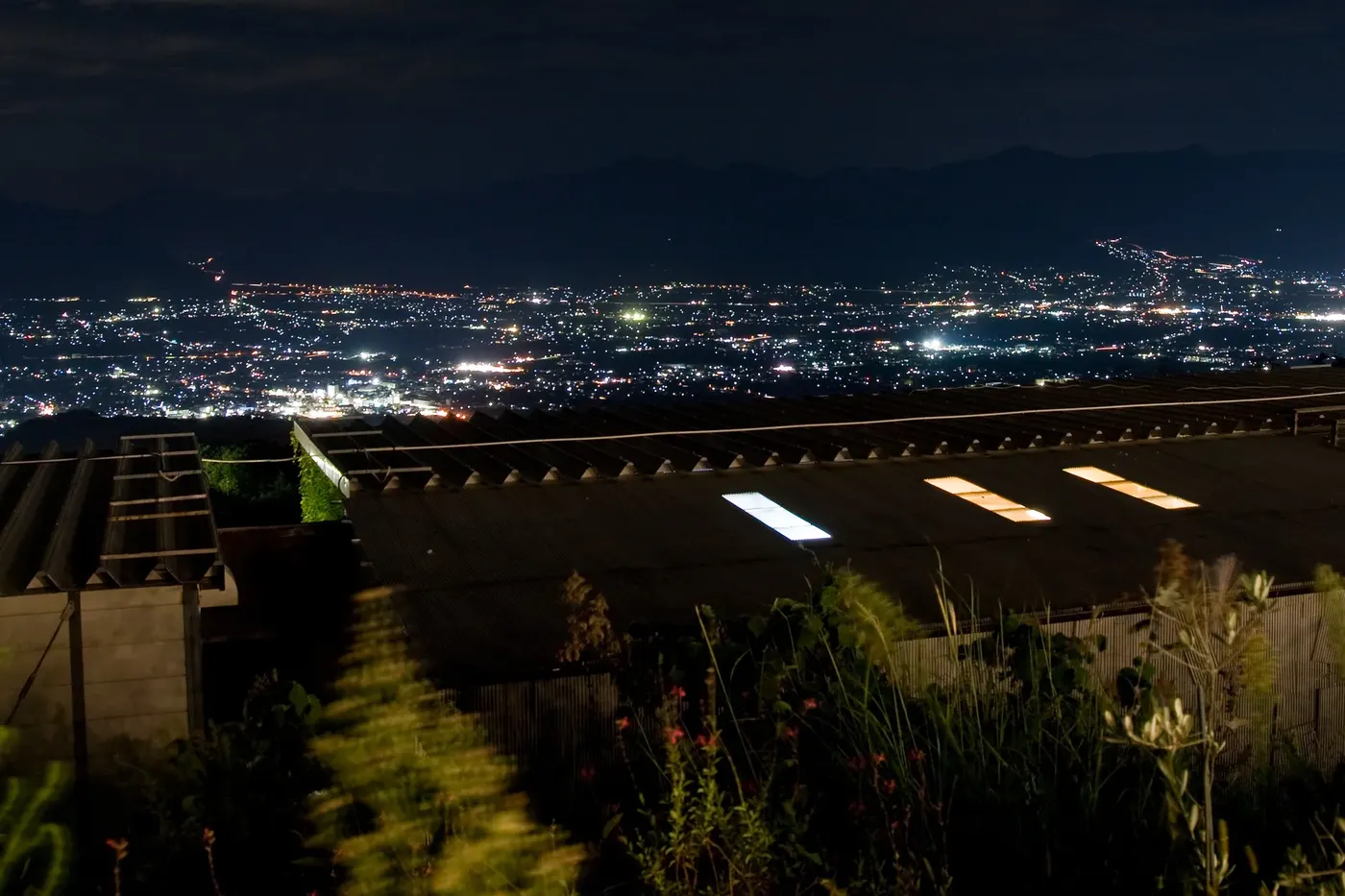
Hottarakashi Onsen
Yamanashi City, Yamanashi Prefecture
A hillside bathhouse at 700 meters above Yamanashi City famous for panoramic, unobstructed views of Mount Fuji and the Kofu Basin from its alkaline open-air baths.
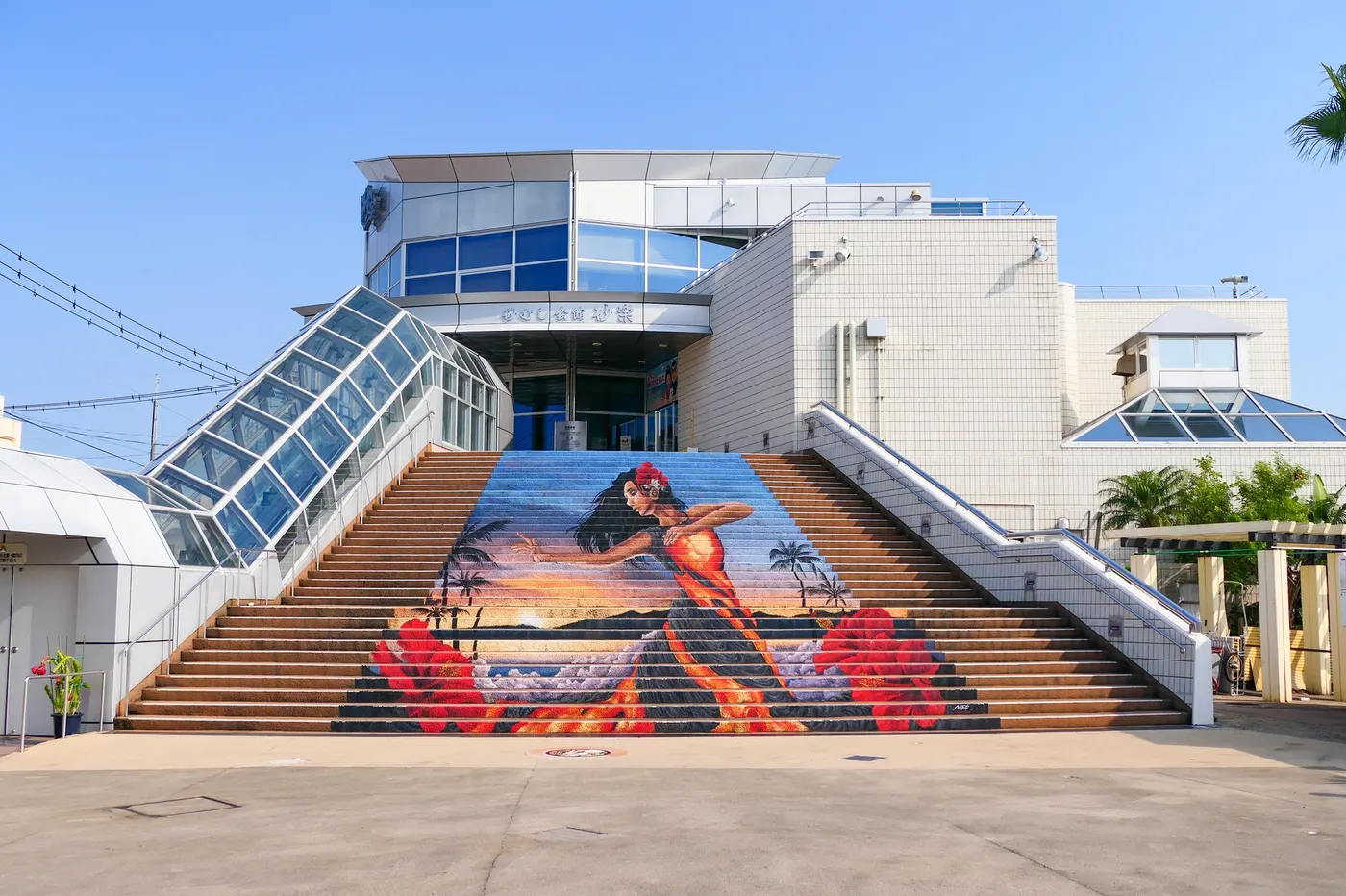
Ibusuki Onsen
Ibusuki, Kagoshima Prefecture, Kyushu
A coastal hot spring resort on Kagoshima's Satsuma Peninsula, famous for centuries-old volcanically heated sand baths (suna-mushi).
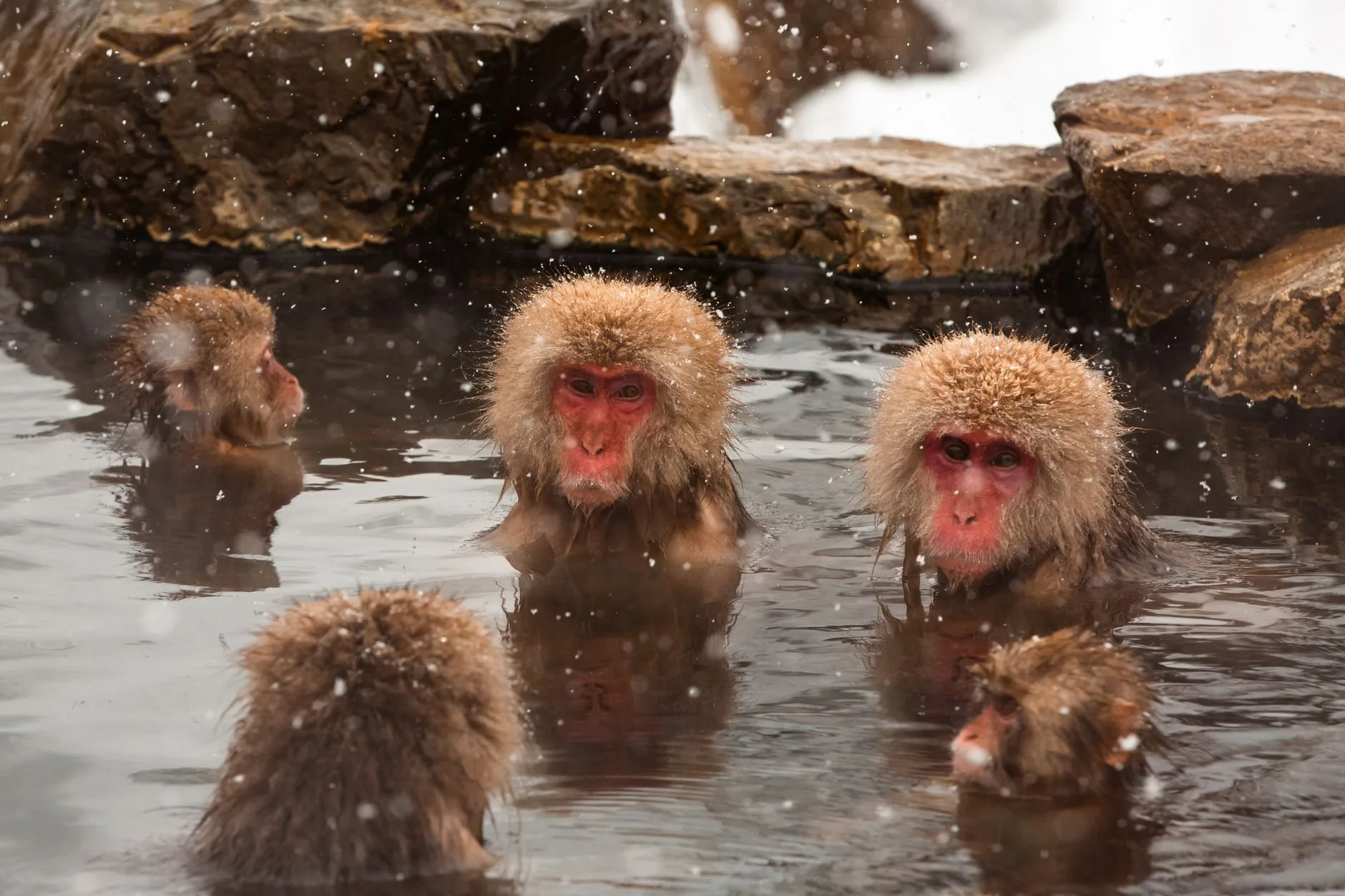
Ibusuki Sand Onsen
Kagoshima · 50°C
The only place in Japan where you are buried alive in naturally heated volcanic sand at 50°C on a black-sand beach, 45 minutes from Kagoshima cruise port.
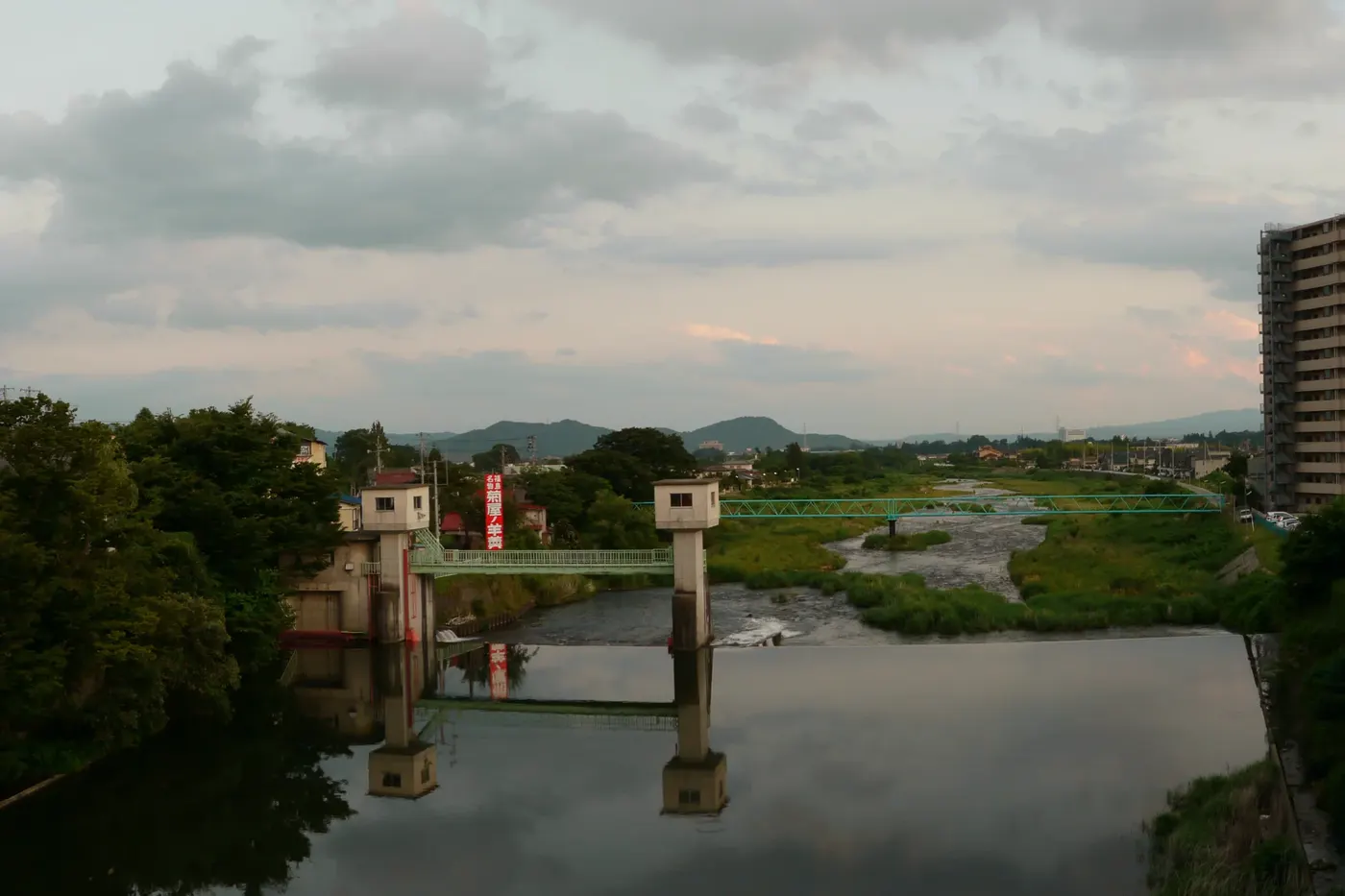
Iizaka Onsen
Fukushima City, Fukushima Prefecture · 42°C
A hot spring town northwest of Fukushima City with a history stretching back over 2,000 years.
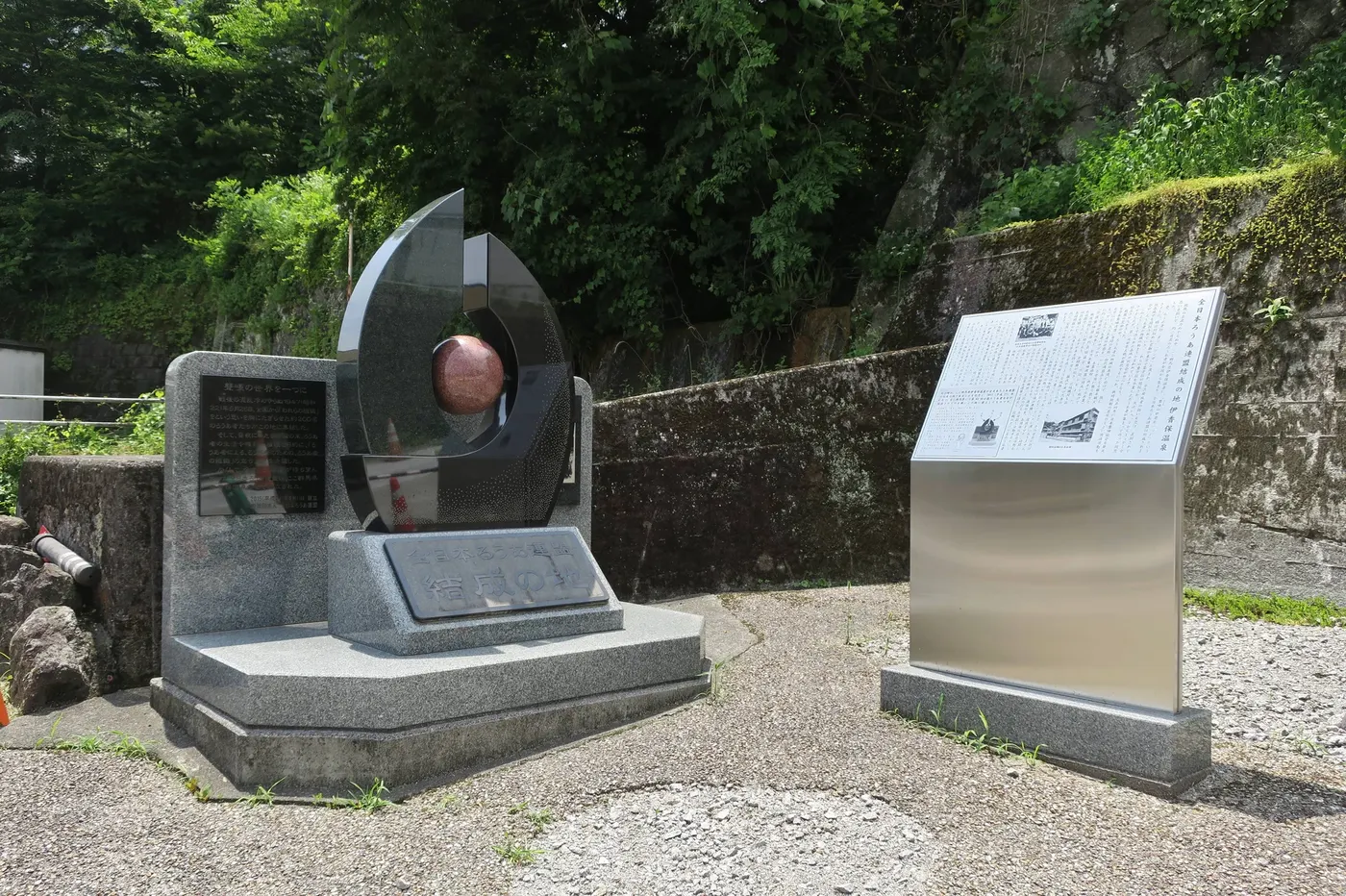
Ikaho Onsen
Shibukawa, Gunma Prefecture
A hot spring town on the eastern slopes of Mount Haruna in Gunma Prefecture, famed for its iron-rich amber 'golden water' and a 365-step stone staircase lined with shops and ryokan.
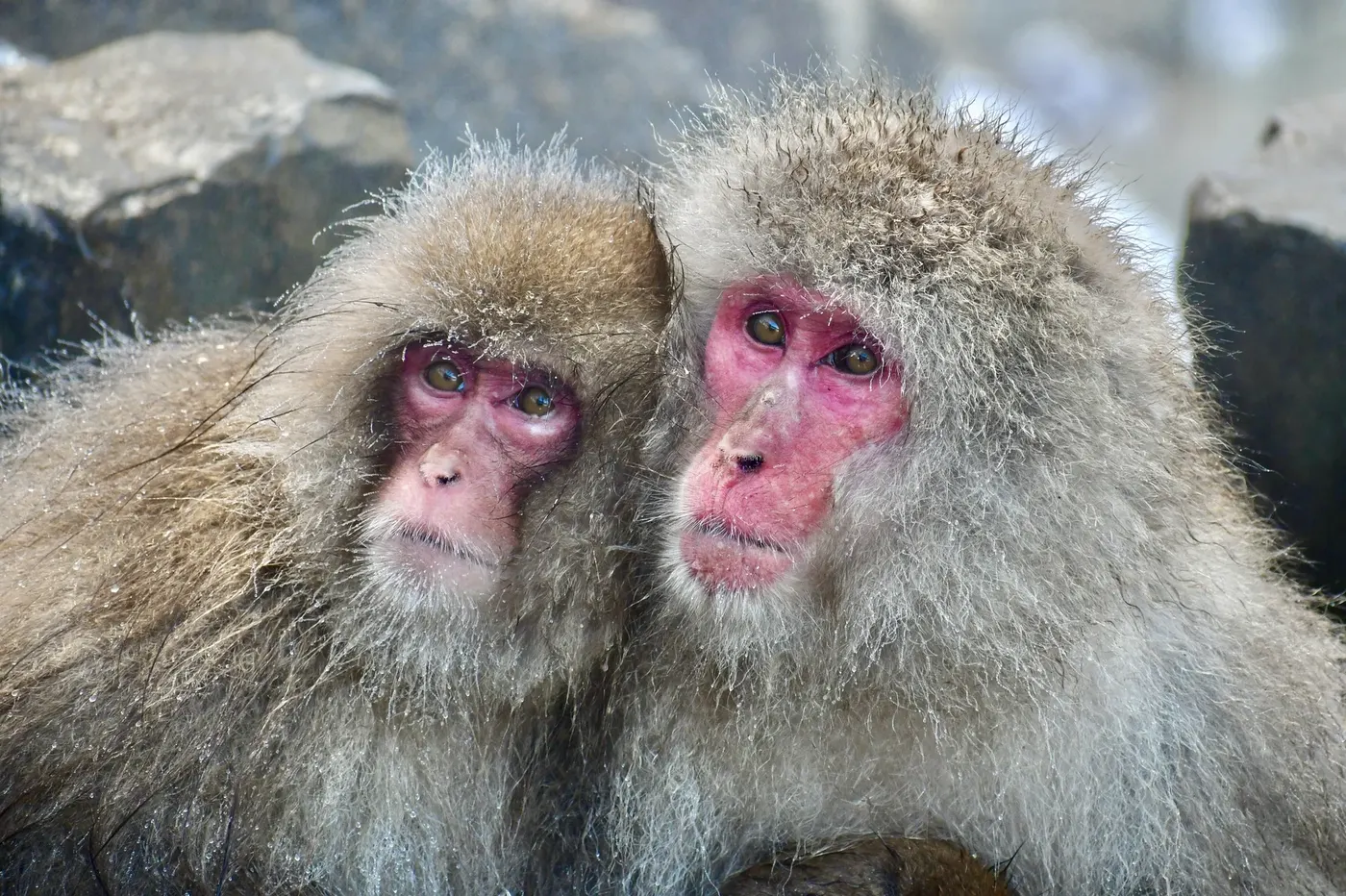
Jigokudani Monkey Park
Yamanouchi, Shimotakai District, Nagano Prefecture · 100°C
A hot spring valley near Kanbayashi Onsen in Nagano, world-famous as the site where wild Japanese macaques bathe.
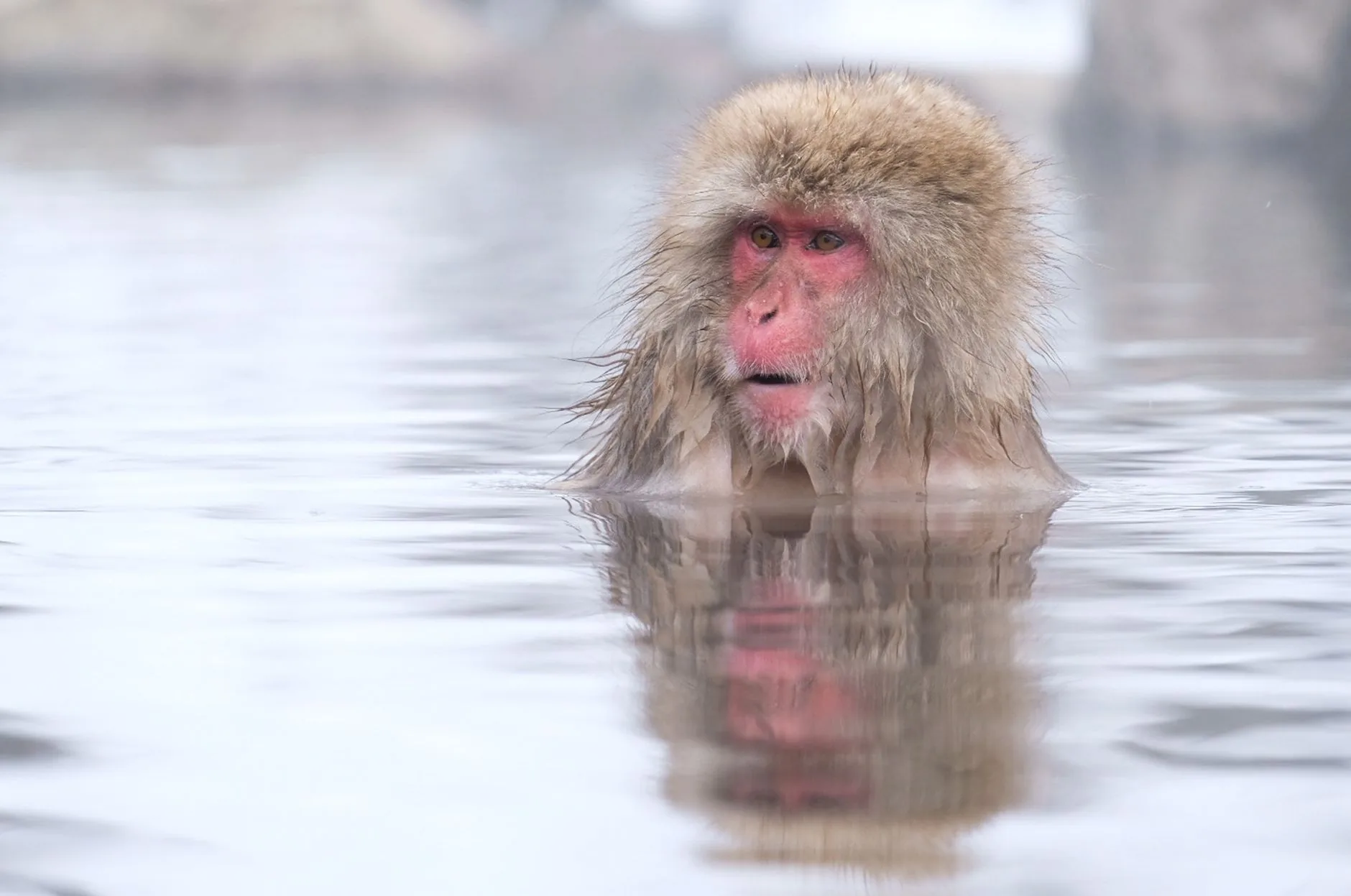
Jigokudani Monkey Spa
Nagano Prefecture, Joshinetsu Kogen · 43°C
Snowbound mountain onsen famous for wild Japanese macaques who soak in the thermal pools during winter — the world's only snow monkey spa.
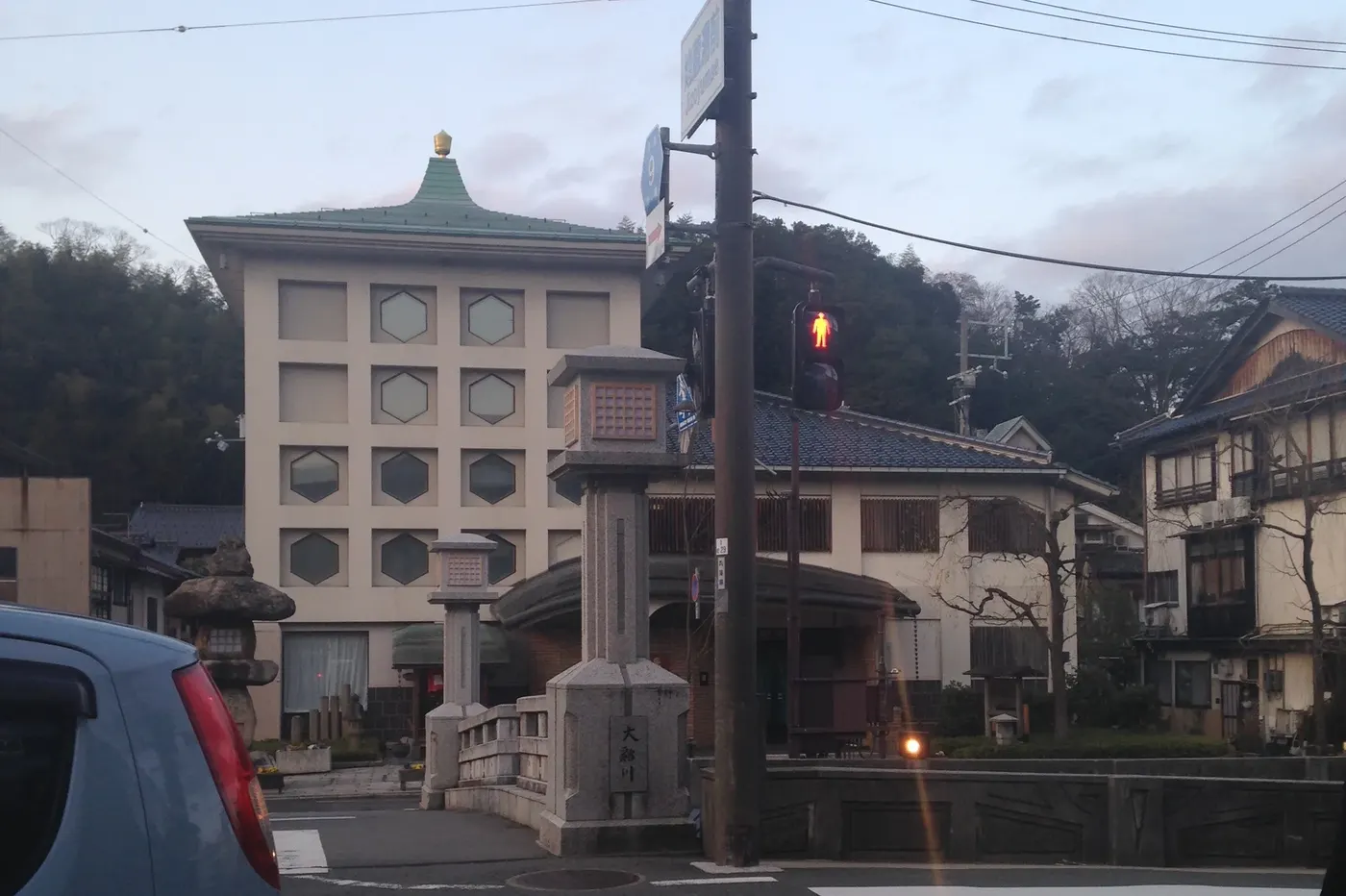
Jizo-Yu
Kinosaki Onsen, Toyooka City, Hyogo Prefecture
One of the seven public bathhouses of Kinosaki Onsen in Hyogo Prefecture, named for a Jizo Bodhisattva said to have appeared in its spring.
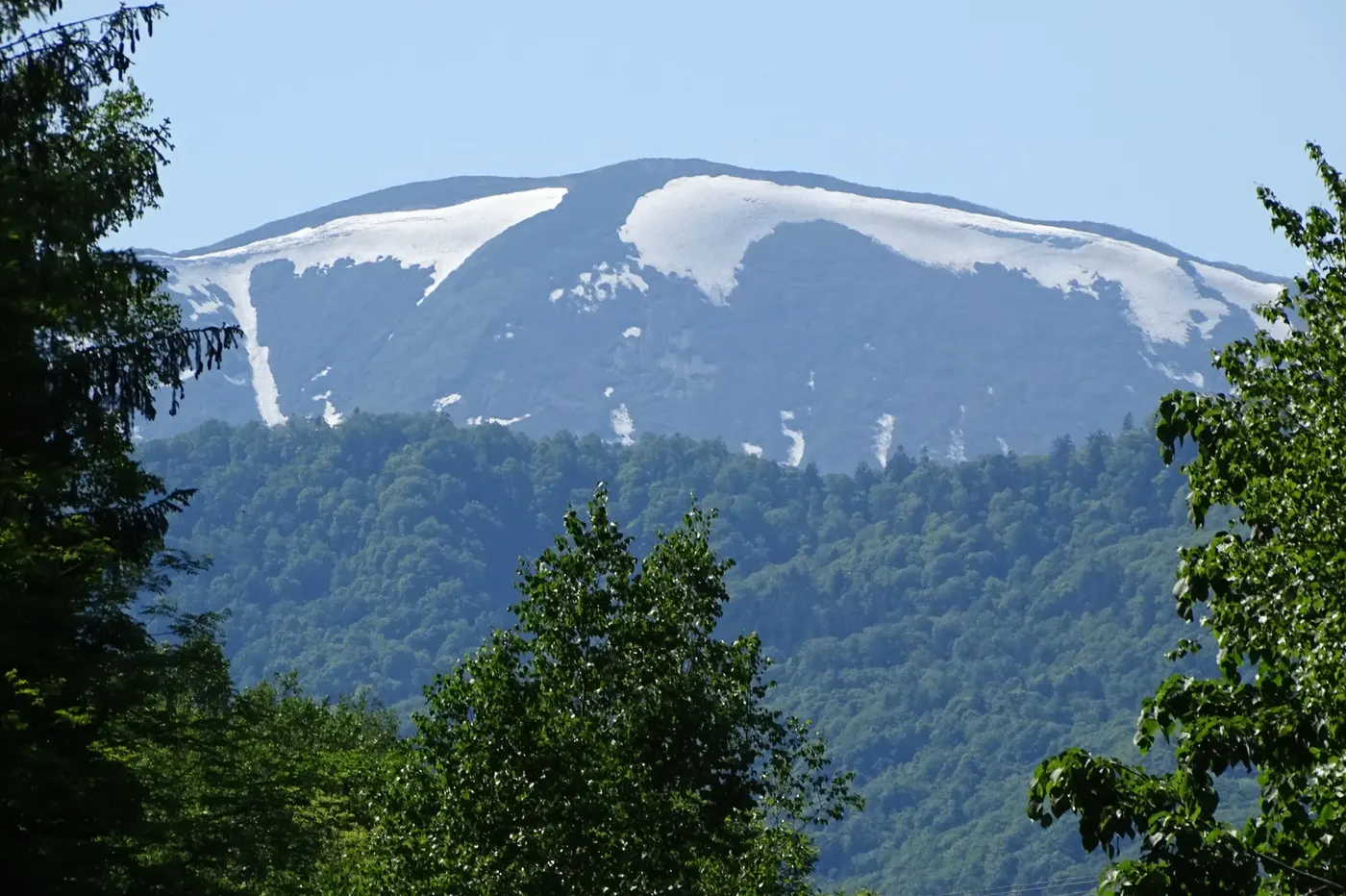
Jozankei Onsen
Minami-ku, Sapporo, Hokkaido Prefecture
A hot spring town in Sapporo's Minami Ward, Hokkaido, fed by sodium chloride springs discovered in 1866.
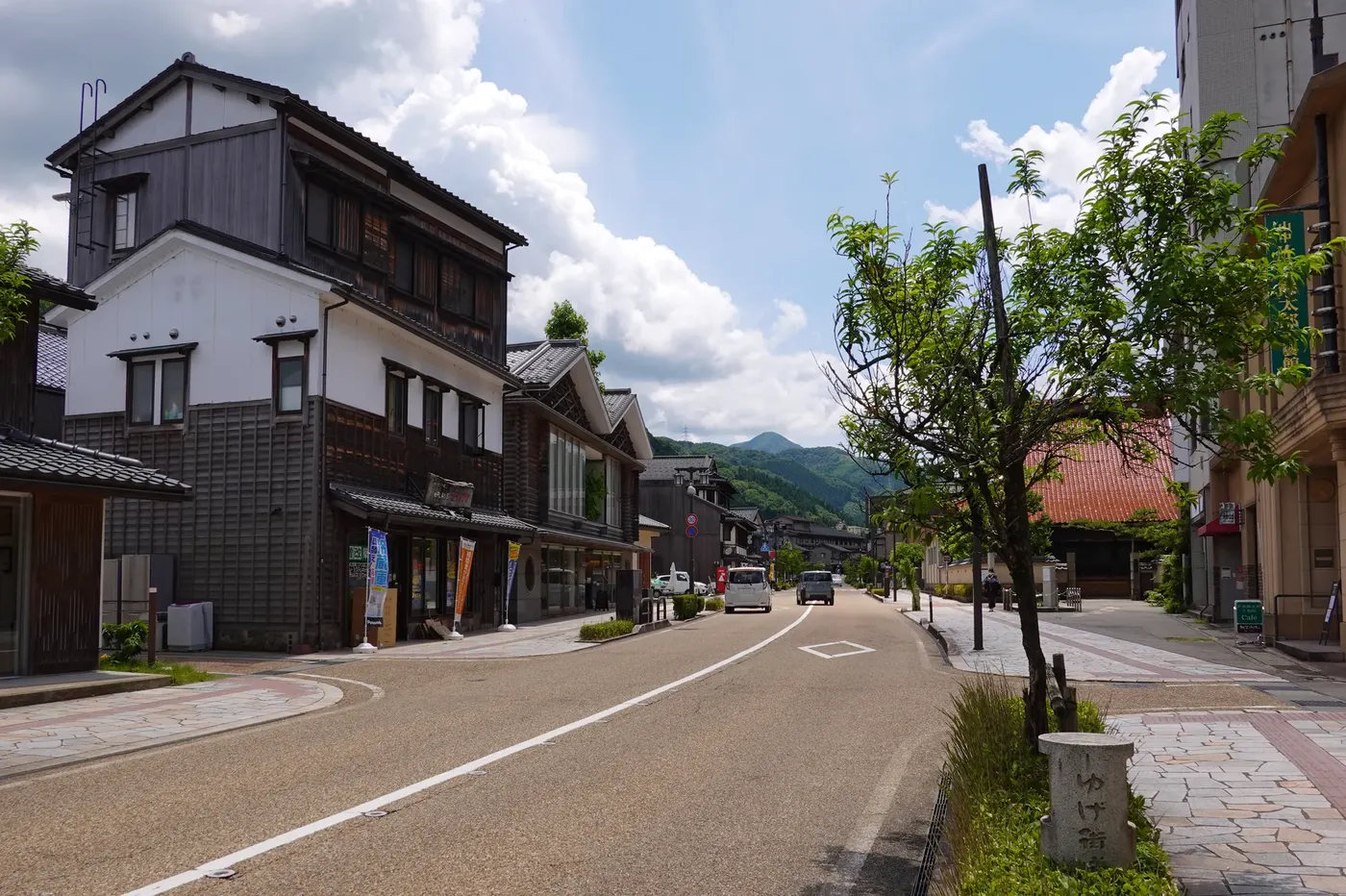
Kaga Onsen
Kaga and Komatsu, Ishikawa Prefecture · 65°C
A collective name for four historic hot spring towns in Ishikawa Prefecture's Hokuriku region: Yamashiro, Yamanaka, Katayamazu, and Awazu.
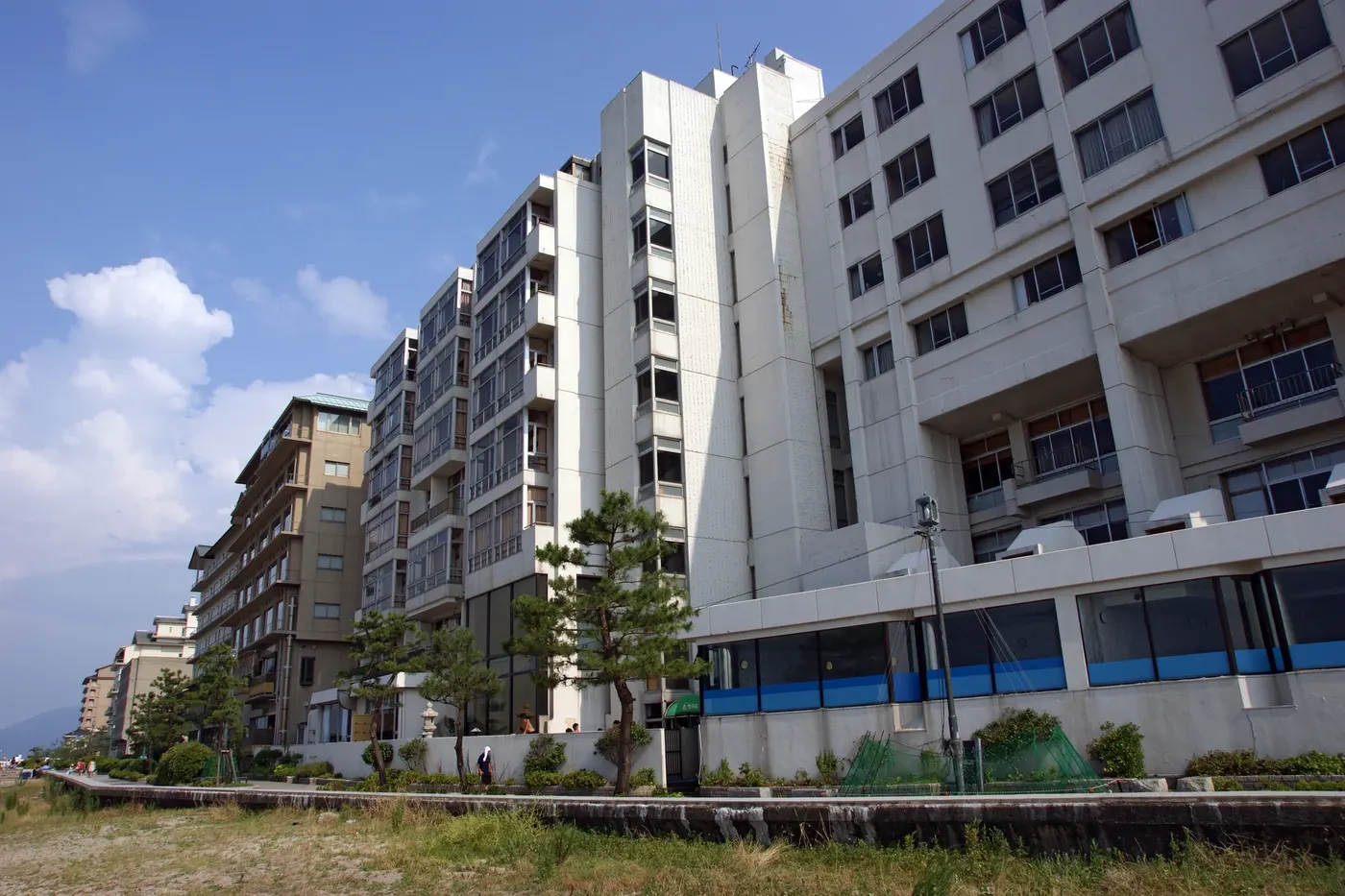
Kaike Onsen
Yonago, Tottori Prefecture
A seaside hot spring resort on the Yumigahama Peninsula in Tottori Prefecture, discovered around 1900 when a fisherman noticed bubbles rising from the seabed of Miho Bay.
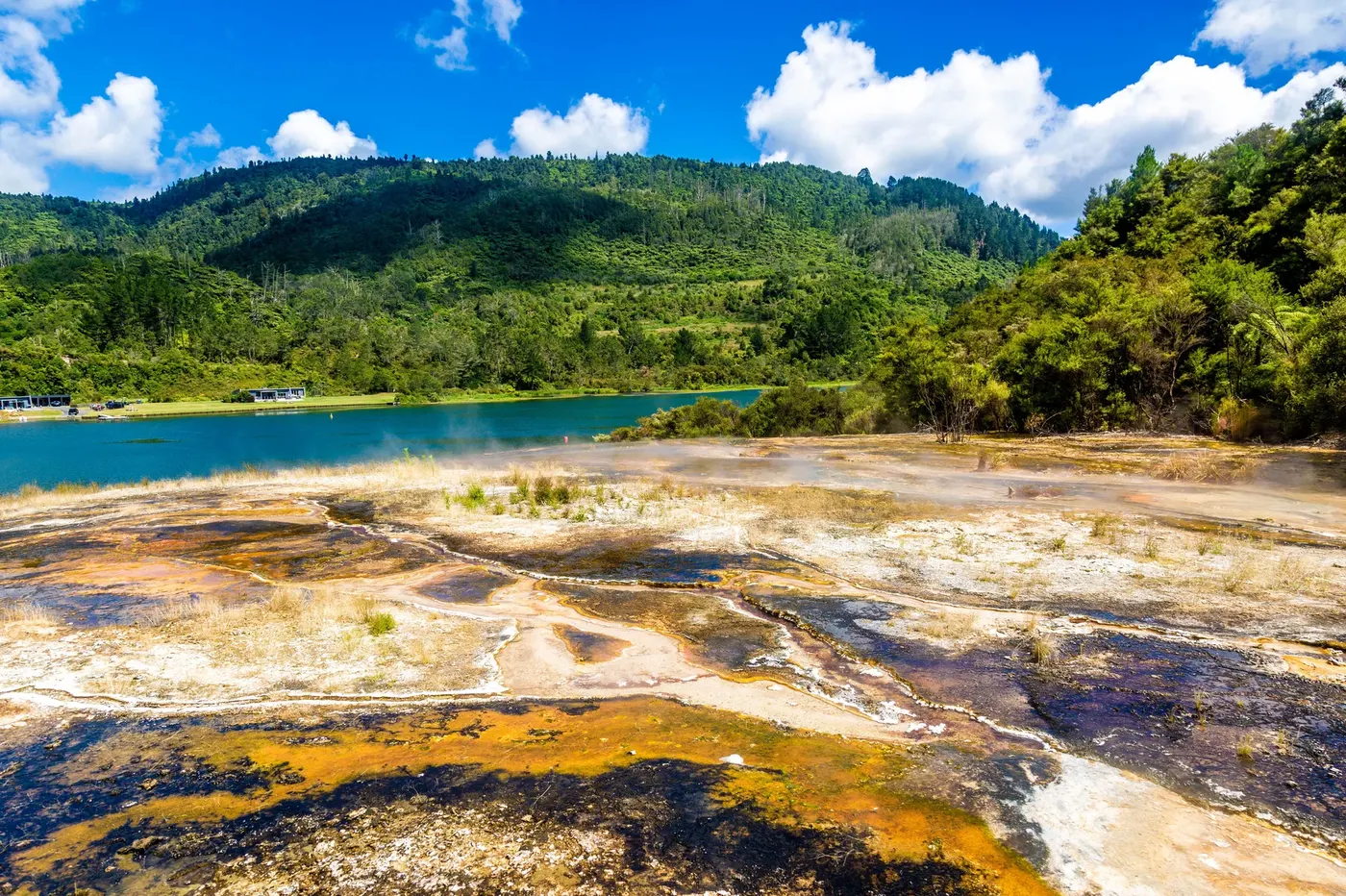
Kanbayashi Onsen
Yamanouchi, Shimotakai District, Nagano Prefecture
A small hot spring village in Nagano Prefecture that shares its source water with the wild snow monkeys of neighboring Jigokudani.
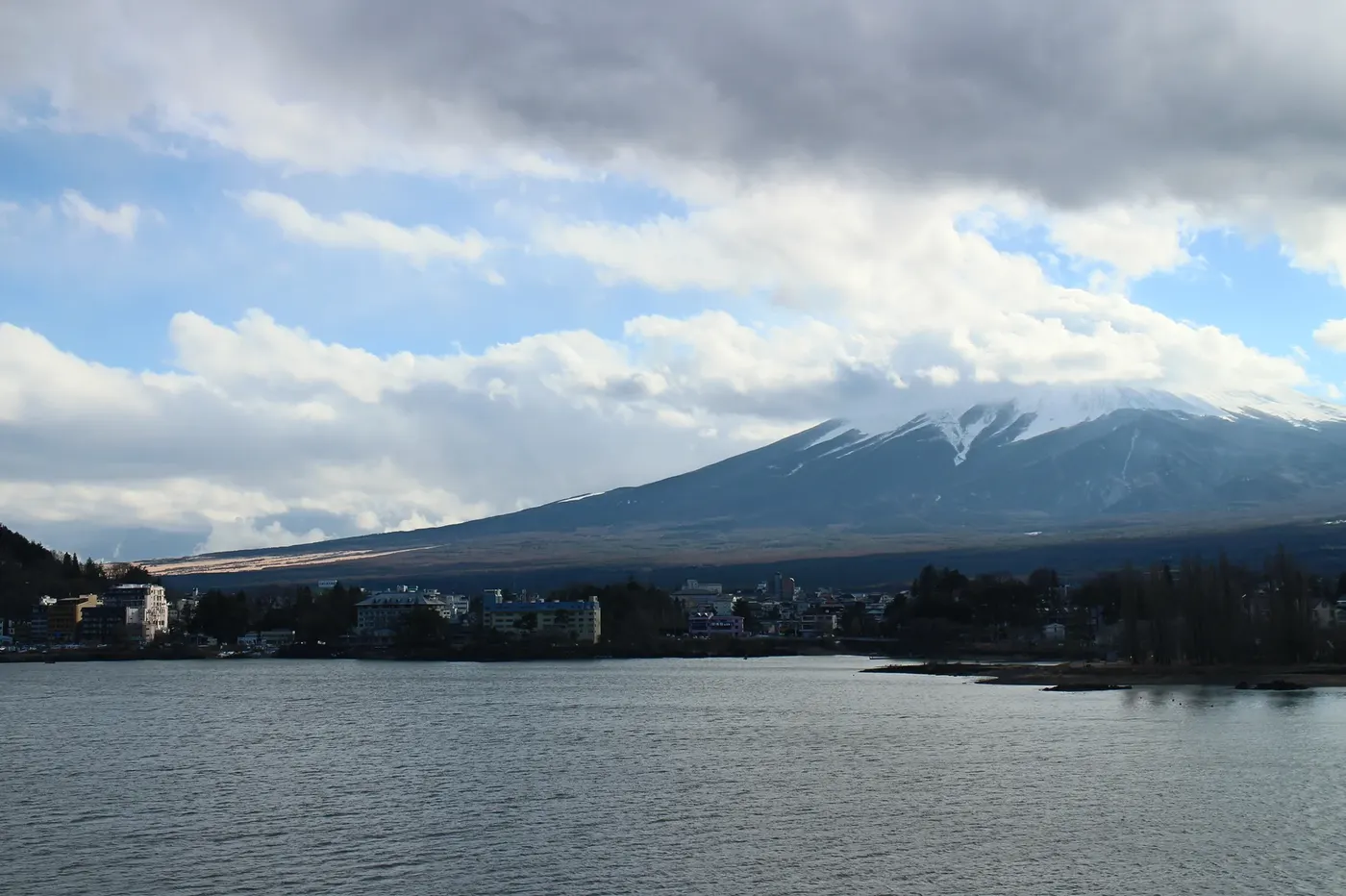
Kawaguchiko Onsen
Fujikawaguchiko, Minamitsuru District, Yamanashi Prefecture, Chubu
A relatively young hot spring area on the shores of Lake Kawaguchi in Yamanashi Prefecture, with water first struck in 1992.
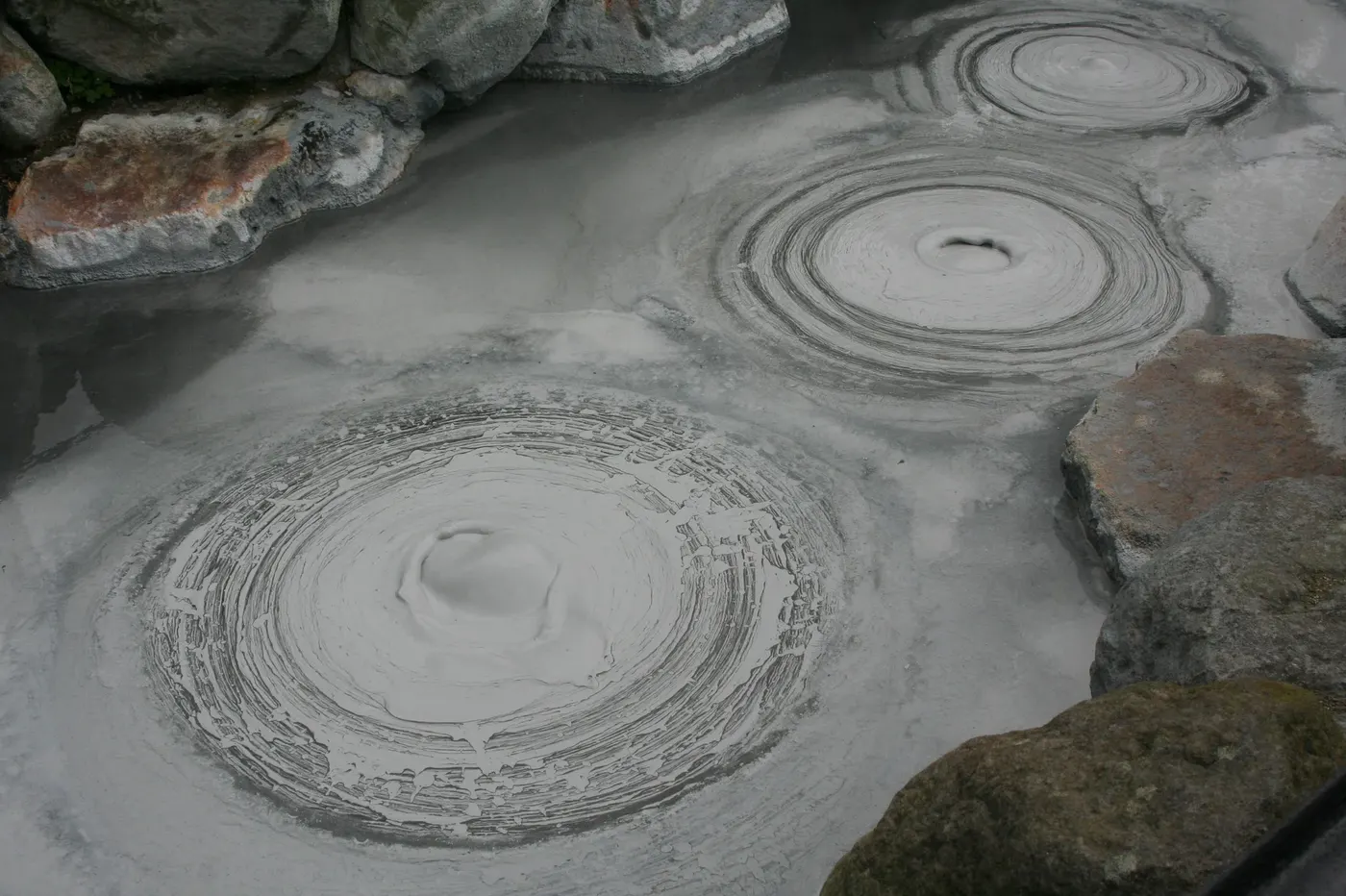
Kawayu Onsen Sennin-buro River Bath
Hongu-cho, Tanabe, Wakayama Prefecture · 73°C
A free, seasonal open-air bath dug directly into the bed of the Oto River in the Kumano region of Wakayama, formed each winter by damming the river to trap natural hot spring water.
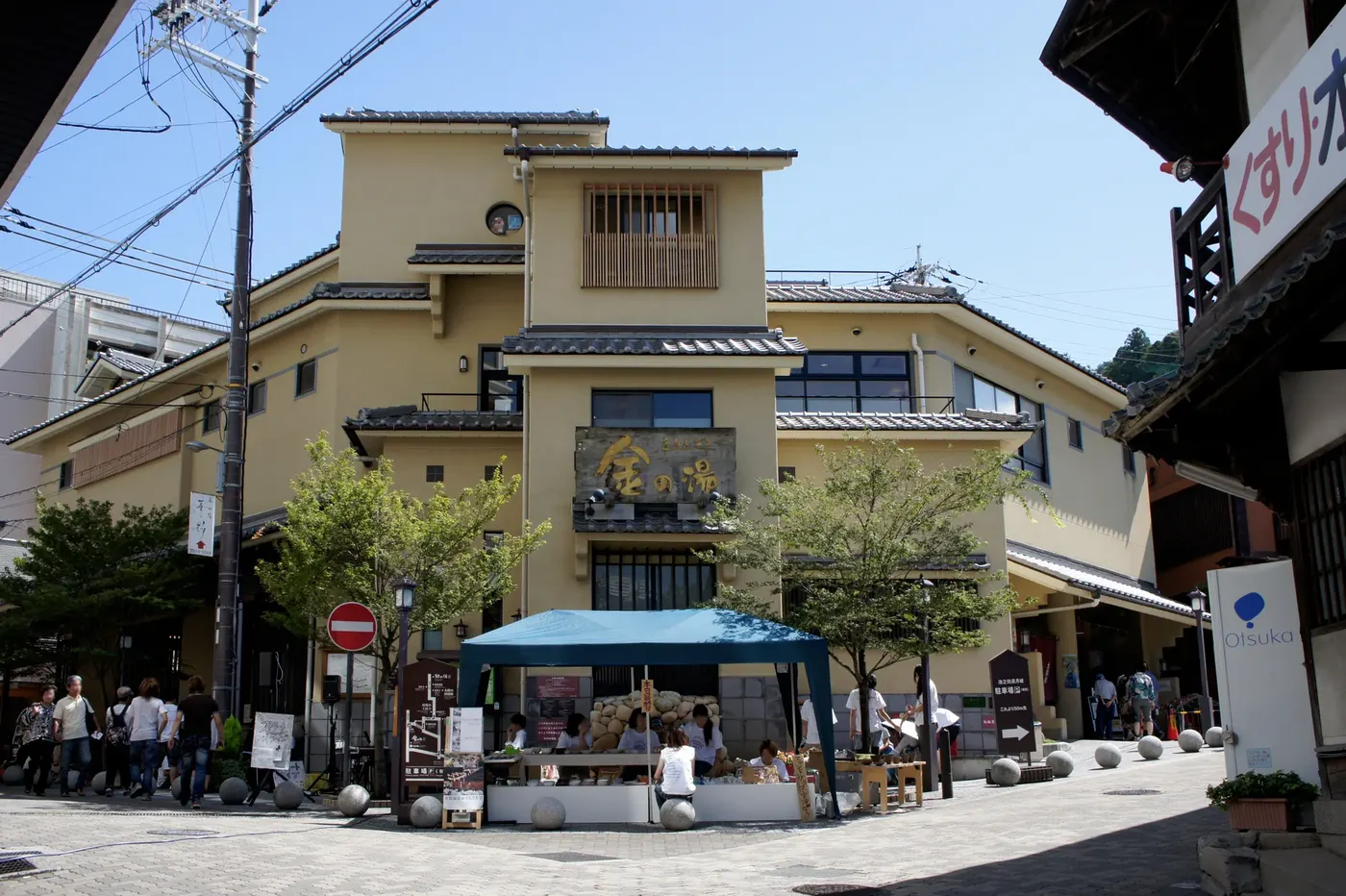
Kin no Yu
Arima Onsen, Kita-ku, Kobe, Hyogo Prefecture · 98°C
A public bathhouse in Arima Onsen, Kobe, drawing the town's iron-rich reddish-brown 'gold spring' (kinsen) water.
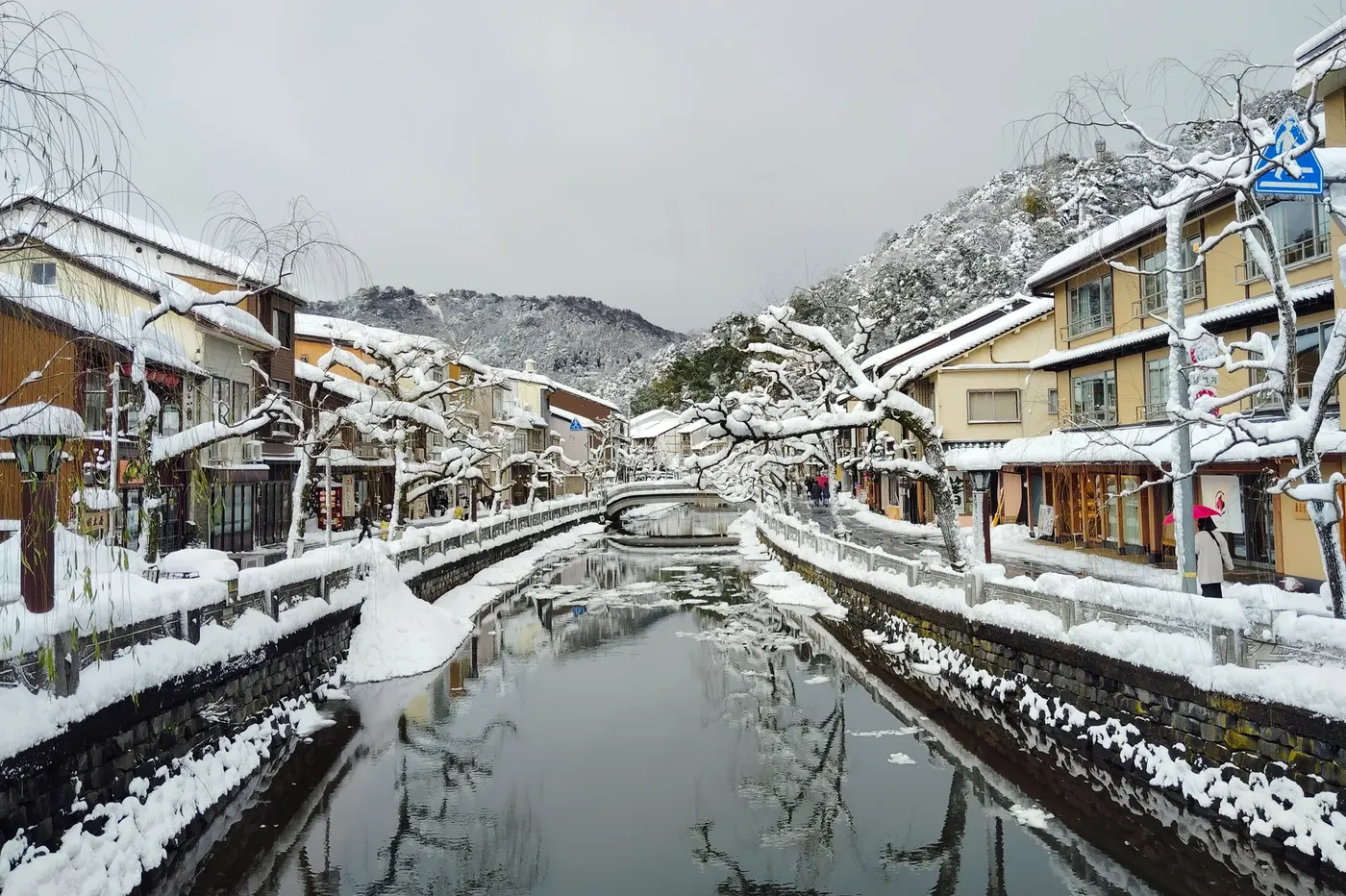
Kinosaki Onsen
Hyogo · 42°C
A 1,300-year-old canal-side spa town in Hyogo, famous for its seven public bathhouses visited by guests in yukata — one of Japan's most intact examples of traditional onsen town culture.
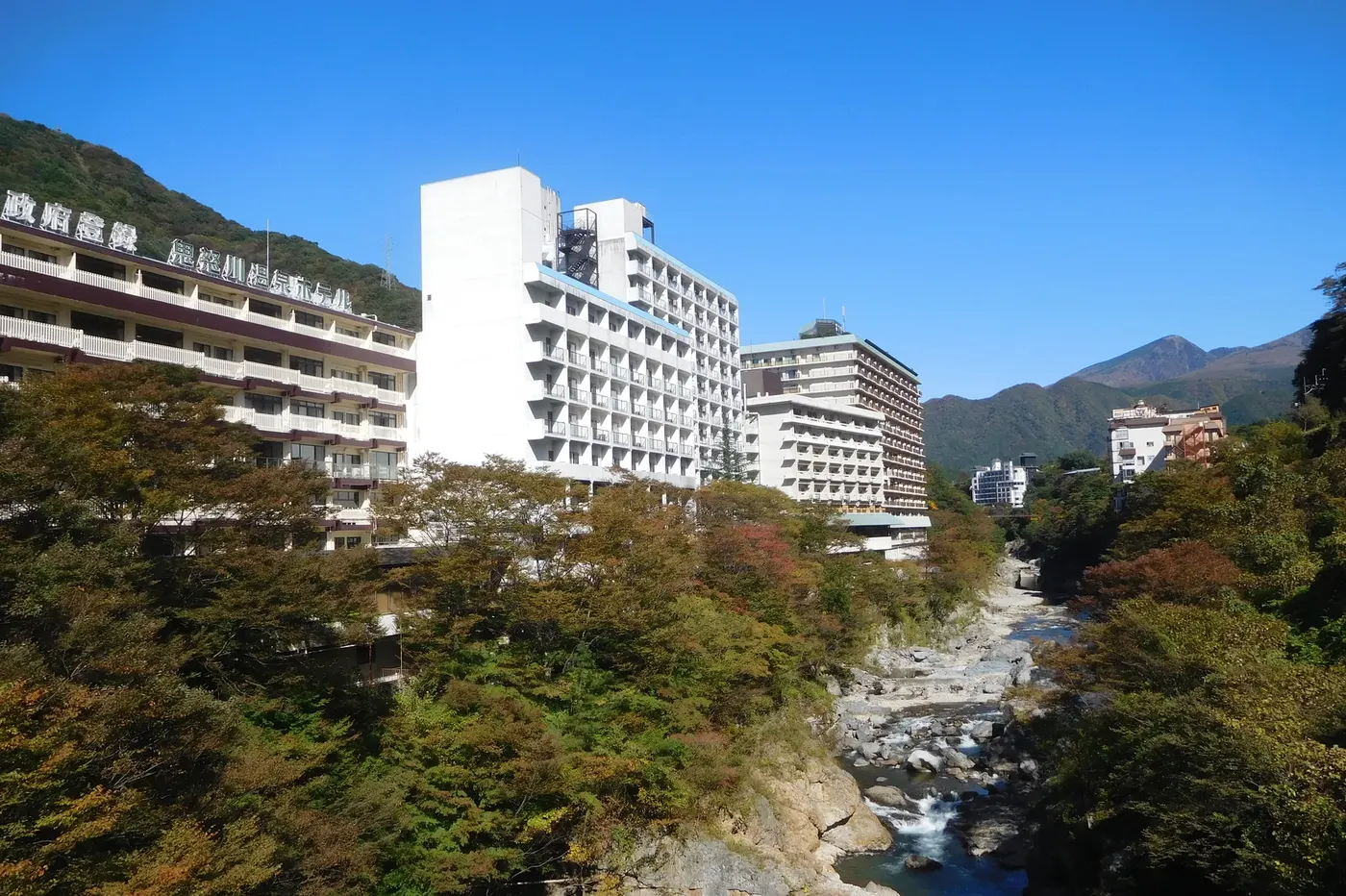
Kinugawa Onsen
Nikko, Tochigi Prefecture, Kanto
A riverside hot spring resort along the Kinugawa River in Nikko, Tochigi Prefecture, opened to the public in the early Meiji period.
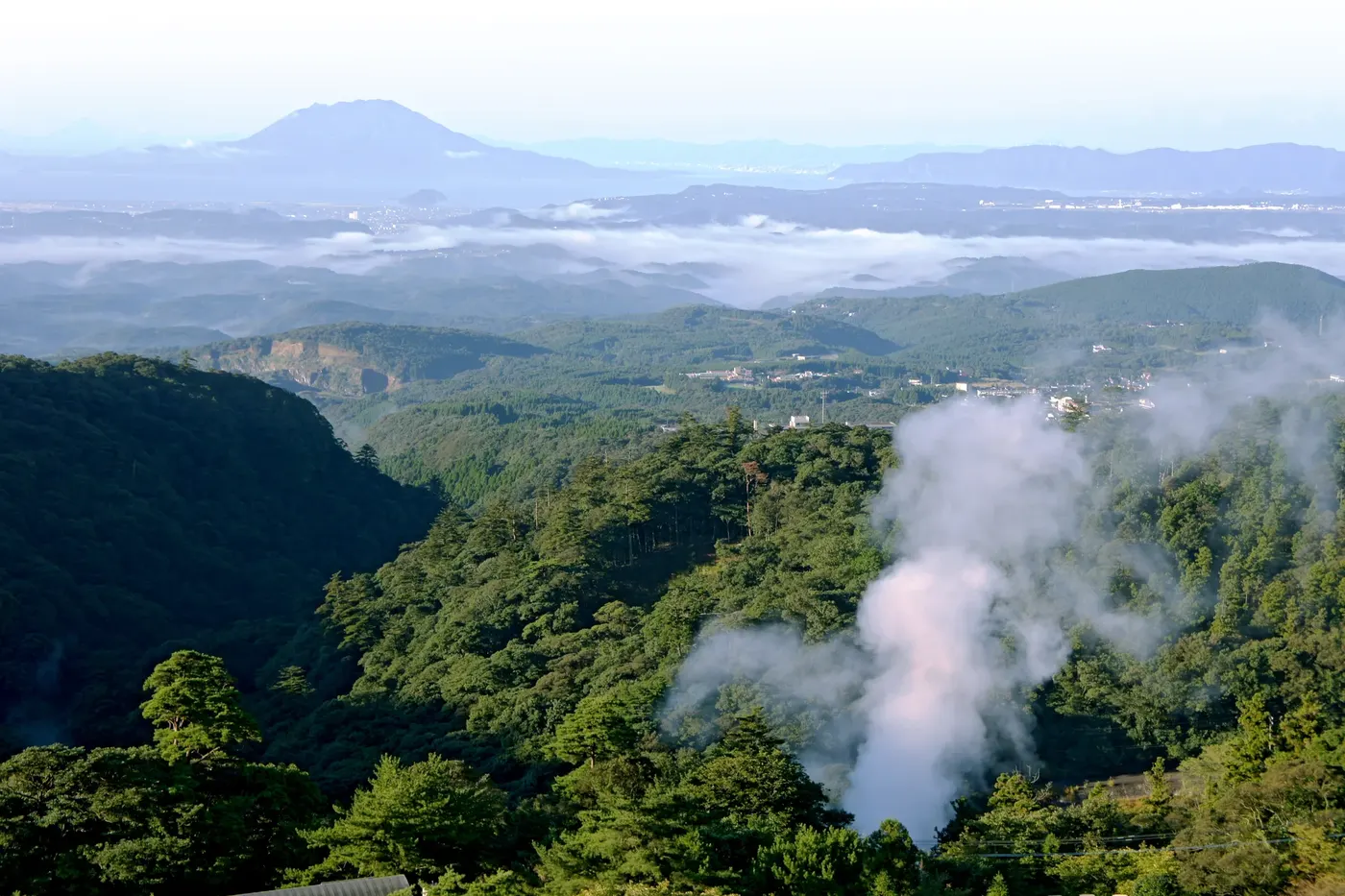
Kirishima Onsen
Kirishima, Kagoshima Prefecture, Kyushu
A hot spring town on the lower slopes of the Kirishima Mountains straddling Kagoshima and Miyazaki Prefectures, made up of over a dozen sulfuric-water springs with views toward Kagoshima Bay and Sakurajima.
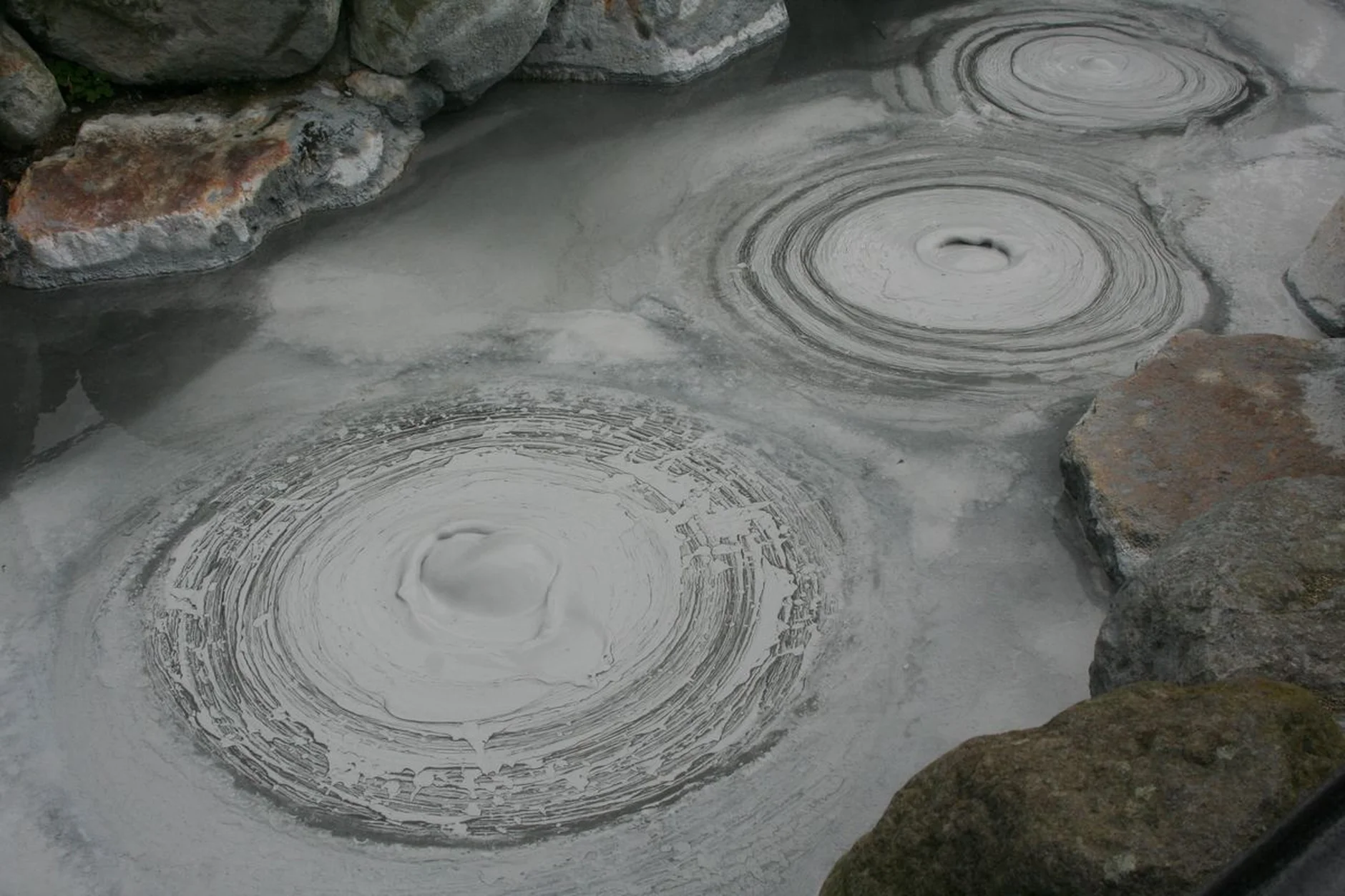
Kurokawa Onsen
Kumamoto Prefecture, Kyushu · 43°C
A small valley onsen village in Kyushu's Aso volcanic region, where 30 inns share a single unified bathing pass system — considered one of Japan's most perfectly preserved traditional onsen environments.
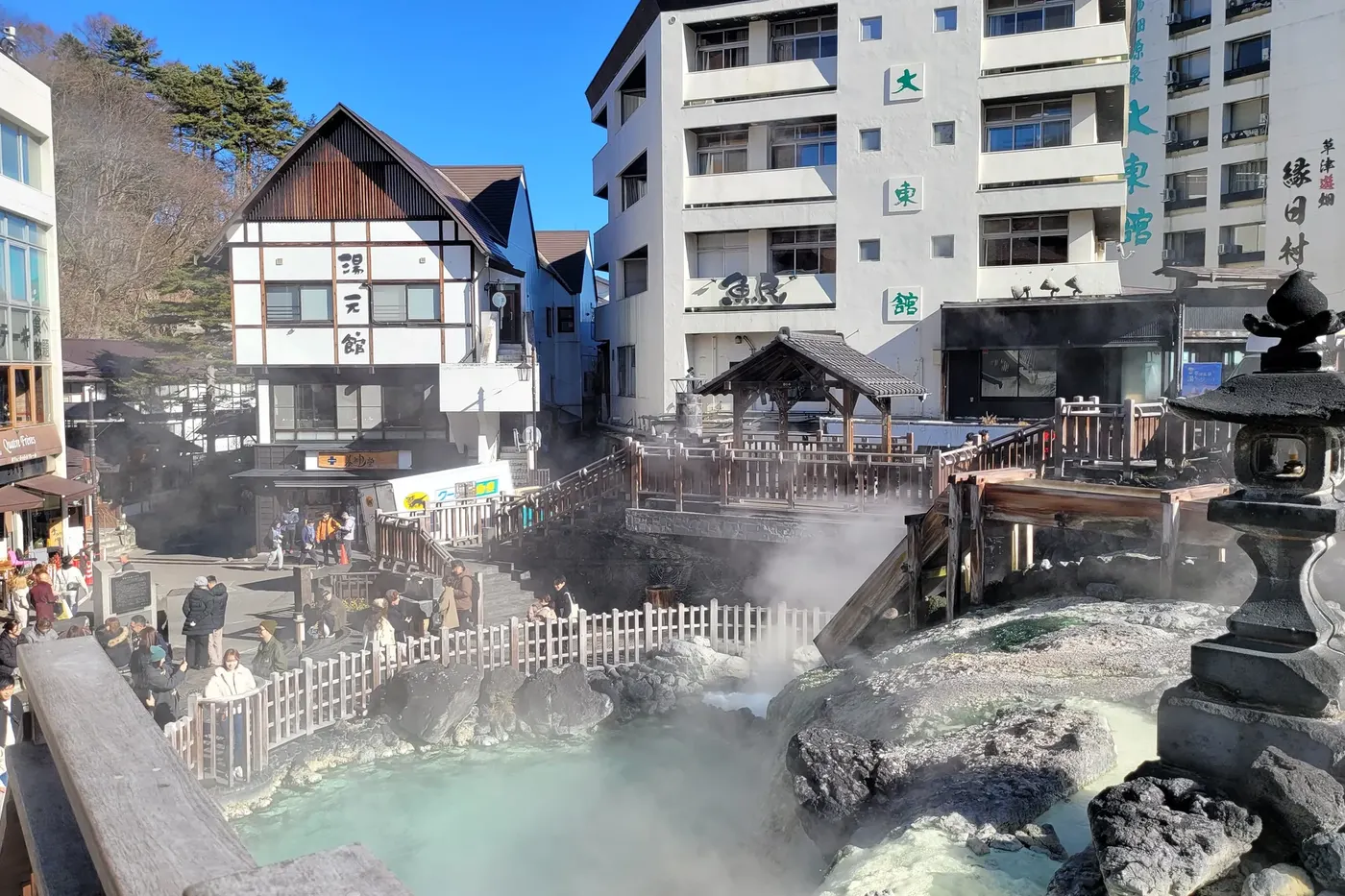
Kusatsu Onsen
Gunma · 95°C
One of Japan's three finest hot spring resorts, perched at 1,156 m in the Gunma highlands, with strongly acidic waters and the iconic Yubatake hot spring field at its centre.
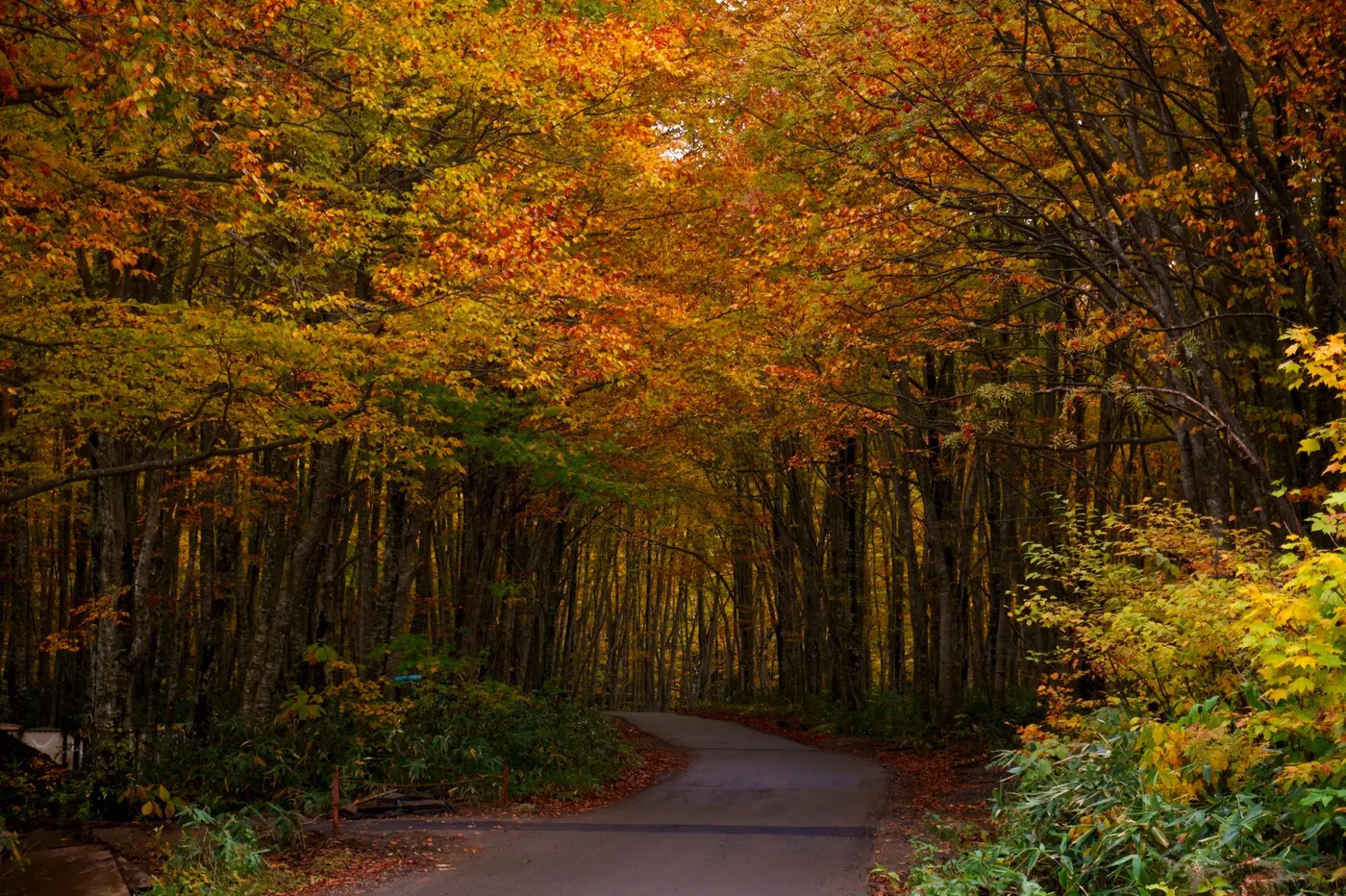
Kyukamura Nyuto-Onsenkyo
Semboku, Akita Prefecture, Tohoku
A government-founded lodge (opened 1965) in Akita's Nyuto Onsenkyo hot spring village, drawing on both sulfur and sodium-bicarbonate springs.
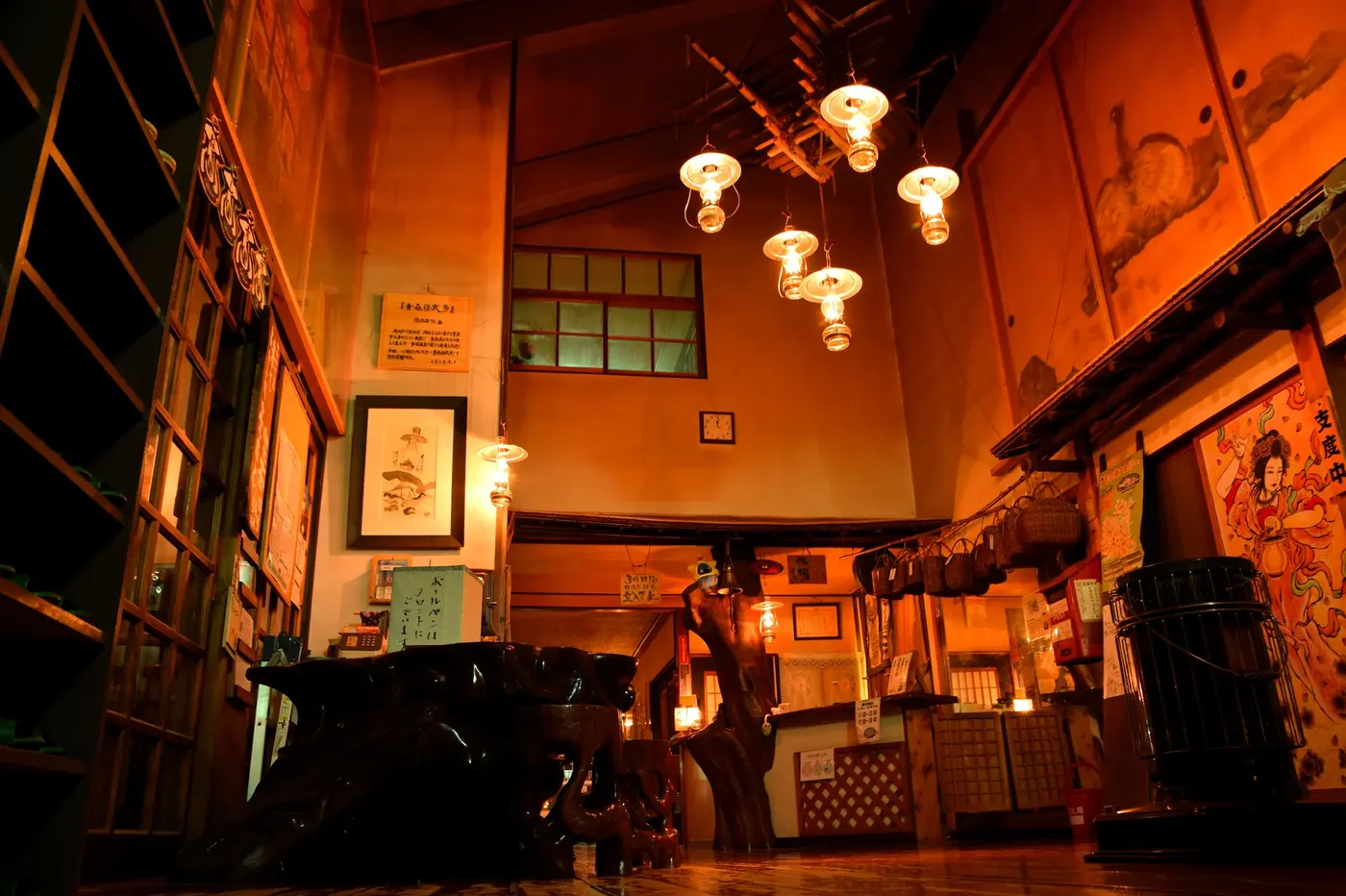
Lamp no Yado Aoni Onsen
Kuroishi, Aomori Prefecture
A remote mountain ryokan in the Aoni Gorge of Aomori Prefecture famous for having no electricity, lit entirely by oil lamps since it became a hot spring inn in 1929.
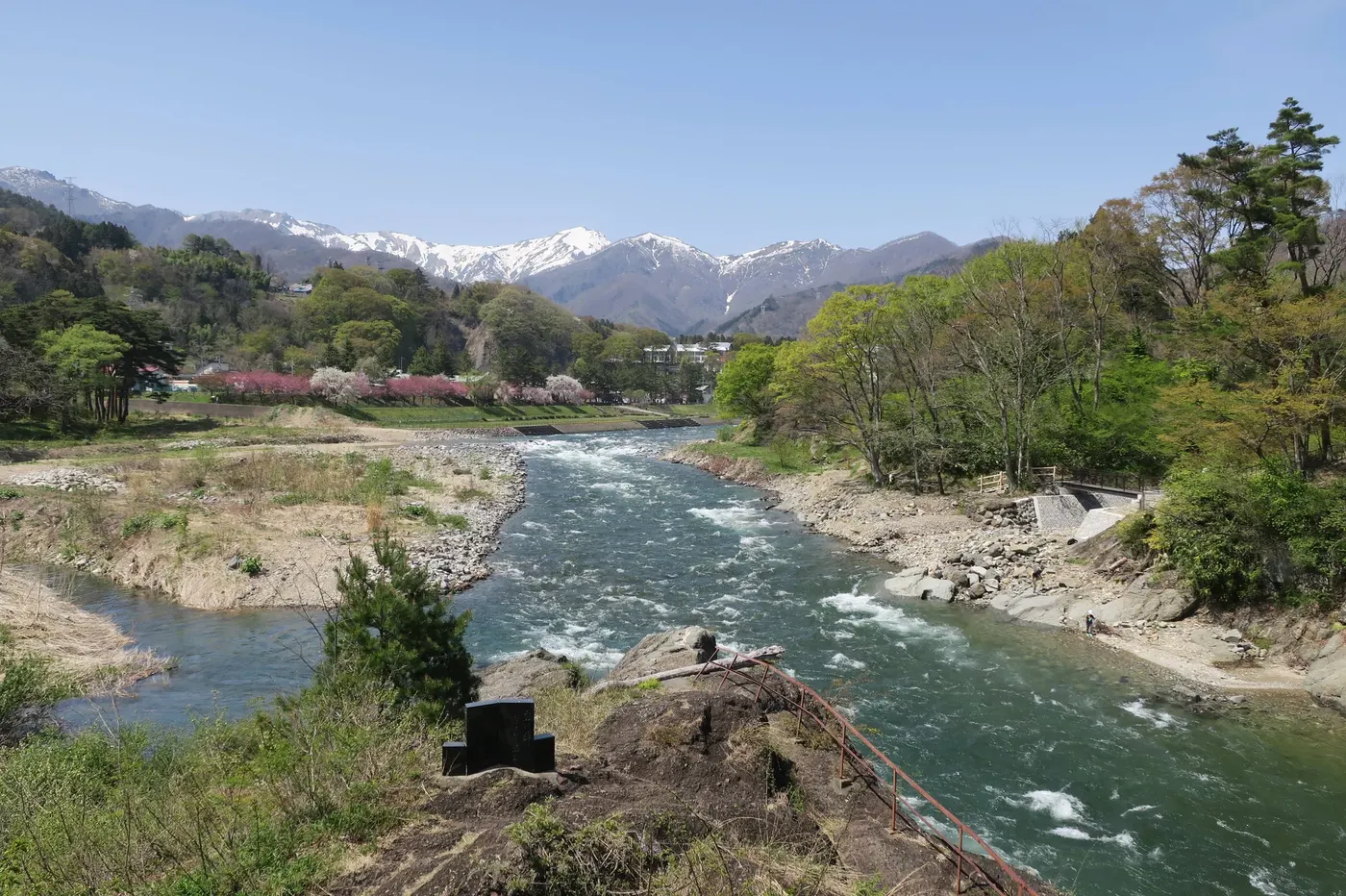
Minakami Onsen
Minakami, Tone District, Gunma Prefecture
A hot spring town at the foot of Mount Tanigawa in Gunma Prefecture, part of an 18-spring hot spring district visited since the Edo period.
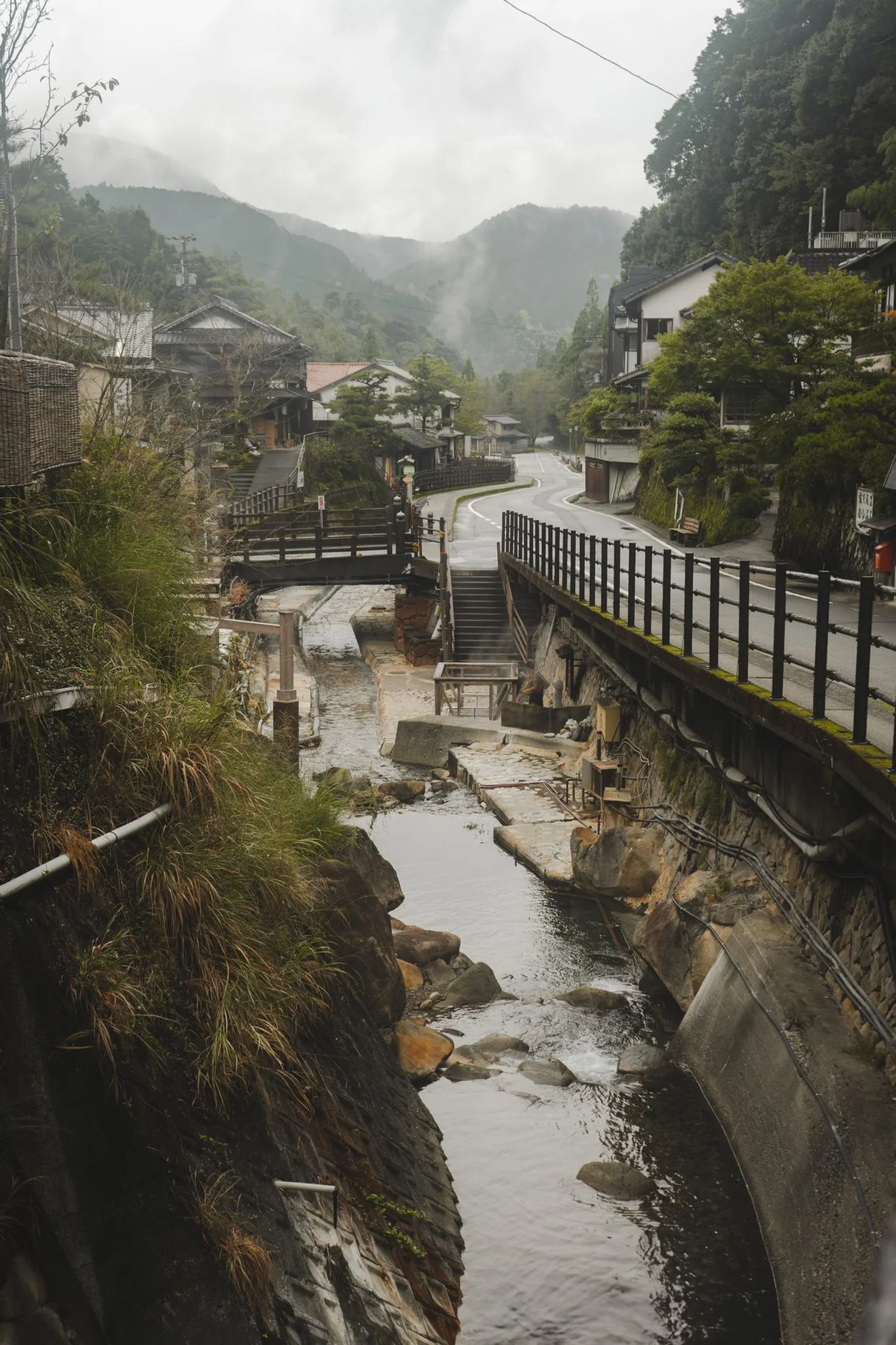
Misasa Onsen
Tottori Prefecture, Honshu · 49°C
One of the world's highest naturally radioactive (radon) spring clusters — used for over 800 years and studied by Nobel laureate Marie Curie.
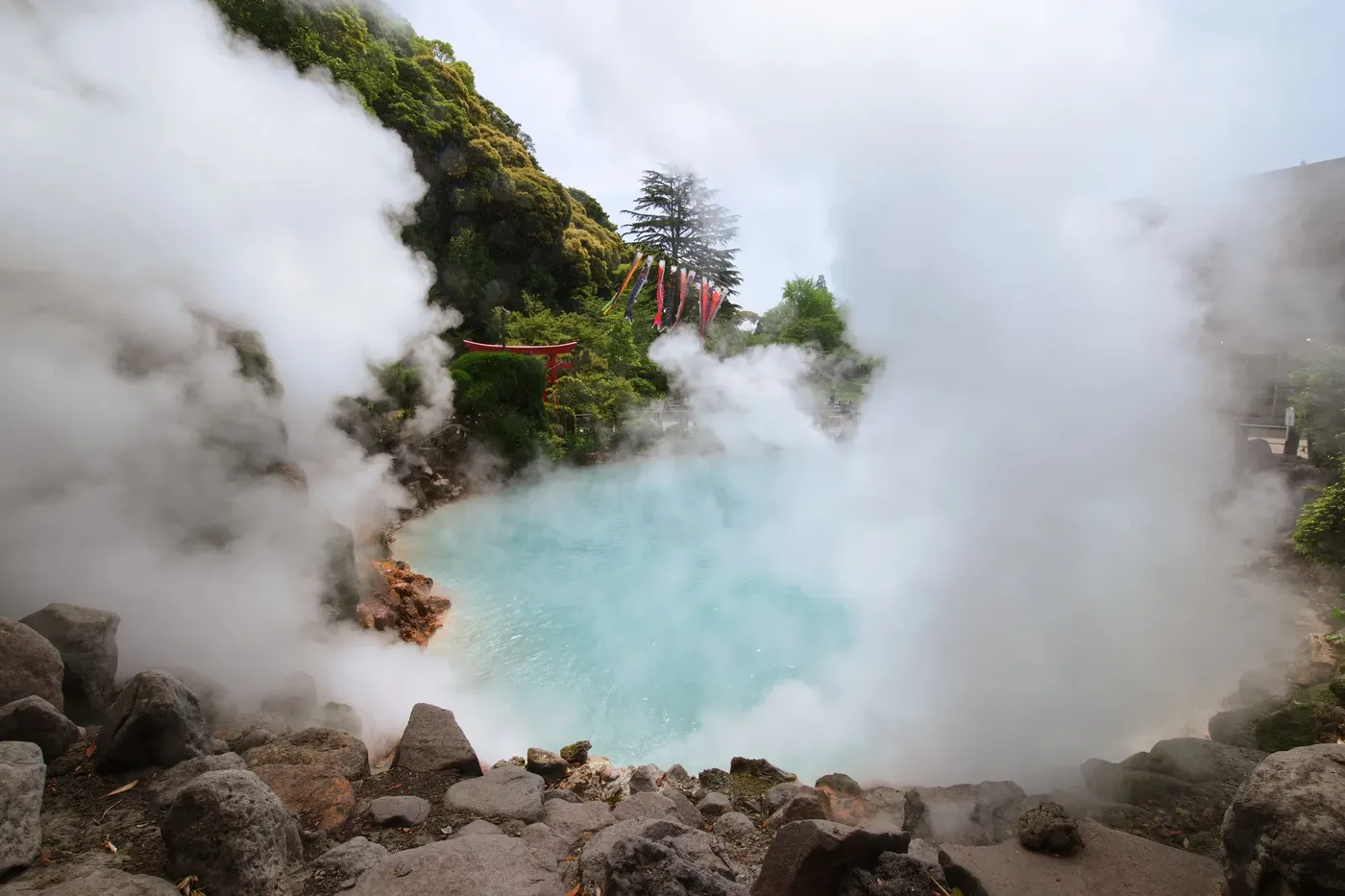
Myoken Onsen
Kirishima, Kagoshima Prefecture
A riverside hot spring resort along the Amori River in Kirishima, Kagoshima Prefecture, about 15 minutes from Kagoshima Airport.
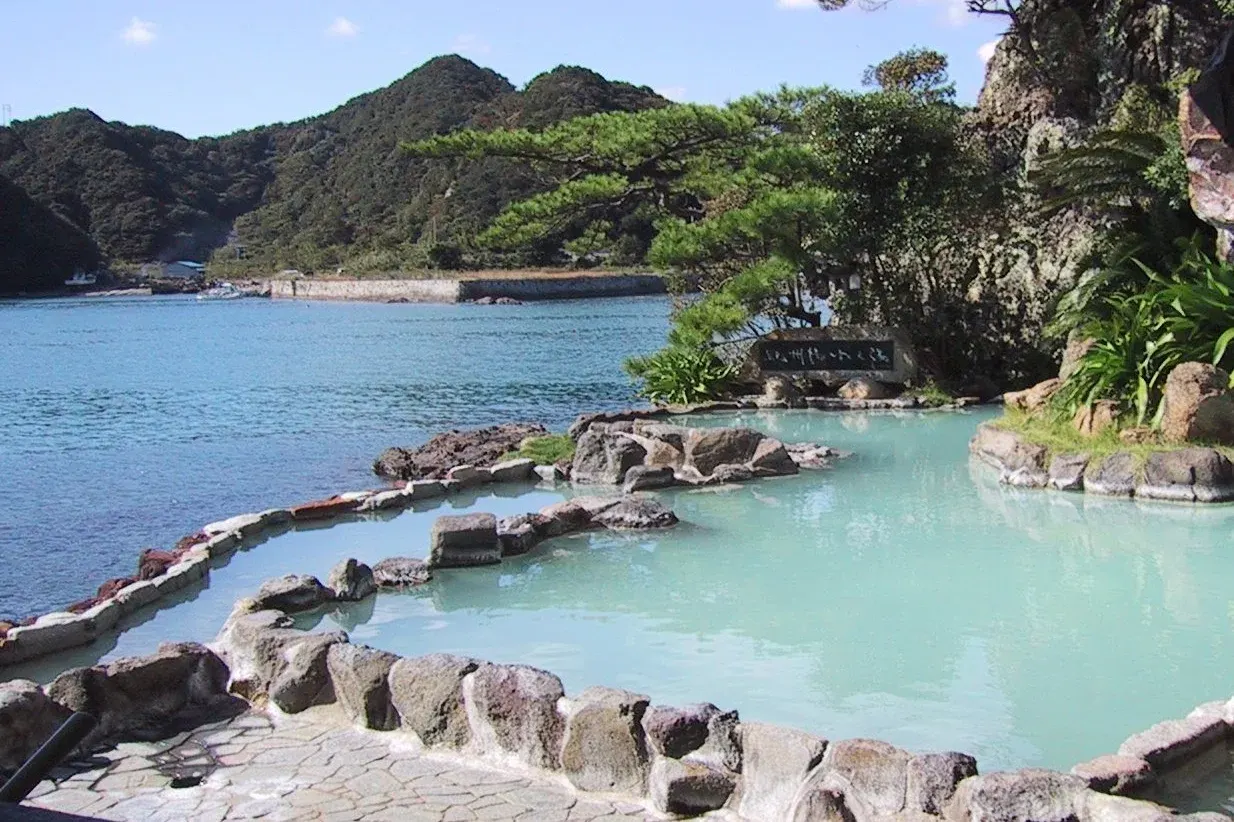
Nachikatsuura Onsen
Nachikatsuura, Higashimuro District, Wakayama Prefecture, Kansai
A coastal hot spring resort in Nachikatsuura, Wakayama Prefecture, with over 100 sulfur-bearing chloride springs overlooking the Pacific.
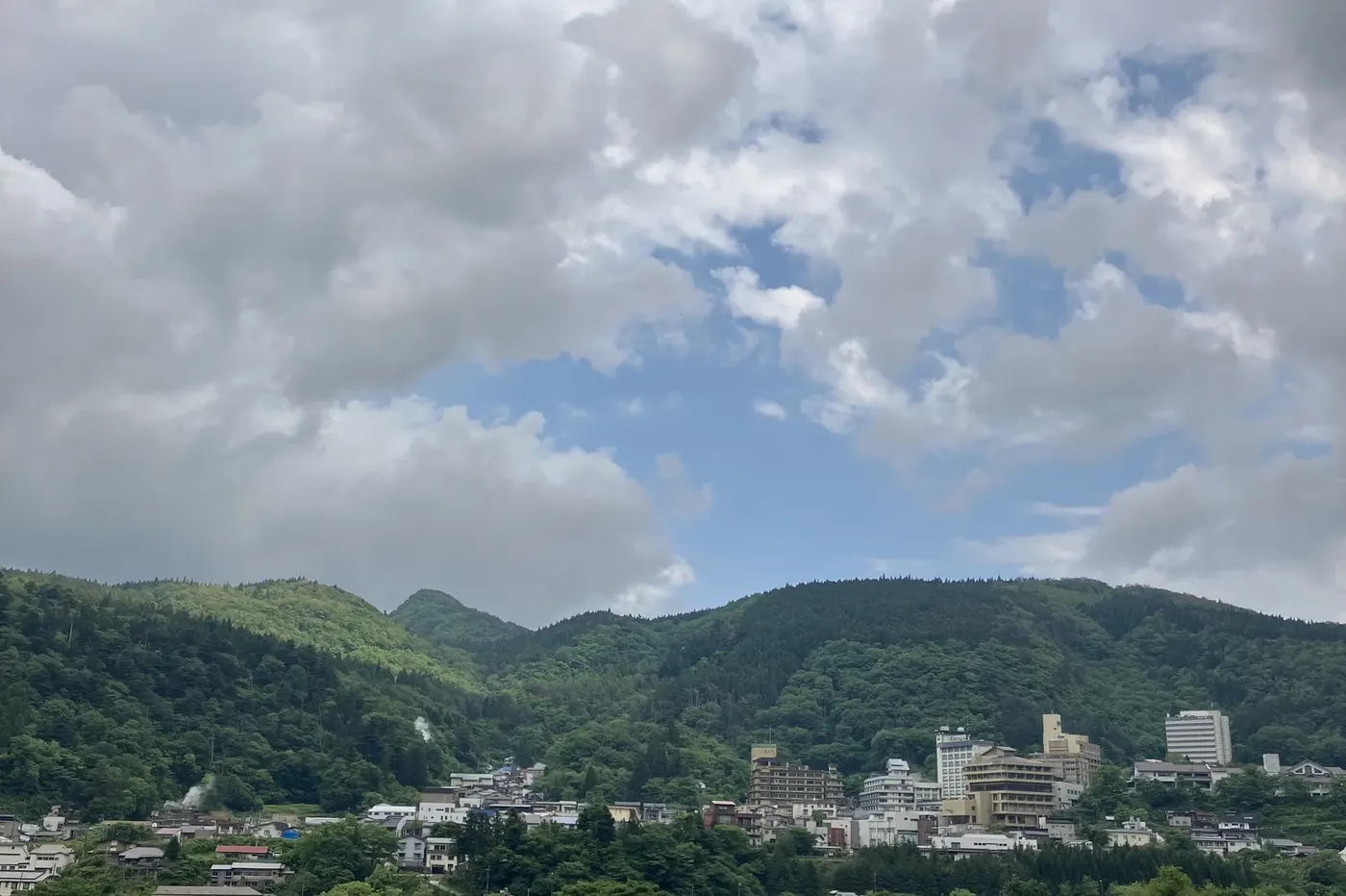
Naruko Onsen
Osaki, Miyagi Prefecture, Tohoku
A thousand-year-old hot spring resort in Osaki, Miyagi Prefecture, famed for having eight of Japan's ten recognized hot-spring water types.
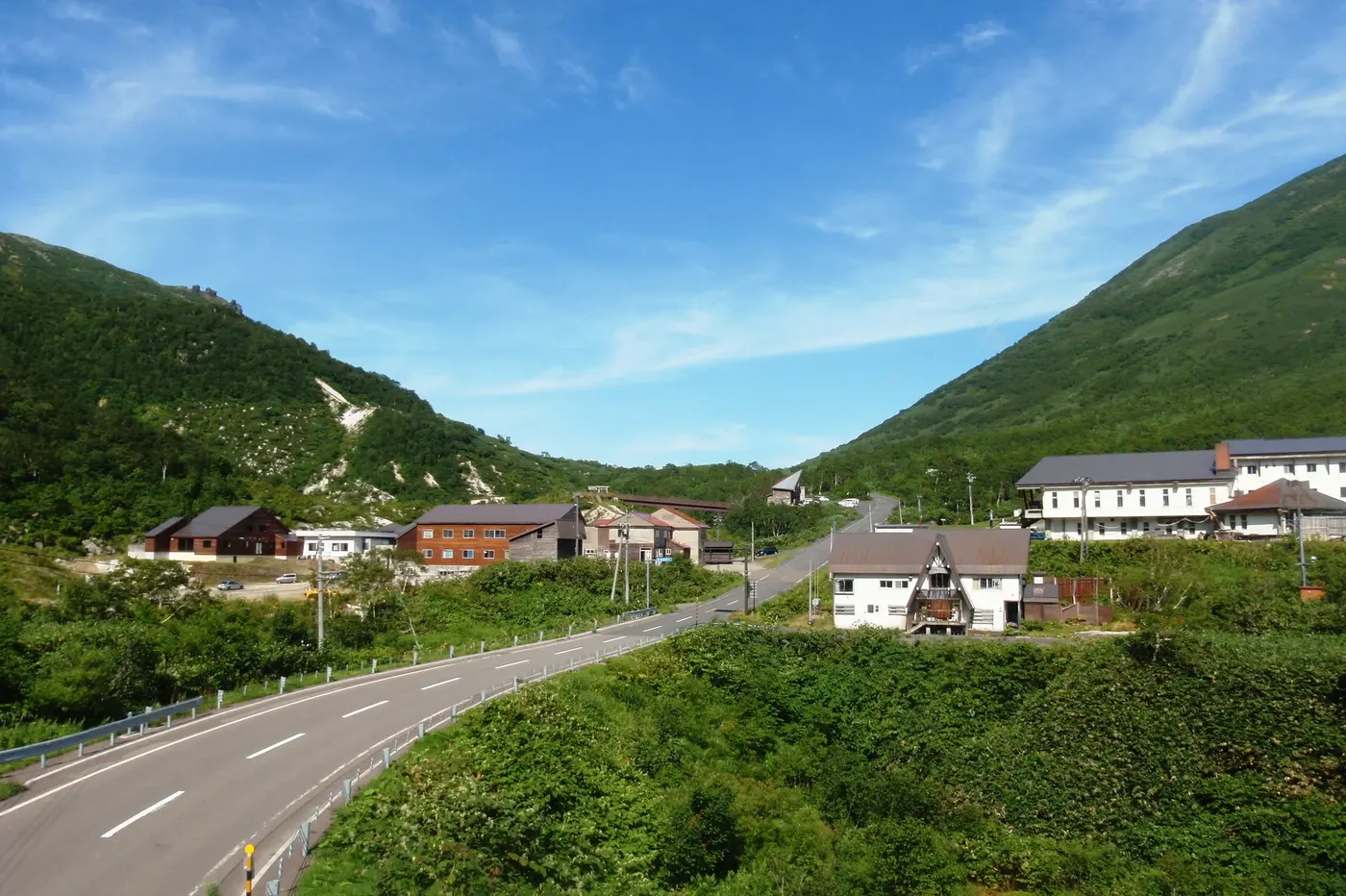
Niseko Goshiki Onsen
Rankoshi, Isoya District, Hokkaido
A secluded hot spring in the Niseko mountains of Hokkaido known for water that shifts color with the light.
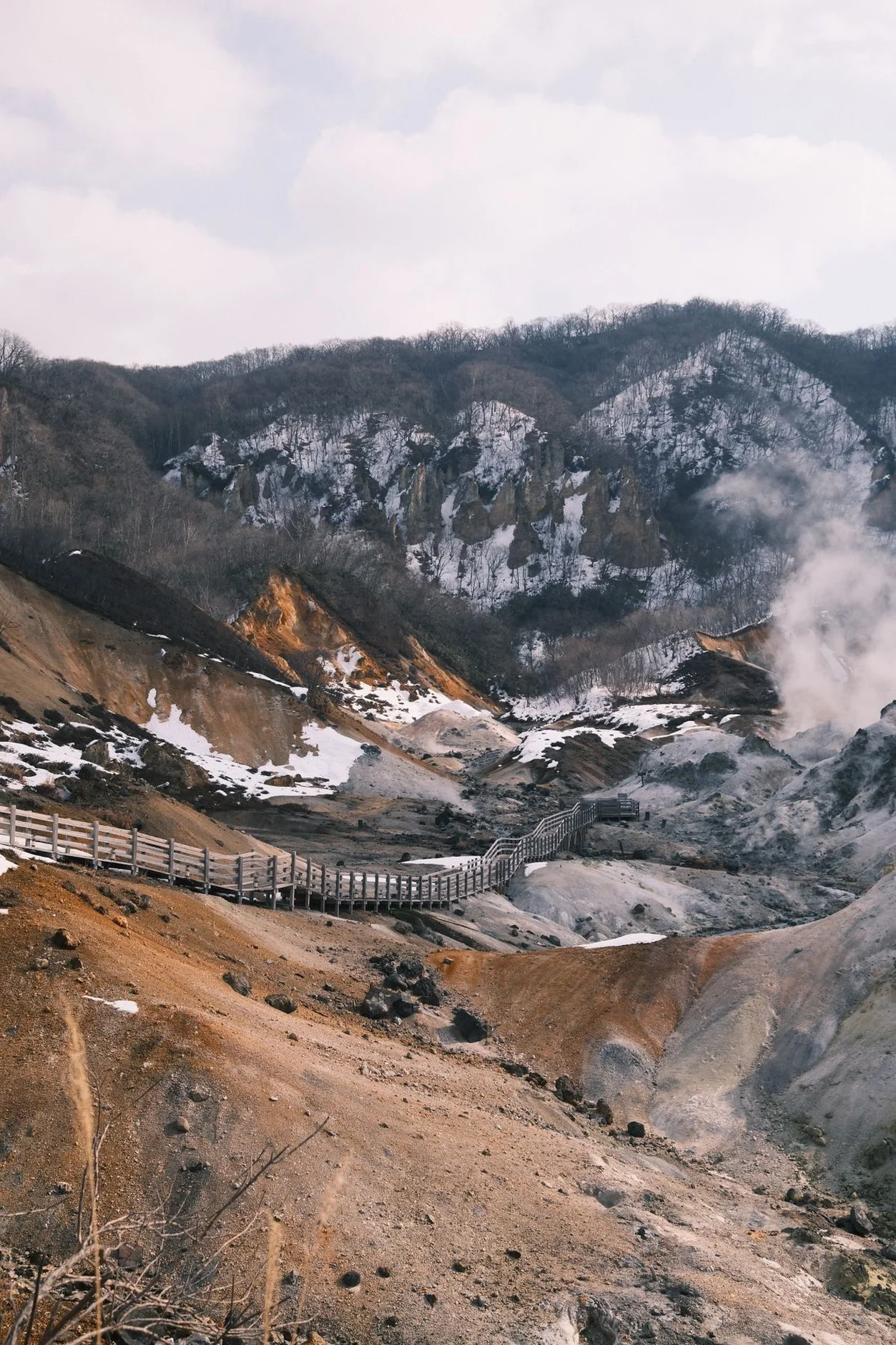
Noboribetsu Onsen
Hokkaido · 95°C
Hokkaido's volcanic spa valley with 11 different spring types and a steaming 'hell valley' caldera, producing more spring water than any other onsen in Japan.
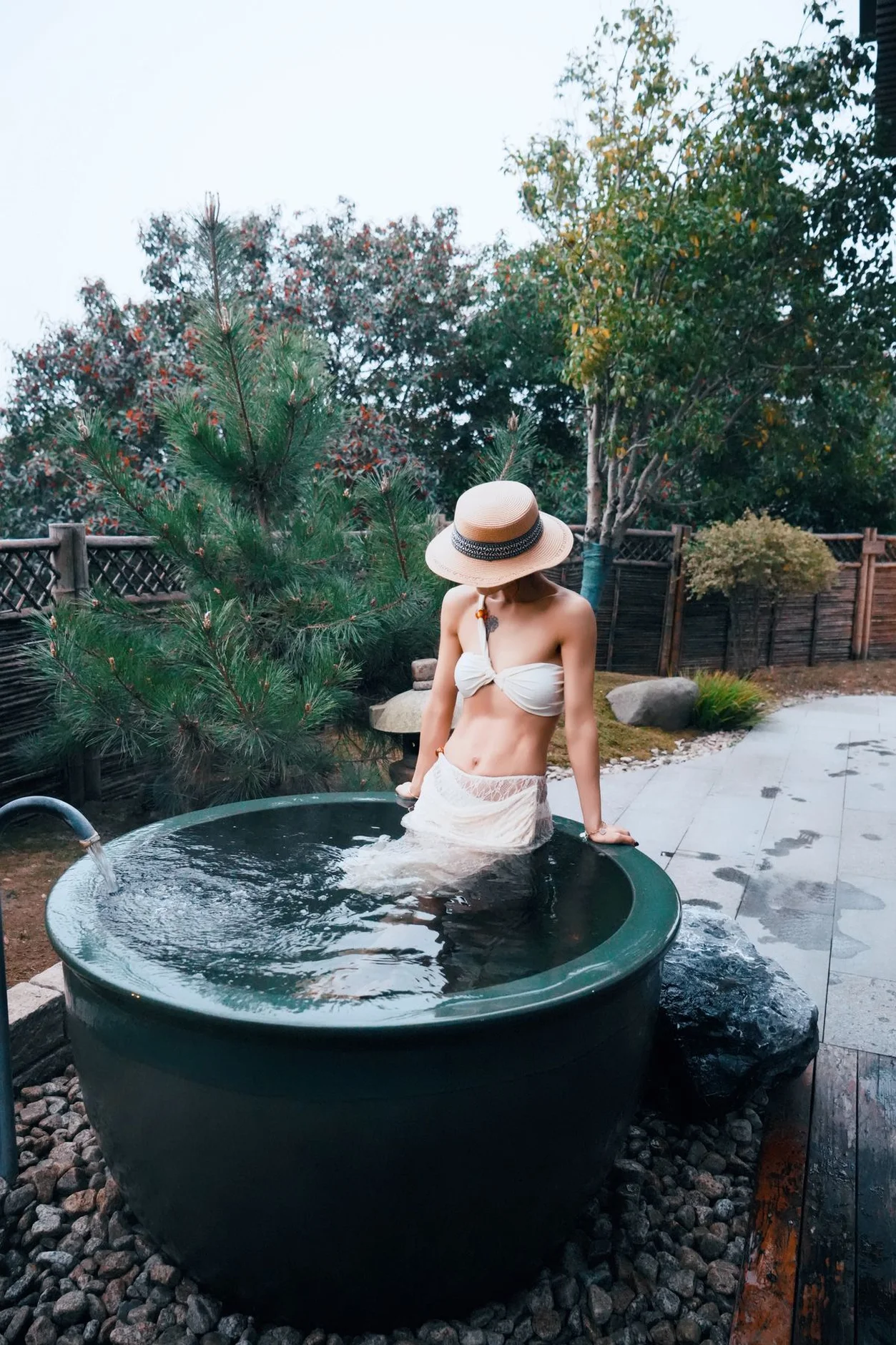
Nozawa Onsen
Nagano · 40–90°C
A beautifully preserved onsen village in the mountains of Nagano, Japan, where 13 public hot spring bathhouses (soto-yu) have served villagers and travellers since at least the 13th century.
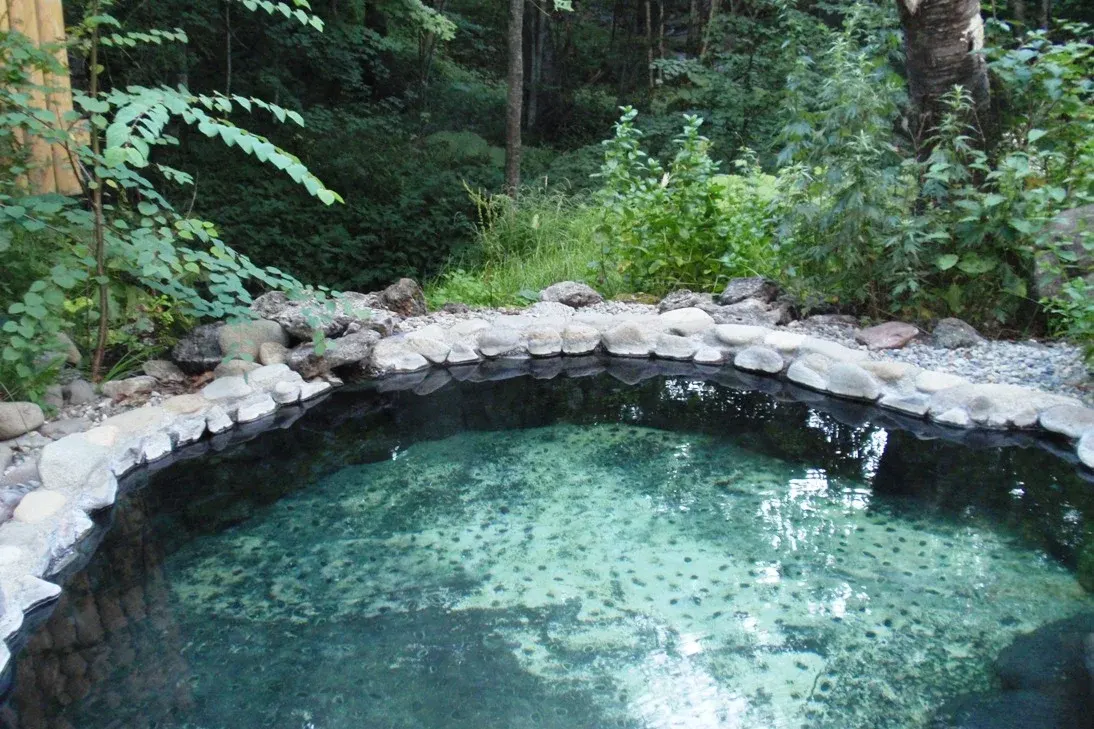
Nukabira Onsen
Kamishihoro, Kato District, Hokkaido · 59°C
A quiet hot spring village on the southwestern shore of Lake Nukabira in Hokkaido, developed since the Taisho era.
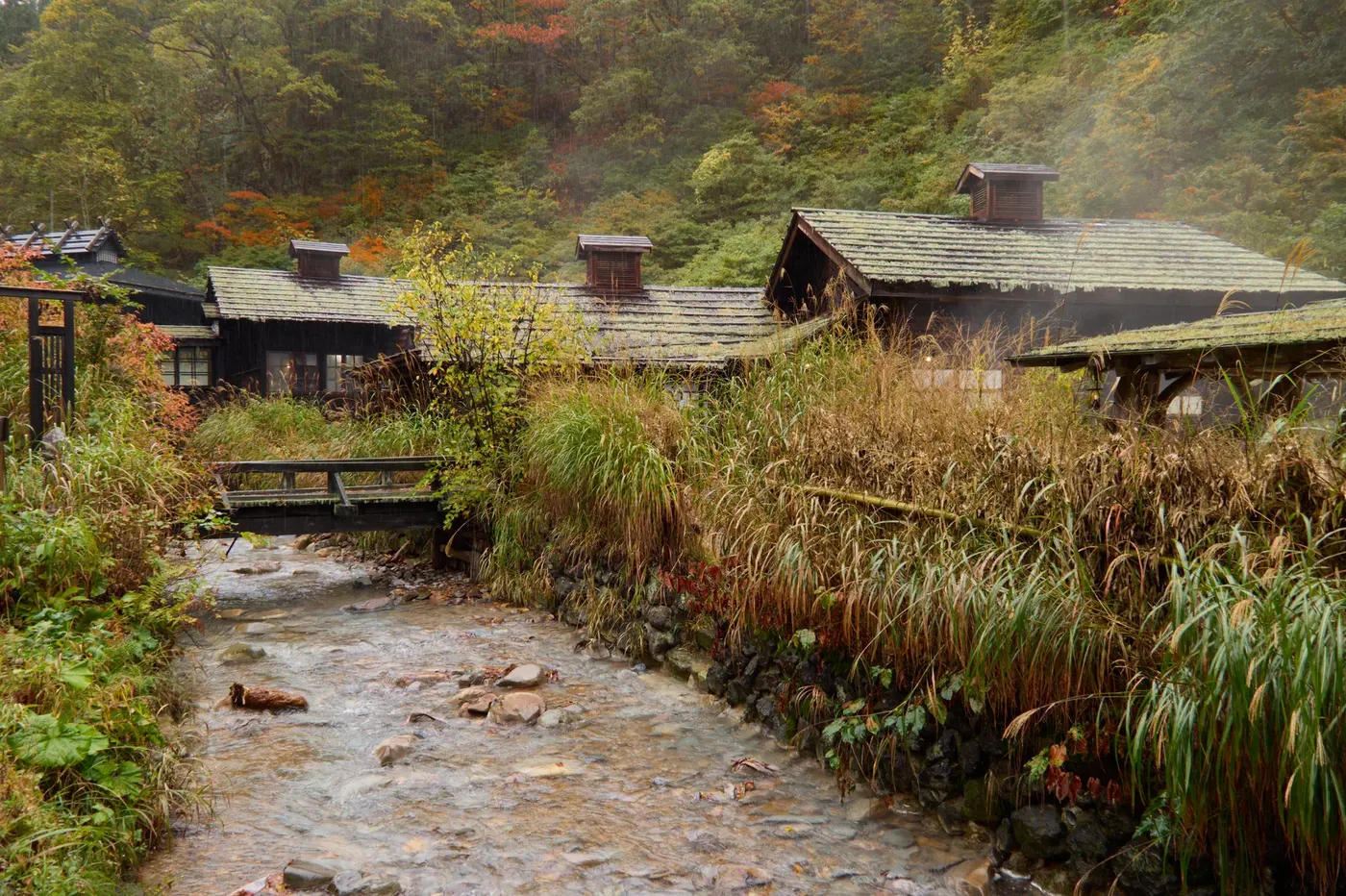
Nyuto Onsen
Akita Prefecture, Tohoku · 52°C
Seven wild mountain onsen deep in the beech forests of Akita Prefecture, each with its own milky sulphurous water and open-air rotemburo — accessible by a single shared wooden bath pass and largely unchanged since the Edo period.
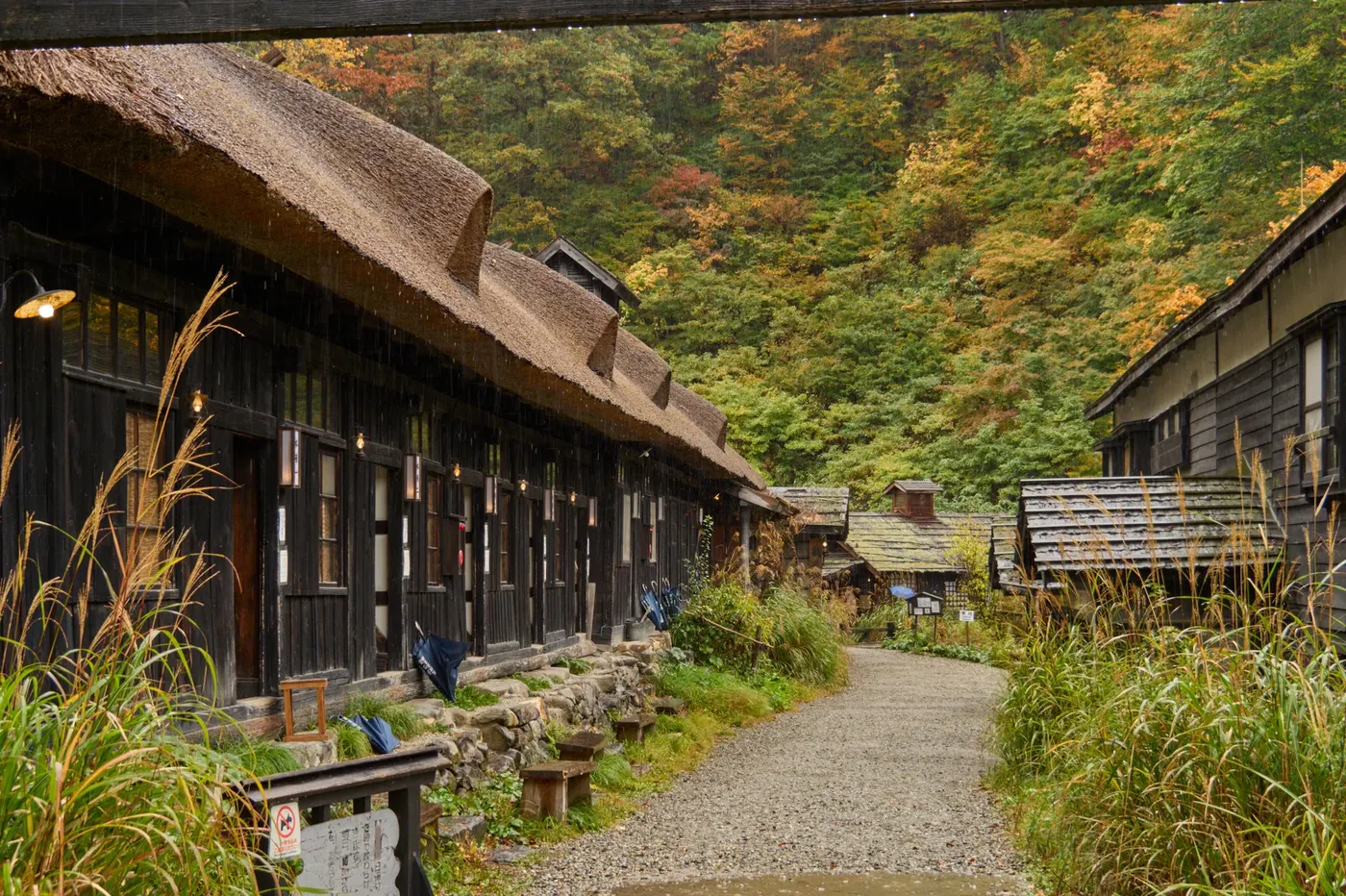
Nyuto Onsenkyo Taenoyu
Semboku, Akita Prefecture
A modernized ryokan within Nyuto Onsenkyo, a secluded beech-forest hot spring village at the foot of Mount Nyuto in Akita Prefecture.
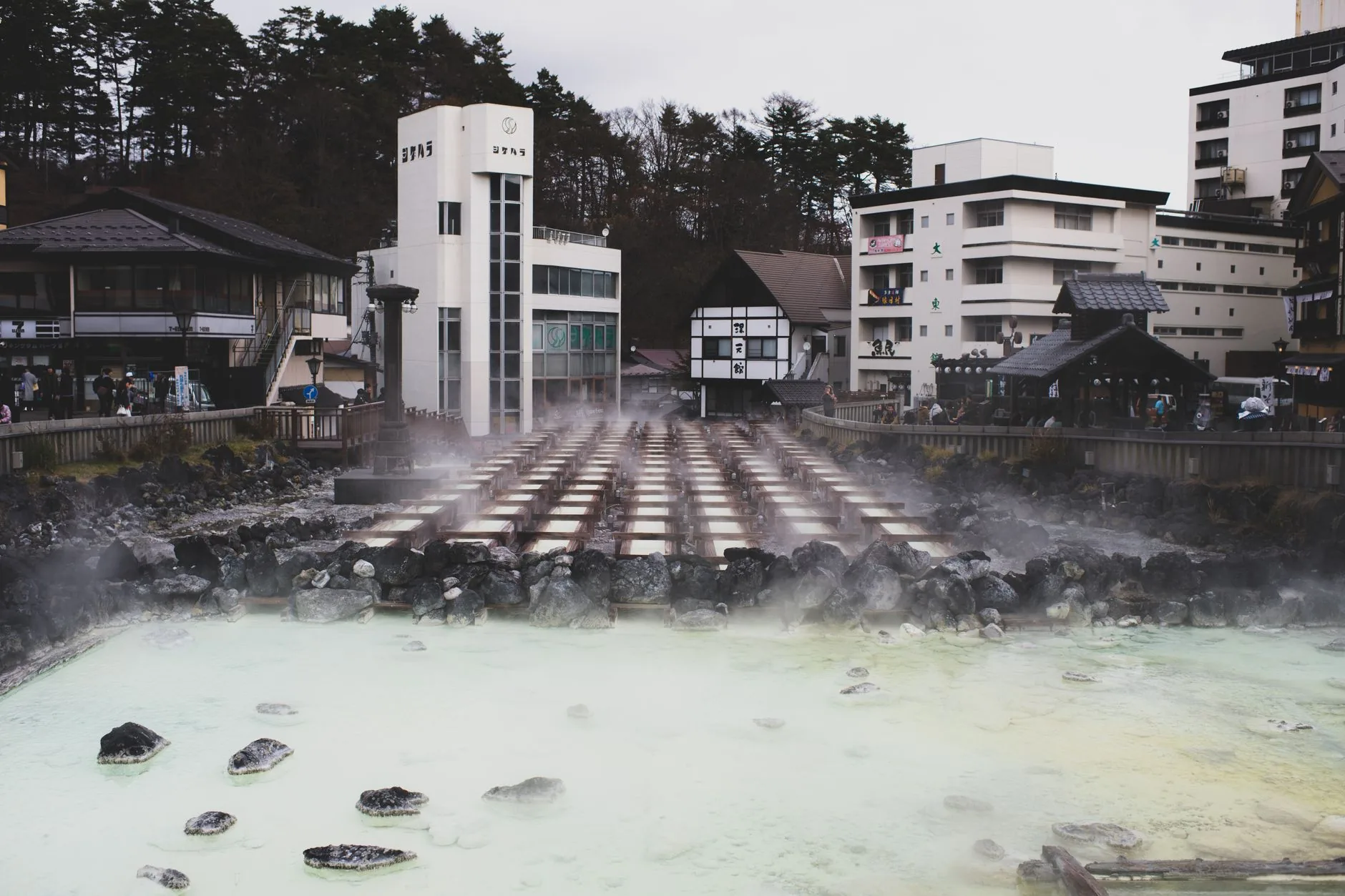
Onsen — Japanese Hot Spring Tradition
Nationwide — volcanic arc · 42°C
Japan's 27,000 geothermal hot spring sources, rising from one of the most volcanically active landscapes on Earth — the foundation of a bathing culture practiced for over 1,300 years.
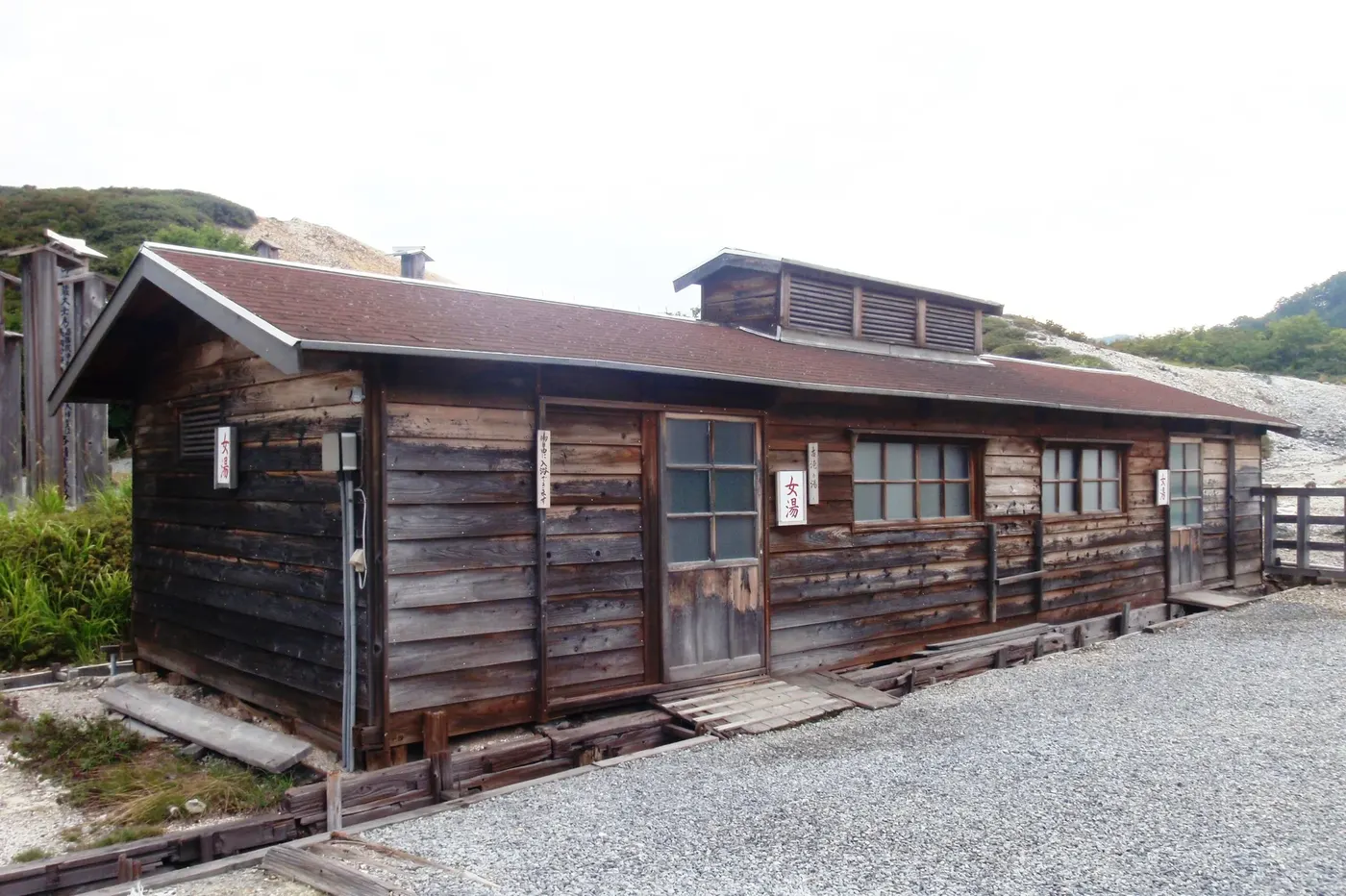
Osorezan Onsen
Mutsu, Shimokita Peninsula, Aomori Prefecture · 74.4°C
A strongly sulfurous, acidic hot spring within the grounds of Bodaiji Temple on the sacred volcanic Mount Osore, Aomori Prefecture.
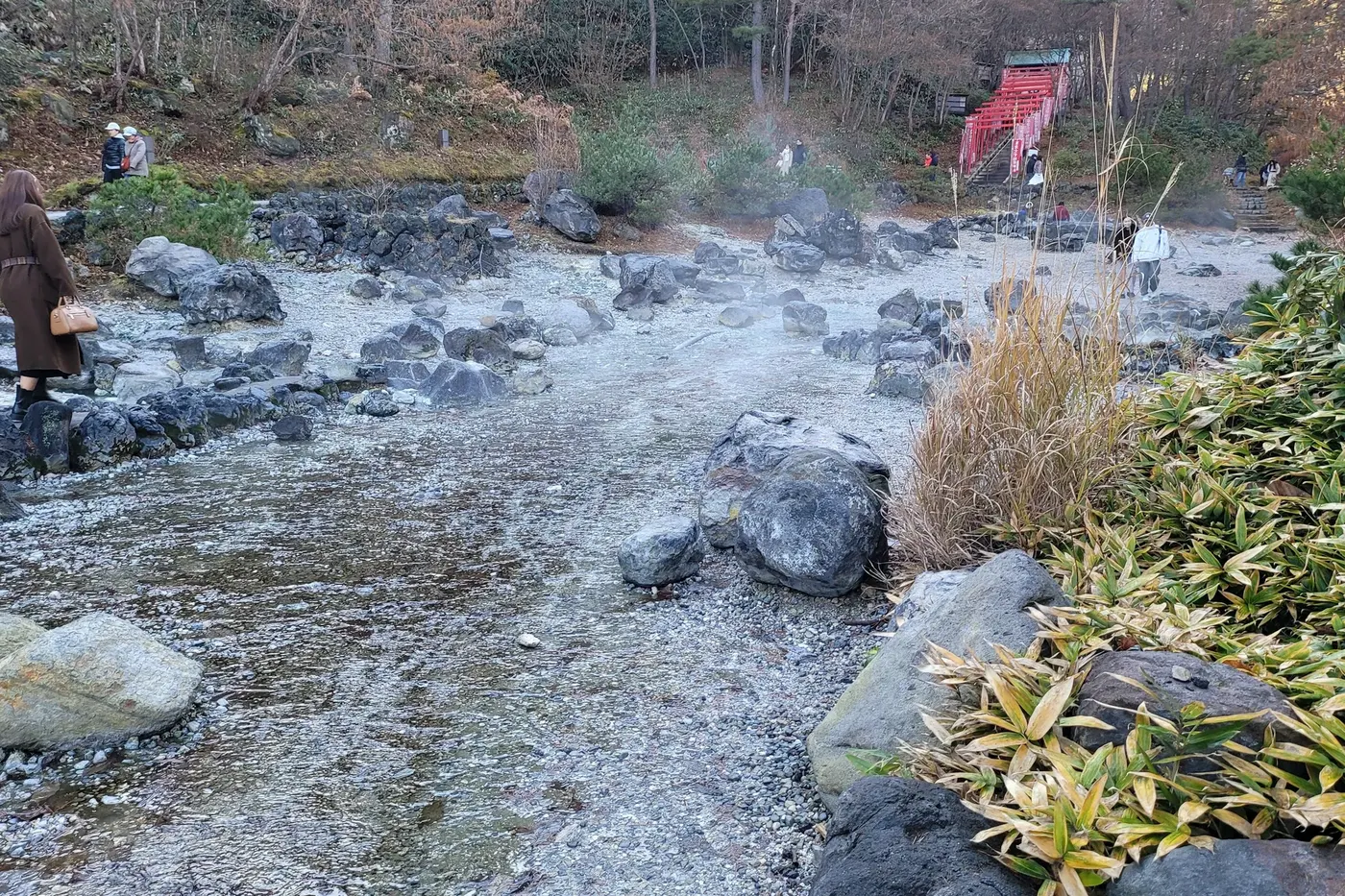
Sainokawara Rotenburo
Kusatsu, Agatsuma District, Gunma Prefecture
One of Japan's largest open-air hot spring baths, set within Sainokawara Park in Kusatsu Onsen and fed by Kusatsu's acidic, chloride-sulfate Bandai spring source.
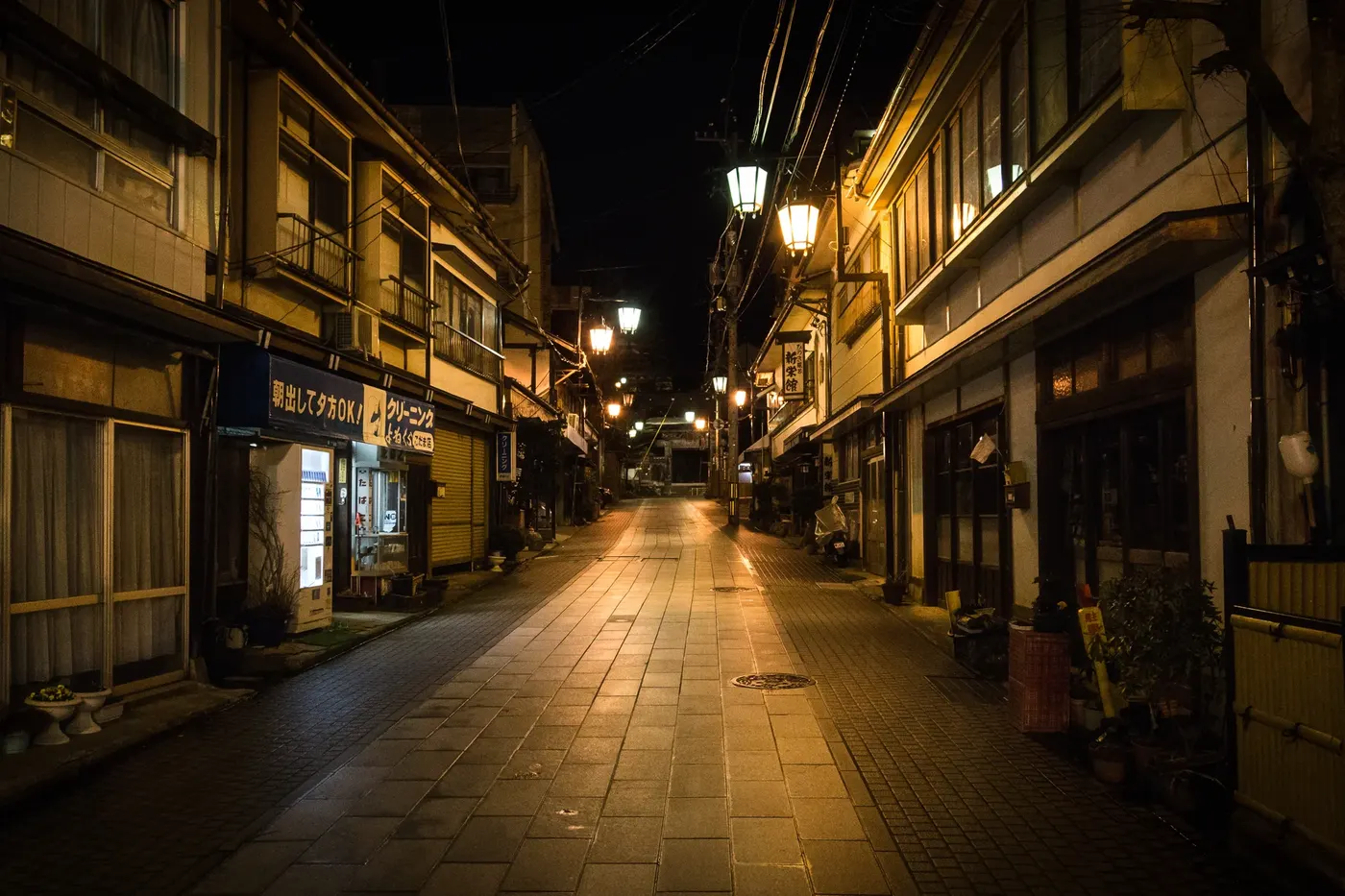
Shibu Onsen
Nagano Prefecture, Shinshu · 72°C
A 1,300-year-old stone-paved onsen village in Nagano with nine historic public bathhouses — guests collect stamps on a prayer towel by bathing at each, a ritual said to bring good fortune.
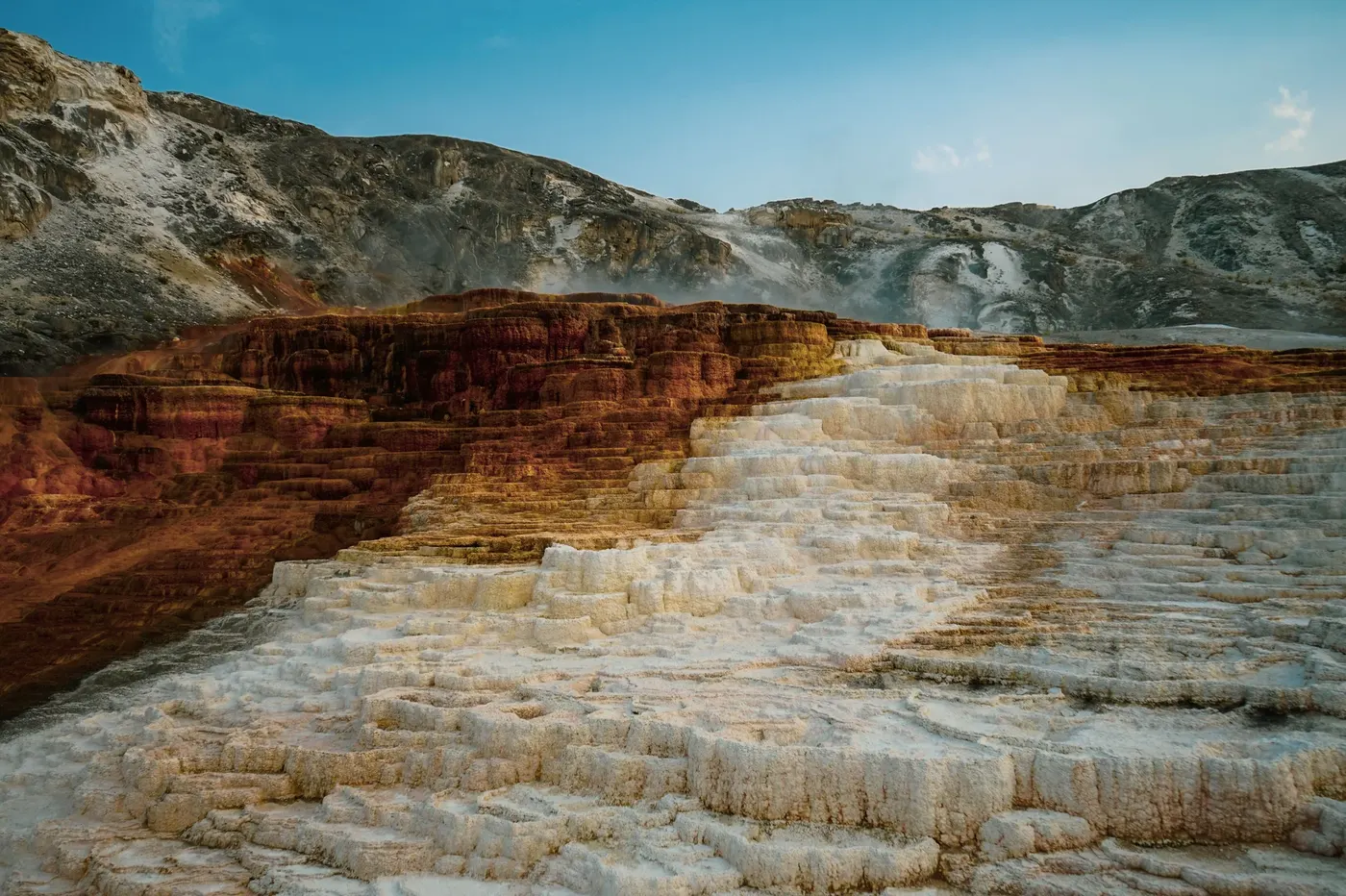
Shikaribetsu Kotan
Shikaoi, Kato District, Hokkaido
A seasonal ice village built each winter on the frozen surface of Lake Shikaribetsu, Hokkaido's highest-elevation lake, featuring an open-air hot spring bath carved into the ice.
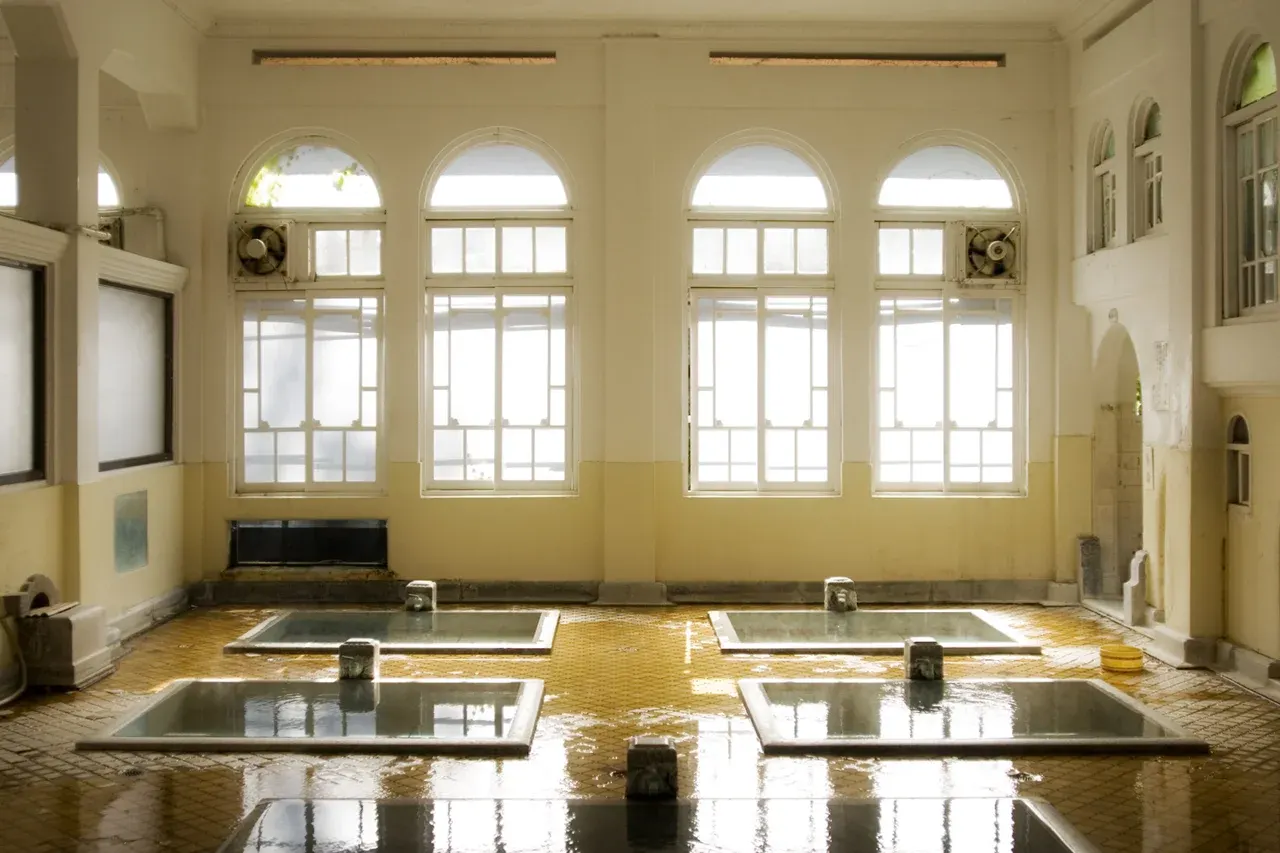
Shima Onsen
Nakanojo, Agatsuma District, Gunma Prefecture, Kanto
A 1,000-year-old hot spring village in Nakanojo, Gunma Prefecture, home to the 300-year-old Sekizenkan ryokan said to have inspired the bathhouse in Spirited Away.
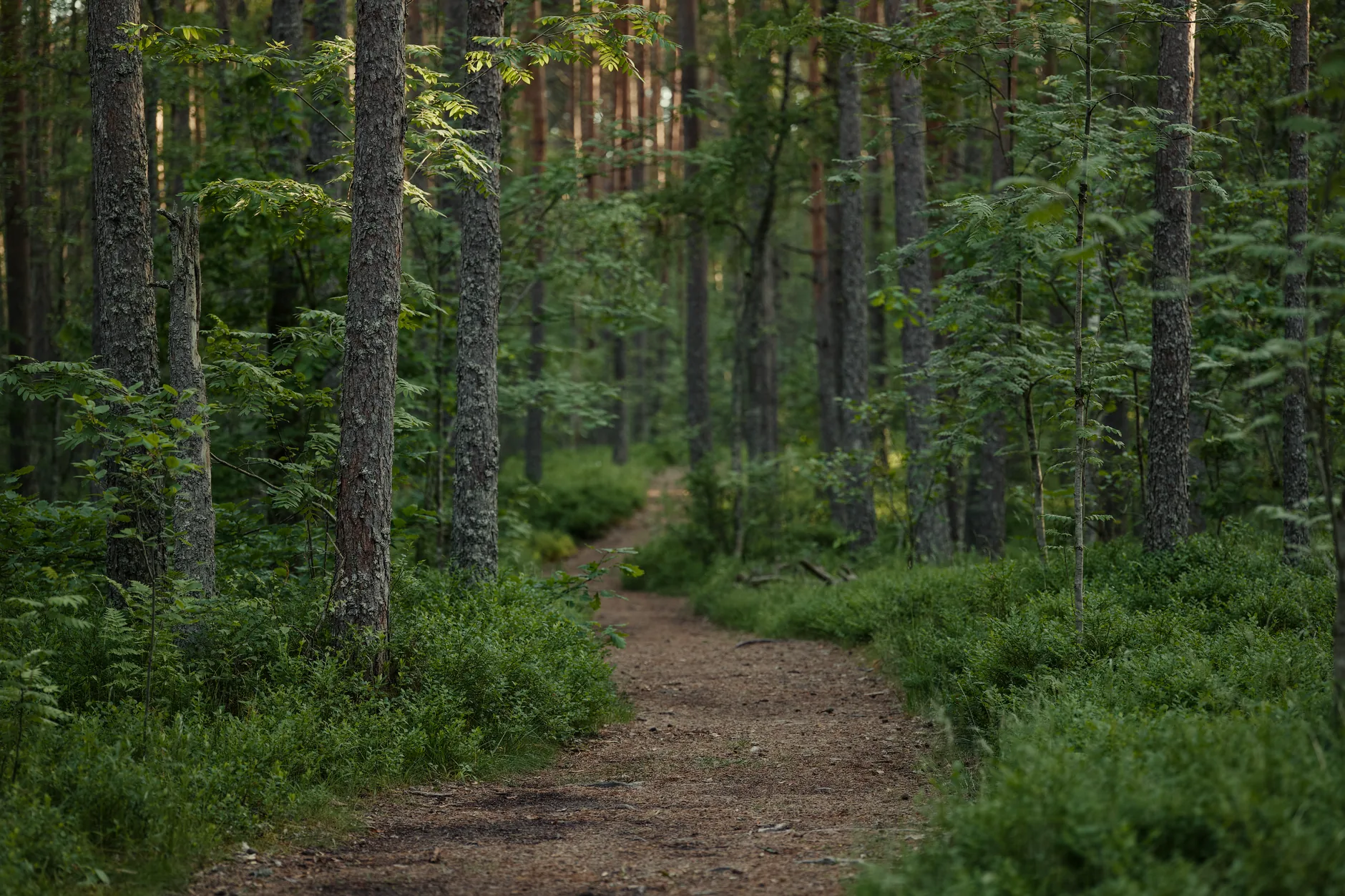
Shinrin-yoku — Forest Bathing
Nationwide — designated forest therapy trails · 0°C
Japan's practice of therapeutic forest immersion — the scientifically studied tradition of slow, sensory engagement with woodland environments that Japanese research has linked to measurable reductions in stress hormones, blood pressure, and immune suppression.
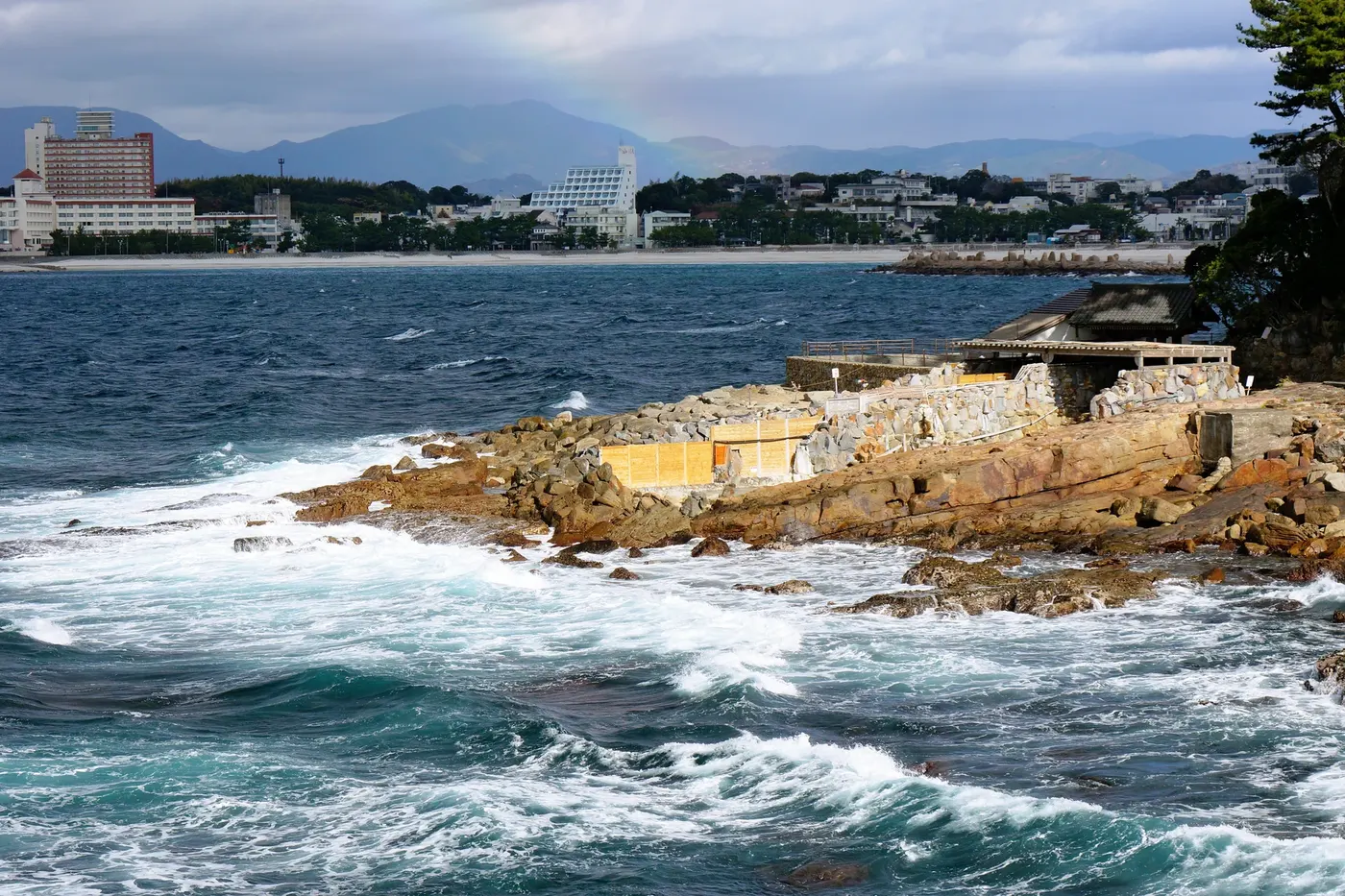
Shirahama Onsen
Shirahama, Nishimuro District, Wakayama Prefecture
One of Japan's three oldest hot springs, on the coast of Wakayama, recorded in 8th-century chronicles.
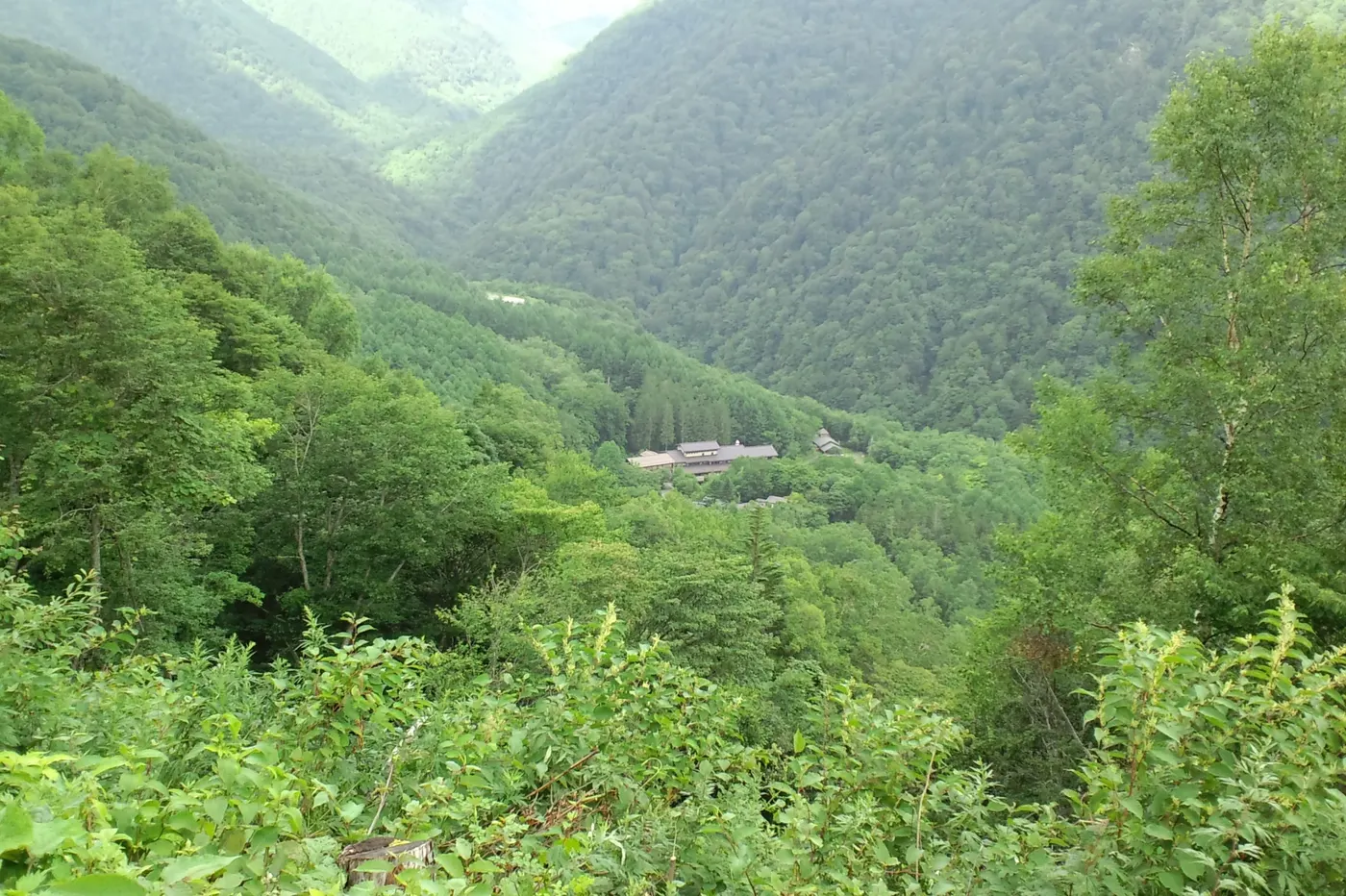
Shirahone Onsen
Matsumoto, Nagano Prefecture
A small onsen village at 1,400 meters in the Northern Japan Alps whose milky white water — the source of its name, meaning 'white bone' — turns cloudy on contact with air.
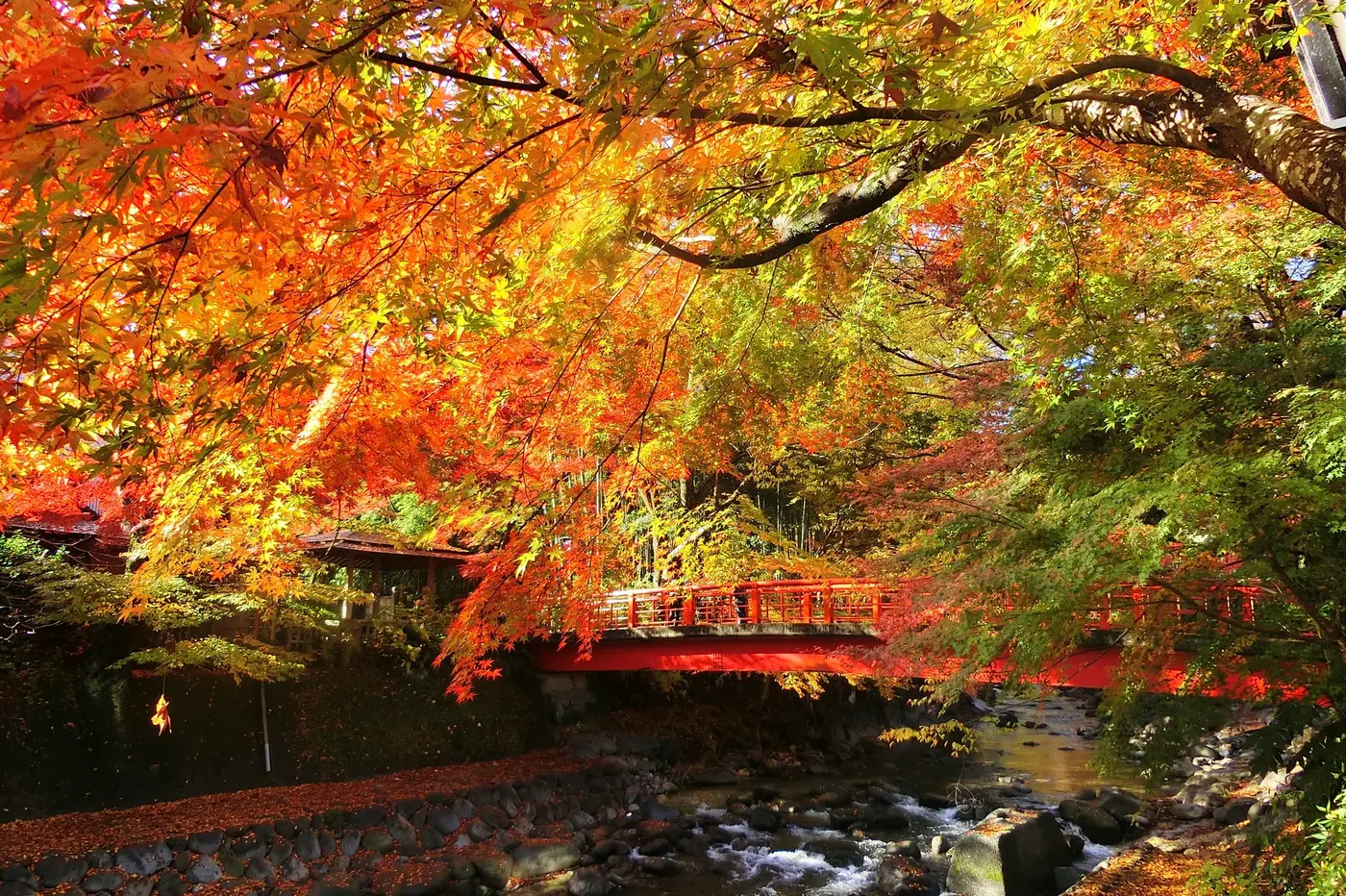
Shuzenji Onsen
Izu, Shizuoka Prefecture
The oldest hot spring town on the Izu Peninsula, Shizuoka Prefecture, traditionally founded around 807 by the Buddhist monk Kobo Daishi.
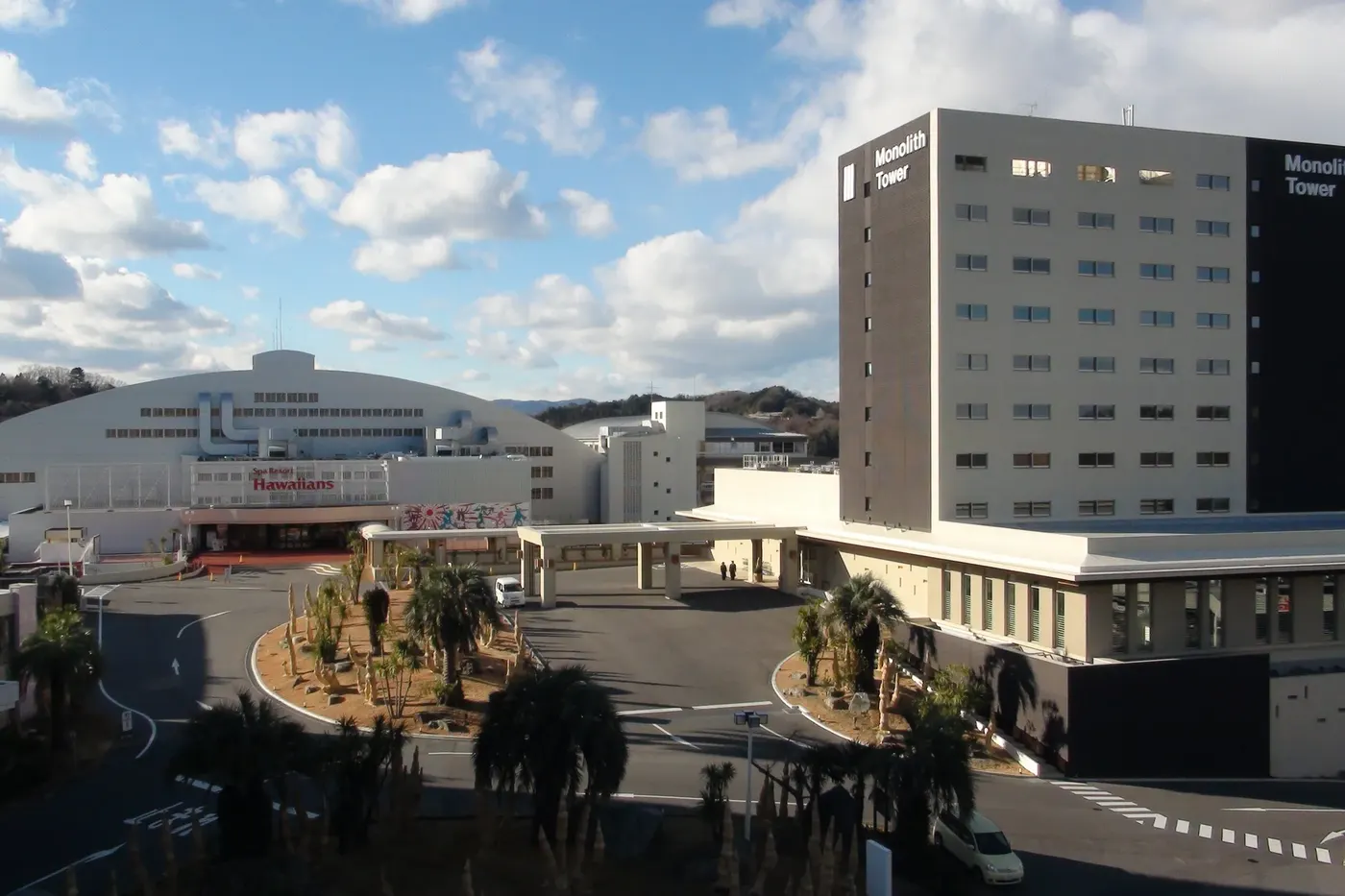
Spa Resort Hawaiians
Iwaki, Fukushima Prefecture
A Hawaiian-themed indoor water park and spa resort in Iwaki, Fukushima, built on the geothermal water of Iwaki Yumoto Onsen and opened in 1966 as a way to revive a declining coal-mining town.
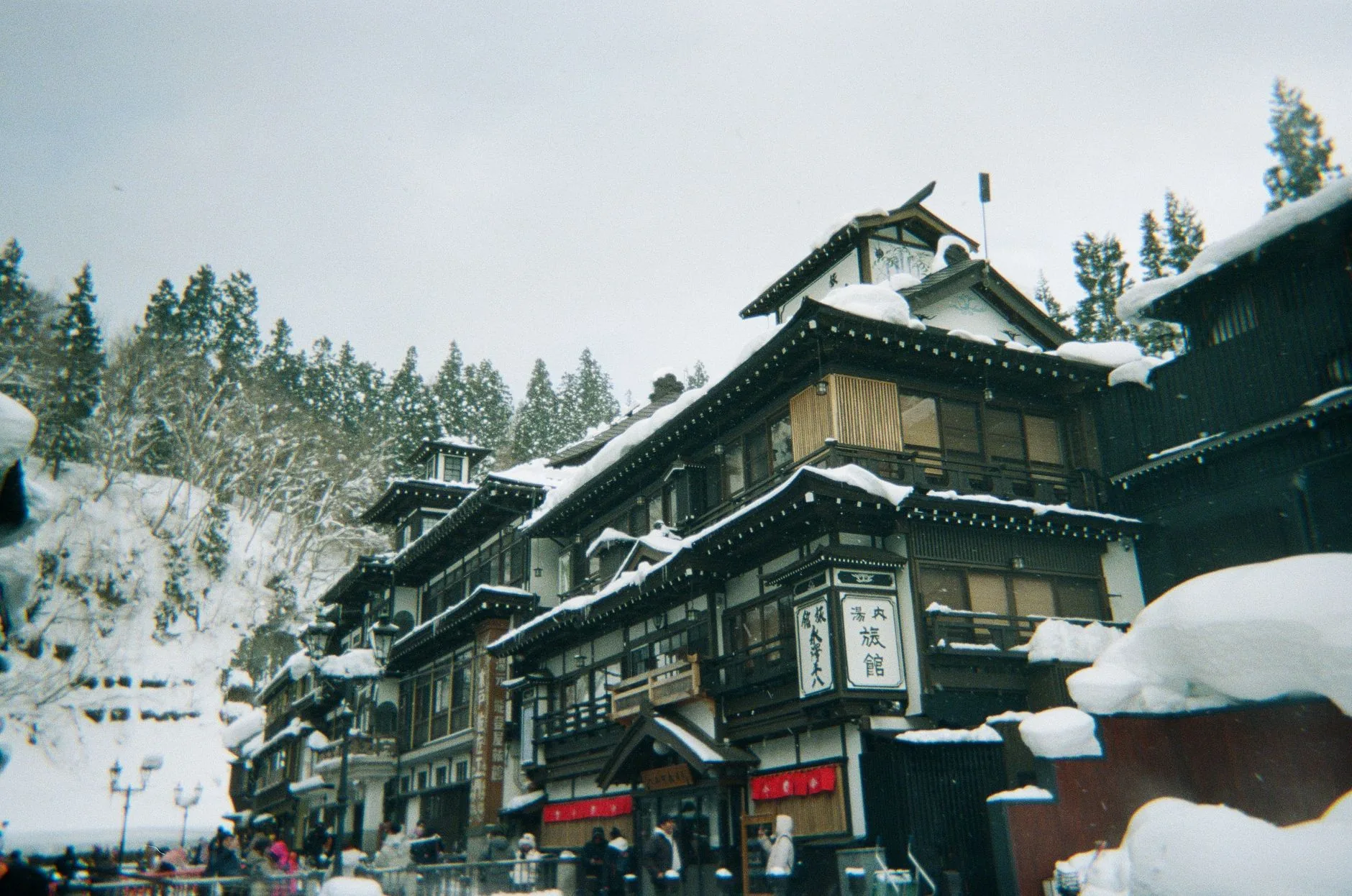
Sukayu Onsen
Aomori · 42°C
A legendary mountain onsen in Aomori with one of Japan's largest communal wooden bathhouses, where sulphurous waters have flowed at 925 metres in the Hakkōda Mountains since 1684.
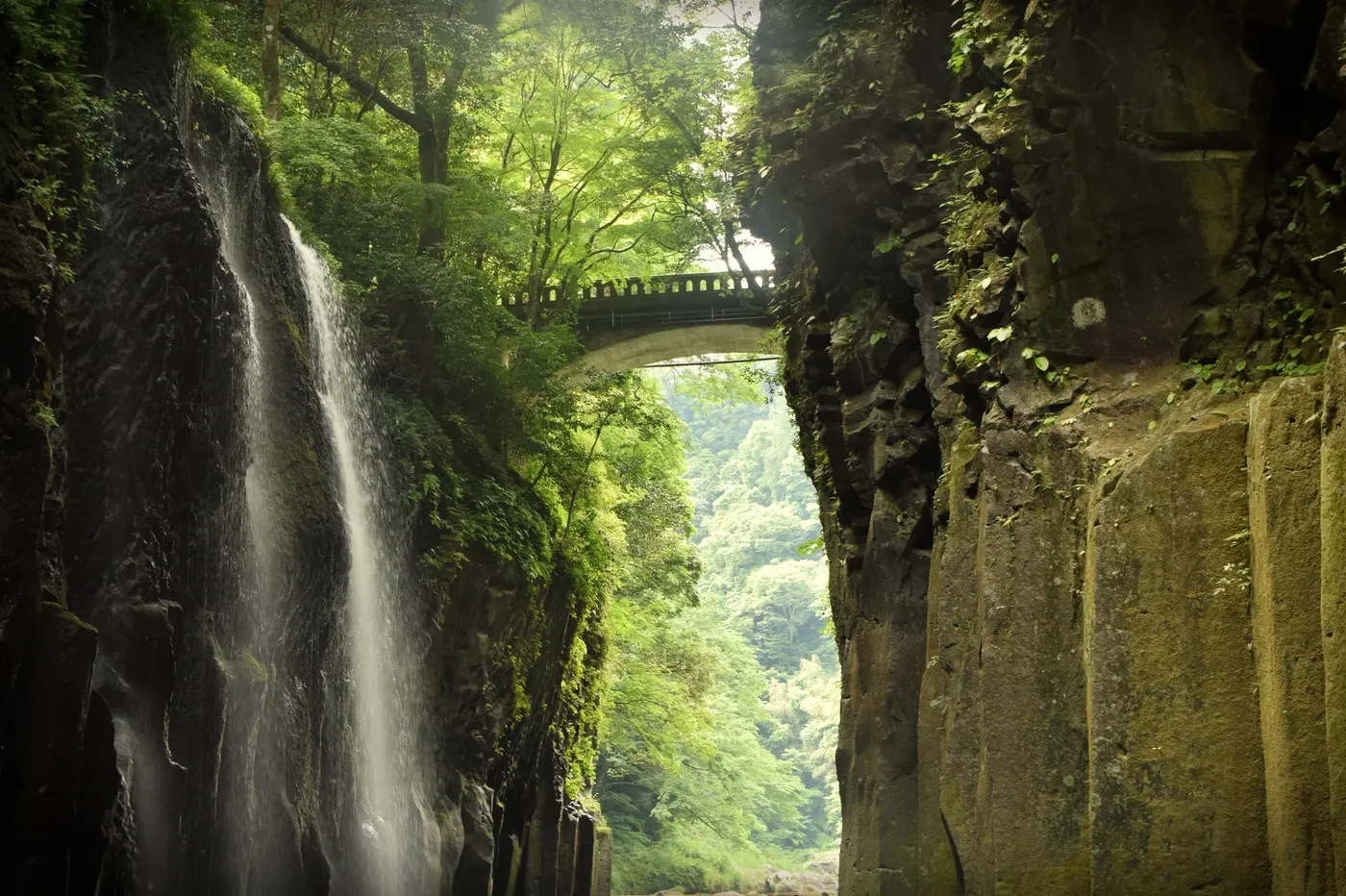
Takachiho Onsen
Takachiho, Nishiusuki District, Miyazaki Prefecture, Kyushu
A modern day-spa hot spring facility (opened 1998) near Takachiho Gorge in Miyazaki Prefecture, Kyushu.
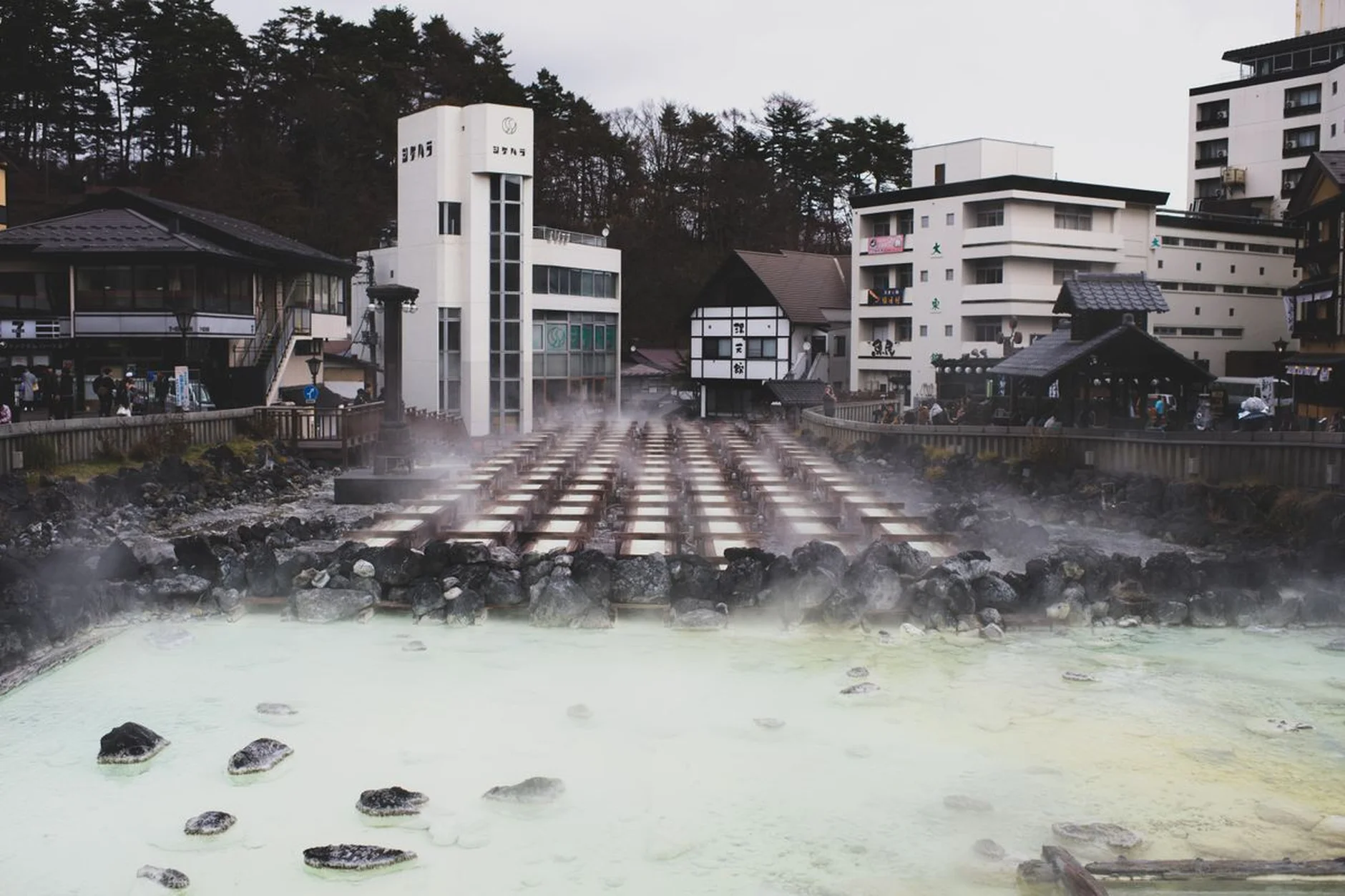
Takaragawa Onsen
Minakami, Gunma Prefecture · 42°C
Japan's largest outdoor hot spring complex — four riverside rotemburo baths beside the Takara River in the mountains of Gunma, fed by a 42°C spring flowing at 55 litres per second.
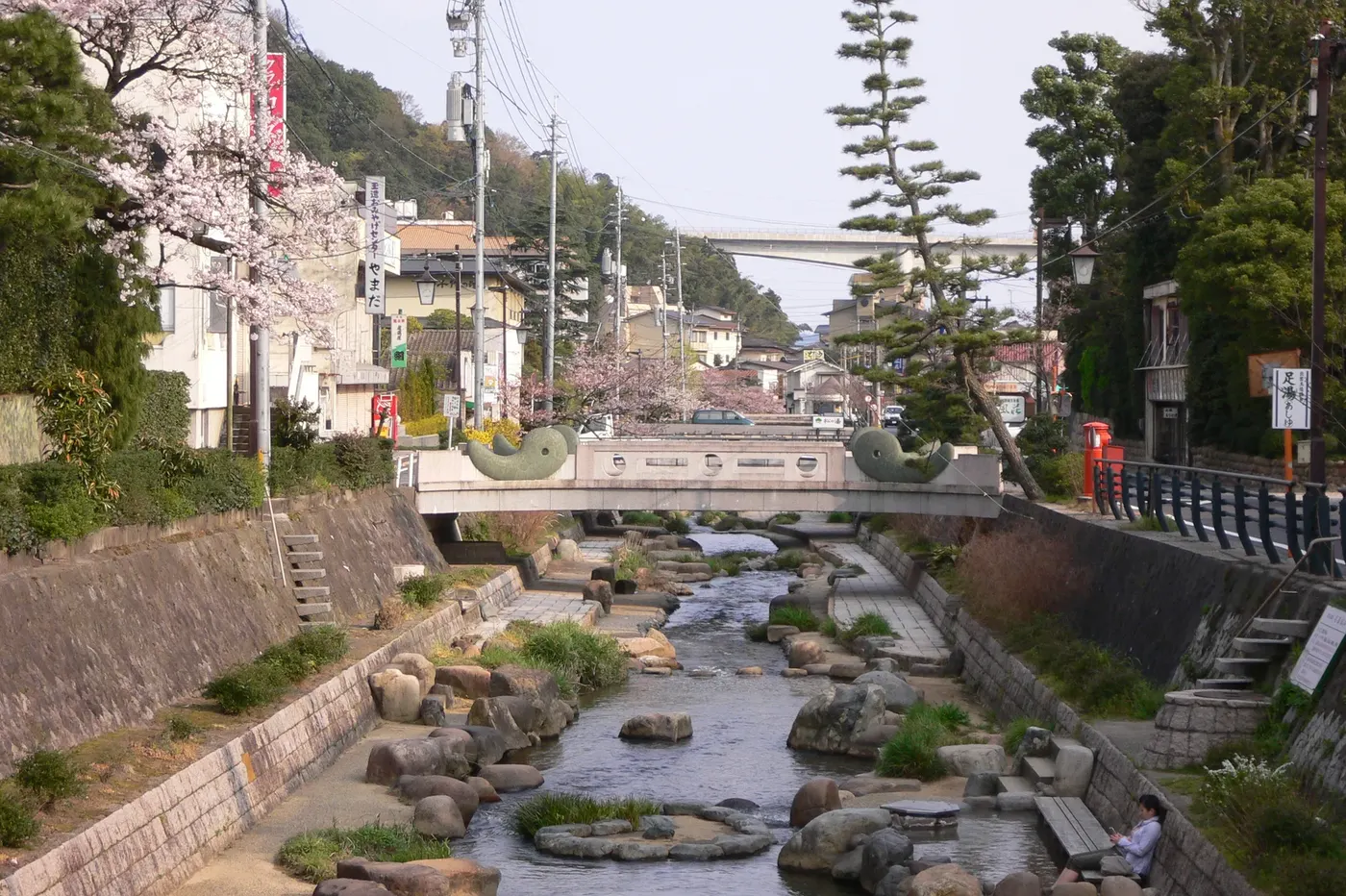
Tamatsukuri Onsen
Shimane Prefecture, San'in · 57°C
One of Japan's oldest documented hot springs, recorded in 733 CE and celebrated for over a millennium as a beauty spring — its alkaline sulfate water is rich in metasilicic acid, the same compound found in skincare products.
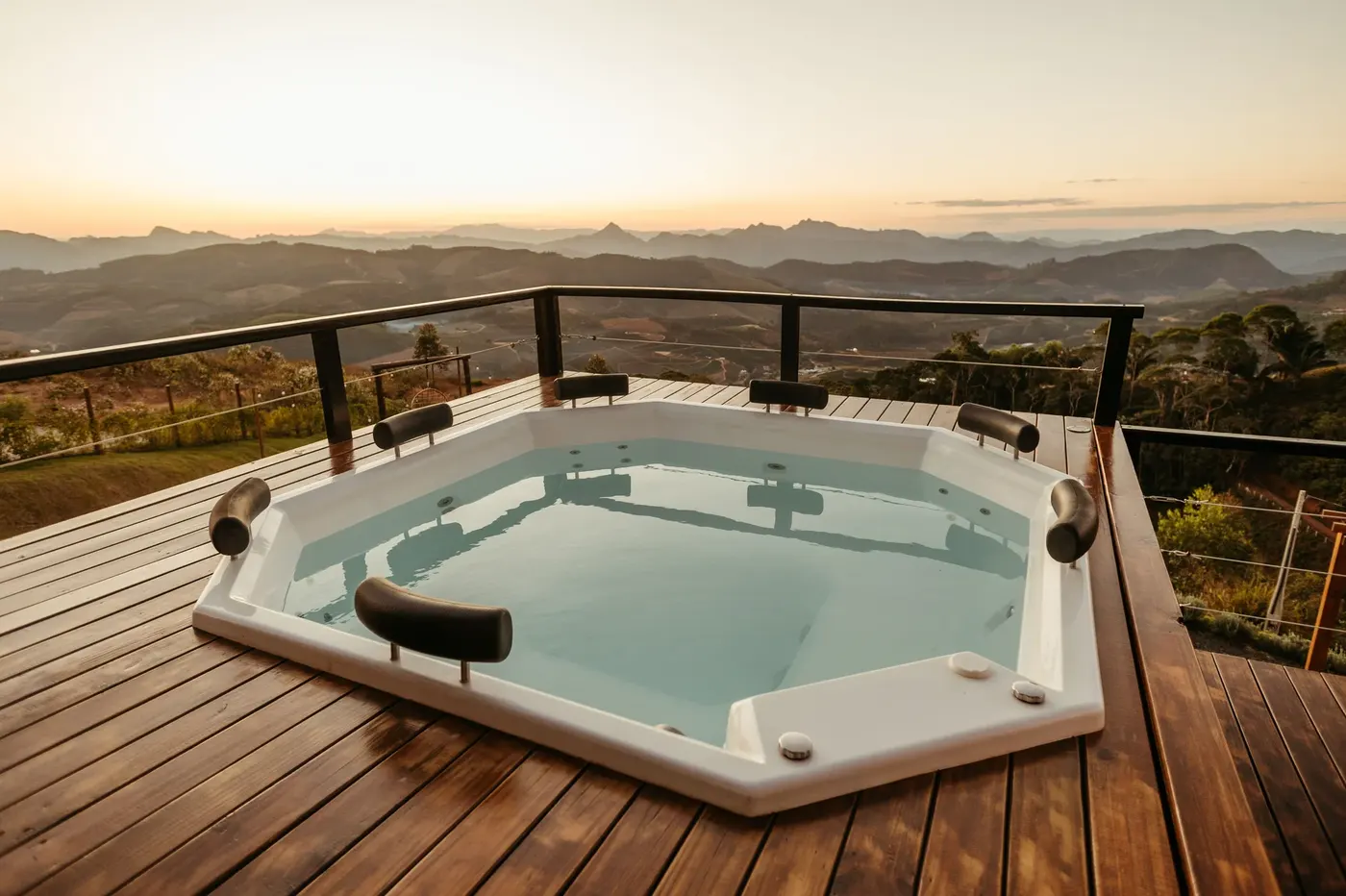
Thermae-Yu
Kabukicho, Shinjuku, Tokyo
A 24-hour natural hot spring bathhouse in the Kabukicho district of Shinjuku, Tokyo.
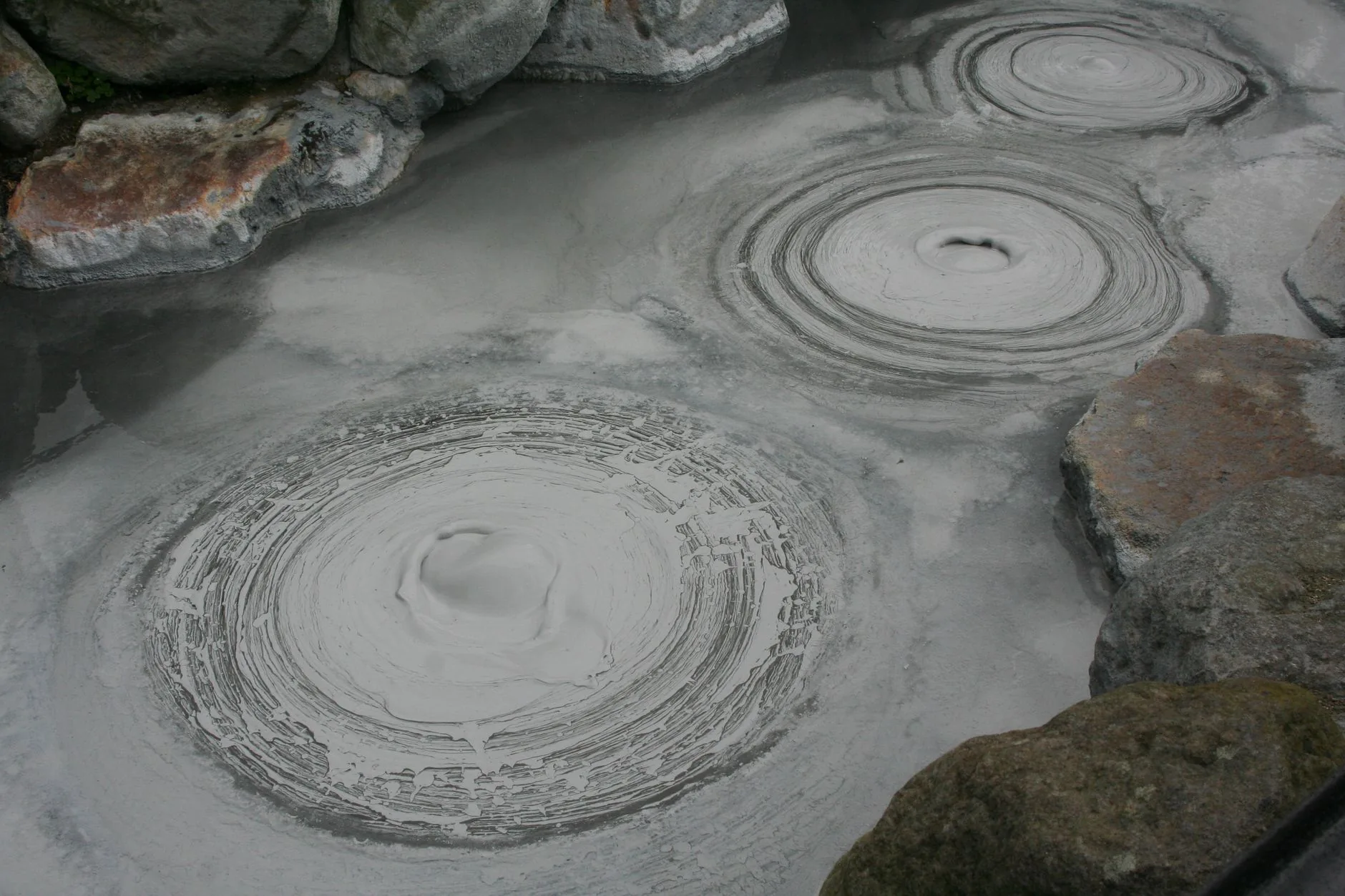
Tokyo Geothermal Springs
Tokyo · 37°C
Tokyo sits atop a network of natural saline hot springs that supply hundreds of traditional bathhouses and onsen facilities across the world's largest city.
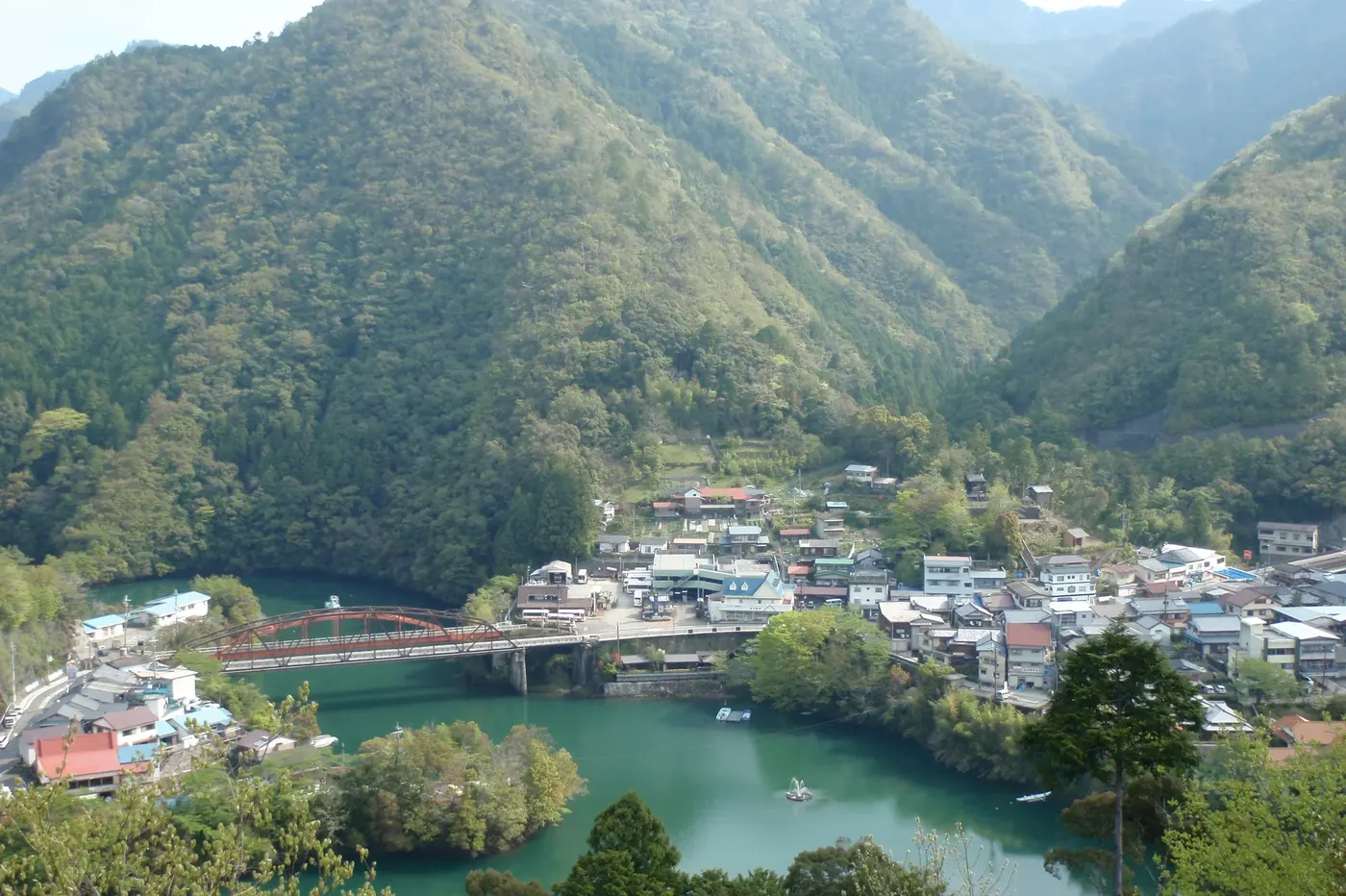
Totsukawa Onsen
Totsukawa, Yoshino District, Nara Prefecture · 78°C
A free-flowing hot spring in Japan's largest village, in the mountains of southern Nara Prefecture.
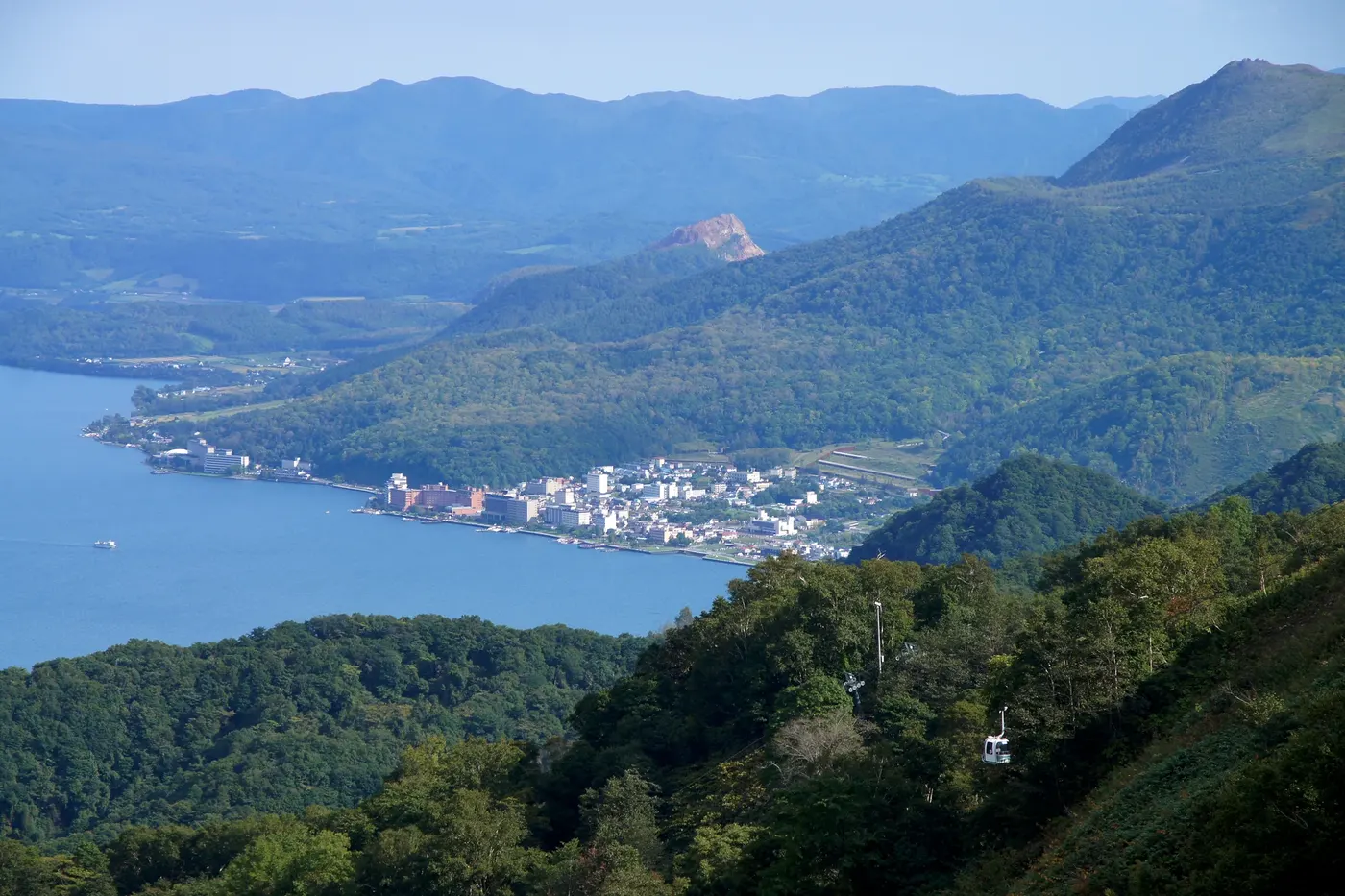
Toyako Onsen
Toyako-cho, Abuta District, Hokkaido · 50.3°C
A lakeside hot spring resort on the southern shore of Lake Toya, Hokkaido, that emerged after Mount Usu's 1910 eruption.
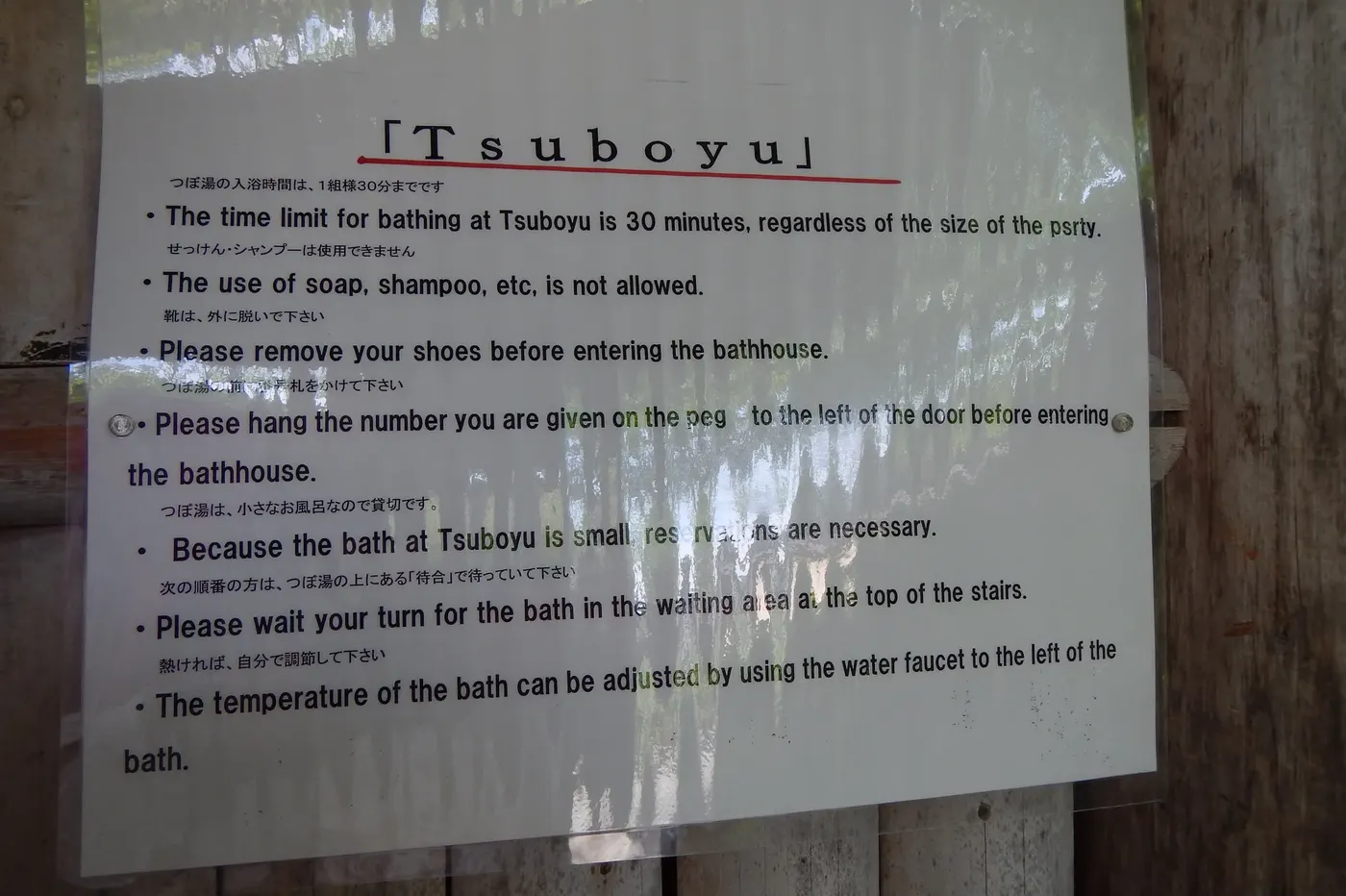
Tsuboyu (Yunomine Onsen)
Tanabe, Wakayama Prefecture, Kansai · 90°C
A single-person stone bath in Yunomine Onsen, Wakayama Prefecture, the only hot spring bath included in a UNESCO World Heritage listing.
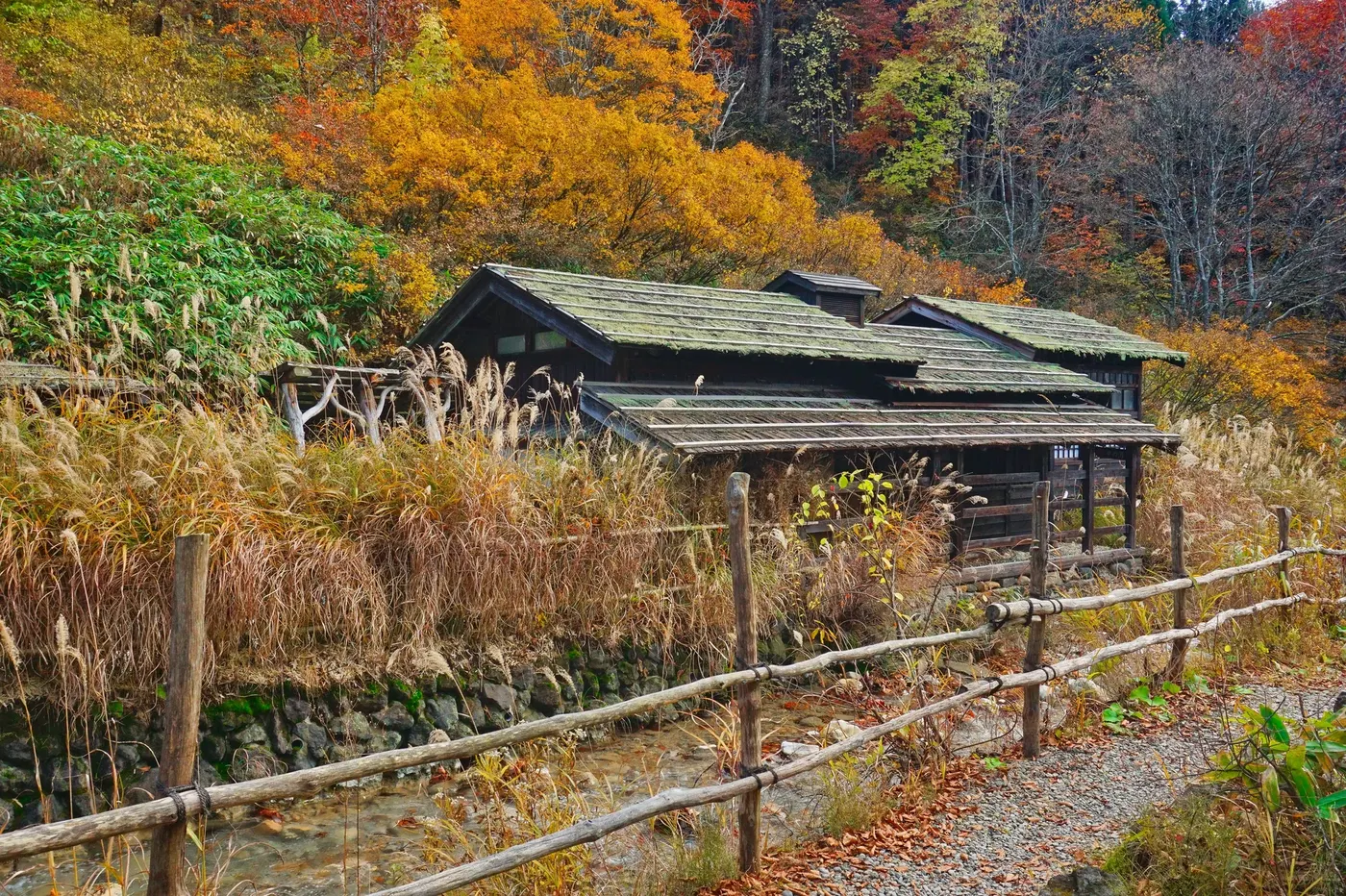
Tsurunoyu Onsen
Nyuto Onsenkyo, Senboku, Akita Prefecture
The oldest ryokan in Akita's Nyuto Onsenkyo, famed for its milky-white open-air sulfur bath.
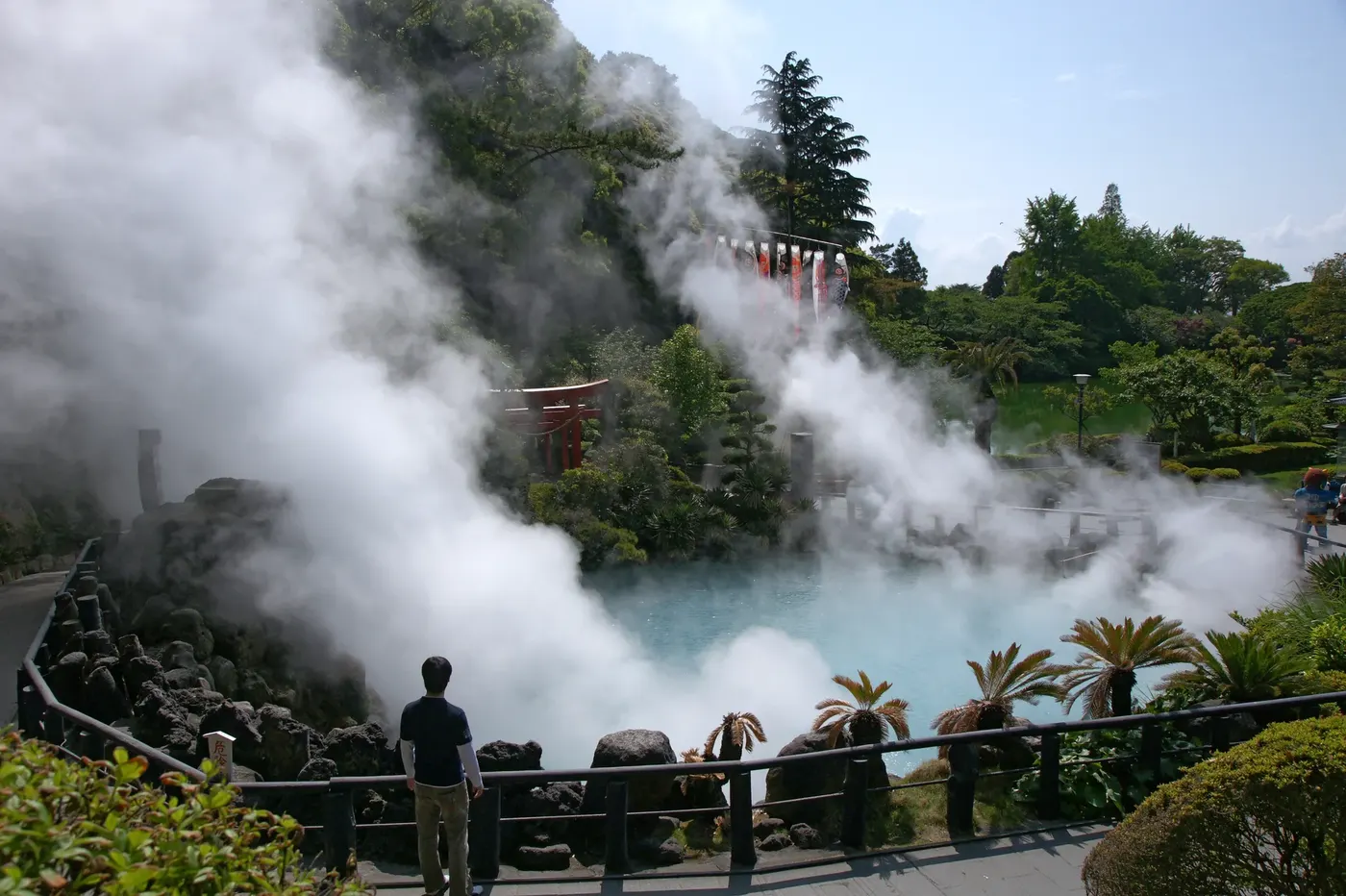
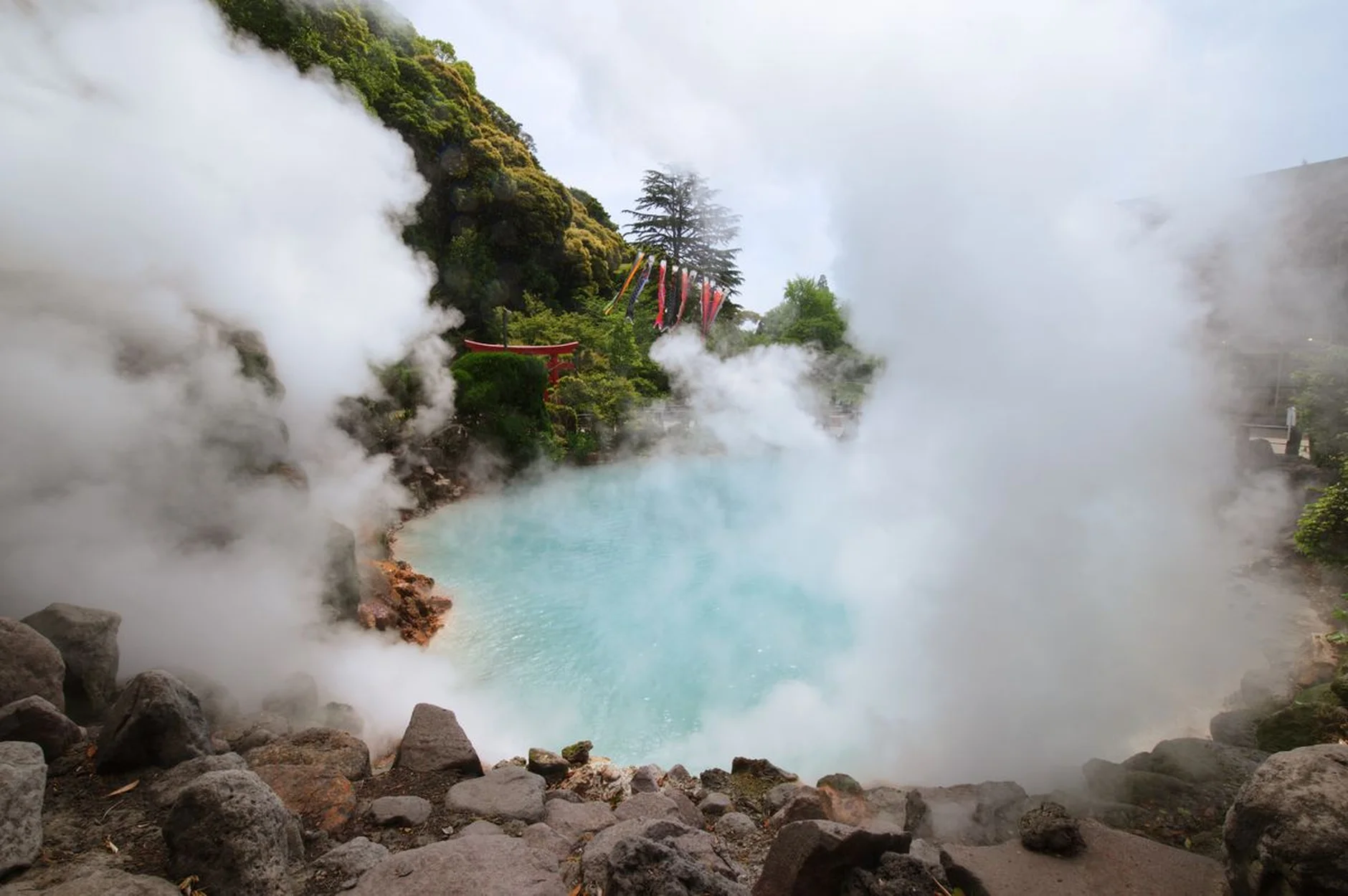
Umi Jigoku — Sea Hell
Oita · 98°C
The most striking of Beppu's Eight Hells — a 98°C cobalt-blue geothermal pool born from a volcanic eruption 1,200 years ago, its vivid colour produced by dissolved ferric sulphate.
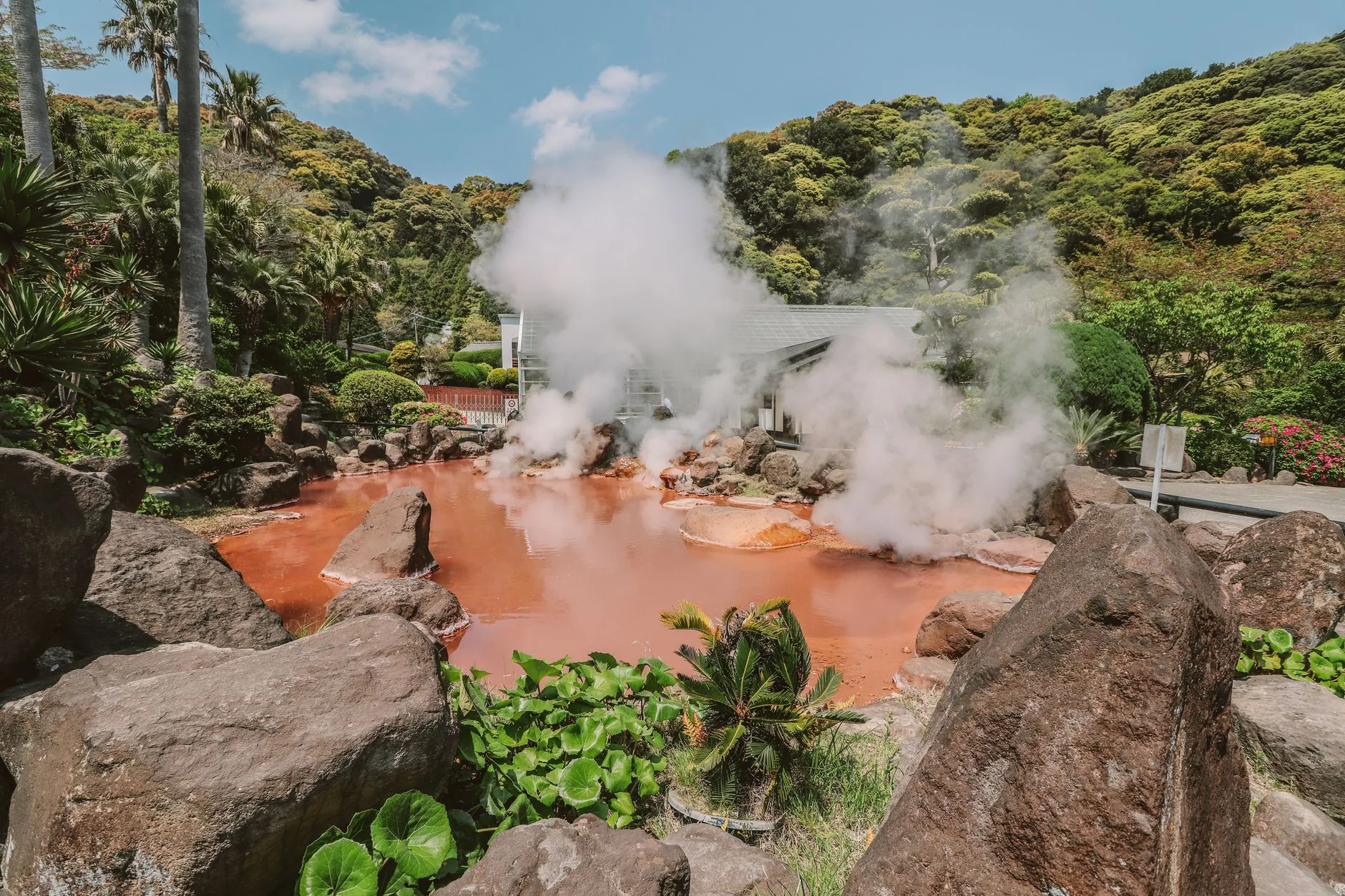
Unzen Onsen
Nagasaki · 90°C
Japan's first national park, with dramatic smoking volcanic 'jigoku' (hell) vents and some of Japan's most acidic therapeutic springs, 55 km from Nagasaki cruise port.
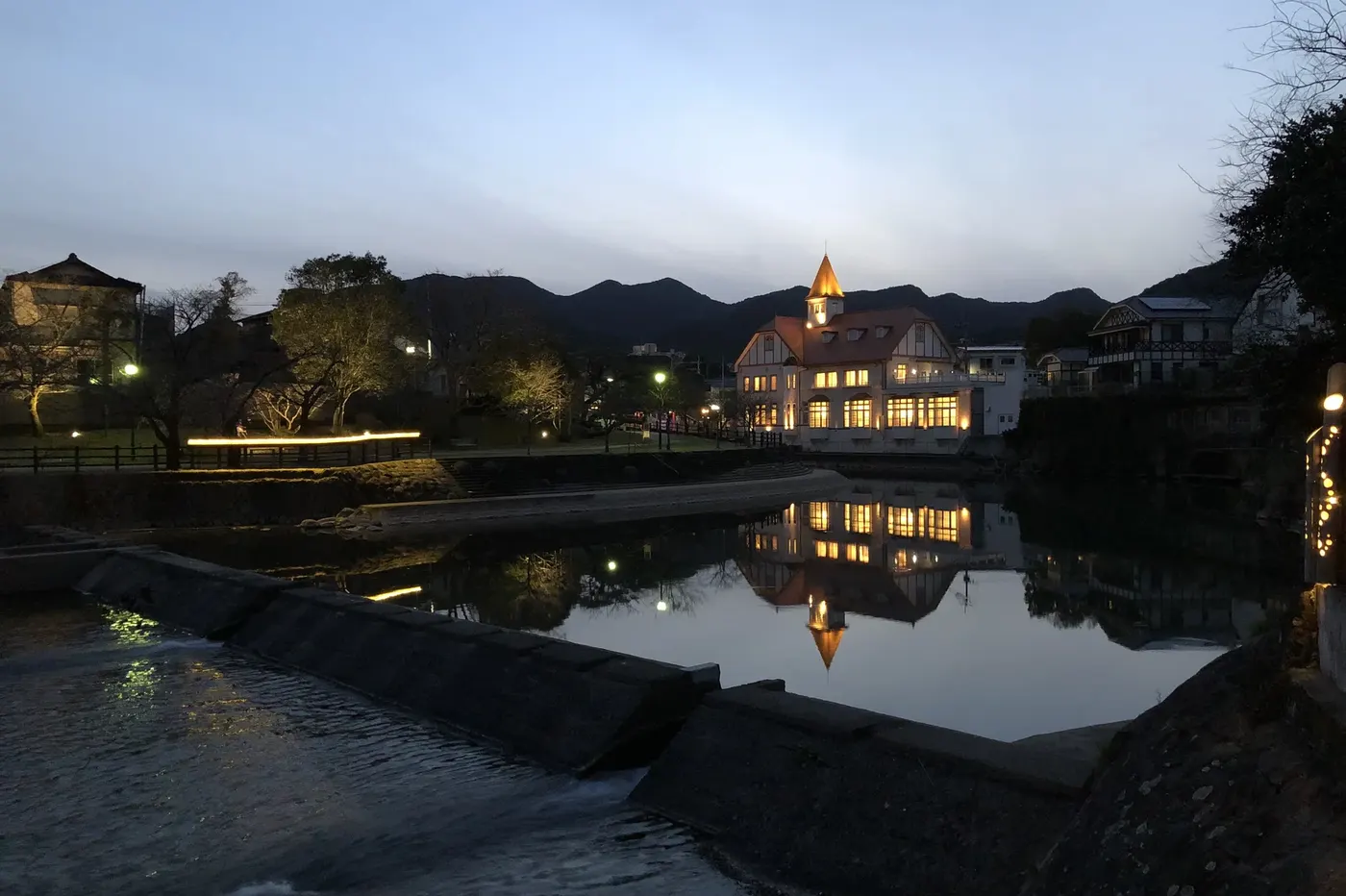
Ureshino Onsen
Ureshino, Saga Prefecture, Kyushu · 87°C
A hot spring town in Saga Prefecture, Kyushu, renowned as one of Japan's top spots for skin-beautifying water, documented since 713.
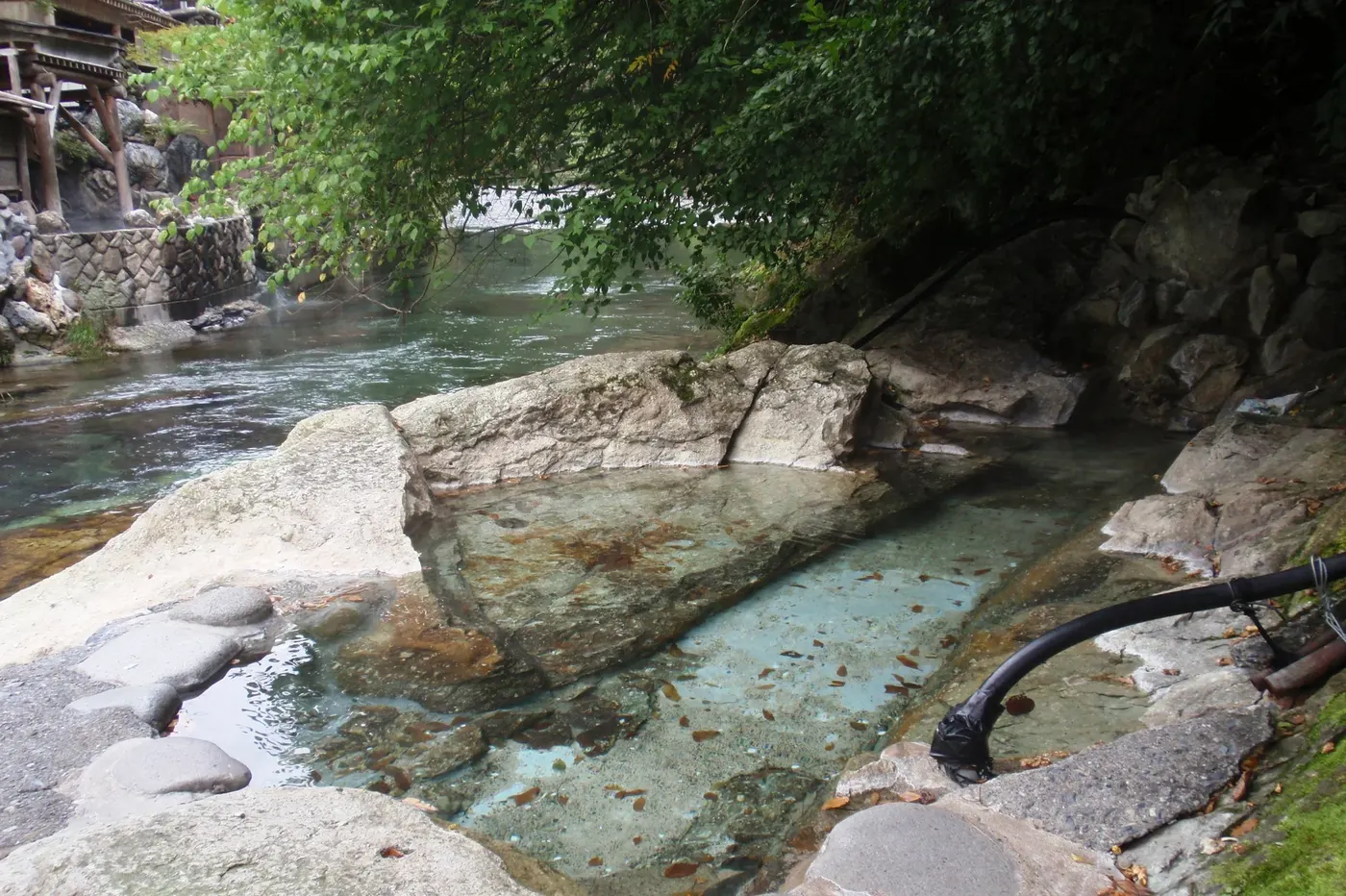
Yagen Onsen
Mutsu, Shimokita Peninsula, Aomori Prefecture
A remote hot spring valley in the former town of Ohata, now part of Mutsu, on Aomori's Shimokita Peninsula.
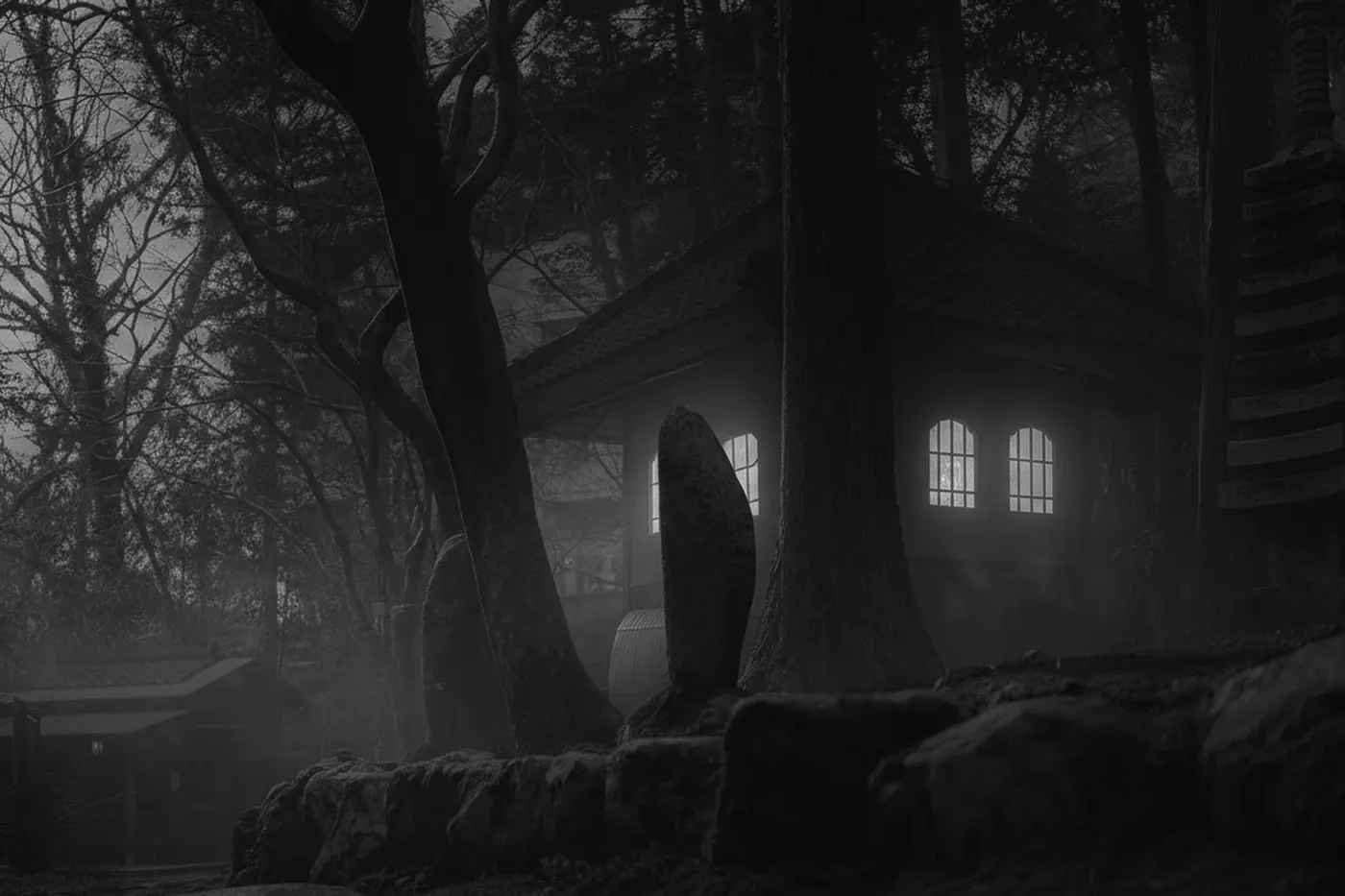
Yamanaka Onsen
Ishikawa Prefecture, Hokuriku · 45.2°C
A 1,300-year-old onsen town in a forested gorge of Ishikawa Prefecture, celebrated by the poet Matsuo Basho and ranked among Japan's three premier hot spring destinations.
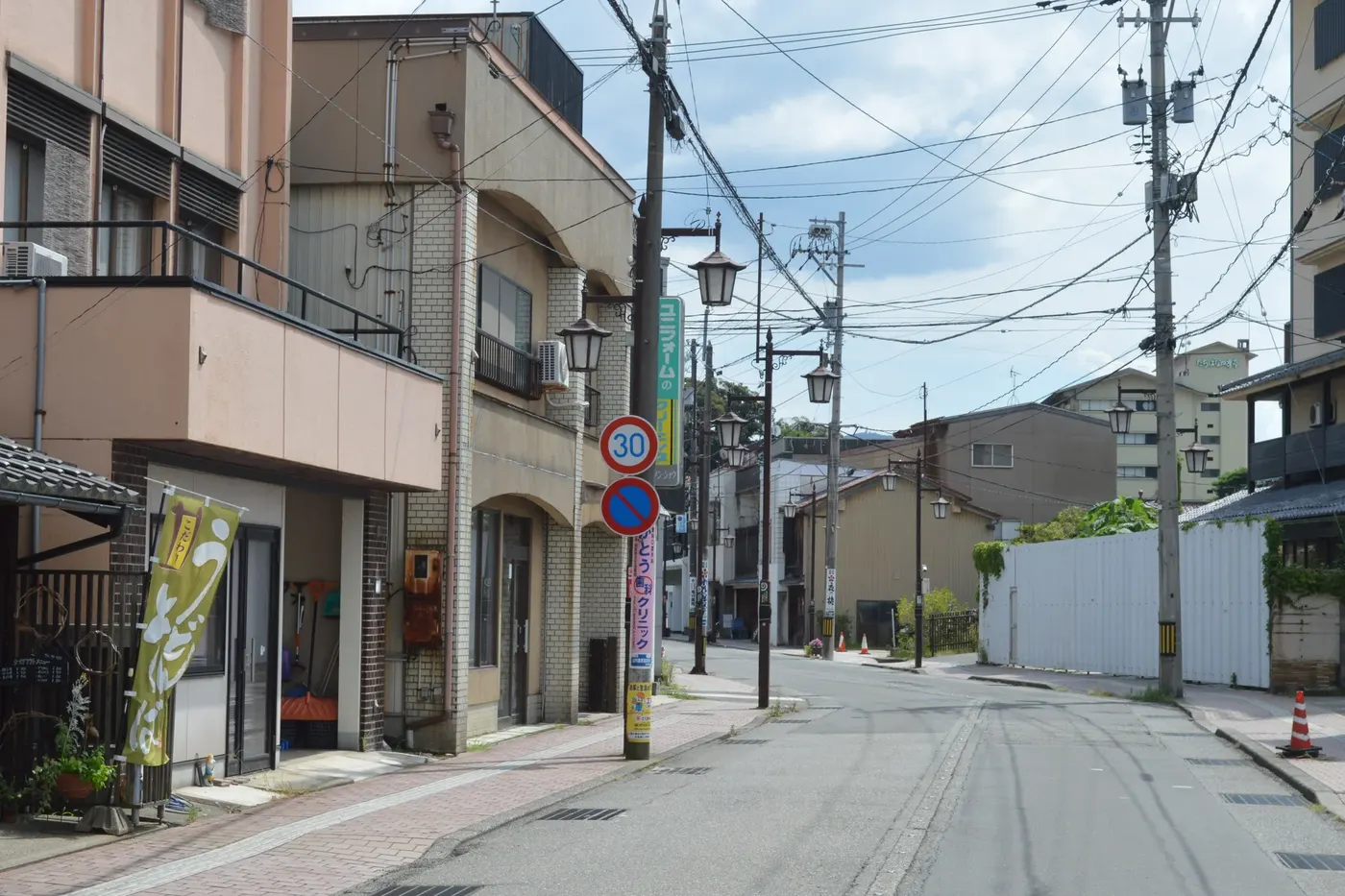
Yamashiro Onsen
Ishikawa Prefecture, Hokuriku · 61°C
A 1,300-year-old onsen town in Kaga City regarded as the birthplace of the Japanese hiragana syllabary, known for its ancient communal bathhouse district, Kutani pottery, and the legacy of artist-chef Rosanjin.
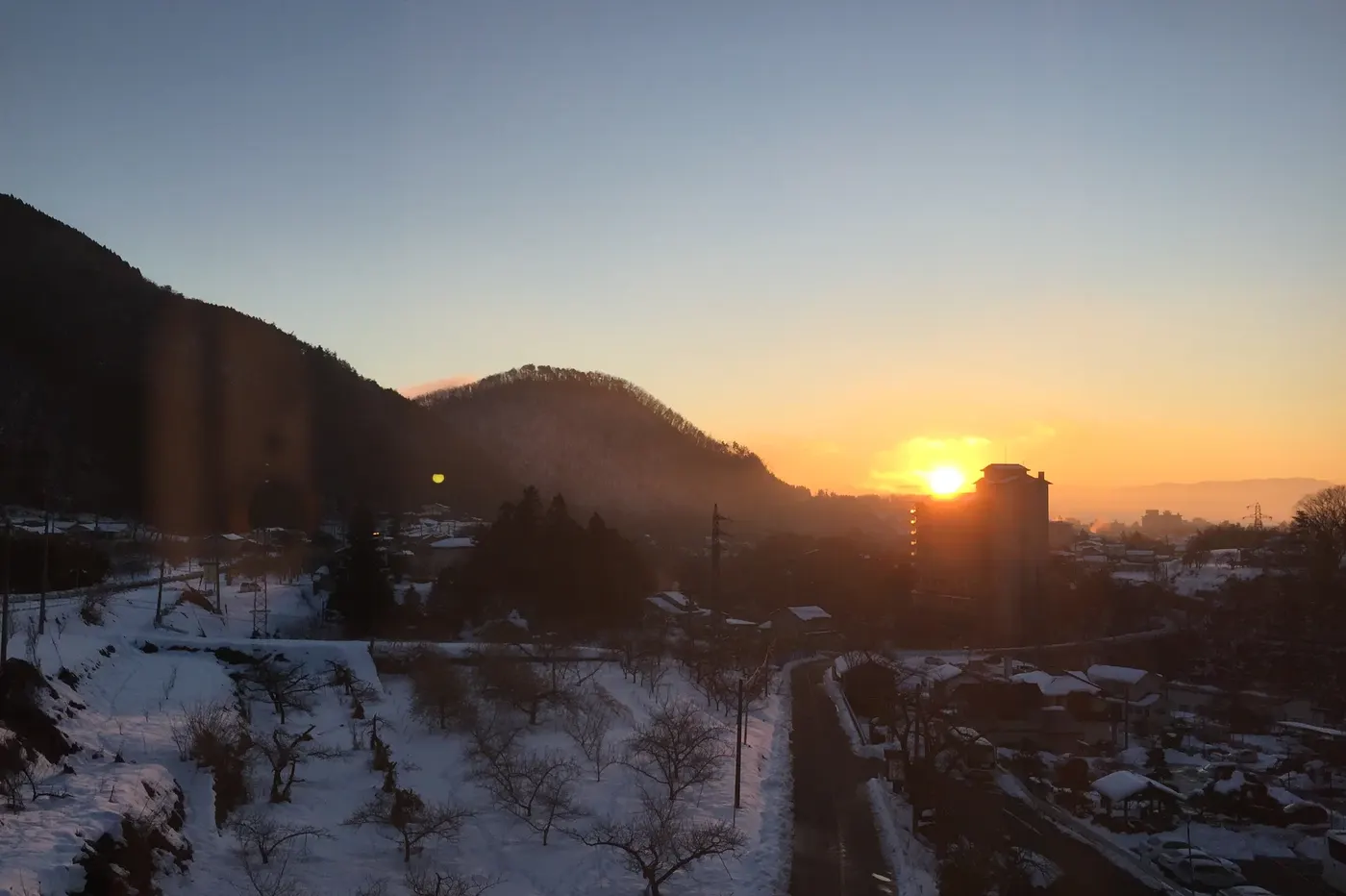
Yoshikawaya Ryokan Iizaka Onsen
Fukushima · 48°C
Traditional Fukushima ryokan at Iizaka Onsen with reported barrier-free rooms, private bath ramp, shower chair, and bathtub lift. Verify via Accessible Japan.
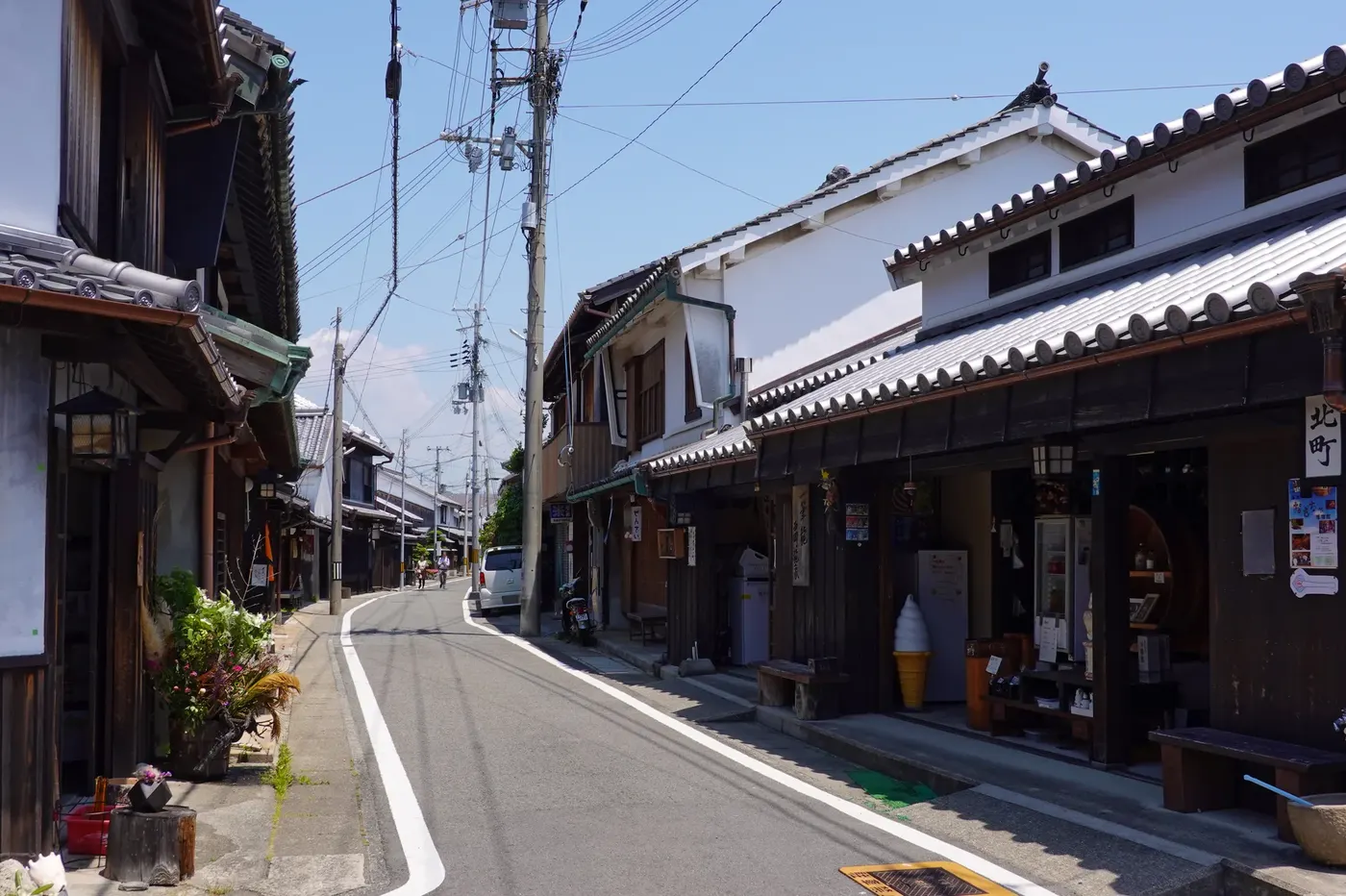
Yuasa Onsen
Yuasa, Arida District, Wakayama Prefecture
A small hot spring in Yuasa, Wakayama Prefecture, a historic town regarded as the birthplace of Japanese soy sauce.
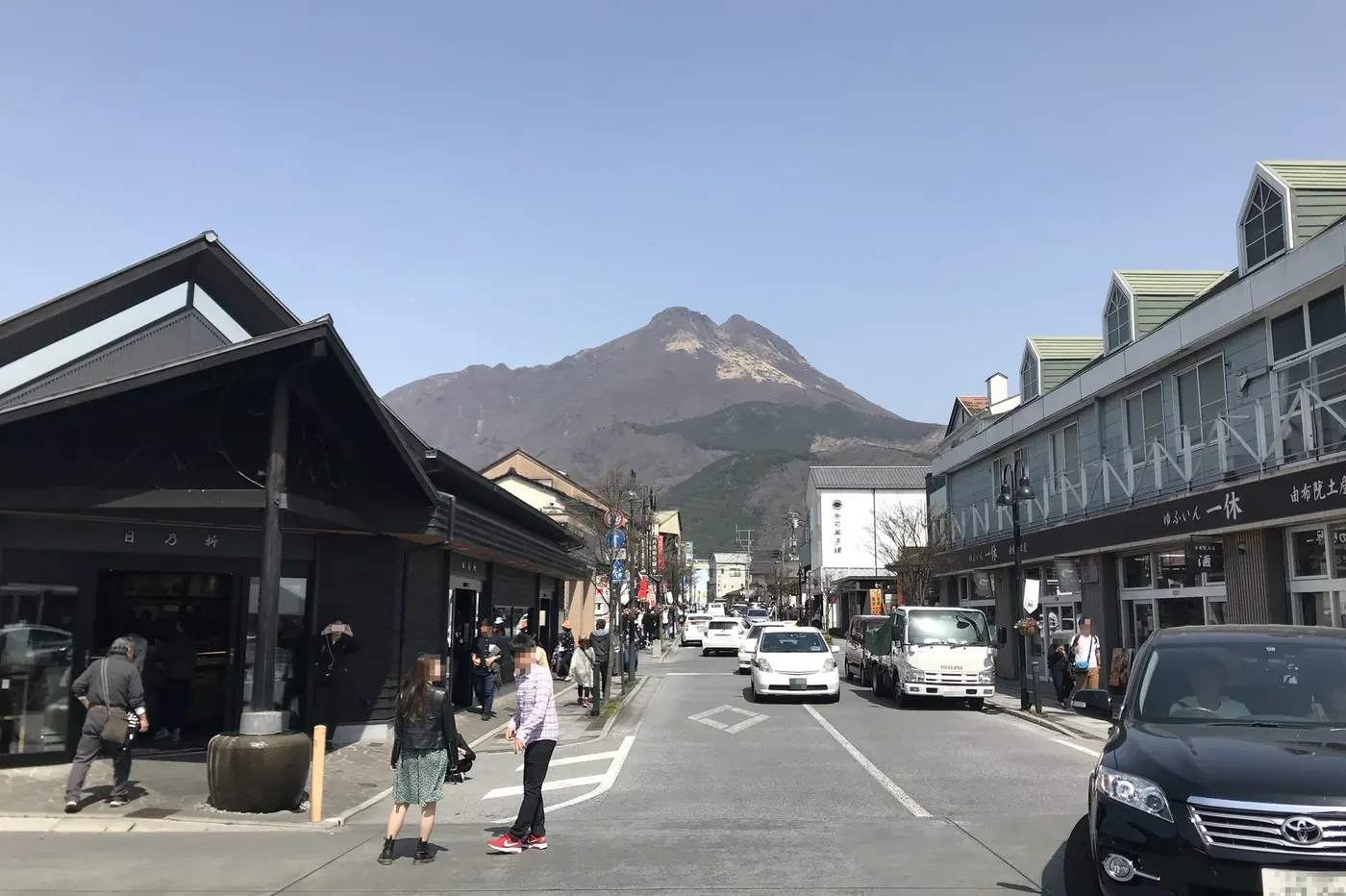
Yufuin Onsen
Oita · 80°C
A serene onsen basin at the foot of Mount Yufu in Oita, celebrated for its soft alkaline waters, art galleries, and the romantic mist that settles over Lake Kinrin on autumn mornings.
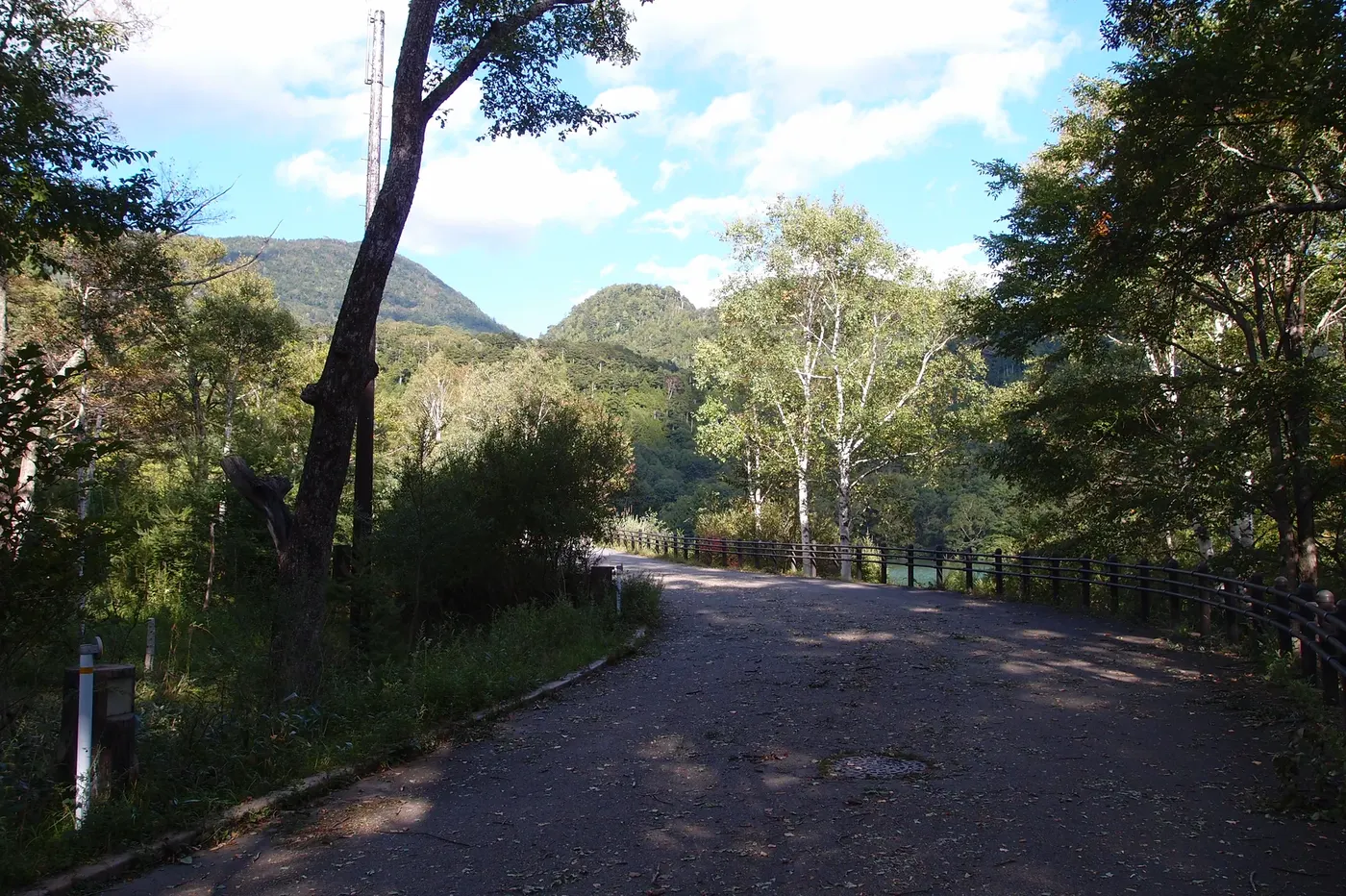
Yumoto Onsen
Okunikko, Nikko, Tochigi Prefecture
A high-altitude sulfur hot spring village in Okunikko, said to have been discovered in 788.
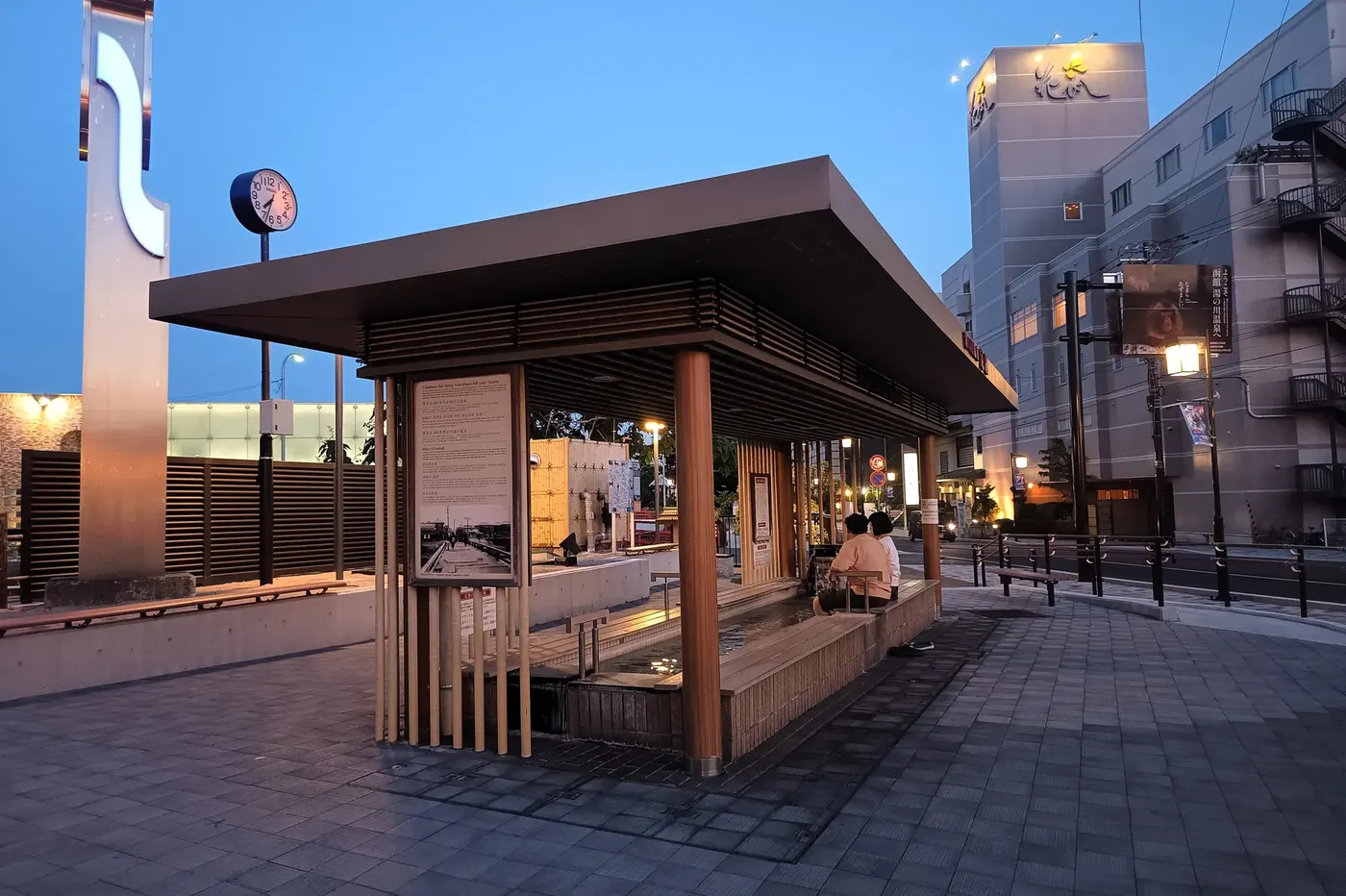
Yunokawa Onsen
Hakodate, Hokkaido Prefecture · 65°C
A coastal hot spring resort in Hakodate, Hokkaido, historically linked to a 1653 healing bath taken by a Matsumae clan lord's mother.
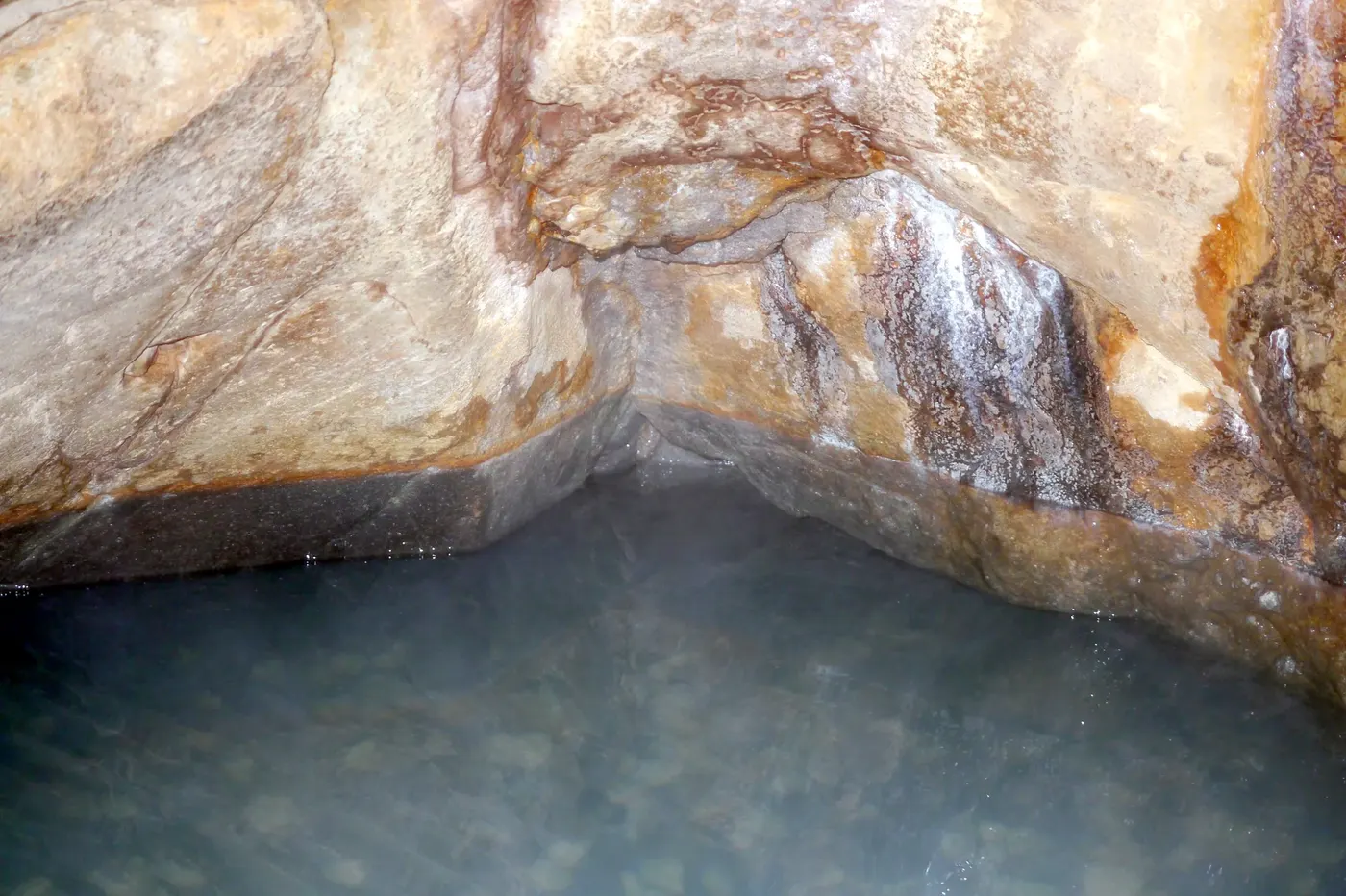
Yunomine Onsen
Tanabe, Wakayama Prefecture · 90°C
One of Japan's oldest hot spring villages, on the UNESCO-inscribed Kumano Kodo pilgrimage route in Wakayama Prefecture.
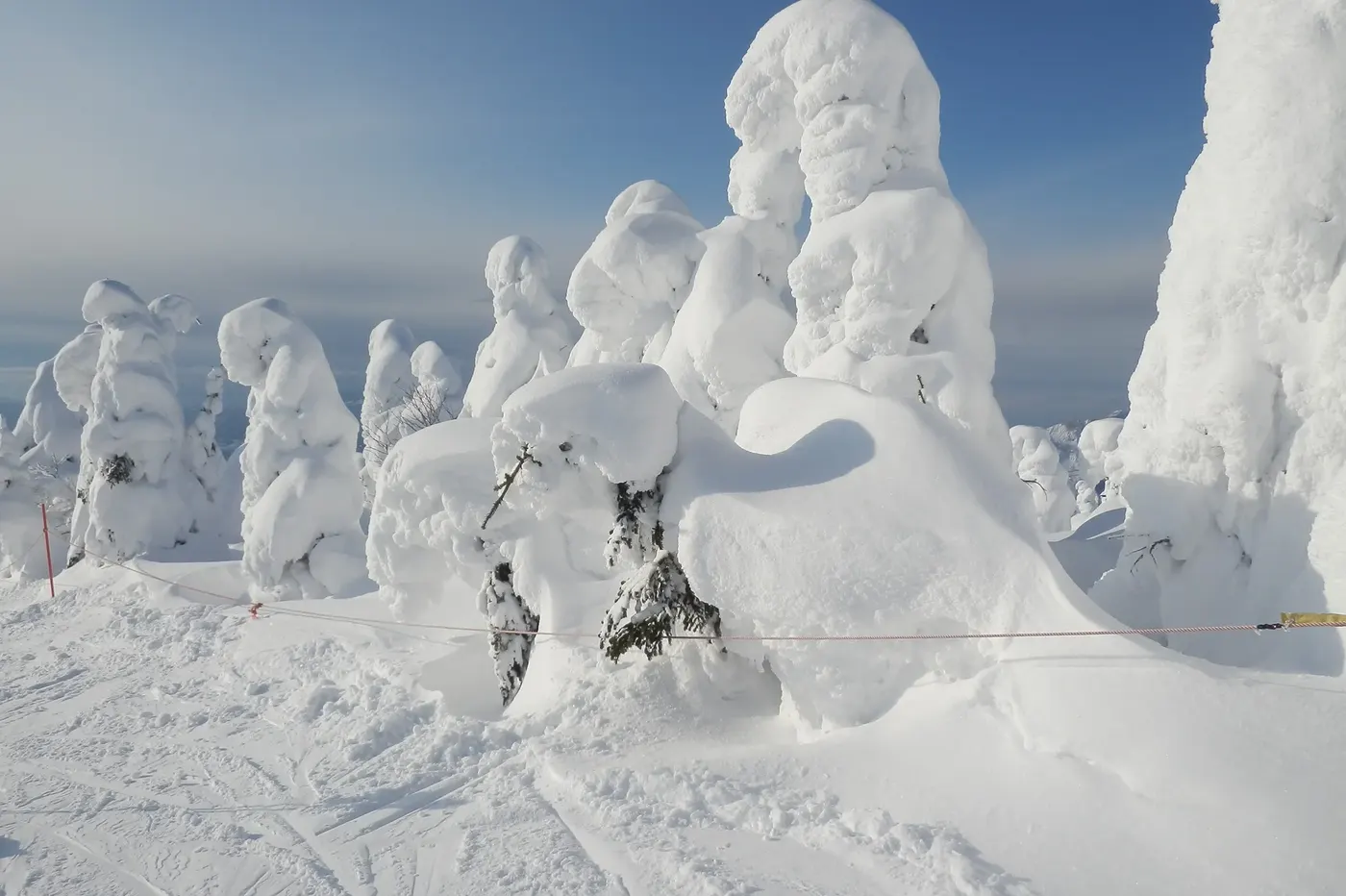
Zao Onsen
Yamagata Prefecture, Tohoku · 55°C
One of Japan's most strongly acidic hot springs, with a pH of around 1.5 — a sulphurous hydrogen sulfide spring on the slopes of the active Zao volcano in Yamagata, famous for both its corrosive waters and its winter ice-tree landscape.