Manantiales / Awara OnsenSprings / Awara Onsen温泉・鉱泉 / Awara Onsen
🌊 Caudal
74 regulated wells
📅 Establecido
Meiji period (1883)
🌊 Flow rate
74 regulated wells
📅 Established
Meiji period (1883)
Sodium ChlorideCalcium ChlorideOnsen
✓ Verificado el 2026-07-22
✓ Verified on 2026-07-22
✓ 確認日 2026-07-22
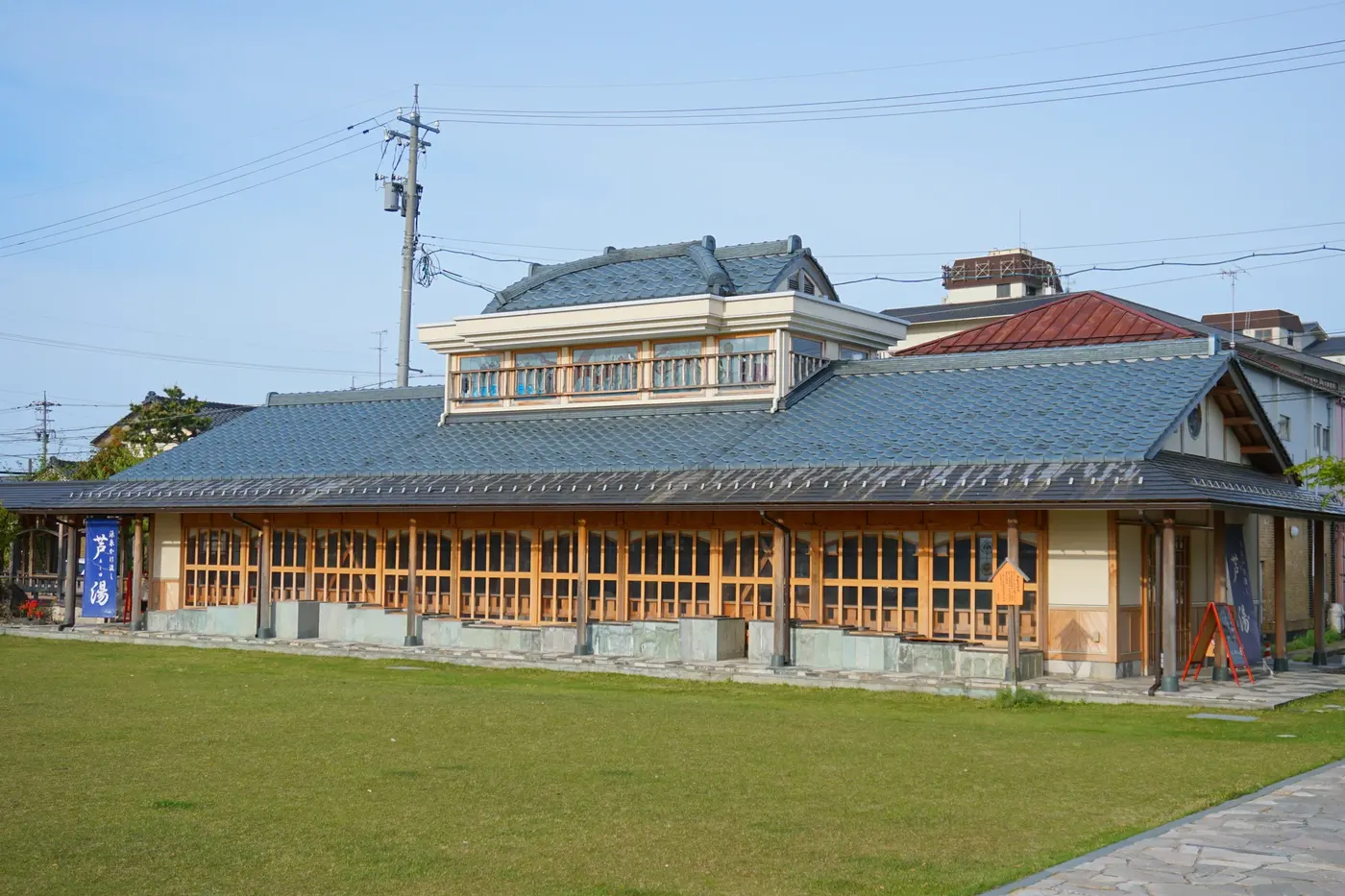
Awara Onsen se encuentra en las llanuras costeras de la ciudad de Awara, Prefectura de Fukui, en la costa del Mar de Japon. En 1883, agricultores que perforaban pozos de riego encontraron agua salada y caliente en lugar del agua esperada. Ese descubrimiento accidental dio lugar a uno de los balnearios mas importantes de Hokuriku. El agua es del tipo cloruro sodico-calcico, salina y ligeramente alcalina, con temperaturas que van de 33,5 a 77,5 grados C segun el pozo. Los 30 ryokans del pueblo gestionan sus propios pozos entre los 74 regulados, dando a cada establecimiento un perfil mineral ligeramente distinto. La ciudad es conocida en Japon como el salon interior de la region Kansai.
Awara Onsen sits in the flat coastal lowlands of Awara City, Fukui Prefecture, on Japan's Sea of Japan coast. The spring has an unusually specific origin story: in 1883, farmers digging irrigation wells in the rice paddies struck warm, salty water instead. The accidental discovery led to the rapid development of one of Hokuriku's most important onsen resort towns. The water is a sodium-calcium chloride type — saline, slightly alkaline, and emerging across a wide temperature range (33.5 to 77.5°C) depending on which of the town's 74 regulated wells is accessed. Each of the approximately 30 ryokans manages its own wells, giving each establishment a slightly distinct mineral profile within the same geological system. The town is known in Japan as 'the inner parlour of the Kansai region,' reflecting its traditional role as the onsen destination of choice for travellers from Osaka and Kyoto heading along the Hokuriku coast. Awara's position on the former Echizen Railway line, and now well-served by the Hokuriku Shinkansen corridor, has maintained its accessibility as a domestic resort. The flat rice-paddy landscape surrounding the town, the contrast between the agricultural setting and the ryokan district, and the Awara Onsen Festival each summer are defining features of the destination.
Awara Onsenは日本・Fukui Prefecture, Hokurikuに位置する食塩泉・カルシウム泉。源泉温度は65℃の豊かな温泉水が湧き出る。泉水はアルカリ性(pH約7.5)の泉質、塩化物泉・ナトリウム泉を豊富に含む、総溶解固形物2200 mg/Lが特徴だ。1883年創業。リウマチ療法・皮膚科治療・神経科など多様な温浴療法が行われる。施設では旅館滞在・公衆入浴・飲泉療法などが体験できる。
Minerales
Minerals
ミネラル
| Sodium | 520 mg/L |
| Chloride | 680 mg/L |
| Calcium | 145 mg/L |
| Potassium | 38 mg/L |
| Bicarbonate | 120 mg/L |
| Silica | 32 mg/L |
Tratamientos
Treatments
トリートメント
RheumatologyDermatologyNeurologyChronic GastritisRelaxation
Técnicas
Techniques
技法
Ryokan stayPublic bathingDrinking cure
Patrimonio
Awara Onsen es uno de los principales balnearios termales de la región de Hokuriku, y ha servido históricamente como el destino termal principal para los viajeros procedentes de la región de Kansai (Osaka, Kioto, Kobe). La estación de Awara Yunomachi del Ferrocarril Echizen, que da servicio al pueblo, es un hito turístico registrado. La prefectura de Fukui, que ocupa sistemáticamente los primeros puestos en las encuestas nacionales de felicidad de Japón, señala a Awara Onsen como un factor central del bienestar y la identidad regionales.
Heritage
Awara Onsen is one of the major onsen resorts of the Hokuriku region, historically serving as the primary thermal destination for travellers from the Kansai region (Osaka, Kyoto, Kobe). The Echizen Railway Awara Yunomachi Station, which serves the town, is a registered tourist landmark. Fukui Prefecture, which consistently ranks highest in Japanese national happiness surveys, lists Awara Onsen as a central contributor to regional wellbeing and identity.
文化財
あわら温泉は北陸地方を代表する温泉地のひとつであり、歴史的に関西地方(大阪、京都、神戸)からの旅行者にとって主要な温泉の目的地であり続けてきた。この町を結ぶえちぜん鉄道あわらゆのまち駅は、登録観光ランドマークである。日本の国民幸福度調査で常に上位にランクされる福井県は、あわら温泉を地域の幸福とアイデンティティに中心的に貢献するものと位置づけている。
Cultura
El descubrimiento accidental de las aguas de Awara en 1883 —unos agricultores que perforaban en busca de agua de riego dieron en cambio con un manantial salino caliente— se convirtió en una de las historias emblemáticas de la rápida transformación del Japón de la era Meiji. En dos décadas, los arrozales habían dado paso a un próspero pueblo de ryokanes. El Festival anual de Awara Onsen (celebrado cada agosto) es uno de los eventos veraniegos más populares de Fukui, y atrae a visitantes con danzas tradicionales, farolillos y fuegos artificiales sobre el distrito termal.
Culture
The accidental discovery of Awara's waters in 1883 — farmers drilling for irrigation struck a hot saline spring instead — became one of the signature stories of Meiji-era Japan's rapid transformation. Within two decades, the rice paddies had given way to a thriving ryokan town. The annual Awara Onsen Festival (held each August) is one of Fukui's most popular summer events, drawing visitors for traditional dance, lanterns, and fireworks over the onsen district.
文化
1883年、灌漑用に井戸を掘っていた農民たちが偶然にも高温の塩泉を掘り当てたというあわらの温泉発見の逸話は、明治期日本の急速な変貌を象徴する物語のひとつとなった。それから二十年のうちに、水田は活気ある旅館町へと姿を変えていった。毎年8月に開催されるあわら温泉まつりは福井県で最も人気のある夏の行事のひとつであり、伝統舞踊、提灯、そして温泉街の上空を彩る花火を目当てに多くの来訪者を集めている。
Sostenibilidad
Los 74 pozos de Awara se gestionan de manera colectiva bajo un sistema municipal de asignación de agua que regula los volúmenes de extracción para evitar el agotamiento del acuífero geotérmico. Se monitorea el rendimiento de cada pozo de los ryokanes, y el pueblo ha mantenido temperaturas y caudales de agua estables desde que comenzó la regulación formal. El paisaje agrícola circundante de arrozales se conserva tanto como patrimonio como colchón ecológico alrededor del distrito termal.
Sustainability
Awara's 74 wells are collectively managed under a municipal water allocation system that regulates extraction volumes to prevent depletion of the geothermal aquifer. Each ryokan's well output is monitored, and the town has maintained stable water temperatures and flow rates since formal regulation began. The surrounding rice-paddy agricultural landscape is preserved as both heritage and ecological buffer around the resort district.
持続可能性
あわらの74本の井戸は、地熱帯水層の枯渇を防ぐため採取量を規制する市の水利用配分制度の下で一括管理されている。各旅館の井戸の湧出量は監視されており、正式な規制が始まって以来、町は安定した水温と湧出量を維持してきた。周囲に広がる水田の農業景観は、遺産としても、温泉街を取り巻く生態学的な緩衝地帯としても保全されている。
Otros manantiales en Japan