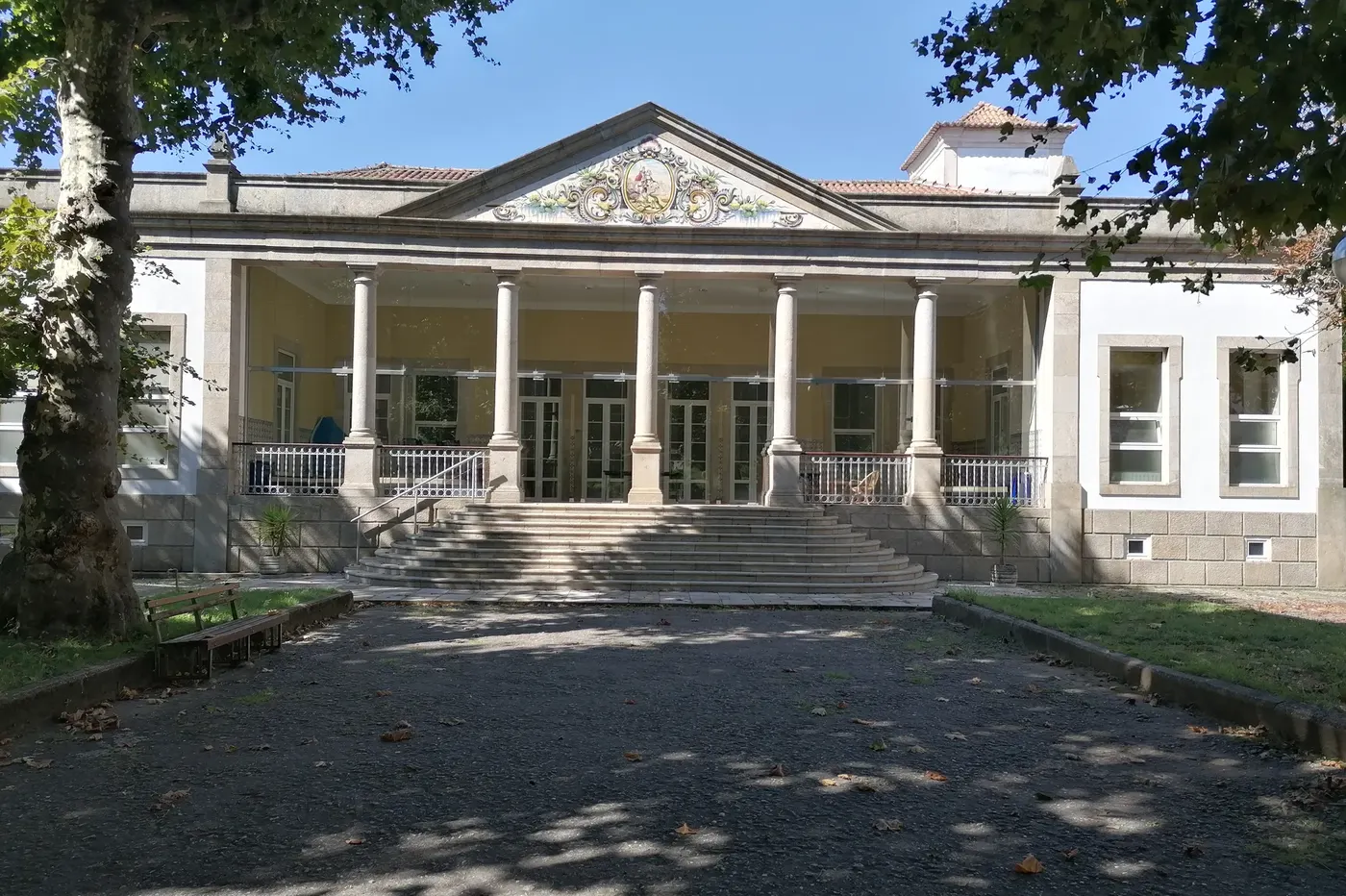
Photo by Rui T. Pinto, via Wikimedia Commons (CC BY-SA 4.0)
🇵🇹 Portugal · Madeira Island
Photo by Rui T. Pinto, via Wikimedia Commons (CC BY-SA 4.0)
🇵🇹 Portugal · Madeira Island
♨ Temperature
25°C
⛰ Altitude
180 m
⚗ pH
6.4
💧 TDS
890 mg/L
🌊 Flow rate
—
📅 Established
Known since 16th century
✓ Verified on 2026-07-22
Madeira Island is a volcanic seamount rising from the Atlantic Ocean, formed by a mantle plume hotspot approximately 5 million years ago. Although the island lacks the hot geothermal springs of the younger Azores archipelago to the north, its ancient basaltic geology produces mineral-rich cold and mildly cool springs in several locations. The Caldas de São Jorge — mineral springs in the parish of São Jorge on the north coast — are the most notable, producing slightly carbonated, iron-rich, mildly acidic water at approximately 24–26°C that has been used since the 16th century. The springs emerge on a coastline of extraordinary drama: sheer basalt cliffs drop to the Atlantic, levadas (irrigation channels) carry water across vertiginous terrain, and the semi-tropical agricultural landscape of the northern Madeira coast — bananas, vines, hydrangeas — frames every view. The mineral water tradition of Madeira is quieter and more contemplative than the dramatic geothermal baths of the Azores, shaped by the older, cooler geology of an island that has had more time to settle.
| Iron | 8.2 mg/L |
| Silica | 42 mg/L |
| Bicarbonate | 185 mg/L |
| Sodium | 65 mg/L |
| Calcium | 28 mg/L |
Madeira was uninhabited when Portuguese navigators arrived in the early 15th century, making it one of the few places in the world where the European colonial mineral spring tradition and indigenous human-spring relationships do not overlap — the island's wellness culture is entirely a product of the post-discovery period. The island's levada system — a network of irrigation channels cut into the basalt cliffs — is a UNESCO Intangible Cultural Heritage, distributing water across the vertical landscape with an ingenuity that mirrors the falaj systems of the Arabian Peninsula.
Madeira's wellness identity has historically been built on climate rather than thermal water — the mild Atlantic climate, warm winters, and clean air attracted tuberculosis patients and European aristocracy from the 18th century onward. Winston Churchill painted here; George Bernard Shaw learned to dance here; Empress Elisabeth of Austria visited repeatedly. The mineral springs of São Jorge are a quieter element in this wellness tradition, associated with digestive health and mountain walking rather than with dramatic thermal bathing.
The mineral springs of São Jorge emerge naturally from the basaltic aquifer without pumping. Madeira's levada system is both a model of sustainable water distribution and an increasingly popular tourist attraction in its own right — the network of walking trails alongside the irrigation channels allows visitors to traverse the island's dramatic terrain while learning about its water management heritage. The island's volcanic geology continues to shape every aspect of its ecology, agriculture, and wellness culture.
Websitewww.visitmadeira.com
AddressSão Jorge, Santana, Madeira, Portugal