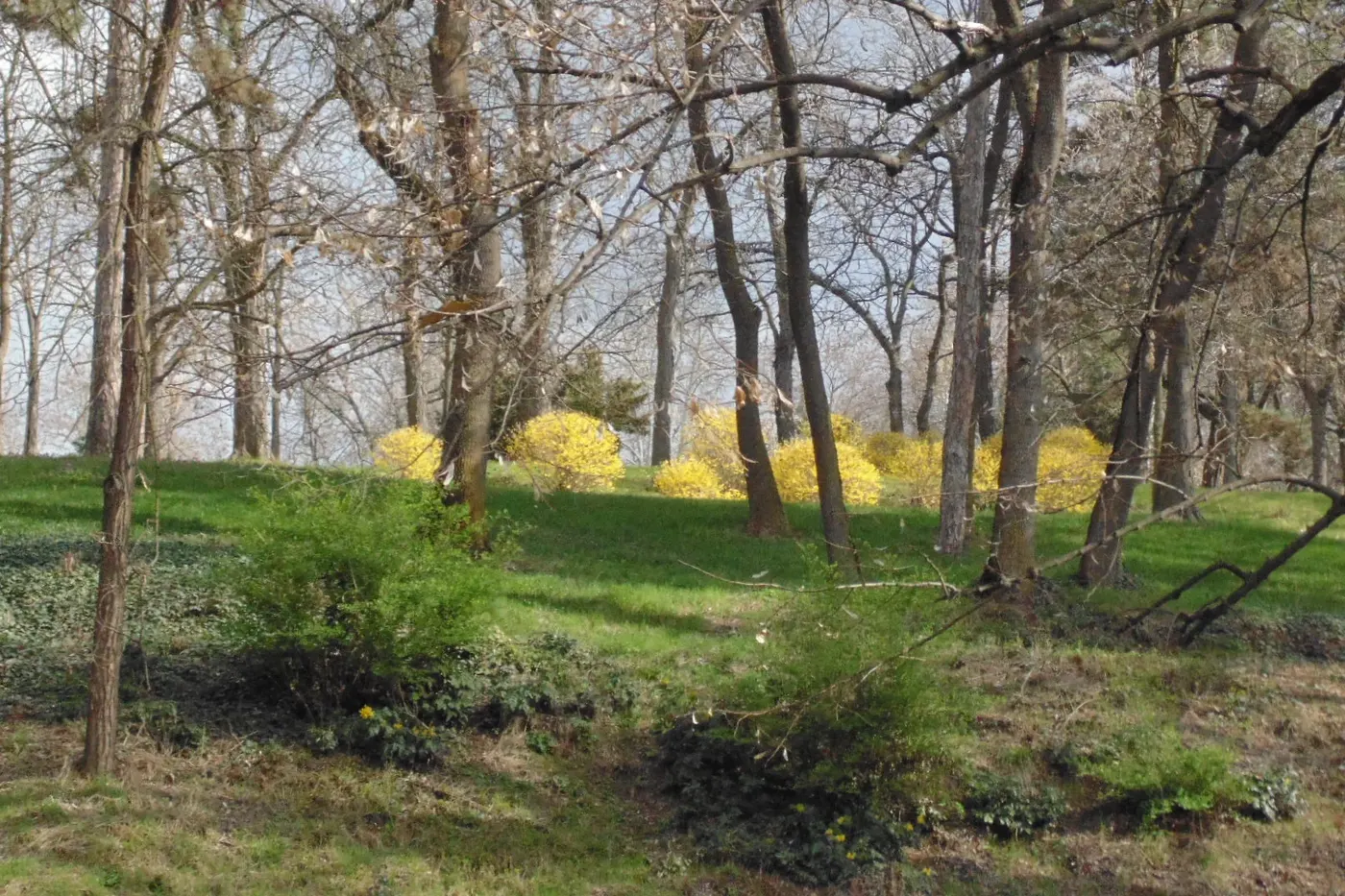
Photo by Izvora, via Wikimedia Commons (CC BY-SA 4.0)
🇧🇬 Bulgaria · Plovdiv Province
Photo by Izvora, via Wikimedia Commons (CC BY-SA 4.0)
🇧🇬 Bulgaria · Plovdiv Province
♨ Temperature
41°C
⛰ Altitude
—
⚗ pH
—
💧 TDS
—
🌊 Flow rate
—
📅 Established
Roman thermae under Diocletianopolis (4th century AD); site of Bulgaria's first chemical analysis of mineral water, 1882
✓ Verified on 2026-07-31
Hisarya has drawn bathers since antiquity: the Romans, who called it Diocletianopolis after Emperor Diocletian, made it one of the three most important towns of the province, and Emperor Septimius Severus is recorded among its visitors. The town today is fed by 22 mineral springs ranging from 31°C to 51°C, sodium-sulphate-bicarbonate in composition, weakly mineralized (170–275 mg/l) and alkaline. Momina Banya ('the Maiden's Bath'), at 41°C, carries the highest radon content of Hisarya's springs and is used for urological treatment; it stands alongside named neighbours such as Momina Sălza ('the Maiden's Tear', rich in manganese, zinc and copper) and Toplitsa, the hottest at 51°C. It was here in 1882 that Bulgaria's first chemical analysis of mineral water was carried out, formally launching the country's balneological tradition. Some hotels in Hisarya market rooms and pools drawing on this same spring network under names like 'Tsarska Banya' (Royal Bath) or the Italianate 'Terme di Hissar', a reminder that the town's many bathing establishments share one historic source.
AddressMomina Banya, ж.к. Orfey, Hisarya, Plovdiv Province, Bulgaria