Manantiales / Parque Acuático IxtapanSprings / Parque Acuático Ixtapan温泉・鉱泉 / Parque Acuático Ixtapan
📅 Establecido
Thermal springs used by indigenous communities since the late 14th century for salt extraction; modern water park developed in the 20th century
📅 Established
Thermal springs used by indigenous communities since the late 14th century for salt extraction; modern water park developed in the 20th century
📅 開設
Thermal springs used by indigenous communities since the late 14th century for salt extraction; modern water park developed in the 20th century
Carbonated (CO2-rich)VolcanicResort
✓ Verificado el 2026-07-31
✓ Verified on 2026-07-31
✓ 確認日 2026-07-31
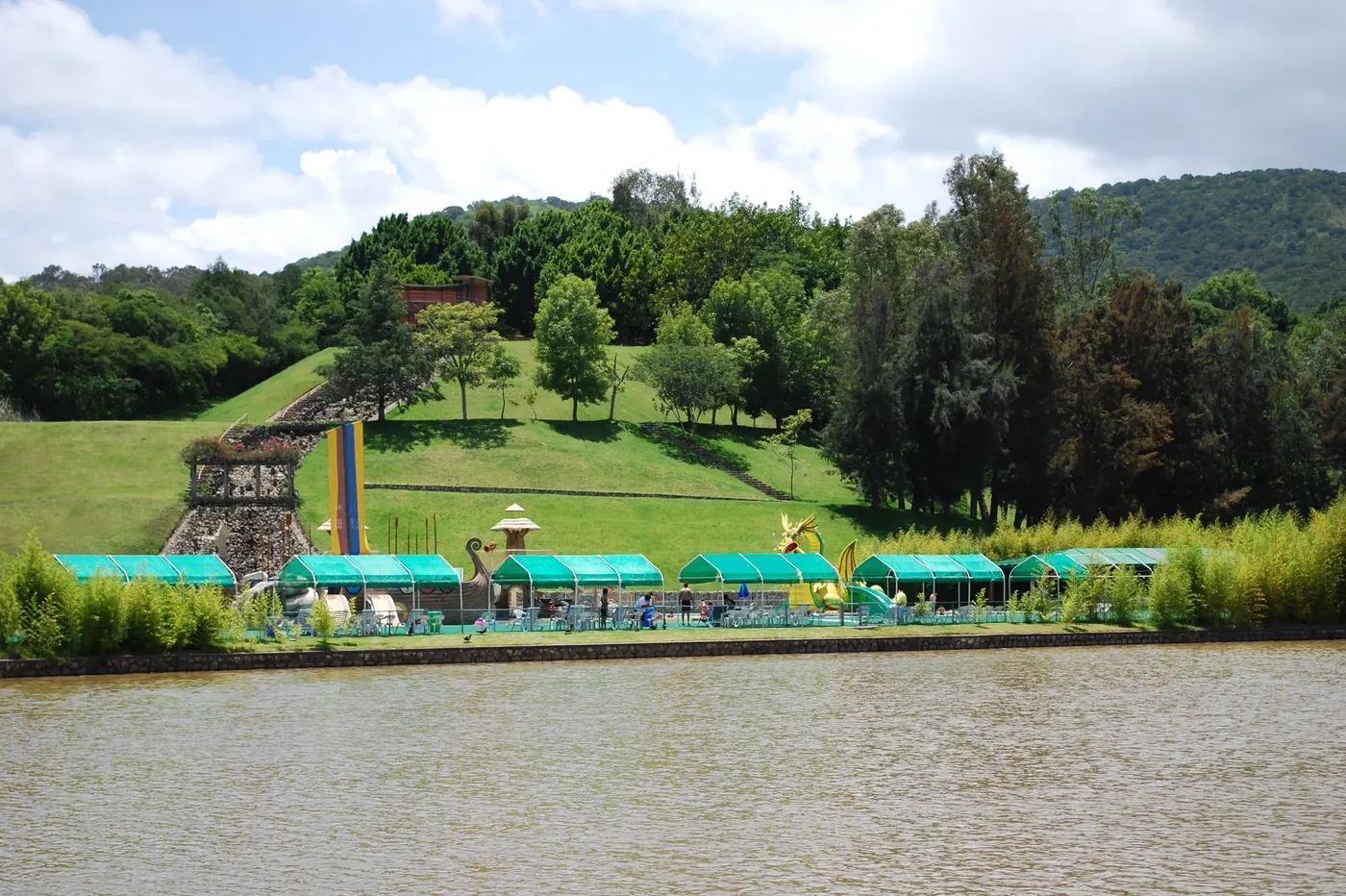
Ixtapan de la Sal atrae bañistas a sus aguas templadas y ricas en minerales desde que comunidades indígenas se asentaron aquí a finales del siglo XIV para extraer sal de los manantiales. El agua termal, que brota de un flujo subterráneo de origen volcánico a unos 37-40°C, alimenta hoy el Parque Acuático Ixtapan, uno de los parques acuáticos termales más grandes de Latinoamérica, junto a hoteles balneario cercanos como Ixtapan Spa Hotel & Golf Resort y Marriott Ixtapan de la Sal. Además de los toboganes y las albercas familiares, el parque conserva piscinas termales alimentadas por el manantial natural, y el propio pueblo -- nombrado Pueblo Mágico en 2015 -- conserva La Laguna Verde, un manantial donde el agua mineral carbonatada aún brota de forma natural del subsuelo.
Ixtapan de la Sal has drawn bathers to its warm, mineral-rich waters since indigenous communities settled here in the late 14th century to extract salt from the springs. The thermal water, which rises from a volcanic underground flow at roughly 37-40°C, now feeds Parque Acuático Ixtapan, one of the largest thermal water parks in Latin America, alongside nearby spa hotels such as the Ixtapan Spa Hotel & Golf Resort and Marriott Ixtapan de la Sal. Beyond the slides and family pools, the park keeps dedicated thermal spring pools running on the natural source, and the town itself -- named a Pueblo Mágico in 2015 -- still has La Laguna Verde, a spring where carbonated mineral water bubbles up naturally from the subsoil.
イスタパン・デ・ラ・サルは、14世紀末に先住民コミュニティが塩を採取するためにこの地に定住して以来、温かくミネラル豊富な湯に人々を惹きつけてきた。火山由来の地下水脈から摂氏37〜40度ほどで湧き出るこの温泉水は、現在ラテンアメリカ最大級の温泉ウォーターパークであるパルケ・アクアティコ・イスタパンに供給されており、近隣にはイスタパン・スパ・ホテル&ゴルフリゾートやマリオット・イスタパン・デ・ラ・サルなどのスパホテルもある。ウォータースライドやファミリープールに加え、園内には天然の源泉を利用した温泉専用プールもあり、2015年に「プエブロ・マヒコ(魔法の村)」に認定されたこの町自体にも、地下からミネラル炭酸水が自然に湧き出るラ・ラグーナ・ベルデという泉が今も残る。
Técnicas
Techniques
技法
Bathing
Patrimonio
Los pueblos nahua y matlatzinca que se asentaron en la cuenca de Ixtapan a finales del siglo XIV usaban sus manantiales cálidos para evaporar y cosechar sal, lo que dio nombre al pueblo ('lugar donde se refina la sal'). Los manantiales se convirtieron después en la base de la tradición moderna mexicana de balnearios y turismo termal.
Heritage
The Nahua and Matlatzinca peoples who settled the Ixtapan basin in the late 14th century used its warm springs to evaporate and harvest salt, giving the town its name ('place where salt is refined'). The springs later became the foundation of Mexico's modern balneario and spa-tourism tradition.
文化財
14世紀末にイスタパン盆地に定住したナワ族とマトラツィンカ族は、温かい泉の水を利用して塩を蒸発させ採取しており、これが「塩を精製する場所」を意味するこの町の名の由来となった。この泉は後にメキシコの近代的なバルネアリオ(温泉保養施設)文化の礎となった。
Otros manantiales en Mexico