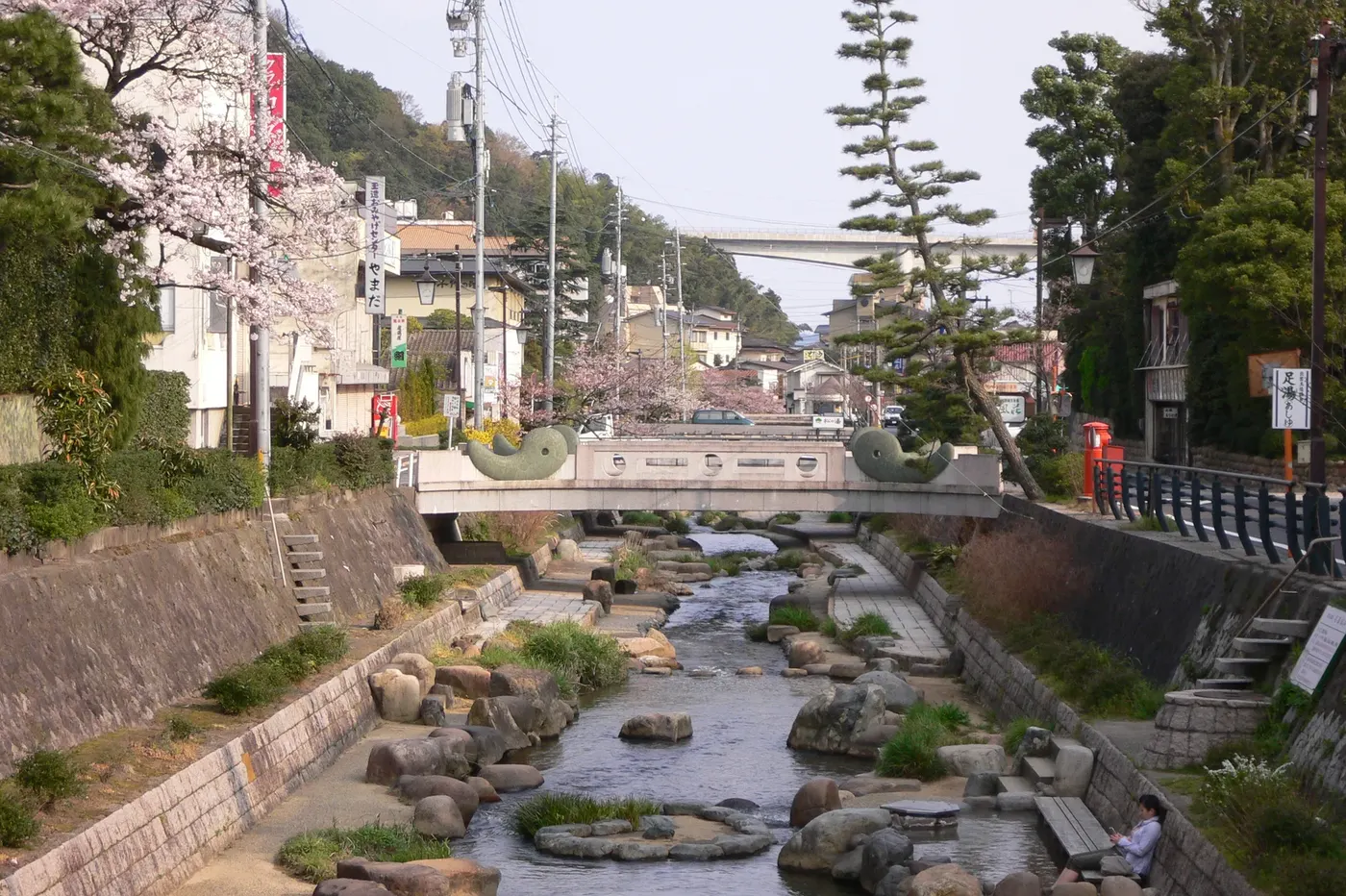
Tamatsukuri Onsen

🇯🇵 Japan · Shimane Prefecture, San'in

Tamatsukuri Onsen

Manantiales / Tamatsukuri OnsenSprings / Tamatsukuri Onsen温泉・鉱泉 / Tamatsukuri Onsen

♨ Temperatura

57°C

⛰ Altitud

15 m

⚗ pH

8.2

💧 TDS

1640 mg/L

🌊 Caudal

multiple sources

📅 Establecido

Nara period (c. 733 CE)

♨ Temperature

57°C

⛰ Altitude

15 m

⚗ pH

8.2

💧 TDS

1640 mg/L

🌊 Flow rate

multiple sources

📅 Established

Nara period (c. 733 CE)

♨ 温度

57°C

⛰ 標高

15 m

⚗ pH

8.2

💧 TDS

1640 mg/L

🌊 流量

multiple sources

📅 開設

Nara period (c. 733 CE)

Sodium SulfateCalcium ChlorideAlkalineOnsen

✓ Verificado el 2026-07-22

✓ Verified on 2026-07-22

✓ 確認日 2026-07-22

Tamatsukuri Onsen se encuentra a orillas del rio Tamayu en la ciudad de Matsue, Prefectura de Shimane. El manantial esta documentado en el Izumo no Kuni Fudoki (733 d.C.), que registra: 'Un bano rejuvenece la piel; dos curan cualquier dolencia'. Esta descripcion, de mas de 1.290 anos de antiguedad, establecio Tamatsukuri como el principal onsen de belleza de Japon. El agua es del tipo sulfato-cloruro sodico-calcico, debilmente alcalina y notablemente rica en acido metasilicico (mas de 100 mg/L), un mineral que da al agua una textura suave similar a una locion. La dama de la corte Sei Shonagon lo menciono en el Libro de la Almohada, consolidando su lugar en el canon literario clasico japones.

Tamatsukuri Onsen sits along the Tamayu River in Matsue City, Shimane Prefecture, within the San'in region of western Honshu. The spring is documented in the Izumo no Kuni Fudoki (733 CE), one of the oldest provincial gazetteers in Japan, which records: 'Once bathing makes skin appear youthful, twice bathing cures any ailment — no one has heard of its effects failing, so people call it the divine spring.' This description, over 1,290 years old, established Tamatsukuri as Japan's foremost beauty onsen, a reputation it has maintained continuously. The water is a sodium-calcium sulfate-chloride type, weakly alkaline, and notably rich in metasilicic acid at concentrations exceeding 100 mg/L — a threshold that qualifies it as a certified beauty spring under Japanese onsen classification. Metasilicic acid is a collagen-stimulating mineral used in cosmetic formulations; its natural presence at these levels gives the water an unusually smooth, lotion-like quality on the skin. Tamatsukuri was also referenced by the court lady Sei Shonagon in the Pillow Book, cementing its place in the classical literary canon of Japan. The resort town today includes ryokans, day-bathing facilities, agate stone baths (local Tamatsukuri agate has been worked here since antiquity), and a riverside promenade with power spot shrines.

Tamatsukuri Onsenは日本・Shimane Prefecture, San'inに位置する硫酸塩泉・カルシウム泉。源泉温度は57℃の豊かな温泉水が湧き出る。泉水はアルカリ性(pH約8.2)の泉質、硫酸塩性・ナトリウム泉を豊富に含む、総溶解固形物1640 mg/Lが特徴だ。733年頃から利用されてきた。皮膚科治療・肌の若返り・リウマチ療法など多様な温浴療法が行われる。施設では旅館滞在・日中の入浴・アゲート石風呂などが体験できる。

Minerales

Minerals

ミネラル

Sulfate628 mg/L
Sodium318 mg/L
Chloride284 mg/L
Calcium142 mg/L
Metasilicic Acid118 mg/L
Bicarbonate76 mg/L

Tratamientos

Treatments

トリートメント

DermatologySkin RejuvenationRheumatologyCirculatoryRelaxation

Técnicas

Techniques

技法

Ryokan stayDay bathingAgate stone bathsRiverside promenade

Patrimonio

Tamatsukuri Onsen es uno de los tres onsen citados en los registros provinciales más antiguos de Japón (Fudoki, año 733), junto con Arima y Shirasagi. El corredor del río Tamayu y el paisaje circundante de Shimane se encuentran dentro de la gran zona cultural de Izumo, hogar de Izumo Taisha, uno de los santuarios sintoístas más antiguos y sagrados de Japón. El ágata de Tamatsukuri (menou), extraída y trabajada localmente desde el periodo Yayoi, está designada artesanía tradicional de la prefectura de Shimane.

Heritage

Tamatsukuri Onsen is one of the three onsen cited in Japan's oldest provincial records (Fudoki, 733 CE), alongside Arima and Shirasagi. The Tamayu River corridor and the surrounding Shimane landscape fall within the greater Izumo cultural zone, home to Izumo Taisha — one of the oldest and most sacred Shinto shrines in Japan. Tamatsukuri agate (menou), mined and worked locally since the Yayoi period, is a designated traditional craft of Shimane Prefecture.

文化財

玉造温泉は、有馬・白鷺(道後)と並んで、日本最古の地誌記録である『風土記』(733年)に記された三つの温泉のひとつである。玉湯川流域とその周辺の島根の景観は、日本最古かつ最も神聖な神社のひとつである出雲大社を擁する、より広範な出雲文化圏に含まれる。弥生時代から地元で採掘・加工されてきた玉造めのう(瑪瑙)は、島根県の伝統工芸品に指定されている。

Cultura

La reputación de belleza del manantial dio lugar a todo un género de referencias literarias en la escritura clásica japonesa. La mención de Sei Shonagon en El libro de la almohada (c. año 1000) lo situó entre las referencias cultas de la corte Heian. La tradición de bañarse para embellecer la piel —más que puramente por enfermedad— se encarnó de manera más explícita en Tamatsukuri, convirtiéndolo en el origen simbólico de la cultura estética del onsen en Japón. La artesanía local del ágata, que produce piedras ornamentales e implementos de baño, se practica ininterrumpidamente desde la antigüedad y todavía se vende en los talleres a pie de calle del balneario.

Culture

The spring's beauty reputation gave rise to a genre of literary reference across Japanese classical writing. Sei Shonagon's mention in the Pillow Book (c. 1000 CE) placed it among the cultured references of the Heian court. The tradition of bathing for skin beauty — rather than purely for illness — was most explicitly embodied at Tamatsukuri, making it the symbolic origin of aesthetic onsen culture in Japan. The local agate craft, which produces ornamental stones and bath implements, has been practised continuously since antiquity and is still sold in the resort's street-level workshops.

文化

この温泉の美しさをめぐる評判は、日本の古典文学における一連の文学的言及を生み出した。清少納言が『枕草子』(西暦1000年頃)で言及したことにより、平安宮廷における教養ある引用のひとつに数えられるようになった。単なる病の治療としてではなく、肌の美しさのための入浴という伝統は、玉造において最も明確に体現されており、それゆえこの地は日本における美容温泉文化の象徴的な発祥地とされている。地元のめのう工芸は、装飾用の石や湯道具を生み出し、古代から絶えることなく受け継がれ、今も温泉街の路面の工房で販売されている。

Sostenibilidad

El corredor del río Tamayu se mantiene como un paisaje ribereño protegido, con restricciones de construcción a lo largo de la orilla. La cooperativa de ryokanes gestiona de manera colectiva la asignación del manantial. La ubicación de Tamatsukuri dentro del sistema del Parque Nacional San'in Kinki proporciona protección normativa para las laderas boscosas circundantes y el ecosistema fluvial.

Sustainability

The Tamayu River corridor is maintained as a protected riparian landscape with building restrictions along the water's edge. The ryokan cooperative manages spring allocation collectively. Tamatsukuri's position within the San'in Kinki National Park system provides regulatory protection for the surrounding forested hillsides and river ecosystem.

持続可能性

玉湯川流域は、水際に建築規制を設けた保護河畔景観として維持されている。旅館協同組合は温泉の配分を一括して管理している。玉造が山陰近畿国立公園の体系内に位置することは、周囲の森林に覆われた丘陵地と河川生態系に対する規制上の保護を提供している。

Contacto

Teléfono+81-852-62-0634

Sitio webtamayado.com

Dirección255 Tamayu-cho, Matsue City, Shimane Prefecture 699-0201, Japan

Contact

Phone+81-852-62-0634

Websitetamayado.com

Address255 Tamayu-cho, Matsue City, Shimane Prefecture 699-0201, Japan

連絡先

電話+81-852-62-0634

ウェブサイトtamayado.com

住所255 Tamayu-cho, Matsue City, Shimane Prefecture 699-0201, Japan

← Volver al directorio completo Ver en el mapa interactivo← Back to the full directory View on the interactive map← ディレクトリ全体に戻る インタラクティブマップで見る