Manantiales / Timanfaya Geothermal AreaSprings / Timanfaya Geothermal Area温泉・鉱泉 / Timanfaya Geothermal Area
📅 Establecido
Formed by eruptions 1730–1736 and 1824
📅 Established
Formed by eruptions 1730–1736 and 1824
📅 開設
Formed by eruptions 1730–1736 and 1824
VolcanicGeothermalUNESCO Biosphere🏛 Patrimonio de la UNESCO🏛 UNESCO World Heritage🏛 世界遺産
✓ Verificado el 2026-07-22
✓ Verified on 2026-07-22
✓ 確認日 2026-07-22
El Parque Nacional de Timanfaya en Lanzarote es uno de los paisajes geotérmicos más dramáticos del mundo. El parque fue creado por las coladas de lava de las erupciones de 1730–1736 — una de las mayores erupciones basálticas de la historia europea registrada — y la erupción de 1824. En el área central del Islote de Hilario, la temperatura del suelo a 13 centímetros de profundidad alcanza los 400 °C. Las ramas colocadas en agujeros de ventilación se incendian en cuestión de segundos. El restaurante del parque — El Diablo, diseñado por César Manrique — cocina alimentos sobre una parrilla especial posicionada sobre un respiradero geotérmico natural.
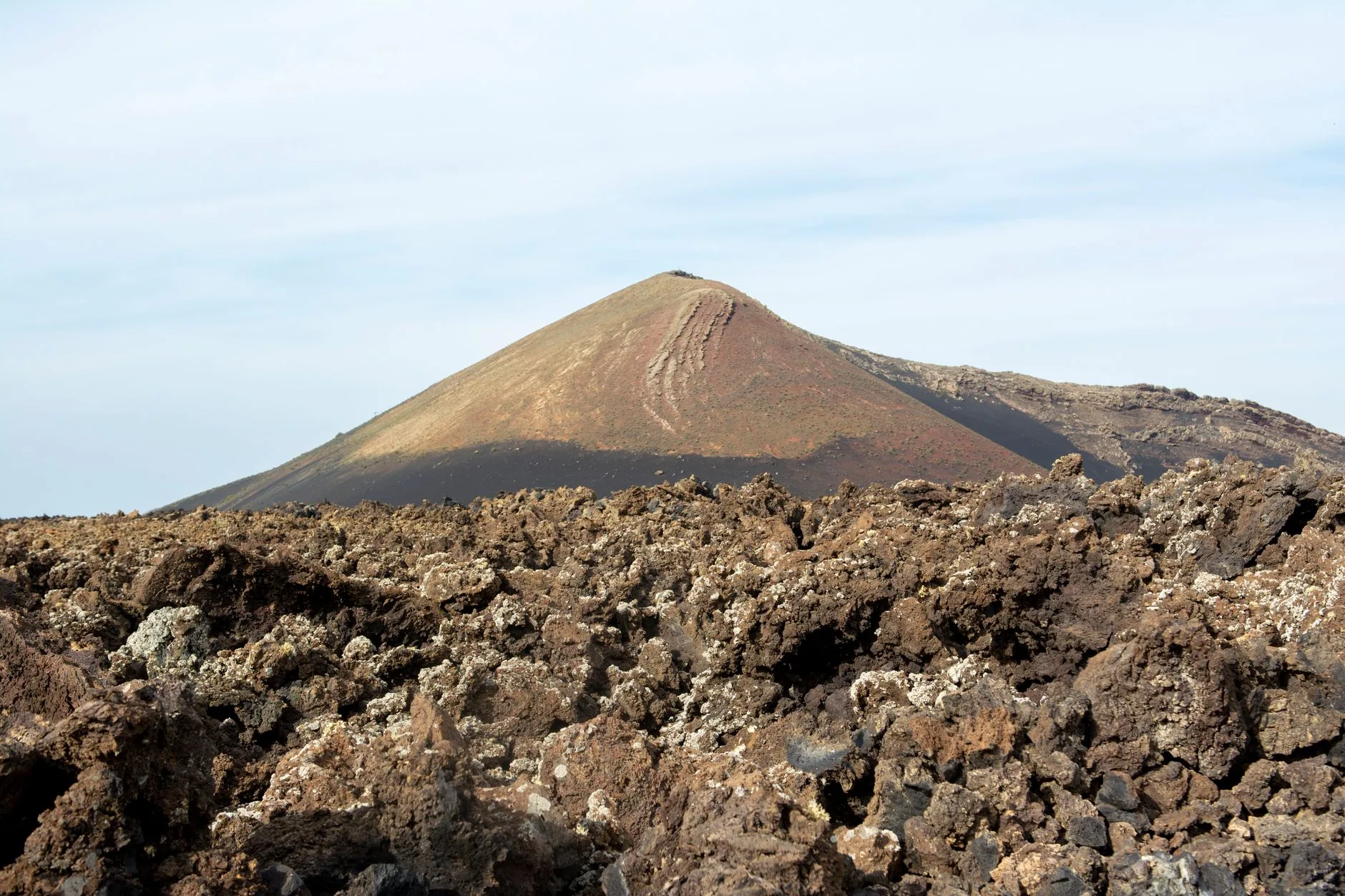
Timanfaya National Park in Lanzarote is one of the most dramatic geothermal landscapes in the world and one of the few places on Earth where volcanic heat can be felt and demonstrated directly at the surface. The park was created by lava flows from the 1730–1736 eruption series — one of the largest basaltic eruptions in recorded European history — and the 1824 eruption that followed. In the central area of Islote de Hilario, the ground temperature at 13 centimetres depth reaches 400°C, and at 6 metres depth, a well reaches 600°C. Branches placed in vent holes catch fire within seconds. Water poured into a natural shaft produces an instant steam geyser. The park's restaurant — El Diablo, designed by Lanzarote's celebrated architect César Manrique — cooks food on a custom grill positioned above a natural geothermal vent, with no other energy source. The black basalt landscape, almost entirely devoid of vegetation, stretches to the horizon like a moonscape, broken only by the silhouettes of volcanic cones and the occasional fig tree or wine grape growing in hand-dug craters. Lanzarote is a UNESCO Biosphere Reserve.
Timanfaya Geothermal Areaはスペイン・Lanzarote, Canary Islandsに位置する地熱温泉。源泉温度は400℃、標高420mの地に湧出する。泉水は酸性(pH約3.2)の泉質が特徴だ。1730年創業。地質学教育・景観体験など多様な温浴療法が行われる。施設ではガイド付き火山公園ツアー・地熱調理の実演・火山地帯のラクダトレッキングなどが体験できる。
Tratamientos
Treatments
トリートメント
Geological EducationLandscape Immersion
Técnicas
Techniques
技法
Guided volcanic park visitGeothermal cooking demonstrationCamel trekking on volcanic terrain
Patrimonio
Timanfaya se formó durante uno de los episodios volcánicos más significativos de la historia europea moderna: las erupciones de 1730-1736, que sepultaron once pueblos, mataron al ganado en toda la isla y oscurecieron los cielos de Europa. Los relatos de la época, escritos por el párroco Andrés Lorenzo Curbelo, describen la catástrofe con gran detalle. El paisaje apenas ha cambiado desde 1736. La designación de Lanzarote como Reserva de la Biosfera de la UNESCO en 1993 reconoció la extraordinaria integridad de este paisaje volcánico y la respuesta cultural de los lanzaroteños —liderada por el artista César Manrique— para integrar estéticamente todo el desarrollo con el carácter volcánico de la isla.
Heritage
Timanfaya was formed in one of the most significant volcanic events in modern European history: the 1730–1736 eruptions that buried eleven villages, killed livestock across the island, and darkened skies across Europe. Contemporary accounts from the priest Andrés Lorenzo Curbelo describe the catastrophe in detail. The landscape has changed almost nothing since 1736. Lanzarote's designation as a UNESCO Biosphere Reserve in 1993 recognised the extraordinary integrity of this volcanic landscape and the cultural response of Lanzaroteños — led by the artist César Manrique — to integrate all development aesthetically with the volcanic character of the island.
文化財
ティマンファヤは、近代ヨーロッパ史上最も重大な火山活動の一つによって形成された。1730年から1736年にかけての噴火は、11の村を埋め尽くし、島中の家畜を死なせ、ヨーロッパ全域の空を暗くした。当時の司祭アンドレス・ロレンソ・クルベロによる同時代の記録には、この大災害が詳細に描写されている。この景観は1736年以来ほとんど変わっていない。1993年にランサローテ島がユネスコ生物圏保護区に指定されたことは、この火山景観の類まれな完全性と、芸術家セサル・マンリーケが主導した、すべての開発を島の火山的な性格と美的に一体化させようとするランサローテ島民の文化的な応答を認めるものであった。
Cultura
Timanfaya ha moldeado la identidad cultural de Lanzarote con tanta fuerza como cualquier obra humana. César Manrique, el artista y arquitecto más célebre de la isla, construyó toda su filosofía estética en torno al paisaje volcánico, desde el restaurante El Diablo en Timanfaya hasta su propia casa, excavada en una burbuja de lava volcánica. La tradición canaria de cultivar la vid en hoyos volcánicos —creando microclimas individuales en la lava negra para cada cepa— es una de las prácticas vitivinícolas más singulares del mundo, y es el mismo hecho geológico —el calor geotérmico accesible en la superficie— el que hace posible tanto la agricultura como la experiencia de Timanfaya.
Culture
Timanfaya has shaped Lanzarote's cultural identity as fundamentally as any human act. César Manrique, the island's most celebrated artist and architect, built his entire aesthetic philosophy around the volcanic landscape — from the El Diablo restaurant at Timanfaya to his own house tunnelled into a volcanic lava bubble. The Canarian tradition of building bodega wine cellars in volcanic cones — creating individual microclimate hollows in the black lava for each vine — is one of the most distinctive wine-growing practices in the world, and it is the same geological fact — accessible geothermal heat at the surface — that makes both agriculture and the Timanfaya experience possible.
文化
ティマンファヤは、いかなる人間の営みにも劣らないほど根本的にランサローテ島の文化的アイデンティティを形作ってきた。島で最も名高い芸術家であり建築家でもあるセサル・マンリーケは、ティマンファヤのエル・ディアブロ・レストランから、火山の溶岩の泡(ラバチューブ)をくり抜いた自邸に至るまで、自らの美学の哲学すべてを火山景観を中心に築き上げた。黒い溶岩の中に一株ずつくぼみを掘り、それぞれに微気候をつくり出すカナリア諸島独特のワイン醸造用地下貯蔵庫(ボデガ)の伝統は、世界でも類を見ないワイン栽培の営みであり、農業とティマンファヤの体験の両方を可能にしているのは、地表で得られる地熱という同じ地質学的事実にほかならない。
Sostenibilidad
Timanfaya es un parque nacional estrictamente protegido, sin acceso para vehículos todoterreno, con un número controlado de visitantes diarios y sin desarrollo comercial dentro de sus límites. Todas las visitas deben realizarse en un autobús designado del parque, siguiendo una ruta establecida. El ecosistema volcánico es frágil: las semillas y organismos que los visitantes puedan transportar podrían, en teoría, colonizar la lava desnuda, alterando la esterilidad característica que define el carácter geológico del parque. La educación a los visitantes hace hincapié en que Timanfaya es un monumento geológico, no un parque temático.
Sustainability
Timanfaya is a strictly protected national park with no off-road vehicle access, a controlled number of daily visitors, and no commercial development within park boundaries. All visits must be made by a designated park bus along a set route. The volcanic ecosystem is fragile — seeds and organisms carried by visitors could theoretically colonise the bare lava, altering the characteristic sterility that defines the park's geological character. Visitor education emphasises that Timanfaya is a geological monument, not a theme park.
持続可能性
ティマンファヤは厳格に保護された国立公園であり、オフロード車両の乗り入れは認められておらず、一日あたりの来場者数も制限され、公園内での商業開発は行われていない。すべての見学は、定められたルートを走る指定の公園バスによって行わなければならない。この火山生態系は繊細であり、来訪者が運び込む種子や生物が理論上、むき出しの溶岩に定着し、この公園の地質学的な特徴を定義づける独特の「不毛さ」を変えてしまう可能性がある。来訪者向けの案内では、ティマンファヤはテーマパークではなく地質学的な記念物であることが強調されている。
Otros manantiales en Spain