Ibusuki Onsen

🇯🇵 Japan · Ibusuki, Kagoshima Prefecture, Kyushu

Ibusuki Onsen

Manantiales / Ibusuki OnsenSprings / Ibusuki Onsen温泉・鉱泉 / Ibusuki Onsen

♨ Temperatura

⛰ Altitud

⚗ pH

💧 TDS

🌊 Caudal

📅 Establecido

sand-bathing tradition documented for 300+ years; earliest written reference over 450 years ago

♨ Temperature

⛰ Altitude

⚗ pH

💧 TDS

🌊 Flow rate

📅 Established

sand-bathing tradition documented for 300+ years; earliest written reference over 450 years ago

♨ 温度

⛰ 標高

⚗ pH

💧 TDS

🌊 流量

📅 開設

sand-bathing tradition documented for 300+ years; earliest written reference over 450 years ago

Chlorinated

✓ Verificado el 2026-07-28

✓ Verified on 2026-07-28

✓ 確認日 2026-07-28

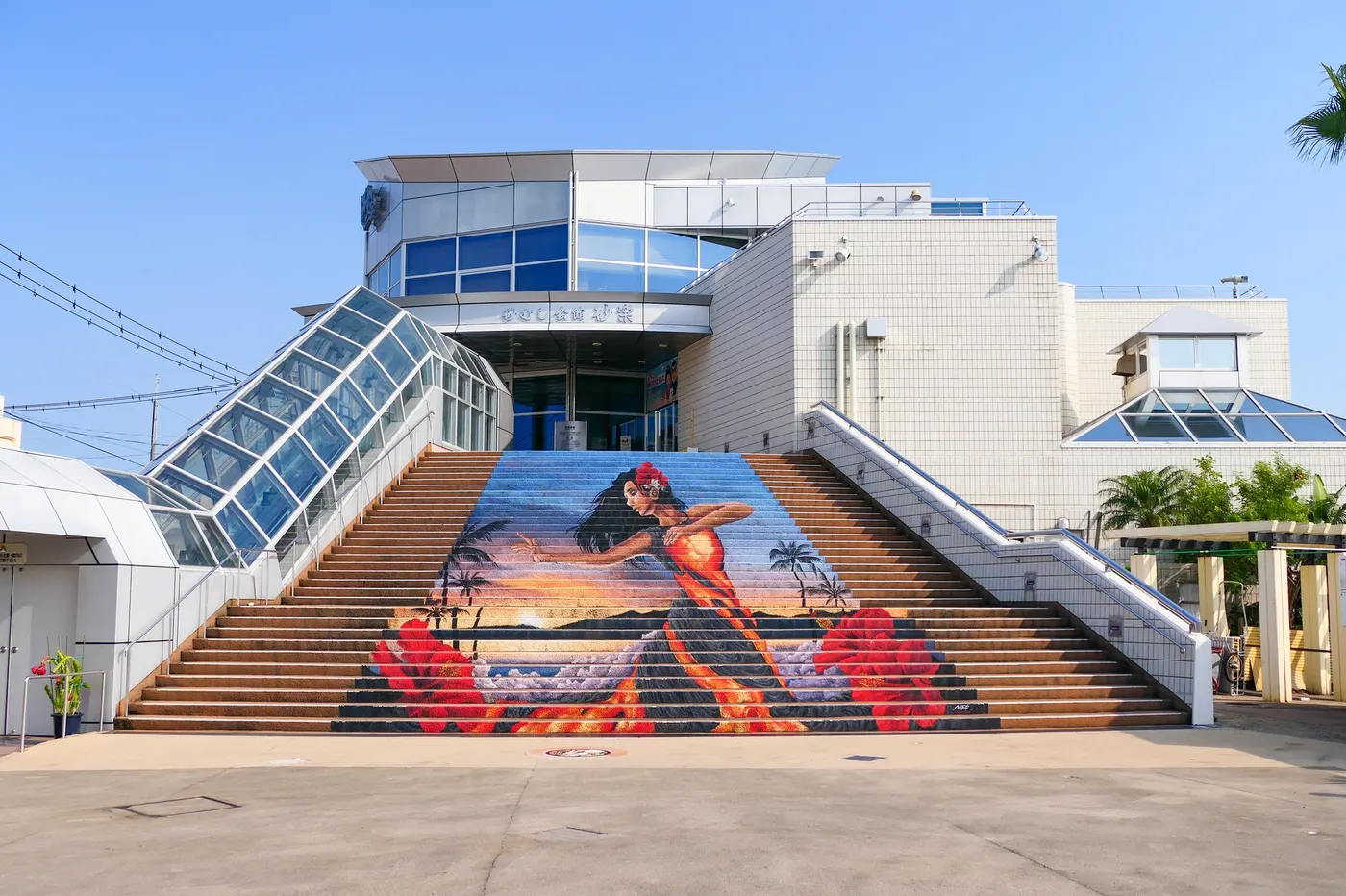
Ibusuki Onsen se encuentra en la península de Satsuma, en la prefectura de Kagoshima, Kyushu, a orillas de la bahía de Kagoshima, y se nutre de unas 500 fuentes termales que descargan en conjunto 120.000 toneladas de agua al día. La mayor parte del agua es de tipo clorurada sódica, con temperaturas de fuente generalmente entre 50 y 60°C y al menos una fuente cercana a los 100°C. El rasgo distintivo de Ibusuki es el suna-mushi, el baño de arena, en el que la arena de la playa, calentada geotérmicamente de forma natural (alrededor de 50-55°C), se usa para enterrar a los bañistas hasta el cuello; la práctica está documentada desde hace al menos 300 años, con la referencia escrita más antigua conocida de hace más de 450 años, cuando el mercader portugués Jorge Álvares describió a la gente bañándose en arena caliente durante dos horas por la mañana y por la noche en 'El informe de Japón'. Saraku, el mayor salón público de baños de arena de la localidad, recibe a más de 200.000 visitantes al año.

Ibusuki Onsen sits on the Satsuma Peninsula in Kagoshima Prefecture, Kyushu, on the shore of Kagoshima Bay, and is fed by roughly 500 hot spring sources discharging a combined 120,000 tonnes of water per day. Most of the water is a sodium chloride spring type, with source temperatures generally between 50-60°C and at least one source near 100°C. Ibusuki's defining feature is suna-mushi, sand bathing, where the naturally geothermally heated beach sand (around 50-55°C) is used to bury bathers up to the neck; the practice has been documented for at least 300 years, with the earliest known written reference over 450 years ago, when Portuguese merchant Jorge Alvares described people bathing in hot sand for two hours morning and night in 'The Japan Report.' Saraku, the town's largest public sand-bath hall, draws over 200,000 visitors a year.

指宿温泉は九州・鹿児島県の薩摩半島、鹿児島湾に面した場所に位置し、約500か所の源泉から1日合計約12万トンの湯が湧出している。湯の大部分はナトリウム-塩化物泉で、源泉温度はおおむね50~60℃、中には100℃近くに達するものもある。指宿最大の特徴は「砂むし」と呼ばれる砂浴で、地熱によって自然に温められた海岸の砂(約50~55℃)に首まで埋まって入浴する。この風習は少なくとも300年以上前から記録されており、最も古い文献記録は450年以上前、ポルトガル商人ジョルジェ・アルヴァレスが著書『日本報告』の中で、人々が朝晩2時間ずつ熱い砂に浸かる様子を記したものにさかのぼる。指宿最大の公共砂むし施設「砂楽」には年間20万人以上が訪れる。

Técnicas

Techniques

技法

Bathing (Onsen)

Patrimonio

El baño de arena en Ibusuki se practica desde hace al menos 300 años y fue documentado hace más de 450 años por el mercader portugués Jorge Álvares, cuyo relato 'El informe de Japón' describía a los habitantes locales bañándose en arena caliente durante dos horas seguidas, por la mañana y por la noche.

Heritage

Sand bathing at Ibusuki has been practiced for at least 300 years and was documented over 450 years ago by the Portuguese merchant Jorge Alvares, whose account 'The Japan Report' described locals bathing in hot sand for two hours at a time, morning and night.

文化財

指宿の砂むしは少なくとも300年以上前から行われてきたとされ、450年以上前にはポルトガル商人ジョルジェ・アルヴァレスがその著書『日本報告』の中で、地元の人々が朝晩2時間ずつ熱い砂に浸かる様子を記録している。

Cultura

El suna-mushi (baño de arena) sigue siendo la tradición de baño distintiva de Ibusuki: los bañistas se ponen un yukata y se recuestan en una zanja poco profunda cavada en la playa mientras el personal los cubre con arena calentada naturalmente por las fuentes termales geotérmicas subyacentes, una práctica utilizada históricamente para tratar el reumatismo, el asma, la anemia y otras dolencias.

Culture

Suna-mushi (sand bathing) remains Ibusuki's signature bathing tradition: bathers wear a yukata and lie in a shallow trench dug on the beach while staff bury them in sand naturally heated by the geothermal springs beneath, a practice historically used to treat rheumatism, asthma, anemia, and other ailments.

文化

砂むし(砂浴)は今も指宿を象徴する入浴文化であり、浴衣を着た入浴客が海岸に掘られた浅い溝に横たわり、係員が地熱で自然に温められた砂をかけていく。歴史的にはリウマチ、喘息、貧血などの治療に用いられてきた。

Contacto

Sitio webwww.ibusuki-saraku.jp/

DirecciónIbusuki, Kagoshima, Japan

Contact

Websitewww.ibusuki-saraku.jp/

AddressIbusuki, Kagoshima, Japan

連絡先

ウェブサイトwww.ibusuki-saraku.jp/

住所Ibusuki, Kagoshima, Japan

← Volver al directorio completo Ver en el mapa interactivo← Back to the full directory View on the interactive map← ディレクトリ全体に戻る インタラクティブマップで見る