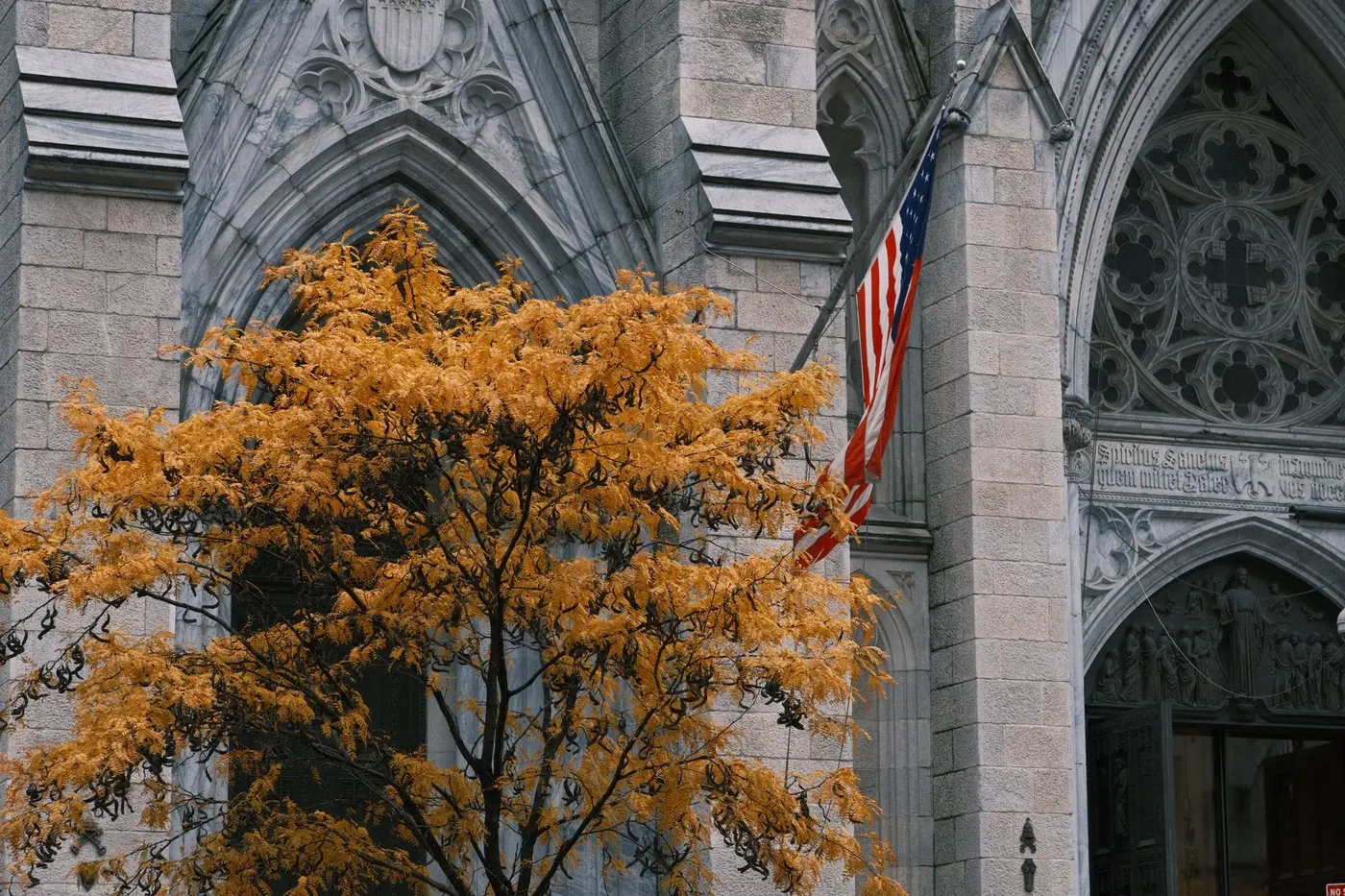
Photo by Miguel Rivera on Pexels
🇺🇸 USA · Urban centers — New York, Los Angeles, Dallas, Brooklyn
Photo by Miguel Rivera on Pexels
🇺🇸 USA · Urban centers — New York, Los Angeles, Dallas, Brooklyn
♨ Temperature
40°C
⛰ Altitude
0 m
⚗ pH
7.5
💧 TDS
600 mg/L
🌊 Flow rate
N/A
📅 Established
Contemporary revival — 2010s–2020s
✓ Verified on 2026-07-22
The American bathhouse tradition was largely dismantled during the 20th century, suppressed first by Prohibition-era closures of immigrant community baths, then by the AIDS crisis, then by the cultural shift toward private home bathing. The last survivors of the old immigrant-era tradition — the Russian and Turkish Baths on East 10th Street in Manhattan (established 1892), the Schvitz in Detroit, and a handful of Korean-owned communal baths — maintained a fragile continuity. Beginning in the 2010s, a new generation of bathhouse operators began opening facilities that draw on Nordic, Japanese, Russian, and Turkish traditions simultaneously: hot pools, cold plunges, dry saunas, steam rooms, and in some cases mineral water soaks. Brooklyn's Bathhouse (mineral pool, sauna, steam), Chicago's Halcyon House, and others have demonstrated significant market appetite for communal bathing in cities where private spa culture had previously dominated. The neo-bathhouse represents a conscious cultural project: the reclamation of shared bathing as a social institution, with specific attention to accessibility, LGBTQ+ welcoming environments, and the architecture of contemplative public space.
| Variable by facility | 0 mg/L |
| Magnesium (mineral soak typical) | 480 mg/L |
| Sodium | 120 mg/L |
America's earliest public bathhouses were built in the 1850s–1890s as municipal hygiene infrastructure for immigrant communities without home bathing access. Cities including New York, Chicago, and Baltimore built hundreds of public baths. Saratoga Springs, New York operated one of the most celebrated mineral spring spa complexes in 19th-century North America. The immigrant community baths — Russian Jewish schvitzes, Finnish saunas, and Polish steam baths — were cultural institutions as much as hygienic ones, places for language maintenance, community news, and informal governance.
The contemporary American neo-bathhouse movement draws explicitly on this history, as well as on the influence of Nordic sauna culture, Japanese onsen, and Korean jjimjilbang. The social proposition — that shared bathing creates the conditions for a kind of democratic, body-equalising community — is central to the marketing language of new American bath houses. The movement coincides with broader wellness industry growth and specifically with rising urban loneliness as a documented public health concern.
Most contemporary American bathhouses are urban installations in existing buildings, with a relatively small physical footprint. They typically use recirculated water with mineral additions rather than natural springs.
Websitewww.theathena.com
AddressMultiple locations across the United States