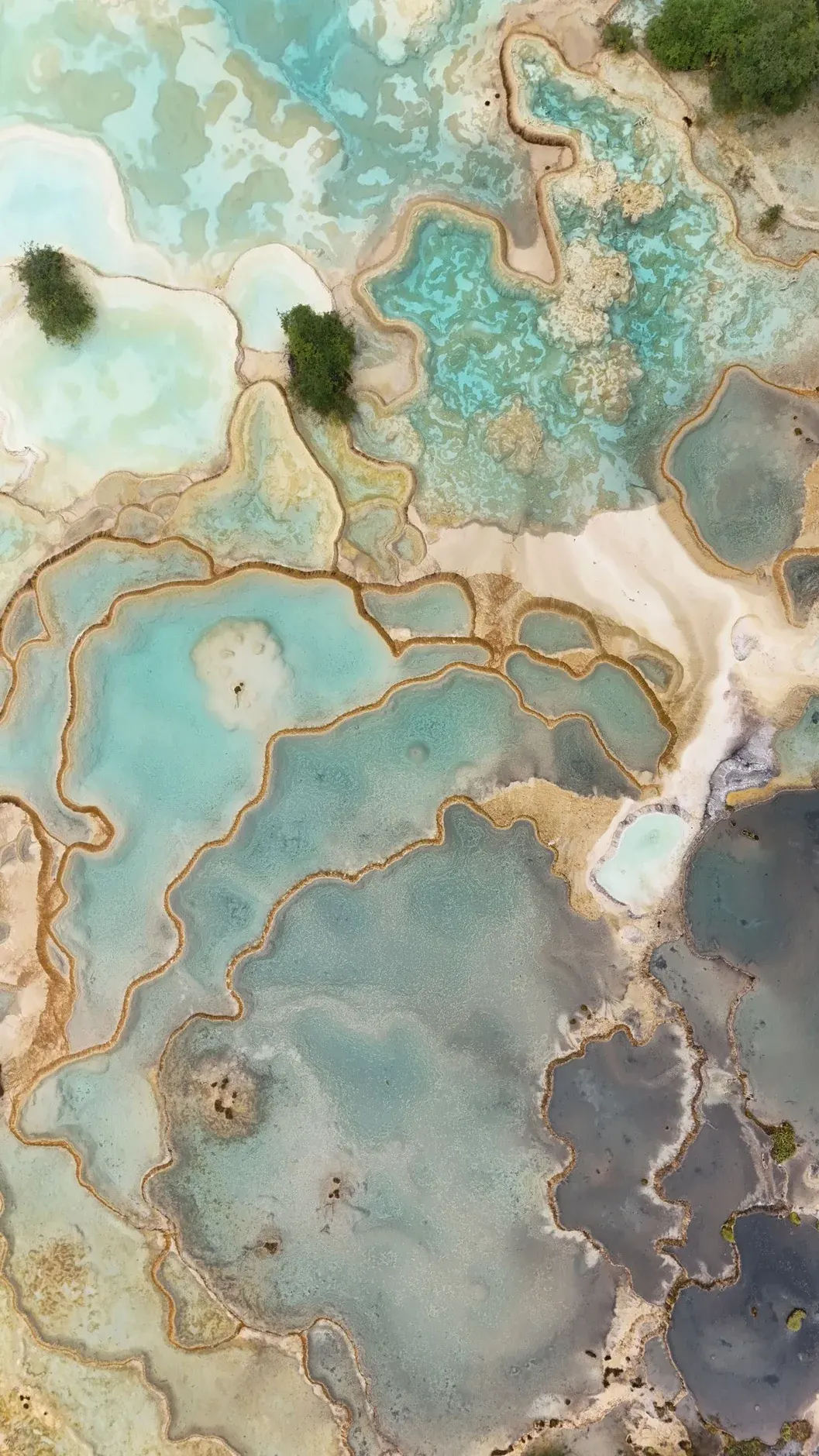
Photo by 卡 卡 on Pexels
🇨🇳 China · Zhejiang
♨ Temperature
46°C
⛰ Altitude
220 m
⚗ pH
7.3
💧 TDS
1100 mg/L
🌊 Flow rate
75 L/s
📅 Established
Song Dynasty (12th century)
✓ Verified on 2026-07-22
Anji County in Zhejiang Province is China's premier bamboo destination — a landscape of subtropical bamboo forests covering 60% of its area that provided the setting for the film Crouching Tiger, Hidden Dragon. The Tianrui Hot Springs emerge from deep granite aquifers beneath this bamboo landscape, producing a lightly mineralised bicarbonated water prized for its silica content and softness. The spring resort experience in Anji is uniquely Chinese in its setting: outdoor thermal pools within bamboo grove enclosures, where the sound of wind in bamboo and the view of the forest canopy above the warm water create an immersive natural bathing environment. Accessible from Shanghai's cruise terminal by high-speed rail and coach in approximately 2 hours.
| Bicarbonate | 520 mg/L |
| Silica | 55 mg/L |
| Calcium | 89 mg/L |
| Magnesium | 32 mg/L |
| Fluoride | 1.2 mg/L |
Anji's springs are first mentioned in Song Dynasty geographical texts from the 12th century, which describe villagers using the warm water for silk dyeing and cultivation — the mineral content producing brighter dye uptake. The springs were formally documented as therapeutic by a Qing Dynasty prefectural physician in 1768, who prescribed them for skin conditions and joint pain. The bamboo culture of Anji is itself a UNESCO intangible cultural heritage, creating an ancient context for the spring use.
In Chinese wellness philosophy, the combination of bamboo — a symbol of resilience, flexibility, and longevity — with mineral water creates a synergistic healing environment aligned with Daoist principles of natural harmony. Bathing in Anji is an act of environmental immersion, not just mineral therapy, and the practice of 'listening to the bamboo while bathing' is considered a meditative exercise in mindfulness unique to this resort area.
Anji's bamboo forests are a globally recognised carbon sink, sequestering more carbon per hectare than tropical rainforest. The spring resort development operates under a zero-clearance policy for bamboo groves, with all thermal facilities built in existing cleared land. The county's designation as a 'National Eco-Civilisation Construction Pilot Zone' imposes strict environmental standards on all spring water extraction and facility operations.