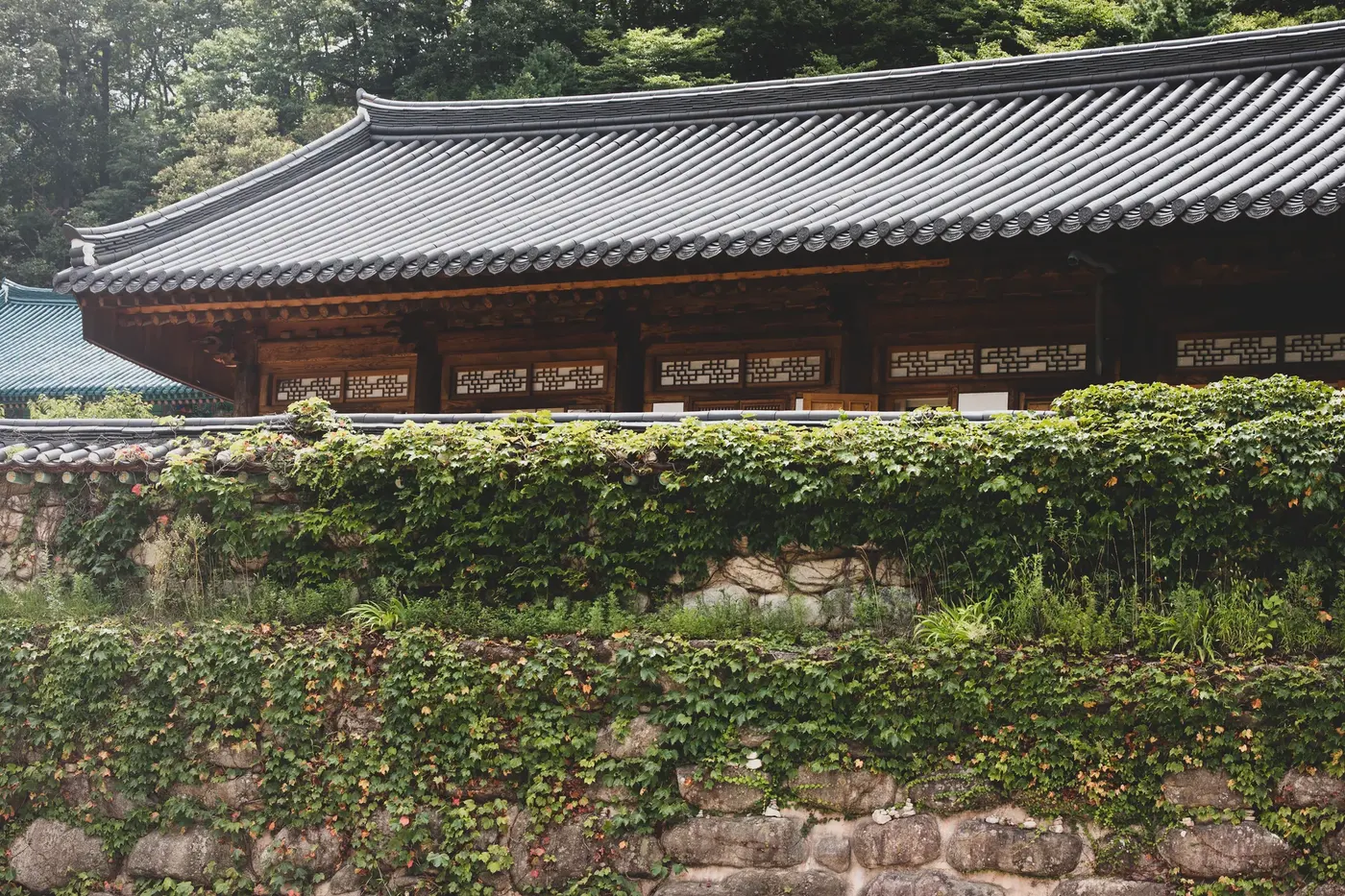
Photo by 정규송 Nui MALAMA on Pexels
🇰🇷 South Korea · Nationwide — Korean Peninsula
Photo by 정규송 Nui MALAMA on Pexels
🇰🇷 South Korea · Nationwide — Korean Peninsula
♨ Temperature
45°C
⛰ Altitude
0 m
⚗ pH
7
💧 TDS
0 mg/L
🌊 Flow rate
N/A (cultural entry)
📅 Established
Saunas and public bathhouses (mogyoktang) documented from Joseon Dynasty (1392–1910); jjimjilbang format developed 1990s
✓ Verified on 2026-07-22
The jjimjilbang (Korean: 찜질방, literally 'heated room') is one of the most distinctive social institutions in South Korean culture. Unlike a simple spa or gym sauna, a jjimjilbang is a multi-purpose communal facility that combines bathing, sleeping, eating, and socializing in a single 24-hour environment. A typical jjimjilbang includes: segregated bathing halls with hot, warm, and cold pools (mogyoktang); coed jjimjil rooms heated with infrared stones to different temperatures (including pine charcoal, clay, salt, and jade rooms); a large communal resting area where visitors sleep on heated floors in matching facility-issued shorts and t-shirts; a food service area selling eggs slow-cooked in the sauna heat, sikhye (rice drink), and Korean comfort food; and entertainment rooms with television, games, and internet access. The uniforming of all guests in matching clothing — regardless of social status or wealth — creates a deliberate social leveling that recalls the communal bath traditions of the pre-modern Korean peninsula. Jjimjilbang operate at all hours and serve as informal overnight accommodation for travellers, late-night workers, and anyone who misses the last subway. Major facilities in Seoul can accommodate hundreds of guests simultaneously.
| Variable mineral soaking pools | 0 mg/L |
| Infrared heat rooms (not water-based) | 0 mg/L |
The Korean tradition of communal bathing traces to the mogyoktang (public bathhouse) of the Joseon Dynasty, which served both hygienic and social functions in a society where private home bathing was rare. The ondol (underfloor heating) system — which heats floors using fire or, in modern buildings, hot water pipes — is one of Korea's oldest architectural technologies and forms the thermal basis of the jjimjilbang sleeping culture. The integration of sauna, sleep, and social space in a single institution is a specifically Korean innovation within the broader Asian bathhouse tradition.
The jjimjilbang has become a subject of international fascination as a model of how public space can serve multiple simultaneous social functions. The Italian cloth scrub ('때밀이' — literally 'rubbing off grime') performed by professional scrubbers (때밀이 아주머니) is a distinctively Korean practice with no direct equivalent in other bathing traditions: a vigorous full-body exfoliation that removes layers of skin and is considered deeply therapeutic. Jjimjilbang are among the few public spaces in Korean society where age hierarchy (jeong) temporarily relaxes — it is normal to see grandparents and teenagers in the same communal space without the formality that structures Korean public life.
Many jjimjilbang use infrared heating technology with high energy efficiency. The communal model — hundreds of people sharing a single heated space — is inherently more energy-efficient than individual private saunas. Modern jjimjilbang have adopted solar panels and heat recovery systems in response to high energy costs.
Websitewww.korea.net
AddressNationwide — major facilities in Seoul, Busan, Daegu