Photo by Bestclai, via Wikimedia Commons (CC BY-SA 4.0)
🇪🇨 Ecuador · Carchi Province, Andes
Photo by Bestclai, via Wikimedia Commons (CC BY-SA 4.0)
🇪🇨 Ecuador · Carchi Province, Andes
♨ Temperature
24°C
⛰ Altitude
3412 m
⚗ pH
6.1
💧 TDS
1400 mg/L
🌊 Flow rate
12 L/s
📅 Established
Pre-Inca
✓ Verified on 2026-07-22
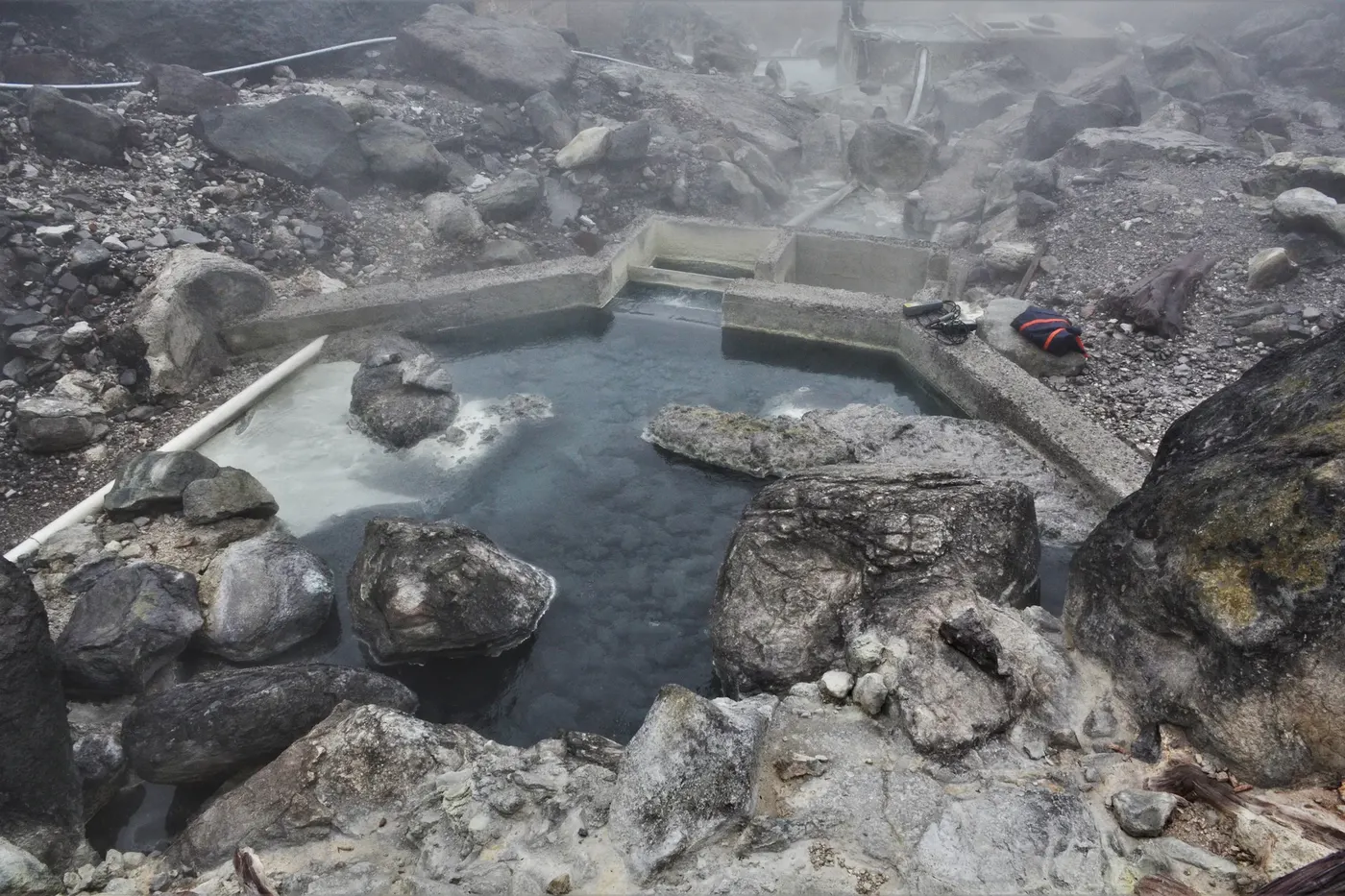
Aguas Hediondas (Fetid Waters) are high-altitude sulphurous springs in the Ecuadorian Andes near the Colombian border. Their strong sulphur odour belies their medicinal value, recognised by Andean peoples since pre-Inca times. The cold-to-tepid waters emerge from volcanic bedrock at over 3,400 metres above sea level and are used for treating skin diseases and respiratory ailments.
| Sulphur (H₂S) | 12.4 mg/L |
| Iron (Fe²⁺) | 6.8 mg/L |
| Bicarbonate | 520 mg/L |
| Carbon Dioxide | 680 mg/L |
| Calcium | 88 mg/L |
Aguas Hediondas are documented in Spanish colonial records from the 16th century, with earlier use by Andean cultures predating the Inca Empire. The springs lie within a region of profound archaeological significance — the northern Andes was a major corridor of pre-Columbian cultural exchange. In Andean cosmology, mountains (apus) and water sources are venerated as living beings.
In Andean indigenous worldview, sulphurous springs are understood as medicine given directly by Pachamama (Mother Earth). The strong smell is not a defect but a marker of potency. Traditional healers (curanderos) have incorporated Aguas Hediondas into healing protocols for skin diseases and respiratory conditions for generations — a knowledge tradition that is part of Ecuador's intangible cultural heritage.
At 3,412 metres above sea level, Aguas Hediondas is part of the high-Andean páramo ecosystem — one of the world's most important freshwater-generating landscapes and a critical carbon sink. The springs are located within a protected area managed by the Carchi Provincial Government. Sustainable tourism initiatives aim to benefit local communities without industrialising the spring site.