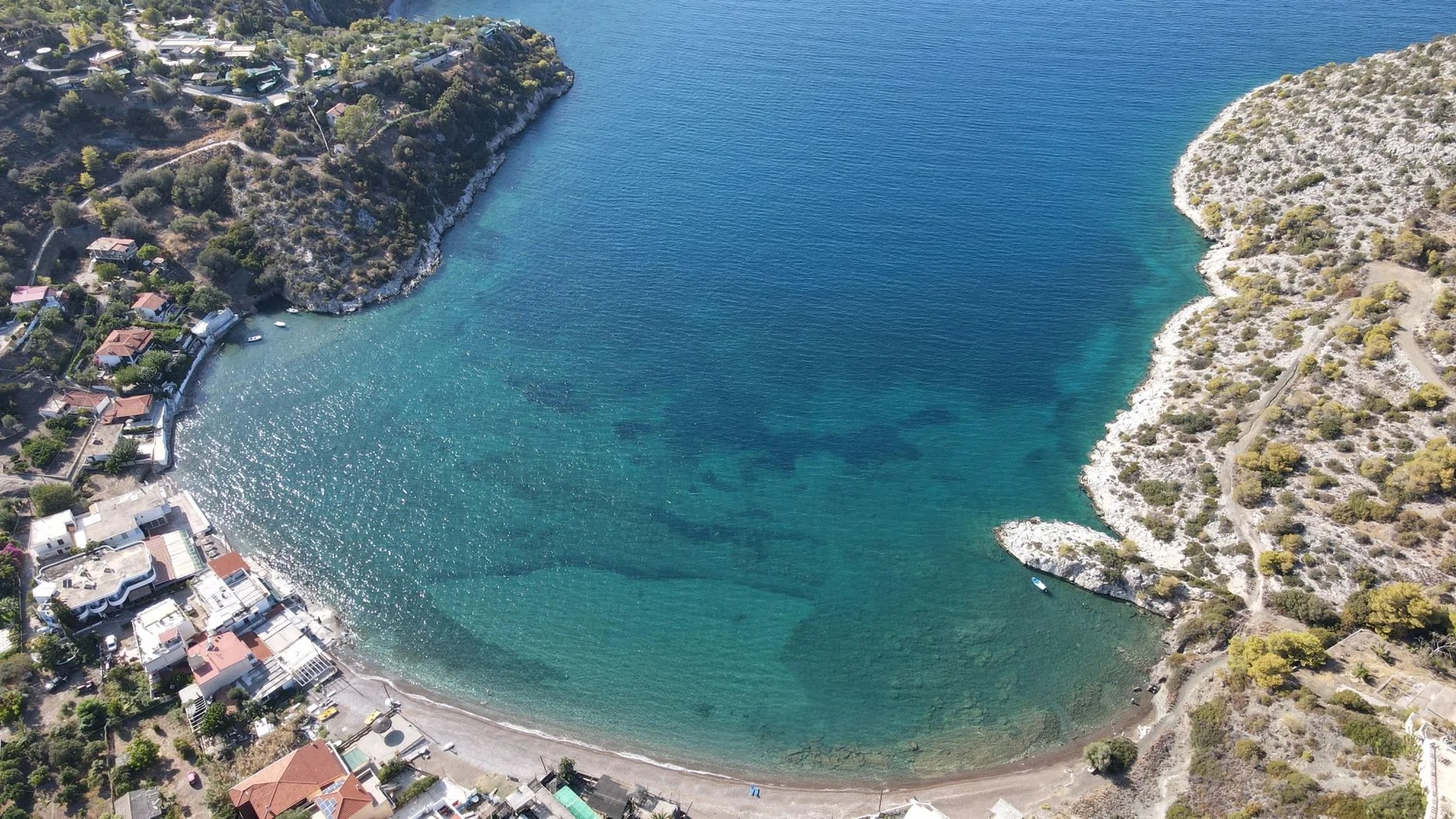
Photo by Giwrgos Lamp on Pexels
🇬🇷 Greece · Corinthia
♨ Temperature
30°C
⛰ Altitude
5 m
⚗ pH
7.4
💧 TDS
890 mg/L
🌊 Flow rate
45 L/s
📅 Established
Ancient Greek period
✓ Verified on 2026-07-22
Loutraki is Greece's most celebrated spa town, built around thermal springs that flow from the foothills of the Gerania mountains into the Corinthian Gulf. The springs have been valued since ancient times — referenced by Strabo and Pausanias — and became a major resort under Ottoman and then modern Greek development. The modern Loutraki Thermal Spa offers indoor thermal pools, thalassotherapy, and balneotherapy treatments using the naturally cool mineral water. The town sits on the isthmus connecting mainland Greece to the Peloponnese, making it an accessible day trip from the Piraeus cruise terminal.
| Chloride | 312 mg/L |
| Sodium | 198 mg/L |
| Sulphate | 87 mg/L |
| Bicarbonate | 145 mg/L |
| Calcium | 68 mg/L |
Loutraki's springs are mentioned by the ancient geographer Strabo in his Geographica (1st century BC), who noted that people came from across Greece to bathe in its curative waters. In the early 20th century the town became a fashionable resort for Greek high society and European visitors to Athens, developing grand hotel buildings that still line the promenade.
Loutraki is intertwined with Greek concepts of health and leisure — the Greek word 'loutrá' itself means bath. The town's identity as a healing place is embedded in local tradition; families from Athens have made seasonal visits to drink and bathe in the spring water for generations. It is also home to the famous Loutraki mineral water brand, one of Greece's most consumed bottled waters.
The Loutraki aquifer is one of the most closely studied spring systems in Greece, with groundwater monitoring dating to the 1950s. Following a 1981 earthquake that disrupted spring flows, the Greek government implemented strict hydrogeological protection zones prohibiting drilling within 2 km of the spring sources. Current extraction is limited to preserve natural flow rates.