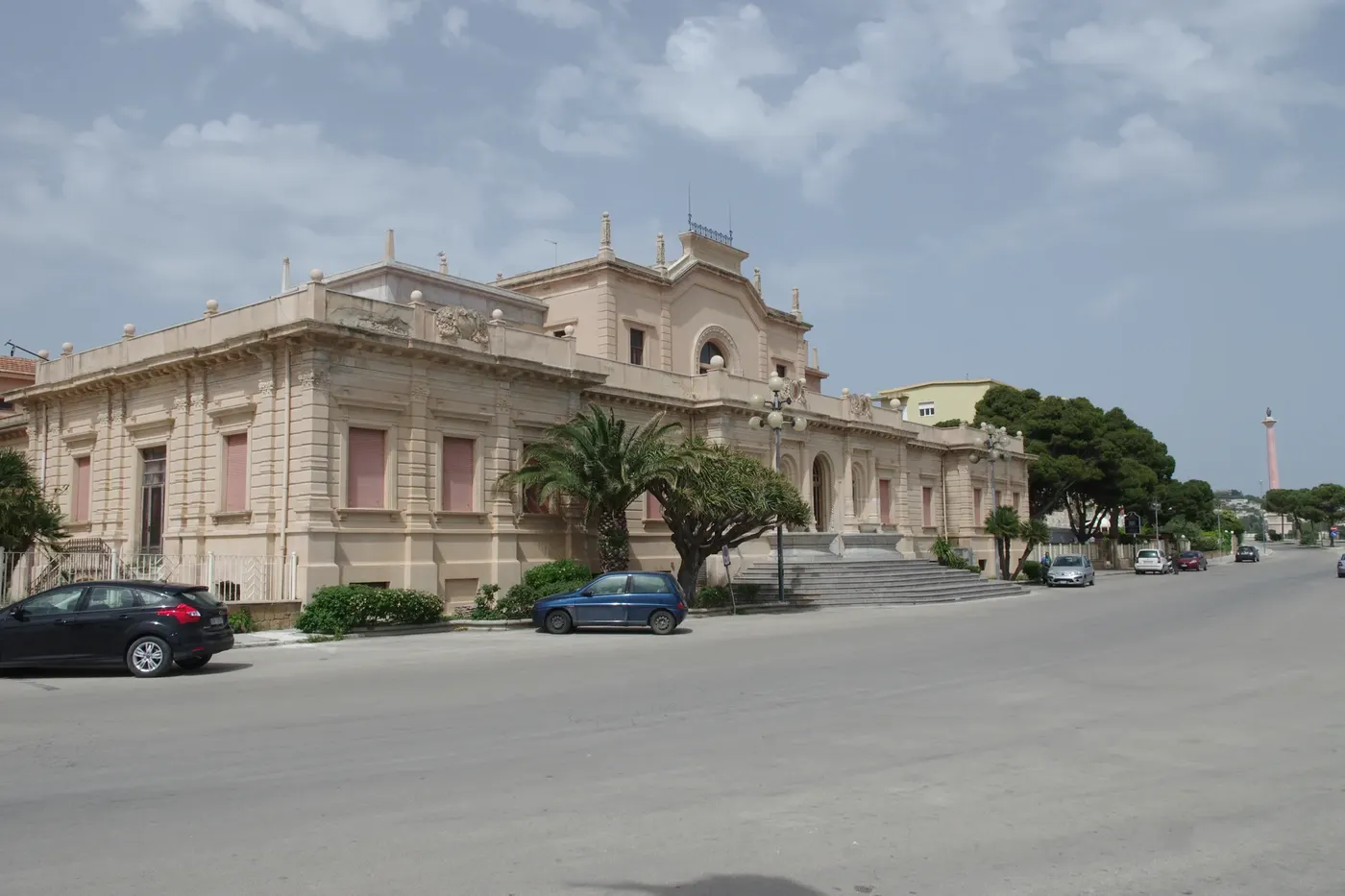
Manantiales / Terme di SciaccaSprings / Terme di Sciacca温泉・鉱泉 / Terme di Sciacca
📅 Establecido
Ancient Greek period
📅 Established
Ancient Greek period
SulphurousChlorinated
✓ Verificado el 2026-07-22
✓ Verified on 2026-07-22
✓ 確認日 2026-07-22
Las Terme di Sciacca, en la costa sur de Sicilia, ocupan uno de los emplazamientos termales más antiguos del Mediterráneo. Las Stufe di San Calogero —cuevas naturales en la ladera del Monte San Calogero— canalizan vapor sulforoso geotérmico a 55 °C a través de fisuras volcánicas, creando un sistema de sauna natural en cueva sin parangón en Europa. El uso de estas cuevas de vapor está documentado desde el siglo V a. C., con cerámica de la Edad del Bronce encontrada en su interior que sugiere un uso anterior de hasta 3.500 años. Los griegos, los árabes y los normandos enriquecieron sucesivamente la tradición termal de la ciudad.
Terme di Sciacca occupies one of the most ancient thermal sites in Sicily, known to Greek colonists who called it Thermae Selinuntinae. The springs emerge at the base of Monte San Calogero, where natural steam caves — the Stufe di San Calogero — have been used for sweat-bathing since prehistoric times. The caves, where temperatures reach 55°C, are natural geological formations where hot sulphurous vapour condenses on the volcanic rock walls, creating a unique cave-sauna environment used for 2,700 years without interruption. Arab geographers of the 10th century described Sciacca's springs extensively, and the town developed as a major therapeutic centre under Norman rule.
Terme di Sciaccaはイタリア・Sicilyに位置する硫黄泉・塩化物泉。源泉温度は55℃の豊かな温泉水が湧き出る。泉水は中性に近い(pH約6.5)の泉質、塩化物泉・ナトリウム泉を豊富に含む、総溶解固形物4800 mg/Lが特徴だ。古くから親しまれてきた。リウマチ療法・皮膚科治療・呼吸器療法など多様な温浴療法が行われる。施設では入浴・蒸気洞窟・泥療法などが体験できる。
Minerales
Minerals
ミネラル
| Sulphur | 45 mg/L |
| Chloride | 2100 mg/L |
| Sodium | 1380 mg/L |
| Sulphate | 920 mg/L |
| Calcium | 310 mg/L |
Tratamientos
Treatments
トリートメント
RheumatologyDermatologyRespiratoryCardiovascularRelaxation
Técnicas
Techniques
技法
BathingSteam CaveMud TherapyInhalation
Patrimonio
Las cuevas de vapor de las Stufe di San Calogero, en Sciacca, se encuentran entre los lugares de sanación documentados más antiguos del Mediterráneo, con un uso continuo desde al menos el año 500 a.C. hasta la actualidad. El complejo de cuevas debe su nombre a San Calógero, un monje griego del siglo VI que, según se cuenta, sanaba a los enfermos allí. Cerámicas prehistóricas de la Edad del Bronce halladas en la cueva indican un uso posiblemente desde hace 3.500 años, lo que la convierte en uno de los sitios termales de uso continuo más antiguos del mundo.
Heritage
The Stufe di San Calogero steam caves at Sciacca are among the oldest documented healing sites in the Mediterranean, with continuous use from at least 500 BC through to the present day. The cave complex is named for San Calogero, a 6th-century Greek monk who reportedly healed the sick here. Prehistoric Bronze Age ceramics found in the cave indicate use possibly 3,500 years ago, making it one of the world's oldest continuously used thermal sites.
文化財
シャッカにあるサン・カロージェロの蒸気洞窟群は、地中海地域で最も古く記録された治療の場のひとつであり、少なくとも紀元前500年から現在に至るまで絶えることなく利用され続けてきた。この洞窟群は、ここで病人を癒したと伝えられる6世紀のギリシャ人修道士サン・カロージェロにちなんで名づけられている。洞窟内で発見された先史時代・青銅器時代の土器は、およそ3,500年前からの利用を示唆しており、世界最古級の継続利用される温泉遺跡の一つとなっている。
Cultura
La cultura termal de Sciacca es una mezcla única de tradiciones griegas, árabes, normandas y sicilianas. La fiesta local de San Calógero, celebrada cada julio, incluye una procesión hasta las cuevas, manteniendo viva una tradición de sanación espiritual vinculada al manantial. La identidad de la ciudad como lugar de bienestar se refleja en su arquitectura, su gastronomía y su tradición de arte cerámico local, que históricamente representó los manantiales curativos como motivo central.
Culture
Sciacca's thermal culture is a unique blend of Greek, Arab, Norman, and Sicilian traditions. The local feast of San Calogero each July includes a procession to the caves, maintaining a tradition of spiritual healing connected to the spring. The town's identity as a place of wellness is reflected in its architecture, gastronomy, and the local ceramic arts tradition, which historically depicted the healing springs as a central motif.
文化
シャッカの温泉文化は、ギリシャ、アラブ、ノルマン、シチリアの伝統が独自に融合したものである。毎年7月に行われる地元のサン・カロージェロの祭りには洞窟への行列が含まれ、泉と結びついた精神的な癒しの伝統が今も保たれている。この町の癒しの地としてのアイデンティティは、その建築、食文化、そして歴史的に癒しの泉を中心的なモチーフとして描いてきた地元の陶芸の伝統にも反映されている。
Sostenibilidad
Las cuevas de vapor del Monte San Calógero son un sitio geológico protegido bajo la legislación ambiental italiana. El sistema natural de vapor geotérmico no requiere infraestructura alguna y no produce agua residual. Las instalaciones termales modernas funcionan mediante un sistema de intercambio de calor de circuito cerrado que devuelve el agua enfriada a la misma cuenca de drenaje, y el municipio restringe el desarrollo residencial dentro de la zona de captación del manantial.
Sustainability
The Monte San Calogero steam caves are a protected geological site under Italian environmental law. The natural geothermal steam system requires no infrastructure and produces no waste water. Modern thermal facilities operate on a closed-loop heat exchange system that returns cooled water to the same drainage basin, and the municipality restricts residential development within the spring catchment area.
持続可能性
モンテ・サン・カロージェロの蒸気洞窟は、イタリアの環境法のもとで保護された地質遺跡である。この天然の地熱蒸気システムはインフラを必要とせず、排水も一切生じない。現代の温泉施設は、冷却された水を同じ排水盆地に戻す閉鎖循環式の熱交換システムで稼働しており、自治体は泉の集水域内での住宅開発を制限している。
Otros manantiales en Italy