Manantiales / Terme LuigianeSprings / Terme Luigiane温泉・鉱泉 / Terme Luigiane
📅 Establecido
Known in Roman times (documented by Pliny the Elder); first written record 1446
📅 Established
Known in Roman times (documented by Pliny the Elder); first written record 1446
📅 開設
Known in Roman times (documented by Pliny the Elder); first written record 1446
SulphurousChlorinated (Sodium Chloride)
✓ Verificado el 2026-07-28
✓ Verified on 2026-07-28
✓ 確認日 2026-07-28
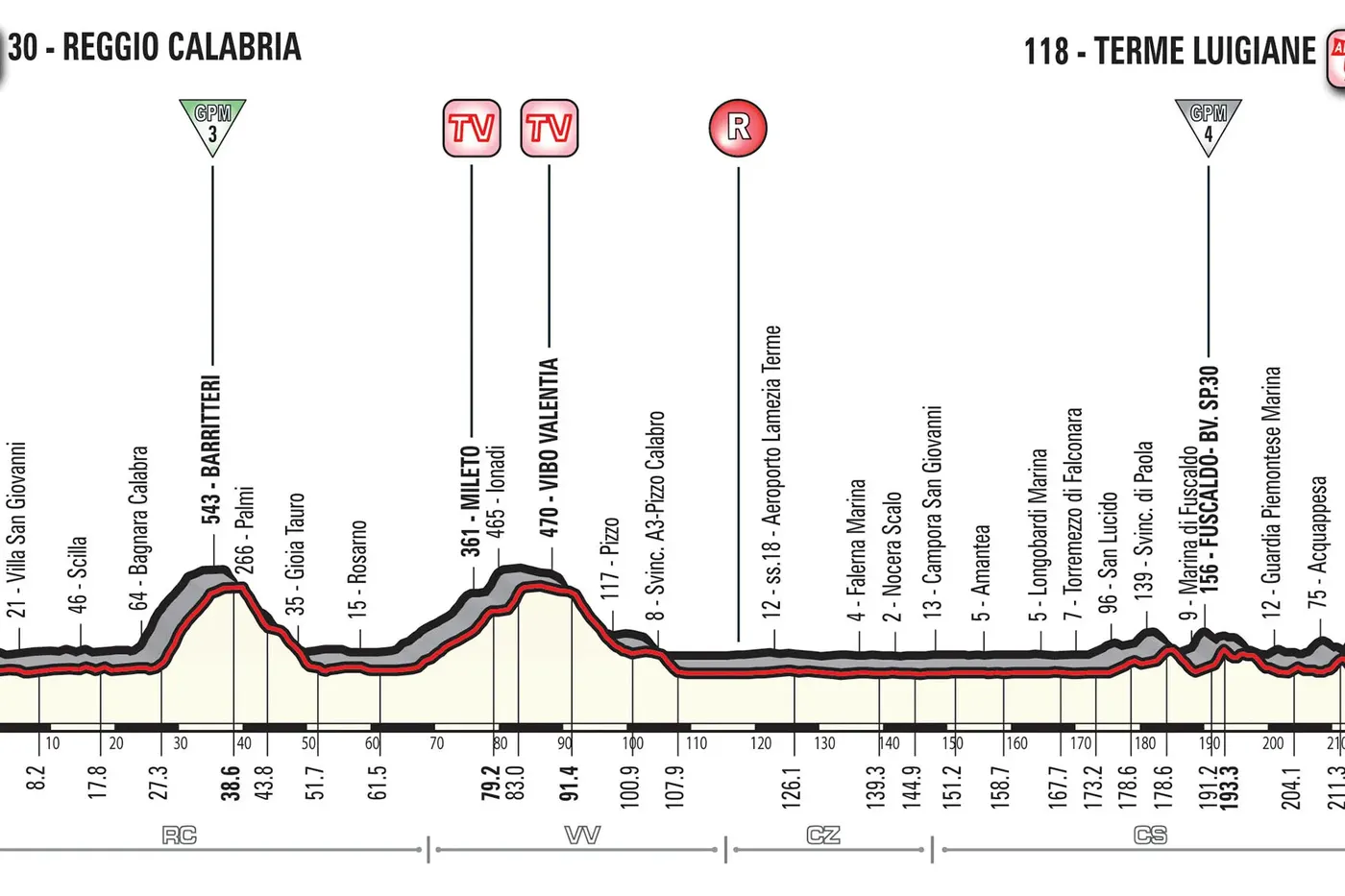
Terme Luigiane se encuentra entre los municipios de Acquappesa y Guardia Piemontese, en la provincia de Cosenza, Calabria, donde cuatro manantiales naturales suministran agua sulfurosa, salina y bromo-yódica. Tres manantiales emergen a una temperatura constante de 43-48°C, mientras que una cuarta fuente más fría (la 'Galleria Fredda') fluye a unos 22°C. Se describe que las aguas alcanzan una concentración de azufre entre las más altas de Italia. Los manantiales eran conocidos en la época romana, mencionados por Plinio el Viejo, y el nombre 'Luigiane' conmemora al príncipe Luigi Carlo di Borbone, mecenas de la investigación del médico del siglo XVIII Giovanni Pagano sobre las propiedades terapéuticas de las aguas.
Terme Luigiane sits between the towns of Acquappesa and Guardia Piemontese in Cosenza province, Calabria, where four natural springs supply sulphurous, saline, bromo-iodic water. Three springs emerge at a constant 43-48°C, while a fourth, cooler source (the 'Galleria Fredda') flows at around 22°C. The waters reach a sulphur concentration described as among the highest in Italy. The springs were known in Roman times, referenced by Pliny the Elder, and the name 'Luigiane' commemorates Prince Luigi Carlo di Borbone, patron of 18th-century physician Giovanni Pagano's research into the waters' therapeutic properties.
テルメ・ルイジャーネは、カラブリア州コゼンツァ県のアックアッペーザとグアルディア・ピエモンテーゼの間に位置し、4つの天然泉から硫黄・塩化物・臭素ヨウ素泉の湯が湧出する。3つの泉は43〜48℃の一定温度で湧き、もう一つの冷たい泉(「ガッレリア・フレッダ」)は約22℃で流れる。この湯の硫黄濃度はイタリア国内でも最高水準とされる。この泉は古代ローマ時代から知られ、大プリニウスの記述にも登場する。「ルイジャーネ」という名称は、18世紀の医師ジョヴァンニ・パガーノによる湯の効能研究を後援したルイジ・カルロ・ディ・ボルボーネ王子に由来する。
Minerales
Minerals
ミネラル
Técnicas
Techniques
技法
Bathing
Patrimonio
El uso documentado se remonta a la época romana, mencionado en los escritos de Plinio el Viejo en el siglo I d.C. El primer registro escrito conservado de los manantiales data de 1446, con la firma de San Francisco de Paula. El nombre actual del lugar honra al príncipe Luigi Carlo di Borbone, quien en el siglo XVIII patrocinó el estudio científico del médico Giovanni Pagano sobre las propiedades terapéuticas de las aguas.
Heritage
Documented use dates back to the Roman era, referenced in the writings of Pliny the Elder in the 1st century AD. The first surviving written record of the springs dates to 1446, bearing the signature of San Francesco di Paola. The site's current name honors Prince Luigi Carlo di Borbone, who in the 18th century sponsored physician Giovanni Pagano's scientific study of the waters' therapeutic properties.
文化財
その利用の記録は古代ローマ時代にまで遡り、1世紀の大プリニウスの著作にも言及がある。現存する最古の文書記録は1446年のもので、サン・フランチェスコ・ディ・パオラの署名が残る。現在の名称は、18世紀に医師ジョヴァンニ・パガーノによる湯の効能研究を後援したルイジ・カルロ・ディ・ボルボーネ王子に由来する。
Cultura
Las aguas son conocidas localmente por tratar afecciones de oído, nariz y garganta, incluyendo otitis y amigdalitis en niños, un uso documentado junto con los tratamientos reumatológicos y dermatológicos más comunes.
Culture
The waters are locally noted for treating ear, nose, and throat conditions, including otitis and tonsillitis in children, a use documented alongside the more common rheumatological and dermatological treatments.
文化
この湯は耳鼻咽喉系の疾患、特に子供の中耳炎や扁桃炎の治療に効果があるとして地元で知られており、リウマチや皮膚科系の一般的な治療法と並んで記録されている。
Otros manantiales en Italy