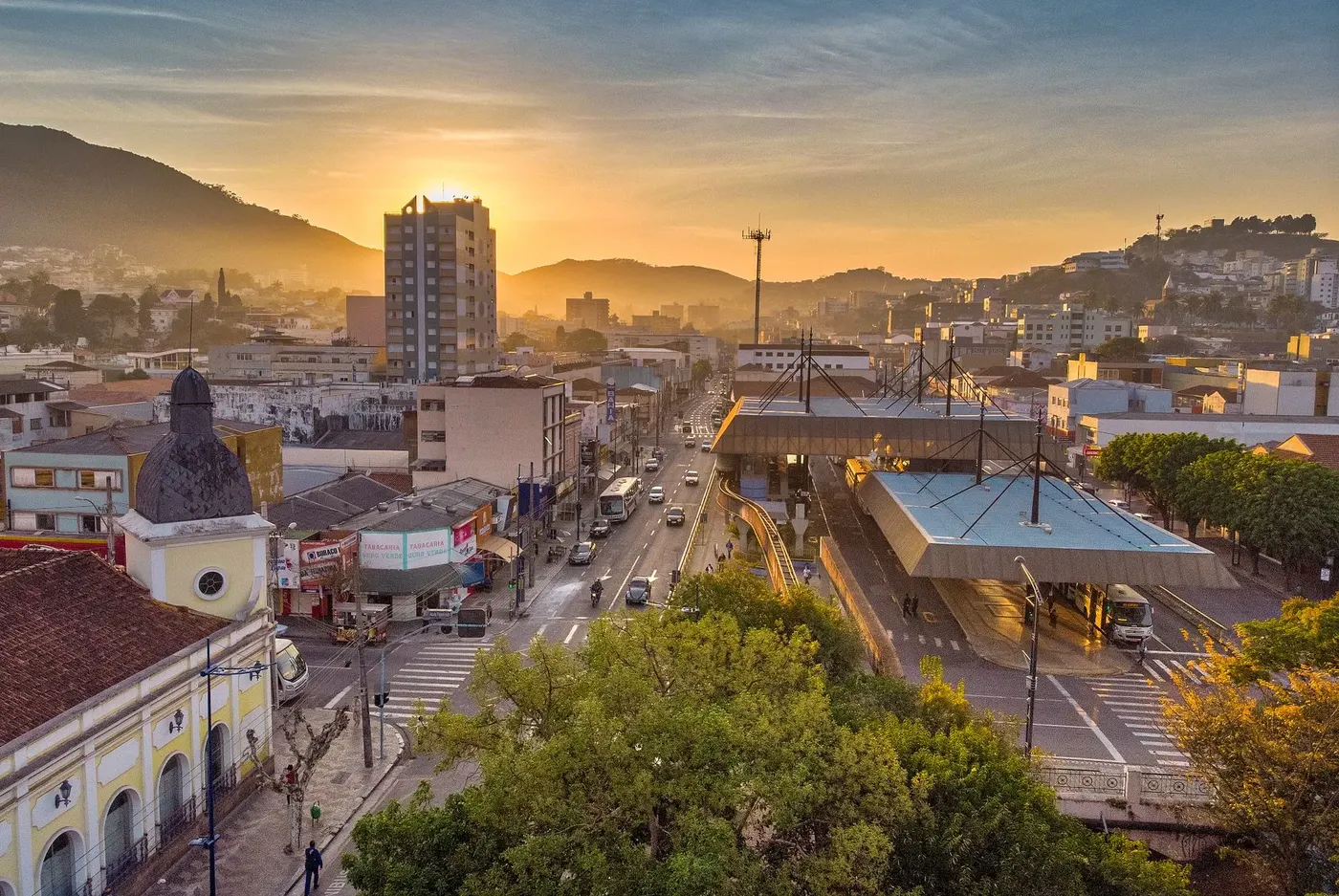
Photo by Victor Imesi on Pexels
🇧🇷 Brazil · Minas Gerais
♨ Temperature
47°C
⛰ Altitude
1186 m
⚗ pH
8.7
💧 TDS
560 mg/L
🌊 Flow rate
65 L/s
📅 Established
1872
✓ Verified on 2026-07-22
Poços de Caldas is Brazil's most important thermal city, built entirely within an ancient volcanic caldera in the highlands of Minas Gerais. The city of 160,000 people grew entirely around its thermal springs, which were formally developed in 1872 by the Brazilian Imperial government. The radioactive bicarbonate springs, naturally charged with radon at low therapeutic doses, are unique in South America for their geological origin in alkaline intrusive rocks — a type of volcanic formation that produces exceptionally pure, lightly mineralised water with distinctive radium content. The city's thermal infrastructure — the grande hotel, the Fonte do Mergulhão drinking fountain, the Cristo Redentor cable car — forms a complete early 20th-century spa resort ensemble unique in South America.
| Bicarbonate | 290 mg/L |
| Radon | 0.0015 mg/L |
| Sodium | 105 mg/L |
| Fluoride | 2.9 mg/L |
| Silica | 42 mg/L |
Poços de Caldas was formally established as a resort town in 1872 under decree by Brazilian Emperor Dom Pedro II, who recognised the spring's medical value and ordered infrastructure development. The resort's golden age came in the 1920s–1940s when the grande hotel and public thermal parks were built in the Beaux-Arts style, becoming the summer capital of São Paulo's elite. The physicist Enrico Fermi conducted research on the city's radioactive spring water in 1950, contributing to international scientific interest in low-dose radon therapy.
Poços de Caldas has a unique role in Brazilian cultural memory as the country's most complete 'cidade de águas' (water city) — a model inherited from European spa urbanism but adapted to Brazilian modernism. The tradition of the 'temporada' — the therapeutic season spent at Poços de Caldas drinking mineral water at the public fountain — was a fixture of 20th-century middle-class Brazilian life and is still practiced today. The city's unusually complete thermal urban infrastructure makes it a living museum of Brazilian modernist spa culture.
The Poços de Caldas caldera is a unique geological formation that naturally limits urban expansion, protecting spring recharge areas. The city's master plan designates spring protection zones within which no industrial activity is permitted. The Empresa Municipal de Água (EMSAMPA) conducts monthly analysis of all 14 municipal spring sources, monitoring radioactivity levels, mineral composition, and flow rates. The São Carlos Federal University maintains a permanent research station here studying the health implications of low-dose radon exposure.
Phone+55 35-3714-3700
Websitewww.pocosdecaldas.mg.gov.br
AddressPoços de Caldas, Minas Gerais, Brazil