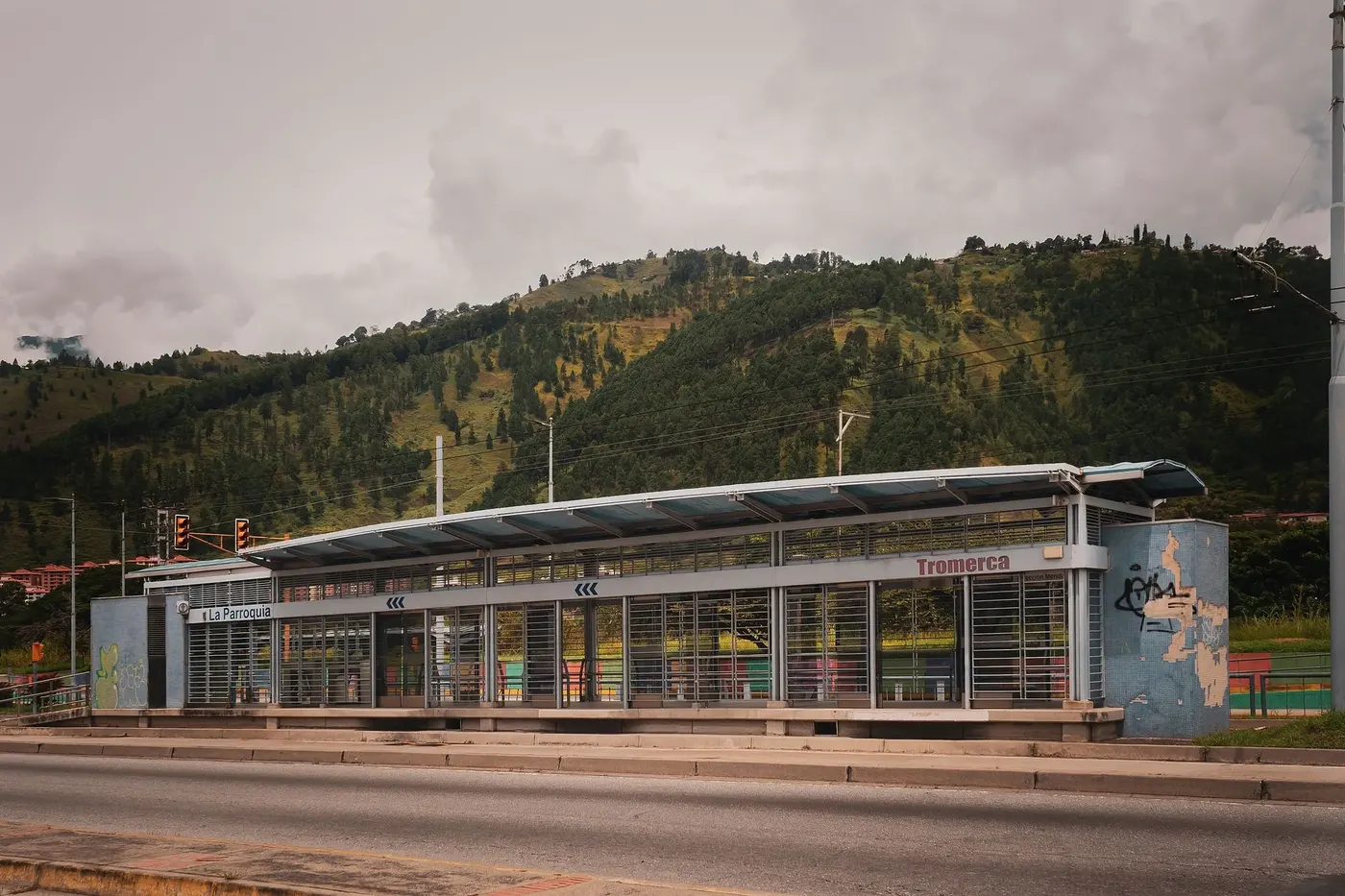
Manantiales / Aguas Calientes de MéridaSprings / Aguas Calientes de Mérida温泉・鉱泉 / Aguas Calientes de Mérida
📅 Establecido
Known to Timoto-Cuica indigenous people; documented by Spanish missionaries 17th century
📅 Established
Known to Timoto-Cuica indigenous people; documented by Spanish missionaries 17th century
📅 開設
Known to Timoto-Cuica indigenous people; documented by Spanish missionaries 17th century
ThermalAlpineAndeanNatural
✓ Verificado el 2026-07-22
✓ Verified on 2026-07-22
✓ 確認日 2026-07-22
Los manantiales termales de las Aguas Calientes del Estado Mérida emergen del corazón de los Andes venezolanos a unos 1.680 metros de altitud — un paisaje de extraordinaria complejidad ecológica y geológica. Los manantiales surgen de fracturas en el basamento precámbrico y paleozoico de los Andes de Mérida, calentados por energía cortical residual y emergiendo a unos 48–55 °C. El contraste entre el agua cálida y el frío aire de las highlands crea una experiencia de baño climáticamente única entre los destinos termales venezolanos. La región fue hogar del pueblo Timoto-Cuica — los habitantes indígenas de los Andes venezolanos — cuyas tradiciones agrícolas y espirituales figuran entre las más sofisticadas del Venezuela precolombino.
The Aguas Calientes thermal springs of Mérida State emerge from the heart of the Venezuelan Andes at approximately 1,680 metres altitude — a landscape of extraordinary ecological and geological complexity, where the high tropical Andes meet the lowland llanos in one of the most dramatic altitudinal gradients in South America. The springs rise from fractures in the ancient Precambrian and Palaeozoic basement of the Mérida Andes, heated by residual crustal energy and emerging at approximately 48–55°C into an environment where ambient temperatures can drop to near-freezing at night on the high páramo above. The contrast between the warm water and the cold highland air creates a bathing experience that is climatically unique among Venezuelan thermal destinations. The region was home to the Timoto-Cuica people — the indigenous inhabitants of the Venezuelan Andes — whose agricultural and spiritual traditions were among the most sophisticated of pre-Columbian Venezuela. Spanish missionaries and colonial administrators documented the thermal springs in the 17th century as resources of the highland communities. Mérida City, the capital of the state and a major university city, is the highest city in Venezuela (at approximately 1,630 metres) and the base for visits to the Andes, including the Pico Bolívar — at 4,978 metres, Venezuela's highest peak — formerly accessible by the world's highest cable car system, the Teleférico de Mérida.
Aguas Calientes de Méridaはベネズエラ・Mérida State, Venezuelan Andesに位置する温熱泉。源泉温度は52℃、標高1680mの地に湧出する。泉水は中性に近い(pH約7.2)の泉質、重炭酸ナトリウム泉・カルシウム泉を豊富に含む、総溶解固形物680 mg/Lが特徴だ。数世紀にわたる歴史を持つ。リラクゼーション・高地ウェルネス・リウマチ療法など多様な温浴療法が行われる。施設では温泉入浴・交代浴・アンデスの自然体験などが体験できる。
Minerales
Minerals
ミネラル
| Sodium Bicarbonate | 245 mg/L |
| Calcium | 88 mg/L |
| Magnesium | 42 mg/L |
| Silica | 28 mg/L |
| Sulphate | 65 mg/L |
| Chloride | 52 mg/L |
Tratamientos
Treatments
トリートメント
RelaxationAltitude WellnessRheumatologySkin
Técnicas
Techniques
技法
Thermal bathingCold-hot contrast bathingAndean nature immersion
Patrimonio
El estado Mérida es el corazón cultural e intelectual de Venezuela: la Universidad de Los Andes, fundada en 1785, es una de las universidades más antiguas y respetadas de Sudamérica, y la ciudad de Mérida ha sido durante mucho tiempo un centro de la vida cultural y política venezolana. Los Andes circundantes —Sierra Nevada de Mérida, Sierra La Culata— son parques nacionales que protegen el ecosistema de páramo, uno de los entornos alpinos más biodiversos de la Tierra, hogar de los frailejones (Espeletia), la flora emblemática de los Andes altos venezolanos, que no se encuentra en ningún otro lugar del mundo a esta escala.
Heritage
Mérida State is Venezuela's cultural and intellectual heartland: the Universidad de Los Andes, founded in 1785, is one of the oldest and most respected universities in South America, and Mérida city has long been a centre of Venezuelan cultural and political life. The surrounding Andes — Sierra Nevada de Mérida, Sierra La Culata — are national parks protecting páramo ecosystem that is among the most biodiverse alpine environments on Earth, home to the frailejón (Espeletia) plants that are the emblematic flora of the Venezuelan high Andes, found nowhere else in the world at this scale.
文化財
メリダ州はベネズエラの文化的・知的中心地である。1785年に設立されたロス・アンデス大学は南米で最も歴史があり尊敬される大学のひとつであり、メリダ市は長らくベネズエラの文化・政治生活の中心地であり続けてきた。周囲のアンデス山脈——シエラ・ネバダ・デ・メリダ、シエラ・ラ・クラータ——は国立公園に指定されており、地球上で最も生物多様性に富む高山生態系のひとつであるパラモ生態系を保護している。そこにはベネズエラ高アンデスの象徴的な植物であるフライレホン(エスペレティア属)が生育しており、これほどの規模で見られる場所は世界のどこにもない。
Cultura
La cultura de bienestar andina de Mérida combina la tradición termal indígena timoto-cuica con la cultura de spa colombo-andina que caracteriza a las tierras altas venezolanas: una cultura que valora la altitud, el aire frío, las ruanas de lana y el contraste entre el frío de la montaña y el agua caliente. El paisaje de páramo que se extiende sobre los manantiales termales —un páramo alto de plantas en roseta gigante, venados y cóndores frente a picos nevados— confiere a las Aguas Calientes de Mérida una grandiosidad andina que las distingue de los sitios termales costeros y de tierras bajas de Venezuela.
Culture
The Andean wellness culture of Mérida blends the indigenous Timoto-Cuica thermal tradition with the Colombian-Andean spa culture that characterises the Venezuelan highlands — a culture that values altitude, cold air, wool ruana cloaks, and the contrast between mountain chill and warm water. The páramo landscape above the thermal springs — a high moorland of giant rosette plants, deer, and condors against snow-capped peaks — gives the Aguas Calientes de Mérida an Andean grandeur that sets it apart from Venezuela's coastal and lowland thermal sites.
文化
メリダのアンデス的ウェルネス文化は、先住民ティモト・クイカ族の温泉伝統と、ベネズエラ高地を特徴づけるコロンビア・アンデス的なスパ文化を融合させている——標高、冷たい空気、ウールのルアナ(貫頭衣)、そして山の冷気と温水の対比を重んじる文化である。温泉の上に広がるパラモの景観——雪をいただく峰々を背景に、巨大なロゼット植物、鹿、コンドルが織りなす高地の荒野——は、アグアス・カリエンテス・デ・メリダに、ベネズエラの沿岸部や低地の温泉地とは一線を画すアンデスならではの壮大さを与えている。
Sostenibilidad
Los parques nacionales Sierra Nevada y Sierra La Culata protegen la cuenca de páramo que recarga el acuífero que alimenta los manantiales termales de Mérida. El ecosistema de páramo venezolano es uno de los más amenazados de los Andes a causa del cambio climático: la franja altitudinal del páramo se desplaza hacia arriba a medida que aumentan las temperaturas, reduciendo la extensión de este ecosistema único. Los manantiales termales, alimentados por aguas subterráneas profundas, han mantenido una temperatura y un caudal estables durante todo el tiempo que existen registros, pero la salud a largo plazo de la zona de recarga depende de la conservación del páramo.
Sustainability
The Sierra Nevada and Sierra La Culata national parks protect the páramo watershed that recharges the aquifer feeding Mérida's thermal springs. Venezuela's páramo ecosystem is one of the most threatened in the Andes due to climate change — the páramo altitude zone is moving upward as temperatures rise, reducing the extent of this unique ecosystem. The thermal springs, fed by deep groundwater, have maintained stable temperature and output as long as records exist, but the long-term health of the recharge zone depends on páramo conservation.
持続可能性
シエラ・ネバダとシエラ・ラ・クラータの両国立公園は、メリダの温泉に水を供給する帯水層を涵養するパラモの流域を保護している。ベネズエラのパラモ生態系は、気候変動の影響でアンデス山脈の中でも最も脅かされている生態系のひとつである——気温の上昇に伴いパラモの標高帯が上方へ移動しており、この独特な生態系の広がりを縮小させている。深部地下水によって涵養される温泉は、記録が存在する限り安定した温度と湧出量を維持してきたが、涵養域の長期的な健全性はパラモの保全にかかっている。
Otros manantiales en Venezuela
Other springs in Venezuela