Manantiales / Caldas de MonchiqueSprings / Caldas de Monchique温泉・鉱泉 / Caldas de Monchique
📅 Establecido
Ancient Roman period
📅 Established
Ancient Roman period
BicarbonatedFluoridatedOligomineral
✓ Verificado el 2026-07-22
✓ Verified on 2026-07-22
✓ 確認日 2026-07-22
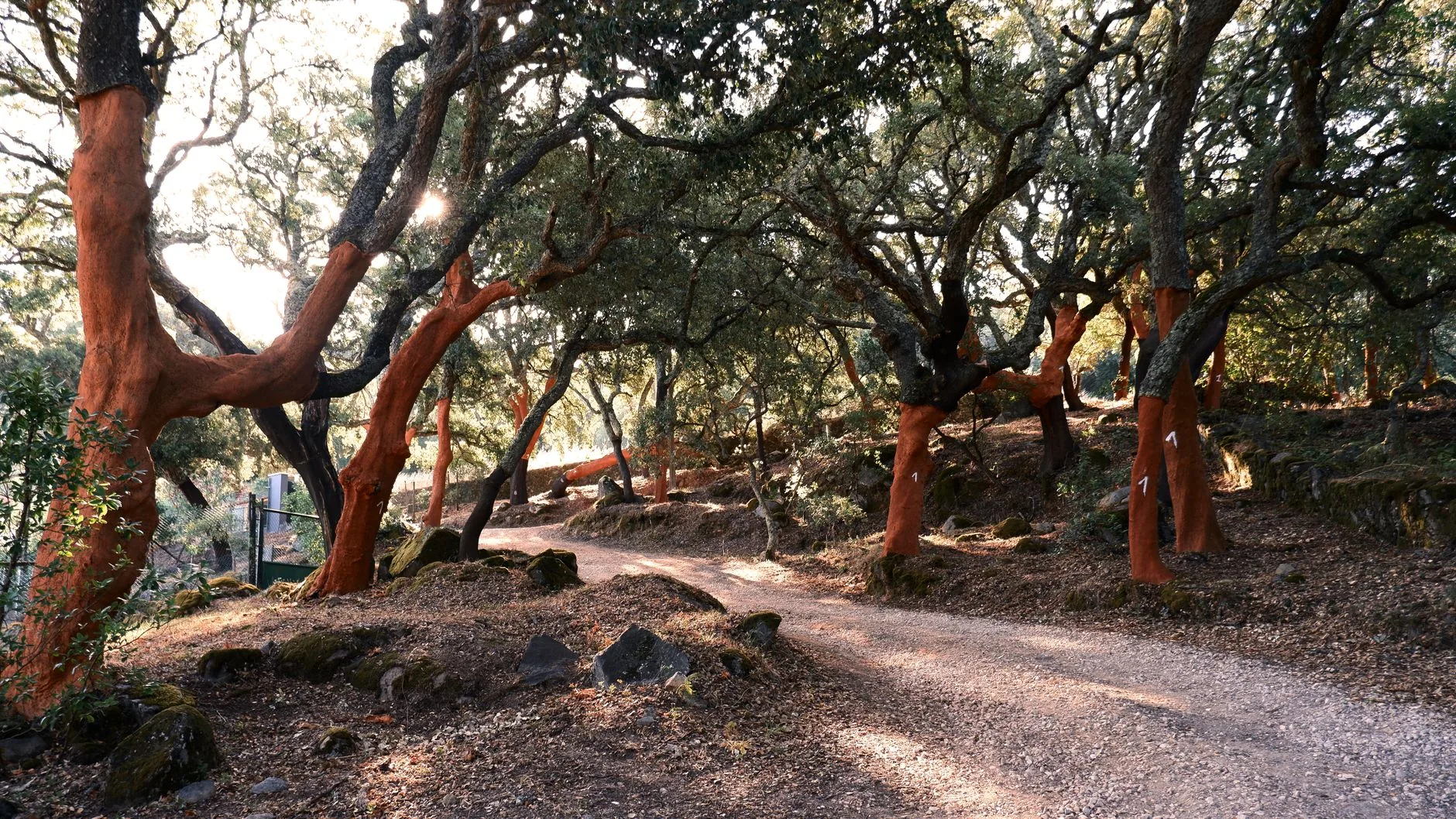
Las Caldas de Monchique constituyen uno de los enclaves termales más singulares de Europa: su manantial, de pH 9,5, es uno de los más alcalinos del continente y fue explotado por los romanos en el siglo I d. C. El agua se embotella como agua mineral bajo la marca Monchique, distribuida internacionalmente. El pueblo termal —construido en un valle boscoso de la Serra de Monchique— conserva una arquitectura neoclásica del siglo XIX casi sin alterar, con fuentes, pabellones y hoteles de época que han permanecido prácticamente inmutables durante 200 años. La Sierra alberga uno de los bosques de alcornoque más importantes del sur de Portugal.
Nestled in the forested Serra de Monchique mountains above the Algarve coast, Caldas de Monchique is one of Portugal's oldest and most distinctive thermal resorts. Its spring — one of the most alkaline natural mineral waters in the world at pH 9.5 — was first exploited by the Romans in the 1st century AD and has been in continuous use ever since. The water is used both for bathing and as a renowned table mineral water, exported internationally under the Monchique brand. The village itself, built around the spring in a lush wooded valley, is an atmospheric ensemble of neoclassical thermal architecture preserved virtually unchanged from the 19th century.
Caldas de Monchiqueはポルトガル・Algarveに位置する重炭酸泉・フッ素泉。源泉温度は32℃の豊かな温泉水が湧き出る。泉水はアルカリ性(pH約9.5)の泉質、炭酸水素塩泉・ナトリウム泉を豊富に含む、総溶解固形物390 mg/Lが特徴だ。ローマ時代から続く歴史的温泉地。消化器療法・リウマチ療法・皮膚科治療など多様な温浴療法が行われる。施設では入浴・飲泉療法・水治療法などが体験できる。
Minerales
Minerals
ミネラル
| Bicarbonate | 180 mg/L |
| Fluoride | 3.2 mg/L |
| Sodium | 95 mg/L |
| Silica | 30 mg/L |
| Lithium | 1.8 mg/L |
Tratamientos
Treatments
トリートメント
DigestiveRheumatologyDermatologyLiverRelaxation
Técnicas
Techniques
技法
BathingDrinking CureHydrotherapyInhalation
Patrimonio
Caldas de Monchique fue una importante estación termal romana en el camino entre Portus Hannibalis (Portimão) y el interior, con vestigios de infraestructura termal romana aún visibles en el valle. El rey Juan II de Portugal murió en Monchique en 1495 mientras tomaba las aguas para tratar su enfermedad renal, lo que consolidó la reputación terapéutica real del manantial. El pueblo termal del siglo XIX se conserva íntegramente como conjunto de patrimonio arquitectónico nacional.
Heritage
Caldas de Monchique was a significant Roman thermal station on the road between Portus Hannibalis (Portimão) and the interior, with evidence of Roman bath infrastructure still visible in the valley. King João II of Portugal died at Monchique in 1495 while taking the waters for his kidney disease, cementing the spring's royal therapeutic reputation. The 19th-century thermal village is entirely preserved as a national architectural heritage ensemble.
文化財
カルダス・デ・モンシケは、ポルトゥス・ハンニバリス(現ポルティマオ)と内陸部を結ぶ街道沿いの重要なローマ時代の温泉駅であり、谷にはローマ時代の浴場遺構の痕跡が今も見られる。ポルトガル王ジョアン2世は1495年、腎臓病の治療のためこの湯を用いていた最中にモンシケで没しており、これがこの泉の王室由来の療養地としての評判を確固たるものにした。19世紀の温泉村はそのまま国の建築遺産群として完全に保存されている。
Cultura
El manantial ha moldeado la identidad cultural de las tierras altas del Algarve durante dos milenios. La tradición local sostiene que sus aguas pueden tratar casi todas las dolencias, y la ceremonia anual de apertura del manantial, cada mes de abril, convoca a las comunidades locales en un ritual que combina la medicina popular con la celebración comunitaria. El agua embotellada de Monchique es motivo de orgullo regional y una seña de identidad económica para las comunidades de la sierra.
Culture
The spring has shaped the cultural identity of the Algarve highlands for two millennia. Local tradition holds that the waters can treat nearly all ailments, and the annual spring opening ceremony each April draws local communities in a ritual that blends folk medicine with communal celebration. The bottled Monchique water is a source of regional pride and economic identity for the mountain communities.
文化
この泉は二千年にわたりアルガルヴェ高地の文化的アイデンティティを形づくってきた。地元の伝承では、この水はほぼあらゆる病を治すことができるとされており、毎年4月に行われる源泉の開泉式には地域の人々が集い、民間療法と共同体の祝祭が融合した儀式が催される。ボトル入りのモンシケ水は、山間の共同体にとって地域の誇りであり、経済的アイデンティティの源でもある。
Sostenibilidad
La Serra de Monchique está clasificada como sitio de la Red Natura 2000, y la zona de captación del manantial está estrictamente protegida frente a la presión agrícola y urbanística. El pueblo termal ha sido designado área de conservación desde 1985. Las operaciones de embotellado de agua están reguladas para preservar el caudal del manantial, y los proyectos locales de reforestación protegen el acuífero granítico que alimenta el manantial.
Sustainability
The Serra de Monchique is a classified natura 2000 site, and the spring catchment zone is strictly protected from agricultural and development pressure. The thermal village has been designated a conservation area since 1985. Water bottling operations are regulated to preserve spring flow rates, and local reforestation projects protect the granite aquifer that feeds the spring.
持続可能性
モンシケ山地はナチュラ2000の保護区域に分類されており、泉の集水域は農業や開発の圧力から厳格に保護されている。この温泉村は1985年以来、保全地区に指定されている。水のボトリング事業は泉の湧出量を維持するために規制されており、地元の再植林事業は泉の水源となる花崗岩帯水層を保護している。
Otros manantiales en Portugal
Other springs in Portugal