Manantiales / Naruko OnsenSprings / Naruko Onsen温泉・鉱泉 / Naruko Onsen
📅 Establecido
over 1,000 years ago
📅 Established
over 1,000 years ago
Sulphurous
✓ Verificado el 2026-07-28
✓ Verified on 2026-07-28
✓ 確認日 2026-07-28
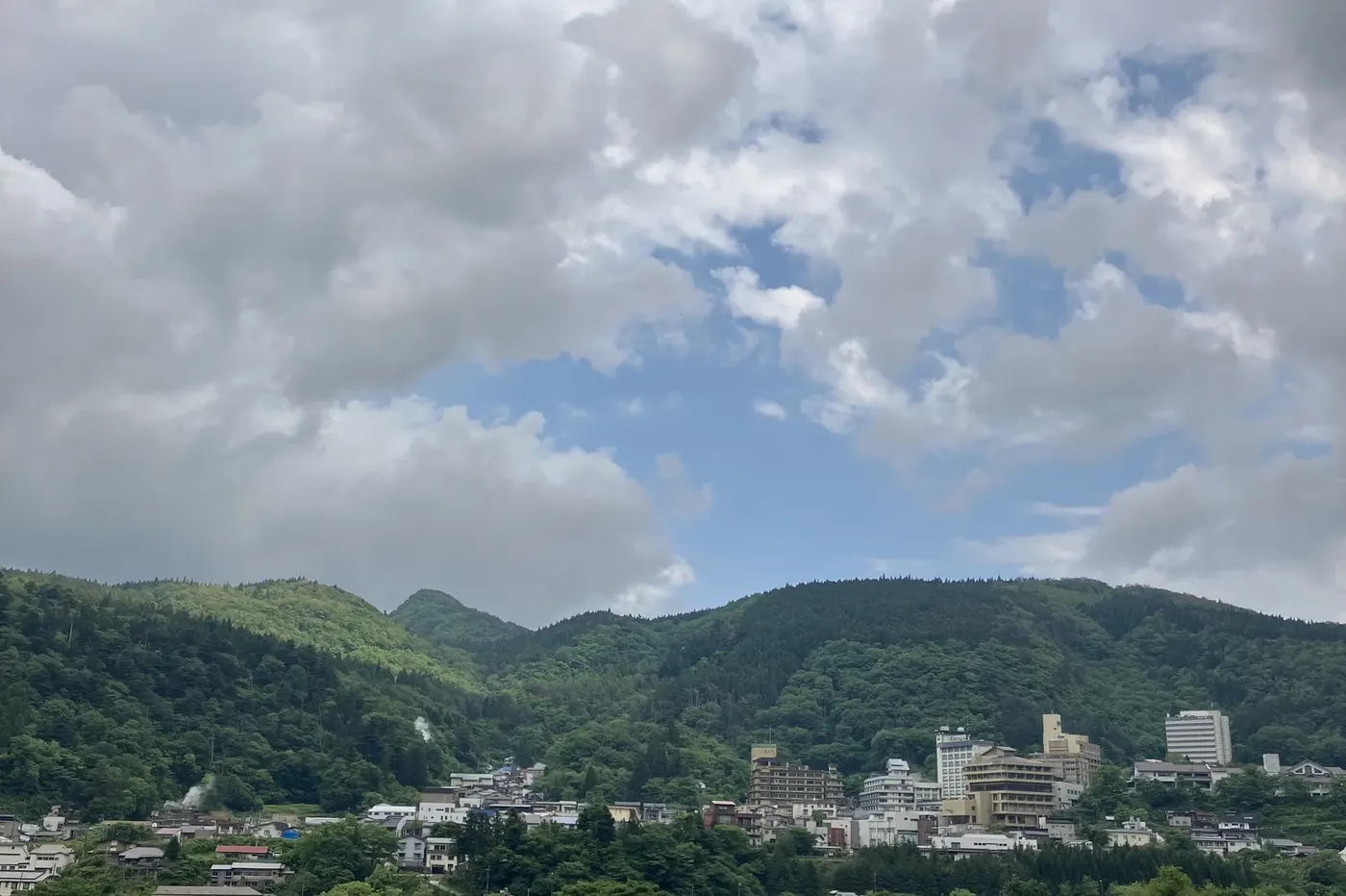
Naruko Onsen es la mayor de las cinco comunidades termales que conforman Naruko Onsenkyo (junto con Higashi-Naruko, Kawatabi, Nakayamadaira y Onikobe) en Osaki, prefectura de Miyagi, dentro del Parque Cuasi Nacional de Kurikoma. Cuenta con más de 1.000 años de historia registrada y fue uno de los 'tres onsen de Oshu', junto con Akiu e Iizaka. Cerca de 400 fuentes individuales alimentan la localidad, y según diversas fuentes, aquí se dan ocho de los diez tipos de agua termal oficialmente reconocidos en Japón, incluidas aguas alcalinas y sulfurosas. Una fuente destacada, Taki-no-Yu, tiene su propia historia de mil años y produce un agua ligeramente ácida y de color blanco lechoso. El poeta Matsuo Basho pasó por la zona, episodio recogido en su diario de viaje Oku no Hosomichi.
Naruko Onsen is the largest of five hot spring communities that make up Naruko Onsenkyo (with Higashi-Naruko, Kawatabi, Nakayamadaira, and Onikobe) in Osaki, Miyagi Prefecture, inside Kurikoma Quasi-National Park. It has more than 1,000 years of recorded history and was one of the 'three hot springs of Oshu' along with Akiu and Iizaka Onsen. Roughly 400 individual springs feed the town, and sources state that eight of Japan's ten officially recognized hot-spring water types occur here, including alkaline and sulfur waters. One notable spring, Taki-no-Yu, has its own thousand-year history and produces a slightly acidic, milky-white water. The poet Matsuo Basho passed through the area, an episode recorded in his travel journal Oku no Hosomichi.
鳴子温泉は、宮城県大崎市の栗駒国定公園内にある鳴子温泉郷(東鳴子、川渡、中山平、鬼首とともに構成)の中で最大の温泉地である。千年を超える歴史を持ち、秋保温泉、飯坂温泉とともに「奥州三名湯」の一つとされてきた。約400の源泉が湯を供給しており、日本で公式に認定される10種類の泉質のうち8種類がこの地でそろうとされ、アルカリ性の湯や硫黄泉などが含まれる。中でも滝の湯は千年の歴史を持つ源泉で、やや酸性の白濁した湯を産出する。俳人・松尾芭蕉もこの地を訪れており、その旅の記録は紀行文『おくのほそ道』に残されている。
Técnicas
Techniques
技法
Bathing (Onsen)
Patrimonio
Naruko Onsen tiene una historia documentada de más de mil años y tradicionalmente se agrupaba junto a Akiu e Iizaka como uno de los 'tres onsen de Oshu' en la región histórica de Tohoku. El poeta haiku del siglo XVII Matsuo Basho pasó por la zona durante el viaje registrado en su diario Oku no Hosomichi.
Heritage
Naruko Onsen has documented use stretching back over a millennium and was traditionally grouped with Akiu and Iizaka as one of the 'three hot springs of Oshu' in the historic Tohoku region. The 17th-century haiku poet Matsuo Basho passed through the area during the journey recorded in his travel diary Oku no Hosomichi.
文化財
鳴子温泉は千年を超える利用の記録があり、歴史的な奥州地方において秋保温泉・飯坂温泉とともに「奥州三名湯」の一つに数えられてきた。17世紀の俳人・松尾芭蕉もこの地を訪れ、その旅の様子は紀行文『おくのほそ道』に記されている。
Cultura
La localidad es también el centro japonés de las muñecas de madera kokeshi, sede del Museo Kokeshi de Japón y de unos 80 artesanos kokeshi a tiempo completo, una tradición históricamente ligada al comercio de los balnearios termales.
Culture
The town is also Japan's center for kokeshi wooden dolls, home to the Japan Kokeshi Museum and around 80 full-time kokeshi craftsmen, a tradition historically tied to the hot spring resort trade.
文化
鳴子は日本におけるこけし文化の中心地でもあり、日本こけし館や約80人の専業こけし職人を擁する。この伝統は歴史的に温泉地の土産物文化と深く結びついている。
Otros manantiales en Japan