Photo by FutureKiwi, via Wikimedia Commons (CC BY-SA 4.0)
🇳🇿 New Zealand · Hanmer Springs, Canterbury, South Island
Photo by FutureKiwi, via Wikimedia Commons (CC BY-SA 4.0)
🇳🇿 New Zealand · Hanmer Springs, Canterbury, South Island
♨ Temperatura
52°C
⛰ Altitud
338 m
⚗ pH
—
💧 TDS
—
🌊 Caudal
—
📅 Establecido
1883
✓ Verificado el 2026-07-28
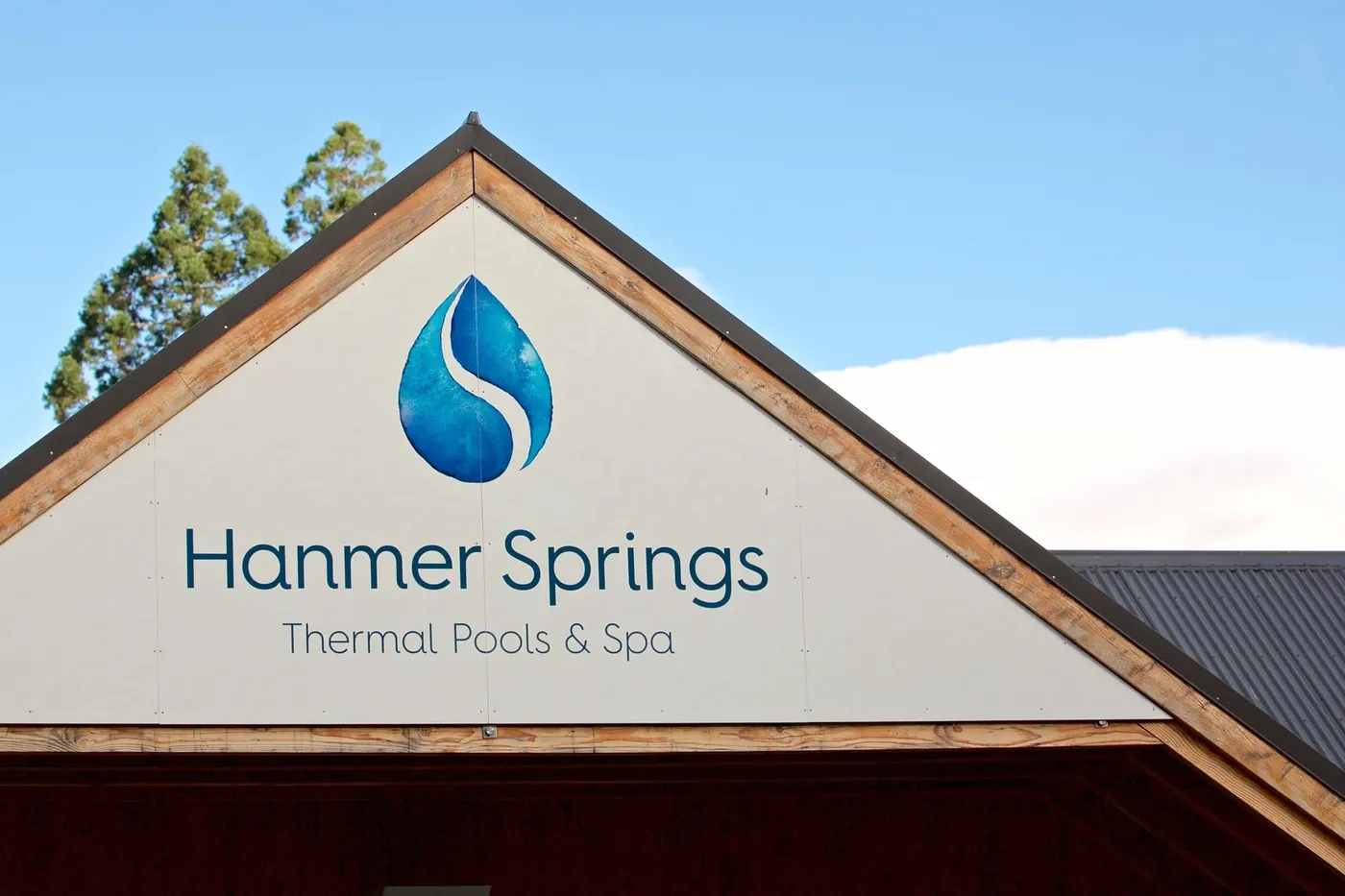
Hanmer Springs Thermal Pools & Spa se encuentra a 338 m de altitud en un pequeño pueblo alpino de Canterbury, documentado por primera vez por europeos en abril de 1859. El agua calentada asciende a presión a través de fallas y fracturas del sistema de la falla Hope y actualmente se extrae de un pozo de unos 70 m de profundidad, con una temperatura de salida de unos 52°C, que luego se enfría mediante intercambiadores de calor a 32–42°C para las 22 piscinas. El agua presenta concentraciones elevadas de cloro, boro, sodio, potasio, litio, estroncio y bario en comparación con otras fuentes termales de la región, y el metano disuelto del campo geotérmico se aprovecha ahora para generar electricidad.
Las aguas termales, conocidas en la tradición māori como 'Te Whakatakanga o te ngārahu o te ahi a Tamatea' ('donde quedaron las cenizas del fuego de Tamatea'), hacen referencia al legendario viaje de un ancestro. La documentación europea data de abril de 1859, y el desarrollo de la casa de baños comenzó en 1883–1884. Las piscinas hexagonales y de agua dulce se construyeron en 1978, seguidas de piscinas de roca (1992) y piscinas de azufre (1999), ampliando el complejo a 22 piscinas y cuatro toboganes acuáticos.
Teléfono+64 3 315 0000
Sitio webwww.hanmersprings.co.nz/
Dirección42 Amuri Avenue, Hanmer Springs 7334, New Zealand