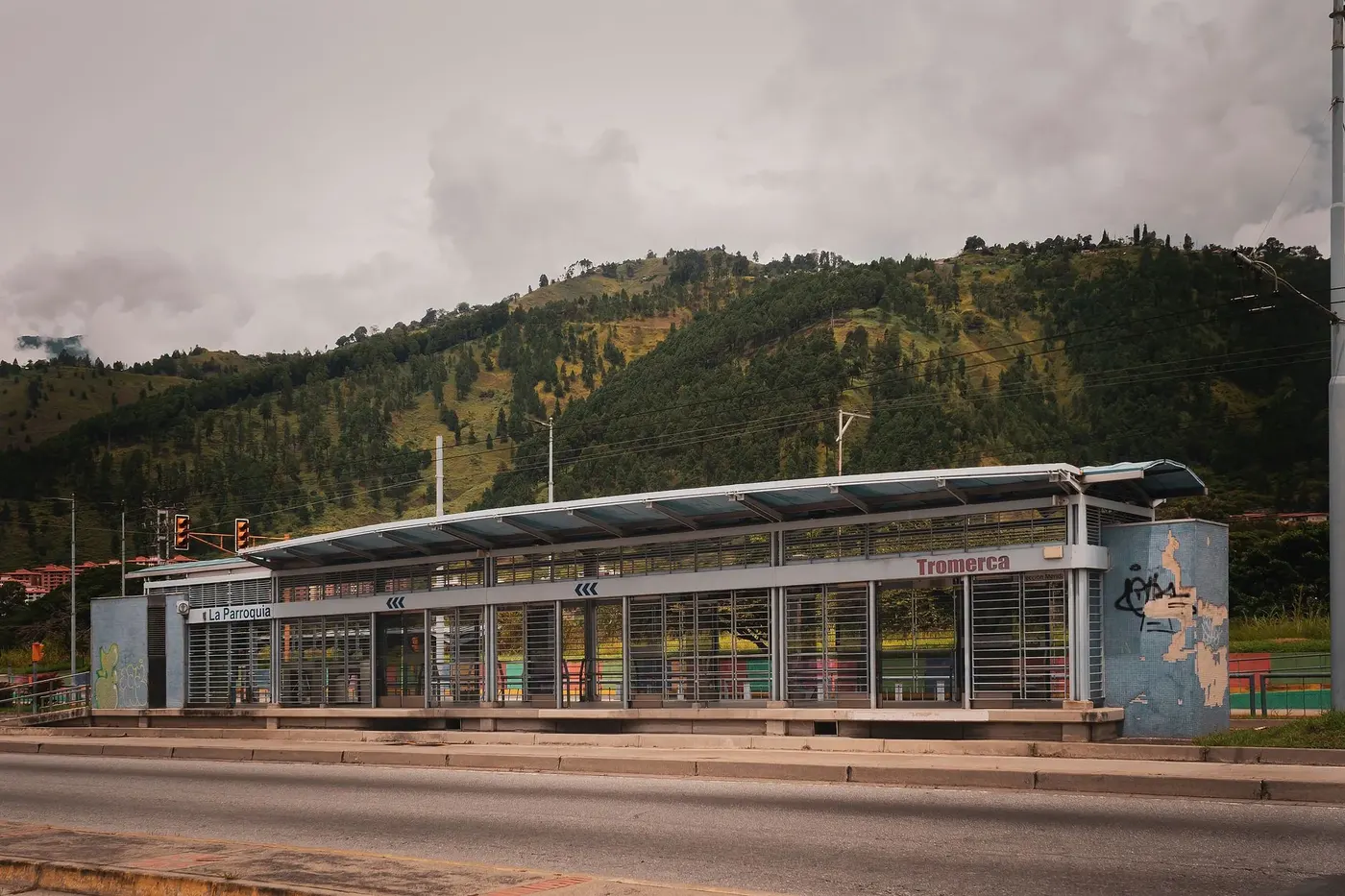
Photo by Arturo Añez on Pexels
🇻🇪 Venezuela · Mérida State, Venezuelan Andes
Photo by Arturo Añez on Pexels
🇻🇪 Venezuela · Mérida State, Venezuelan Andes
♨ Temperature
52°C
⛰ Altitude
1680 m
⚗ pH
7.2
💧 TDS
680 mg/L
🌊 Flow rate
—
📅 Established
Known to Timoto-Cuica indigenous people; documented by Spanish missionaries 17th century
✓ Verified on 2026-07-22
The Aguas Calientes thermal springs of Mérida State emerge from the heart of the Venezuelan Andes at approximately 1,680 metres altitude — a landscape of extraordinary ecological and geological complexity, where the high tropical Andes meet the lowland llanos in one of the most dramatic altitudinal gradients in South America. The springs rise from fractures in the ancient Precambrian and Palaeozoic basement of the Mérida Andes, heated by residual crustal energy and emerging at approximately 48–55°C into an environment where ambient temperatures can drop to near-freezing at night on the high páramo above. The contrast between the warm water and the cold highland air creates a bathing experience that is climatically unique among Venezuelan thermal destinations. The region was home to the Timoto-Cuica people — the indigenous inhabitants of the Venezuelan Andes — whose agricultural and spiritual traditions were among the most sophisticated of pre-Columbian Venezuela. Spanish missionaries and colonial administrators documented the thermal springs in the 17th century as resources of the highland communities. Mérida City, the capital of the state and a major university city, is the highest city in Venezuela (at approximately 1,630 metres) and the base for visits to the Andes, including the Pico Bolívar — at 4,978 metres, Venezuela's highest peak — formerly accessible by the world's highest cable car system, the Teleférico de Mérida.
| Sodium Bicarbonate | 245 mg/L |
| Calcium | 88 mg/L |
| Magnesium | 42 mg/L |
| Silica | 28 mg/L |
| Sulphate | 65 mg/L |
| Chloride | 52 mg/L |
Mérida State is Venezuela's cultural and intellectual heartland: the Universidad de Los Andes, founded in 1785, is one of the oldest and most respected universities in South America, and Mérida city has long been a centre of Venezuelan cultural and political life. The surrounding Andes — Sierra Nevada de Mérida, Sierra La Culata — are national parks protecting páramo ecosystem that is among the most biodiverse alpine environments on Earth, home to the frailejón (Espeletia) plants that are the emblematic flora of the Venezuelan high Andes, found nowhere else in the world at this scale.
The Andean wellness culture of Mérida blends the indigenous Timoto-Cuica thermal tradition with the Colombian-Andean spa culture that characterises the Venezuelan highlands — a culture that values altitude, cold air, wool ruana cloaks, and the contrast between mountain chill and warm water. The páramo landscape above the thermal springs — a high moorland of giant rosette plants, deer, and condors against snow-capped peaks — gives the Aguas Calientes de Mérida an Andean grandeur that sets it apart from Venezuela's coastal and lowland thermal sites.
The Sierra Nevada and Sierra La Culata national parks protect the páramo watershed that recharges the aquifer feeding Mérida's thermal springs. Venezuela's páramo ecosystem is one of the most threatened in the Andes due to climate change — the páramo altitude zone is moving upward as temperatures rise, reducing the extent of this unique ecosystem. The thermal springs, fed by deep groundwater, have maintained stable temperature and output as long as records exist, but the long-term health of the recharge zone depends on páramo conservation.
Websitewww.mintur.gob.ve
AddressMérida State, Venezuelan Andes, Venezuela