Photo by Santos Ramon Guerra F. on Pexels
🇻🇪 Venezuela · Carabobo State
Photo by Santos Ramon Guerra F. on Pexels
🇻🇪 Venezuela · Carabobo State
♨ Temperature
84°C
⛰ Altitude
480 m
⚗ pH
7.5
💧 TDS
1240 mg/L
🌊 Flow rate
30 L/s
📅 Established
Used by indigenous peoples pre-colonial; balneario developed 19th century
✓ Verified on 2026-07-22
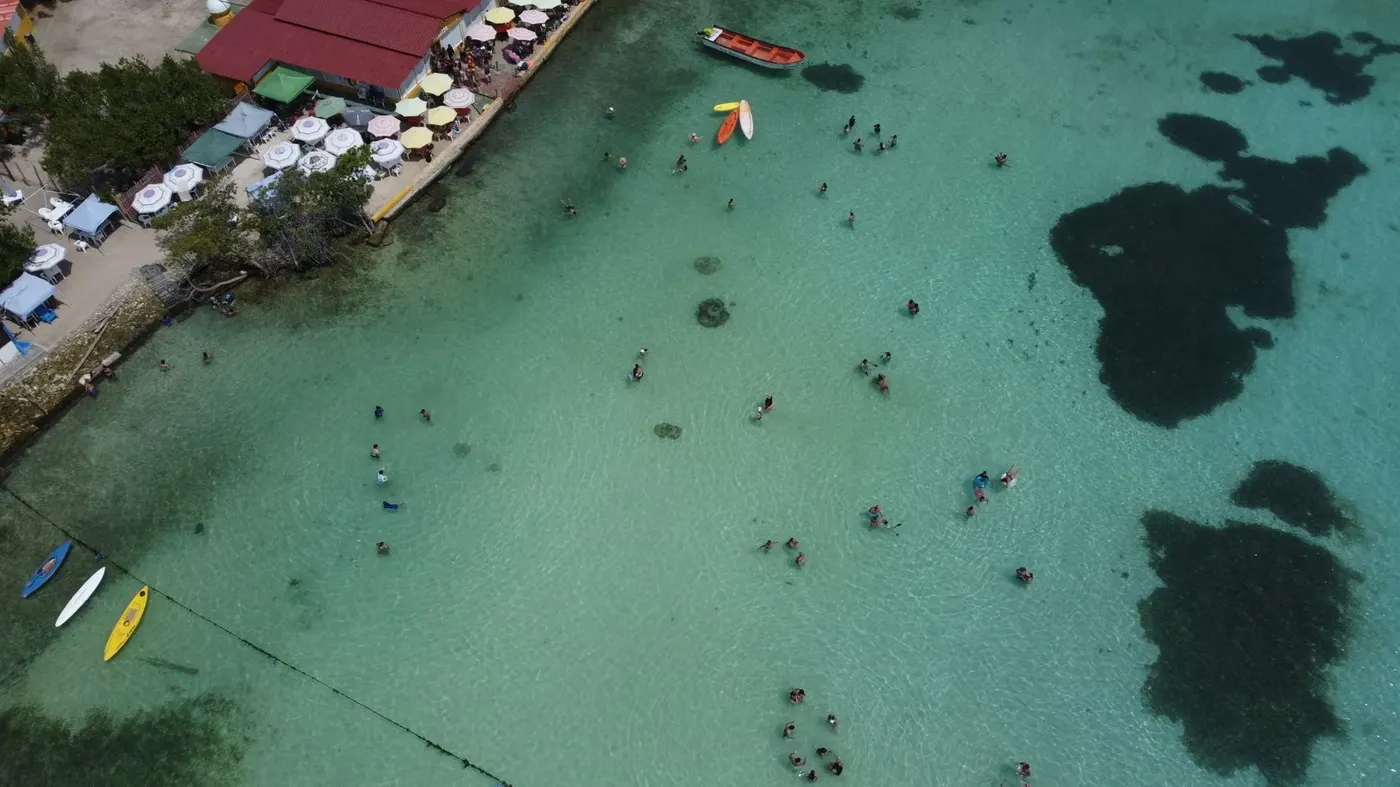
Las Trincheras is one of the most thermally intense natural spring systems in all of South America, with water emerging at approximately 84°C from a deep fracture in the volcanic basement of Carabobo State — hot enough to cook eggs, and among the hottest non-geyser springs on the continent. The springs are located on the northern slopes of the Venezuelan Coastal Range, between Valencia and Puerto Cabello, at an altitude of approximately 480 metres above sea level. The source of the heat is a deep crustal fracture that allows meteoric water to descend to significant depth before being heated by residual geothermal energy and returning to the surface. The indigenous Carib people of the Venezuelan coast knew and used the springs for ritual and therapeutic purposes long before the Spanish colonial period. During the 19th century, Venezuelan society developed the site into a formal thermal resort, and it became one of the most fashionable destinations for Valencia's and Caracas's elite. The springs are typically cooled in channels before reaching bathing pools at temperatures of 38–45°C. The mineral content is dominated by sulphate, sodium bicarbonate, and calcium, with a mild sulphurous character that Venezuelan popular wellness tradition has associated with skin and rheumatic conditions across centuries of use. The surrounding landscape of the Venezuelan Coastal Range — Caribbean dry forest and montane vegetation — provides a setting of considerable natural beauty.
| Sulphate | 385 mg/L |
| Sodium Bicarbonate | 298 mg/L |
| Calcium | 142 mg/L |
| Chloride | 95 mg/L |
| Magnesium | 48 mg/L |
| Silica | 32 mg/L |
Las Trincheras sits in the historical heartland of Venezuela: Carabobo State is named for the Battle of Carabobo (1821), the decisive engagement through which Simón Bolívar secured Venezuelan independence from Spain. The thermal springs, known to both indigenous communities and Spanish colonists for centuries, witnessed the same revolutionary period that transformed South America. The surrounding Coastal Range is part of Venezuela's northern mountain system, a biodiversity corridor connecting the Andes to the Caribbean coast.
In Venezuelan popular culture, Las Trincheras occupies a place as the country's most quintessential thermal destination — a place associated with curative tradition, weekend family excursions from Valencia and Caracas, and the specific pleasure of lowering yourself into water that was, minutes before, emerging from the earth at 84°C. The experience of the thermal gradient — from the main source, too hot to touch, to the bathing pools at therapeutic temperature — is part of the Las Trincheras experience and is unique in Venezuela.
The deep geological fracture feeding Las Trincheras has maintained consistent thermal output for as long as records exist. Venezuela's complex political and economic situation has affected infrastructure maintenance at the resort, but the geological resource itself — the deep crustal fracture and its geothermal heat — is unaffected by surface conditions and continues to produce water at the same extraordinary temperature.
Websitewww.mintur.gob.ve
AddressLas Trincheras, Carabobo, Venezuela