Arima Onsen

🇯🇵 Japan · Hyogo

Arima Onsen

Manantiales / Arima OnsenSprings / Arima Onsen温泉・鉱泉 / Arima Onsen

♨ Temperatura

99°C

⛰ Altitud

380 m

⚗ pH

6.2

💧 TDS

98000 mg/L

🌊 Caudal

55 L/s

📅 Establecido

630 AD

♨ Temperature

99°C

⛰ Altitude

380 m

⚗ pH

6.2

💧 TDS

98000 mg/L

🌊 Flow rate

55 L/s

📅 Established

630 AD

♨ 温度

99°C

⛰ 標高

380 m

⚗ pH

6.2

💧 TDS

98000 mg/L

🌊 流量

55 L/s

📅 開設

630 AD

FerruginousChlorinatedCarbonated

✓ Verificado el 2026-07-22

✓ Verified on 2026-07-22

✓ 確認日 2026-07-22

Arima Onsen es uno de los tres grandes onsen históricos de Japón —los 'Nihon Sanko'— con una historia documentada que comienza en el año 630 d. C., cuando el Emperador Jomei visitó personalmente sus manantiales. La singularidad de Arima radica en sus dos tipos de agua completamente diferentes: el Kinsen (agua dorado-rojiza, extremadamente salina con hierro disuelto) y el Ginsen (agua clara, levemente radioactiva con radio y carbonato). Esta dualidad mineral —sin equivalente en otro onsen japonés— convirtió a Arima en el destino favorito del señor feudal Toyotomi Hideyoshi, quien visitó el balneario nueve veces. El casco histórico conserva casas de comerciantes y templos del período Edo.

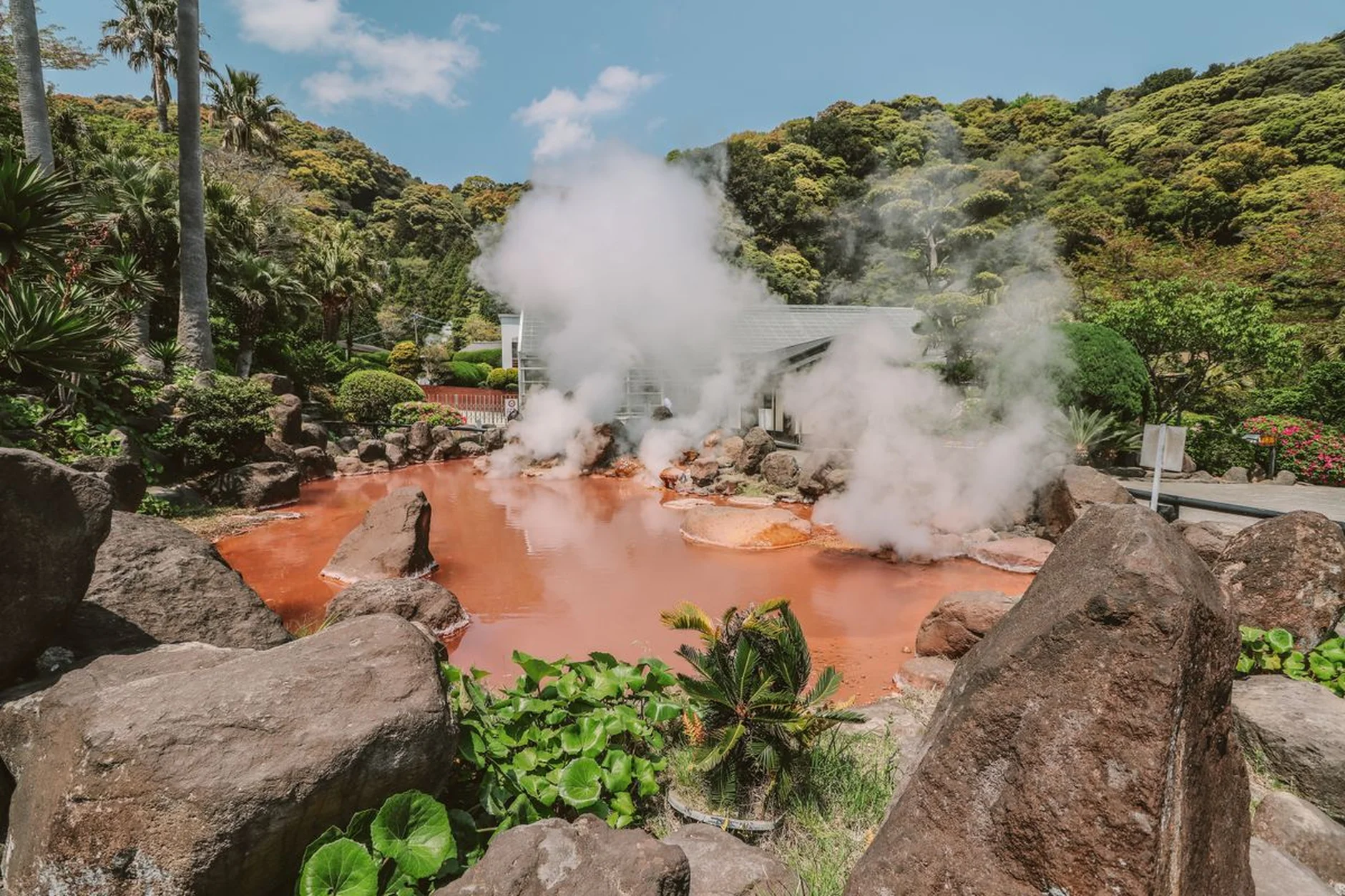
Arima Onsen is Japan's oldest thermal resort, with documented use dating to 630 AD when Emperor Jomei visited and ordered the development of bathhouses. Set in the forested Rokko mountains above Kobe, Arima is uniquely famous for two entirely different spring types: Kinsen (Gold Spring), a dark reddish-brown iron and salt water so concentrated it stains the bathing pools and skin; and Ginsen (Silver Spring), a clear, mildly radioactive radium and carbonate water. The contrast between these two spring types — each with distinct therapeutic properties and visual drama — makes Arima unlike any other onsen in Japan. The historic town, preserved with Edo-period merchant houses and temple gardens, is just 30 minutes from Kobe's cruise terminal.

Arima Onsenは日本・Hyogoに位置する含鉄泉・塩化物泉。源泉温度は99℃、標高380mの地に湧出する。泉水は中性に近い(pH約6.2)の泉質、塩化物泉・炭酸水素塩泉を豊富に含む、総溶解固形物98000 mg/Lが特徴だ。630年頃から利用されてきた。肌の若返り・リウマチ療法・循環器系など多様な温浴療法が行われる。施設では入浴・露天風呂・全身浴などが体験できる。

Minerales

Minerals

ミネラル

Chloride (NaCl)68000 mg/L
Iron5200 mg/L
Bicarbonate8400 mg/L
Radium0.0012 mg/L
Calcium980 mg/L

Tratamientos

Treatments

トリートメント

Skin RejuvenationRheumatologyCirculatoryAnaemiaRelaxation

Técnicas

Techniques

技法

BathingOpen-Air Bath (Rotenburo)Full-Body Immersion

Patrimonio

La historia documentada de Arima Onsen comienza en el año 630 d. C. con la visita imperial del emperador Jomei, lo que lo convierte en uno de los balnearios termales más antiguos registrados de Asia. El monje budista Gyoki reconstruyó los baños en el siglo VIII y los dedicó a la curación de los pobres. Toyotomi Hideyoshi, el gran unificador de Japón en el siglo XVI, visitó Arima nueve veces y se dice que trajo consigo al maestro de té Sen no Rikyū, lo que influyó en la integración de la cultura del té y el baño termal que caracteriza a Arima hasta hoy.

Heritage

Arima Onsen's documented history begins in 630 AD with Emperor Jomei's imperial visit — making it one of the earliest recorded thermal resorts in Asia. The Buddhist monk Gyoki reconstructed the baths in the 8th century and dedicated them to healing the poor. Toyotomi Hideyoshi, the great 16th-century unifier of Japan, visited Arima nine times and is said to have brought the tea master Sen no Rikyū here, influencing the integration of tea culture and thermal bathing that characterises Arima to this day.

文化財

有馬温泉の記録に残る歴史は西暦630年、舒明天皇の行幸に始まり、アジアで最も早くから記録された温泉地のひとつとなっている。8世紀には僧・行基が湯屋を再興し、貧しい人々の治療のために捧げた。16世紀の日本統一の立役者である豊臣秀吉は有馬を9回訪れ、茶人・千利休をここに伴ったと伝えられており、これが今日まで続く有馬の茶文化と温泉入浴の融合に影響を与えたとされる。

Cultura

Arima es uno de los 'Nihon Sanko' (Tres Manantiales Antiguos) de Japón, y ocupa un prestigio supremo en la jerarquía nacional de los onsen junto con Kusatsu y Gero. El concepto de los dos manantiales —dorado y plateado— tiene una profunda resonancia simbólica en la estética y la espiritualidad japonesas, y representa la interacción entre los metales de la tierra y la pureza. La ciudad conserva una tradición viva de elaboración de sake, cocina de carne de Kobe y artesanía tradicional junto a su cultura de onsen, creando una experiencia cultural singularmente estratificada.

Culture

Arima is one of Japan's 'Nihon Sanko' (Three Ancient Springs), holding supreme prestige in the national onsen hierarchy alongside Kusatsu and Gero. The concept of the dual springs — golden and silver — has deep symbolic resonance in Japanese aesthetic and spiritual culture, representing the interplay of earth metals and purity. The town preserves a living tradition of sake brewing, kobe beef cuisine, and traditional crafts alongside its onsen culture, creating a uniquely layered cultural experience.

文化

有馬は草津・下呂と並び、日本の温泉の序列において最高の格式を誇る「日本三古湯」のひとつである。「金泉」と「銀泉」という二つの泉質の概念は、日本の美意識と精神文化に深く根ざした象徴性を持ち、大地の金属と純粋さの相互作用を表している。この町は温泉文化とともに、酒造り、神戸牛料理、伝統工芸の生きた伝統を守り続けており、他に類を見ない重層的な文化体験を生み出している。

Sostenibilidad

Los manantiales de Arima están protegidos por las ordenanzas de gestión de recursos termales de la ciudad de Kobe, que limitan el volumen de extracción diario y exigen el monitoreo de la presión del manantial y su composición mineral. La zona boscosa de captación del monte Rokko está protegida como parque natural, lo que impide desarrollos que pudieran afectar la recarga del acuífero. Arima se ha comprometido a lograr operaciones de calefacción neutras en carbono para 2030, aprovechando la propia capacidad de intercambio de calor del agua termal.

Sustainability

Arima's springs are protected under Kobe City's thermal resource management ordinances, which limit daily extraction volume and require monitoring of spring pressure and mineral composition. The forested Rokko mountain catchment area is protected as a natural park, preventing development that would affect aquifer recharge. Arima has committed to carbon-neutral heating operations by 2030, using the thermal water's own heat exchange capacity.

持続可能性

有馬の源泉は神戸市の温泉資源管理条例のもとで保護されており、1日あたりの採取量が制限され、源泉の圧力と鉱物成分の監視が義務付けられている。森林に覆われた六甲山の集水域は自然公園として保護されており、帯水層の涵養に影響を与える開発は防がれている。有馬は温泉水自体が持つ熱交換能力を活用し、2030年までに暖房設備のカーボンニュートラル化を実現することを目指している。

Contacto

Teléfono+81 78-904-0708

Sitio webwww.arima-onsen.com/

DirecciónArima-cho, Kita-ku, Kobe, Hyogo 651-1401, Japan

Contact

Phone+81 78-904-0708

Websitewww.arima-onsen.com/

AddressArima-cho, Kita-ku, Kobe, Hyogo 651-1401, Japan

連絡先

電話+81 78-904-0708

ウェブサイトwww.arima-onsen.com/

住所Arima-cho, Kita-ku, Kobe, Hyogo 651-1401, Japan

← Volver al directorio completo Ver en el mapa interactivo← Back to the full directory View on the interactive map← ディレクトリ全体に戻る インタラクティブマップで見る