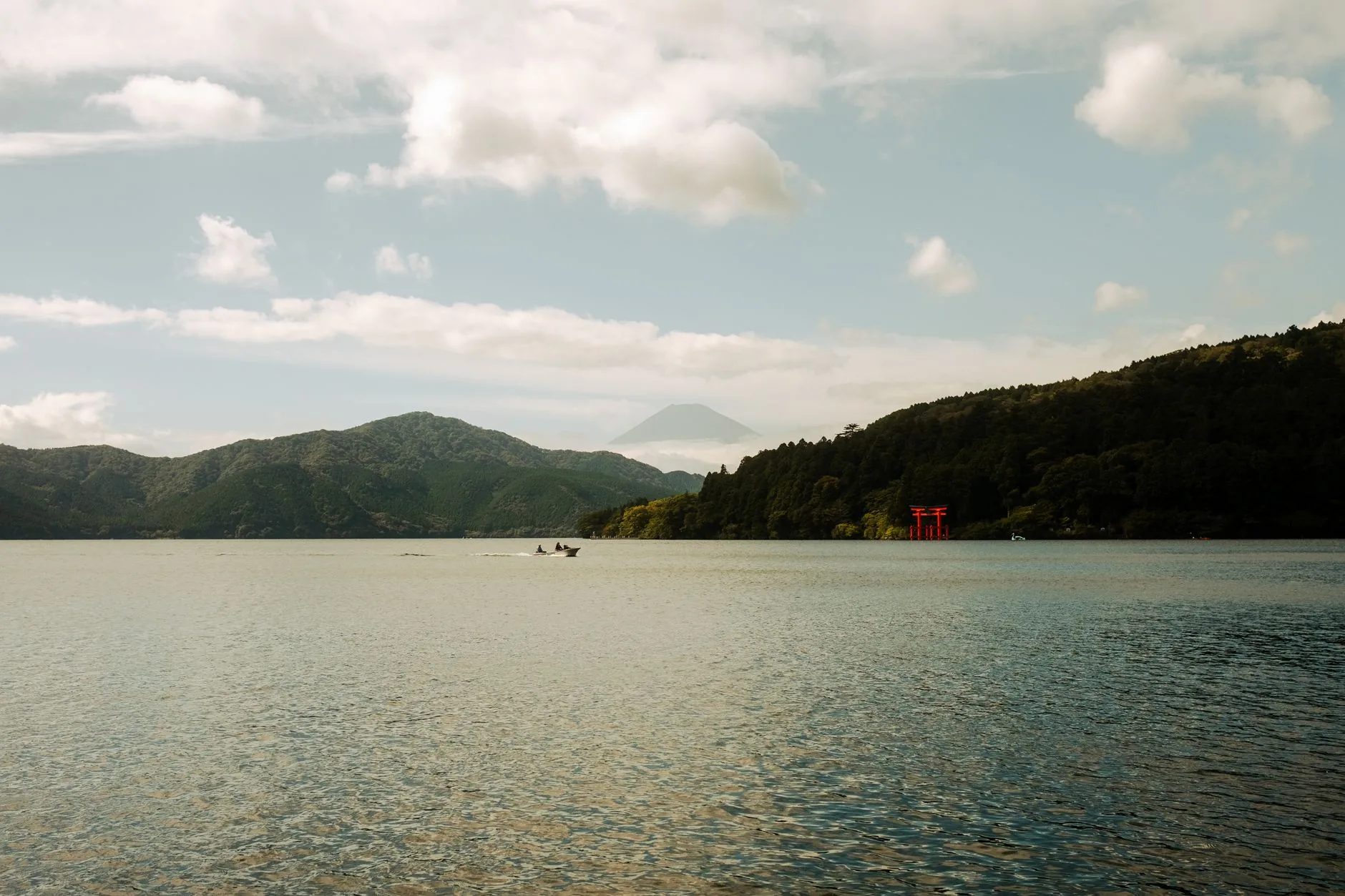
Photo by MGA73bot2, via Wikimedia Commons (CC BY-SA 3.0)
🇯🇵 Japan · Kanagawa
♨ Temperature
72°C
⛰ Altitude
720 m
⚗ pH
2.6
💧 TDS
2100 mg/L
🌊 Flow rate
200 L/s
📅 Established
8th century
✓ Verified on 2026-07-22
Hakone is Japan's most iconic onsen destination, a volcanic highland resort in the Fuji-Hakone-Izu National Park where 17 geologically distinct spring types emerge from the flanks of Mount Hakone. The resort stretches across the Hakone caldera above Lake Ashi, with views of Mount Fuji framing traditional ryokan (Japanese inn) rooftop baths. Hakone's springs range from strongly acidic sulphurous waters at Owakudani's volcanic valley — where the infamous black eggs boiled in sulphur springs are sold at a hilltop kiosk — to gentler sodium chloride baths in the valley towns. The onsen culture here is among the most refined in Japan, with ryokan traditions of kaiseki dining, seasonal bathing, and meditative contemplation of mountain landscapes unchanged since the Edo period.
| Sulphur | 180 mg/L |
| Chloride | 890 mg/L |
| Sodium | 620 mg/L |
| Iron | 34 mg/L |
| Calcium | 145 mg/L |
Hakone's thermal springs were first recorded by Buddhist monks of the Manyoji Temple in the 8th century, who noted the healing of sick travellers on the old Tokaido road. The post town of Hakone-juku became a key stop on the Tokaido highway linking Edo (Tokyo) to Kyoto in the Edo period, with onsen lodging houses serving shogunal processions. The resort gained international fame when early Western visitors to Meiji-era Japan were brought here as a showcase of Japanese culture.
Hakone embodies the Japanese concept of 'toji' — the practice of extended therapeutic bathing, traditionally a week or more of residence at an onsen inn to allow gradual mineral absorption. The ryokan culture of Hakone is among Japan's most elaborate, combining mineral bathing with kaiseki multi-course cuisine, yukata (cotton kimono) wearing, tea ceremony, and seasonal appreciation of landscape. The famous open-air baths with Mount Fuji views have become one of the most potent symbols of Japan worldwide.
Hakone's geothermal resources are managed under Japan's Hot Spring Law (Onsenho) of 1948, which requires government licensing for all new drilling and mandates hydrological surveys. The Hakone Geopark, designated in 2015, integrates volcanic geology education with visitor management to protect fragile geothermal zones. The Owakudani volcanic valley has strict visitor limits to protect the active sulphur vents and ground stability.
Phone+81 460-85-5700
Websitewww.hakone.or.jp/en/
AddressHakone, Ashigarashimo District, Kanagawa 250-0400, Japan