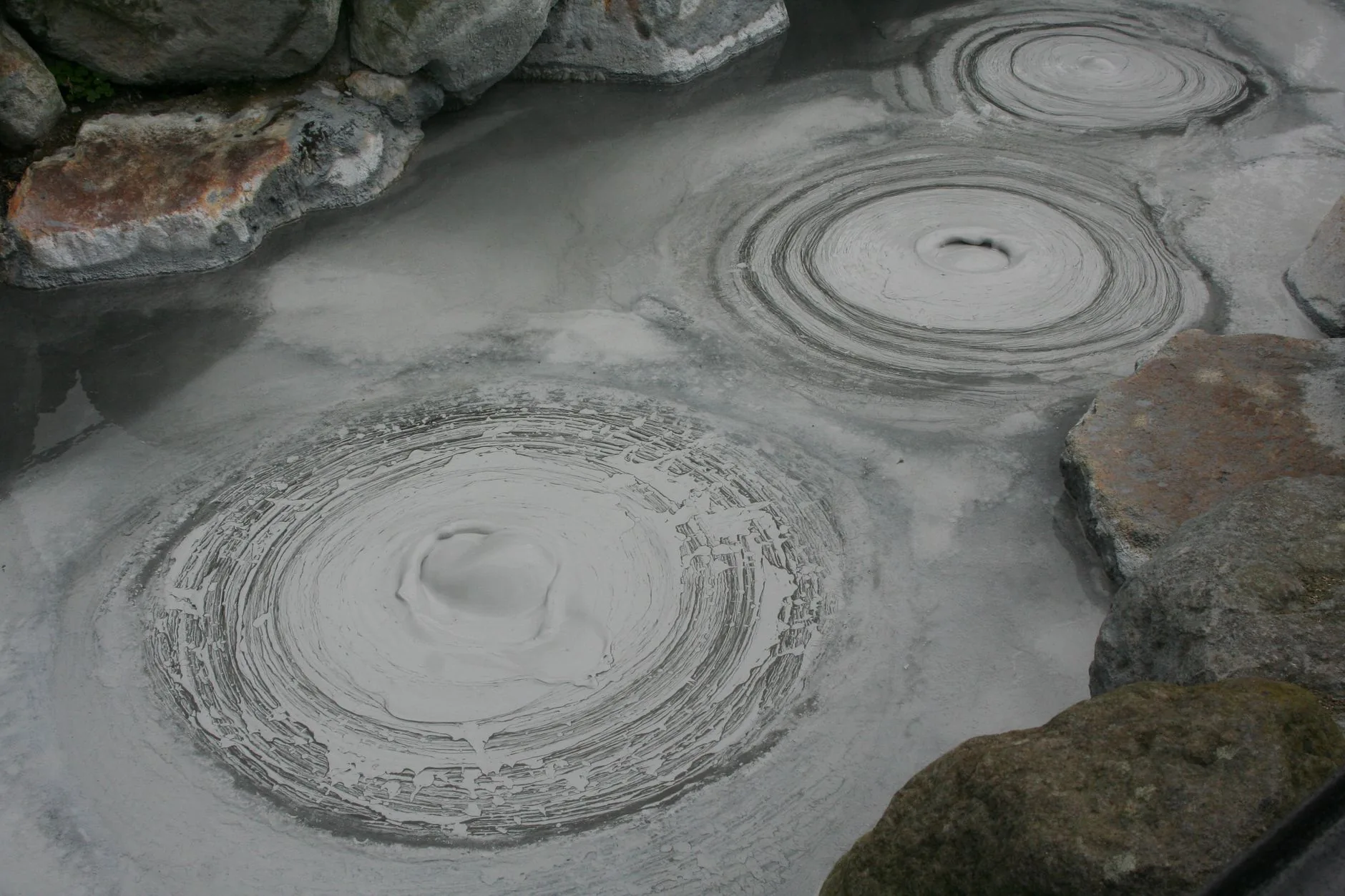
Photo by KENJI IWASAKI on Pexels
🇯🇵 Japan · Tokyo
♨ Temperature
37°C
⛰ Altitude
5 m
⚗ pH
8.3
💧 TDS
1800 mg/L
🌊 Flow rate
15 L/s
📅 Established
Ancient
✓ Verified on 2026-07-22
Beneath the streets of Tokyo lies a geothermal hot spring layer known as the Tokyo formation, a sodium chloride aquifer that has been tapped since the Edo period. In the southern and eastern wards — particularly Ōta-ku, Adachi-ku, and Kōtō-ku — dozens of traditional sentō bathhouses and urban onsen facilities draw water directly from this natural underground source. The water, dark brown and mineral-rich, is classified as a certified onsen under Japanese law. Urban hot spring bathing in Tokyo is a daily ritual for many residents, connecting the megacity to the same thermal bathing tradition practised for centuries in Japan's mountain onsen towns.
| Sodium | 580 mg/L |
| Chloride | 850 mg/L |
| Iodine | 8.5 mg/L |
| Bicarbonate | 120 mg/L |
The tradition of public bathing in Tokyo dates to the Edo period (1603–1868), when the sentō bathhouse was a central institution of urban life. As the city expanded, the discovery of mineral hot spring sources in the subsoil allowed some traditional bathhouses to convert to certified onsen status.
Tokyo's urban onsen represent a fusion of ancient Japanese bathing culture with the modern metropolis. Unlike rural mountain onsen, the Tokyo hot spring experience is embedded in dense urban neighbourhoods, often accessed through quiet residential streets before emerging into a world of traditional timber interiors and hot mineral water.
Tokyo's licensed onsen are regulated by the metropolitan government to ensure responsible extraction from the underground aquifer. Many facilities have modernised their energy systems while maintaining the traditional onsen experience.