Manantiales / Bullicame Hot SpringsSprings / Bullicame Hot Springs温泉・鉱泉 / Bullicame Hot Springs
📅 Establecido
Etruscan period
📅 Established
Etruscan period
SulphurousSulphatedBicarbonated
✓ Verificado el 2026-07-28
✓ Verified on 2026-07-28
✓ 確認日 2026-07-28
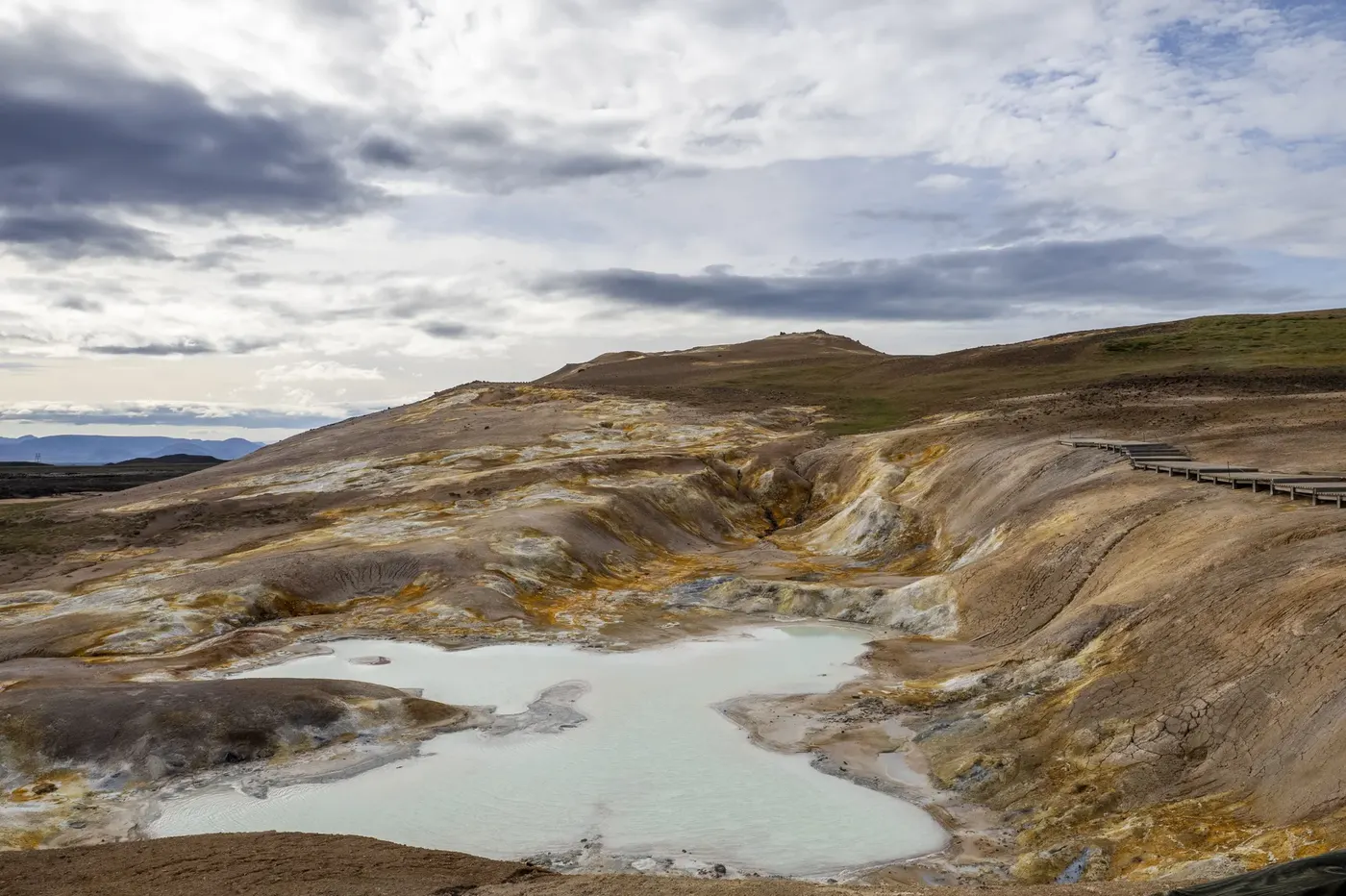
El manantial de Bullicame se encuentra a unos 2,5 km de Viterbo, junto a la antigua Vía Cassia, y emerge a 58°C desde una fisura vinculada a una fractura cortical de unos 12 km. Su agua fluorada, sulfurosa-sulfatada-bicarbonatada-alcalina-terrosa fue documentada por escritores clásicos como Estrabón, Tibulo, Símaco, Marcial y Escribonio Largo, médico del emperador Tiberio. Dante Alighieri hizo referencia al sulfuroso Bulicame en el Canto XIV del Infierno, y hoy una estela de piedra cerca del manantial luce los versos correspondientes. Se dice que Miguel Ángel dibujó los baños durante sus viajes a Roma entre 1496 y 1536, dibujos que se conservan en un museo francés. El lugar cuenta con dos piscinas de baño al aire libre alimentadas por el flujo geotérmico natural, de acceso gratuito.
The Bullicame spring lies about 2.5 km from Viterbo along the ancient Via Cassia, emerging at 58°C from a fissure linked to a roughly 12-km crustal fracture. Its fluorinated sulphur-sulphate-bicarbonate-alkaline-earth water was documented by classical writers including Strabo, Tibullus, Symmachus, Martial, and Scribonius Largus, physician to the emperor Tiberius. Dante Alighieri referenced the sulphurous Bulicame in Canto XIV of the Inferno, and a stone stele near the source today bears the relevant verses. Michelangelo is said to have sketched the baths during his trips to Rome between 1496 and 1536, with those drawings preserved in a French museum. The site includes two open bathing pools fed by natural geothermal flow, free of charge.
ブッリカーメ泉は、古代のヴィア・カッシア沿い、ヴィテルボから約2.5kmの場所にあり、約12kmに及ぶ地殻の亀裂に連なる割れ目から58℃で湧出する。フッ素を含む硫黄・硫酸塩・重炭酸塩・アルカリ土類泉の湯は、ストラボン、ティブッルス、シュンマクス、マルティアリス、そして皇帝ティベリウスの侍医スクリボニウス・ラルグスら古代の著述家たちによって記録されている。ダンテ・アリギエーリは『地獄篇』第14歌でこの硫黄臭のブリカーメに言及しており、現在は源泉近くの石碑にその該当する詩句が刻まれている。ミケランジェロは1496年から1536年にかけてのローマ旅行の際にこの浴場をスケッチしたと伝えられ、その素描はフランスの美術館に保存されている。この場所には自然の地熱流によって満たされる2つの露天浴槽があり、無料で利用できる。
Técnicas
Techniques
技法
Bathing
Patrimonio
Conocido desde la época etrusca, la importancia de Bullicame está documentada a lo largo de la antigüedad clásica por escritores como Estrabón, Tibulo, Símaco, Marcial y Escribonio Largo, médico del emperador Tiberio. Dante Alighieri le dio fama duradera al mencionar sus aguas sulfurosas en el Canto XIV del Infierno.
Heritage
Known since the Etruscan period, Bullicame's importance is documented across classical antiquity by writers including Strabo, Tibullus, Symmachus, Martial, and Scribonius Largus, physician to Emperor Tiberius. Dante Alighieri gave it lasting fame by referencing its sulphurous waters in Canto XIV of the Inferno.
文化財
エトルリア時代から知られていたブッリカーメの重要性は、ストラボン、ティブッルス、シュンマクス、マルティアリス、そして皇帝ティベリウスの侍医スクリボニウス・ラルグスら古典古代の著述家たちによって記録されている。ダンテ・アリギエーリは『地獄篇』第14歌で硫黄泉に言及し、その名を後世に残した。
Cultura
Una estela de piedra cerca del manantial luce hoy los versos correspondientes del Infierno de Dante. Se dice que Miguel Ángel dibujó los baños durante sus viajes a Roma entre 1496 y 1536, dibujos que hoy se conservan en un museo francés.
Culture
A stone stele near the spring today bears the relevant lines from Dante's Inferno. Michelangelo is said to have sketched the baths during his journeys to Rome between 1496 and 1536, drawings now preserved in a French museum.
文化
現在、源泉近くの石碑にはダンテの『地獄篇』の該当する詩句が刻まれている。ミケランジェロは1496年から1536年のローマ旅行の際にこの浴場をスケッチしたと伝えられ、その素描は現在フランスの美術館に保存されている。
Otros manantiales en Italy