Photo by Andarin2, via Wikimedia Commons (CC BY-SA 3.0)
🇦🇷 Argentina · Neuquén Province, Patagonia
Photo by Andarin2, via Wikimedia Commons (CC BY-SA 3.0)
🇦🇷 Argentina · Neuquén Province, Patagonia
♨ Temperature
38°C
⛰ Altitude
1980 m
⚗ pH
2.1
💧 TDS
3200 mg/L
🌊 Flow rate
45 L/s
📅 Established
Traditional Mapuche use; therapeutic resort built 1950s
✓ Verified on 2026-07-22
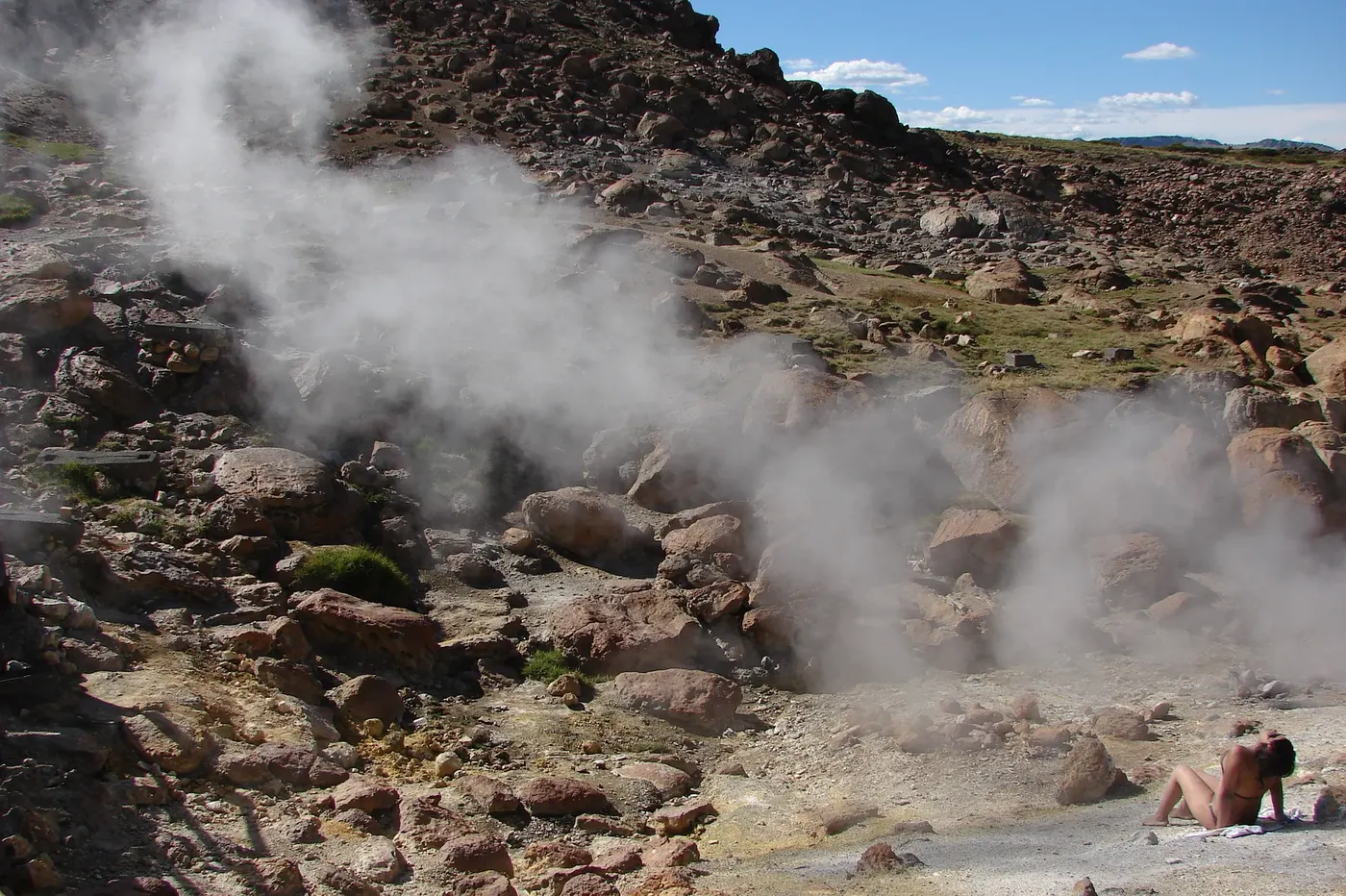
Copahue is an active stratovolcano on the Argentina-Chile border in Neuquén Province, Patagonia. Its geothermal system produces some of the most chemically aggressive thermal waters on Earth: the crater lake El Agrio has a pH below 1, placing it among the most acidic natural lakes in the world. The volcanic hydrothermal system generates springs, fumaroles, and geysers of varying temperature and chemistry across the surrounding landscape. The village of Copahue, 10 kilometres from the crater, operates a balneological resort using the volcanic waters — diluted and temperature-controlled — for sulphurous bath treatments, volcanic mud therapy, and thermal vapour inhalation. The therapeutic tradition centres on the established historical use of volcanic sulphur compounds and mineral muds. The resort season runs December to March; heavy Andean snowfall closes the mountain village in winter. Copahue volcano has had eruptive episodes in recent decades, adding a powerful living-geology character to the thermal experience.
| Sulphate | 1850 mg/L |
| Hydrogen Sulphide | 22 mg/L |
| Aluminium | 280 mg/L |
| Chloride | 420 mg/L |
| Calcium | 145 mg/L |
The Copahue geothermal system has been significant to Mapuche culture for centuries — the name derives from the Mapudungun for 'place of sulphur springs'. The Mapuche used the thermal waters ceremonially and for healing long before Spanish colonisation. The provincial government of Neuquén jointly manages the therapeutic village with recognition of Mapuche territorial and cultural rights over the volcano and its surroundings.
Copahue holds a unique position in Argentine thermal culture: simultaneously a serious balneological resort with mud therapy protocols and a Mapuche sacred site, set against the dramatic high-Andean landscape of Patagonian Neuquén. The contrast between volcanic force — periodic eruptions in recent decades — and the intimate human scale of the thermal village creates a distinctly Patagonian thermal experience: raw, powerful, and ancient.
Copahue volcano is actively monitored by Argentina's SEGEMAR geological survey due to periodic eruptions. The resort operates only in summer months, naturally limiting year-round environmental impact. The Mapuche community of Copahue participates in decisions about resource use and tourism management through a co-management agreement with the provincial government.
Websitewww.neuquentur.gob.ar
AddressCopahue, Neuquén Province, Argentina