Manantiales / Termas de CacheutaSprings / Termas de Cacheuta温泉・鉱泉 / Termas de Cacheuta
SulphurousChlorinated
✓ Verificado el 2026-07-22
✓ Verified on 2026-07-22
✓ 確認日 2026-07-22
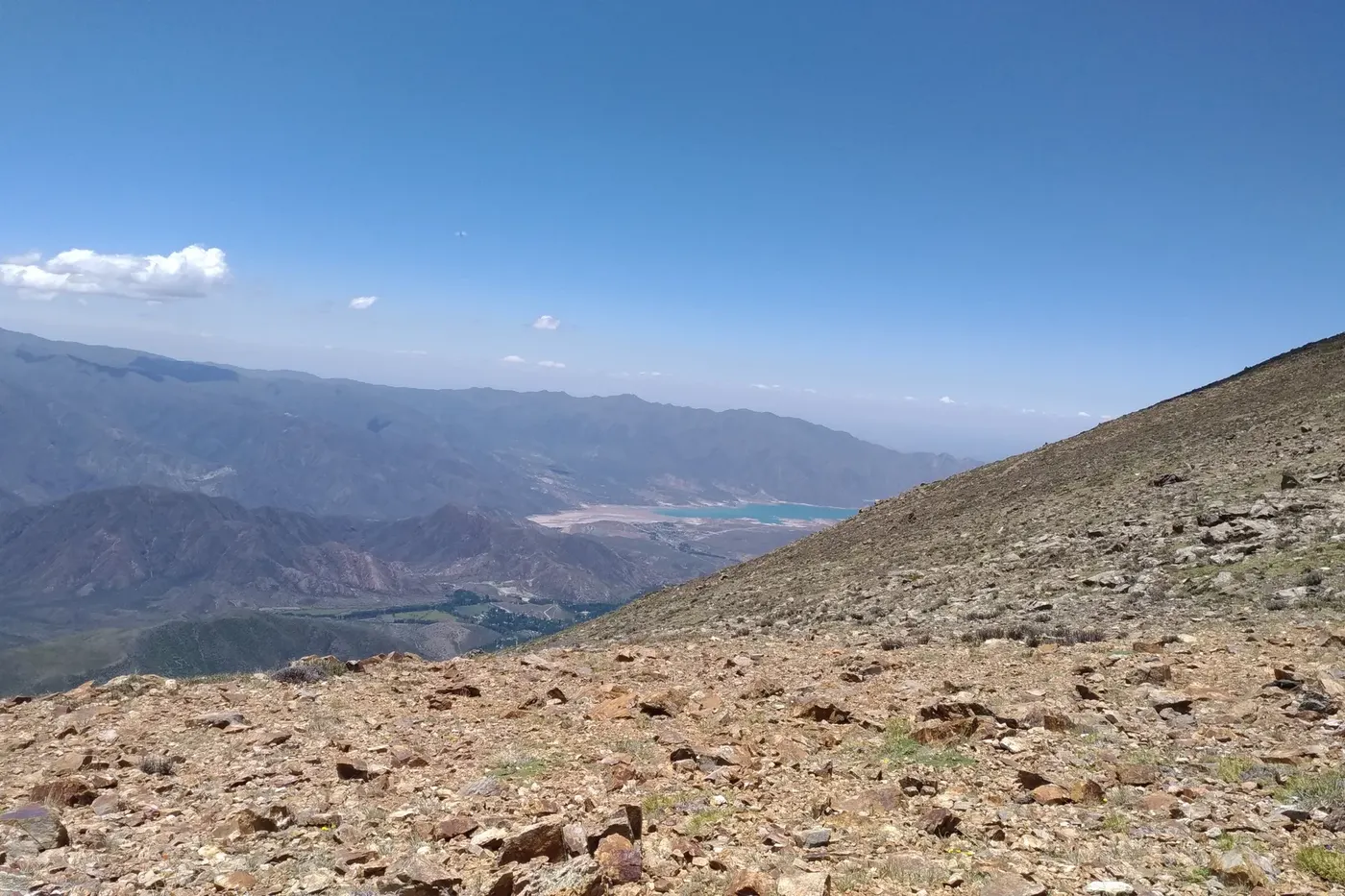
Las Termas de Cacheuta ocupan una ubicación geológica excepcional: un cañón estrecho del río Mendoza donde las terrazas fluviales de roca rojiza encajonan las piscinas termales entre paredes de más de 200 metros. El sacerdote español Juan Fernández Campón documentó las aguas en 1752, describiendo cómo los guerreros huarpe curaban heridas de batalla en estos manantiales calientes. El resort fue fundado en 1892 durante el boom desarrollista de la Generación del 80 y destruido por una crecida catastrófica en 1934; la instalación actual, renovada en 2008, combina piscinas termales cloruro-sulforosas con la propuesta de ecoturismo de la región vitivinícola de Mendoza.
Termas de Cacheuta is one of Argentina's oldest and most atmospheric thermal resorts, situated in a dramatic gorge of the Mendoza River where the Andes front range meets the wine country. The springs, used by Huarpe indigenous people for centuries before Spanish colonisation, were developed as a resort in 1892 for Mendoza's growing prosperous class. The original 1892 hotel building was destroyed by a flash flood in 1934 — the rebuilt facility preserves the thermal tradition in a setting of exposed red rock canyon walls and the rushing mountain river below. The combination of Andean thermal springs, Malbec wine tours, and Aconcagua mountain scenery makes Cacheuta a uniquely Argentine experience, reached from Buenos Aires by a 90-minute flight plus 40-minute transfer.
Termas de Cacheutaはアルゼンチン・Mendozaに位置する硫黄泉・塩化物泉。源泉温度は43℃、標高1240mの地に湧出する。泉水は中性に近い(pH約7.1)の泉質、塩化物泉・ナトリウム泉を豊富に含む、総溶解固形物3400 mg/Lが特徴だ。1892年創業。リウマチ療法・皮膚科治療・リラクゼーションなど多様な温浴療法が行われる。施設では入浴・屋外プール・水治療法などが体験できる。
Minerales
Minerals
ミネラル
| Chloride | 1450 mg/L |
| Sodium | 920 mg/L |
| Sulphate | 680 mg/L |
| Calcium | 210 mg/L |
| Sulphur | 12 mg/L |
Tratamientos
Treatments
トリートメント
RheumatologyDermatologyRelaxationRespiratoryNervous System
Técnicas
Techniques
技法
BathingOutdoor PoolHydrotherapySteam Bath
Patrimonio
Los manantiales de Cacheuta fueron documentados por el cronista español Padre Juan Fernández Campón en 1752, quien señaló que los guerreros huarpes curaban sus heridas en los manantiales calientes del río. El complejo de 1892, construido durante el auge de desarrollo de la Generación del Ochenta argentina, fue una obra emblemática de la oligarquía mendocina. Una inundación catastrófica en 1934 destruyó el complejo original, pero los manantiales continuaron fluyendo; el balneario fue reconstruido como spa público funcional en la década de 1960 y renovado nuevamente en 2008.
Heritage
The Cacheuta springs were documented by the Spanish chronicler Padre Juan Fernández Campón in 1752, who noted that Huarpe warriors bathed their wounds in the hot river springs. The 1892 resort, built during the Argentine Generación del Ochenta development boom, was a showpiece of the Mendoza oligarchy. A catastrophic flood in 1934 destroyed the original complex, but the springs continued to flow; the resort was rebuilt as a functional public spa in the 1960s and renovated again in 2008.
文化財
カチェウタの温泉は1752年、スペイン人の年代記作者フアン・フェルナンデス・カンポン神父によって記録されており、ワルペ族の戦士たちが川の温泉で傷を癒やしていたことが記されている。アルゼンチンの「80年世代」の発展期に建設された1892年の施設は、メンドーサの富裕層を象徴する存在であった。1934年の壊滅的な洪水によって元の施設は破壊されたが、温泉は湧き続け、1960年代に機能的な公共温泉施設として再建され、2008年に再度改修された。
Cultura
Cacheuta encarna el concepto argentino de 'termalismo' —un enfoque serio y de base médica del baño termal que combina la hidroterapia con la rehabilitación física, distinguiendo la cultura termal argentina del enfoque puramente lúdico del turismo balneario norteamericano o europeo. El entorno de cañón del complejo, en la región vitivinícola de Mendoza, crea una síntesis cultural única de Argentina: la terapia de aguas minerales combinada con la viticultura de Malbec de altura, generando el circuito de excursiones de 'salud y vino' por el que Mendoza es célebre.
Culture
Cacheuta embodies the Argentine concept of 'termalismo' — a serious, medically-grounded approach to thermal bathing that combines hydrotherapy with physical rehabilitation, distinguishing Argentine spring culture from the pure leisure focus of North American or European spa tourism. The resort's canyon setting in the Mendoza wine country creates a cultural synthesis unique to Argentina: mineral spring therapy combined with high-altitude Malbec viticulture, creating the 'health and wine' excursion circuit for which Mendoza is renowned.
文化
カチェウタはアルゼンチンの「テルマリスモ(termalismo)」という概念を体現している。これは、水治療法と身体リハビリテーションを組み合わせた、医学的根拠に基づく真摯な温泉入浴のアプローチであり、純粋に娯楽志向の北米やヨーロッパの温泉観光とはアルゼンチンの温泉文化を一線を画すものにしている。メンドーサのワイン産地に位置するこの施設の峡谷という立地は、アルゼンチンならではの文化的融合を生み出している。すなわち、鉱泉療法と高地のマルベック葡萄栽培とが組み合わさり、メンドーサを有名にした「健康とワイン」の周遊コースを形成しているのである。
Sostenibilidad
El entorno del cañón del río Mendoza impone límites naturales a la expansión del complejo: el sitio está flanqueado por el río y paredes rocosas en todos sus costados. La extracción del manantial se rige por la ley provincial de aguas de Mendoza y es supervisada por el Departamento General de Irrigación. El complejo opera un sistema de reciclaje de agua en el que el agua termal enfriada se utiliza para el riego de los jardines del complejo y se reintroduce en el río Mendoza a temperaturas reguladas para proteger la fauna acuática.
Sustainability
The Mendoza River canyon setting imposes natural limits on resort expansion — the site is flanked by the river and cliff faces on all sides. Spring extraction is governed by Mendoza provincial water law and monitored by the Departamento General de Irrigación. The resort operates a water recycling system where cooled thermal water is used for irrigation of the resort's garden and reintroduced to the Mendoza River at regulated temperatures to protect aquatic fauna.
持続可能性
メンドーサ川の渓谷という立地は施設の拡張に自然の制約を課しており、敷地は川と崖に四方を囲まれている。源泉の採取はメンドーサ州の水法によって規制され、灌漑総局(Departamento General de Irrigación)の監督下に置かれている。この施設は水のリサイクルシステムを運用しており、冷却された温泉水は施設の庭園の灌漑に利用された後、水生生物を保護するため規定された温度でメンドーサ川に還元される。
Otros manantiales en Argentina
Other springs in Argentina