Manantiales / Hot Water BeachSprings / Hot Water Beach温泉・鉱泉 / Hot Water Beach
📅 Establecido
Known to Māori since ancient times; Waikato Tainui taonga site
🌊 Flow rate
Variable (tidal)
📅 Established
Known to Māori since ancient times; Waikato Tainui taonga site
📅 開設
Known to Māori since ancient times; Waikato Tainui taonga site
Geothermal BeachHot Spring
✓ Verificado el 2026-07-22
✓ Verified on 2026-07-22
✓ 確認日 2026-07-22
Hot Water Beach es una de las experiencias geotérmicas más inusuales y accesibles de Nueva Zelanda. En la costa este de la Península de Coromandel, una falla fuerza agua subterránea sobrecalentada hacia arriba a través de la arena durante la marea baja. Los visitantes usan palas para cavar piscinas que se llenan de agua entre 40°C y 64°C. Las piscinas son temporales: la marea regresa y las borra dos veces al día. La ventana de dos horas a cada lado de la marea baja es el período de baño óptimo.
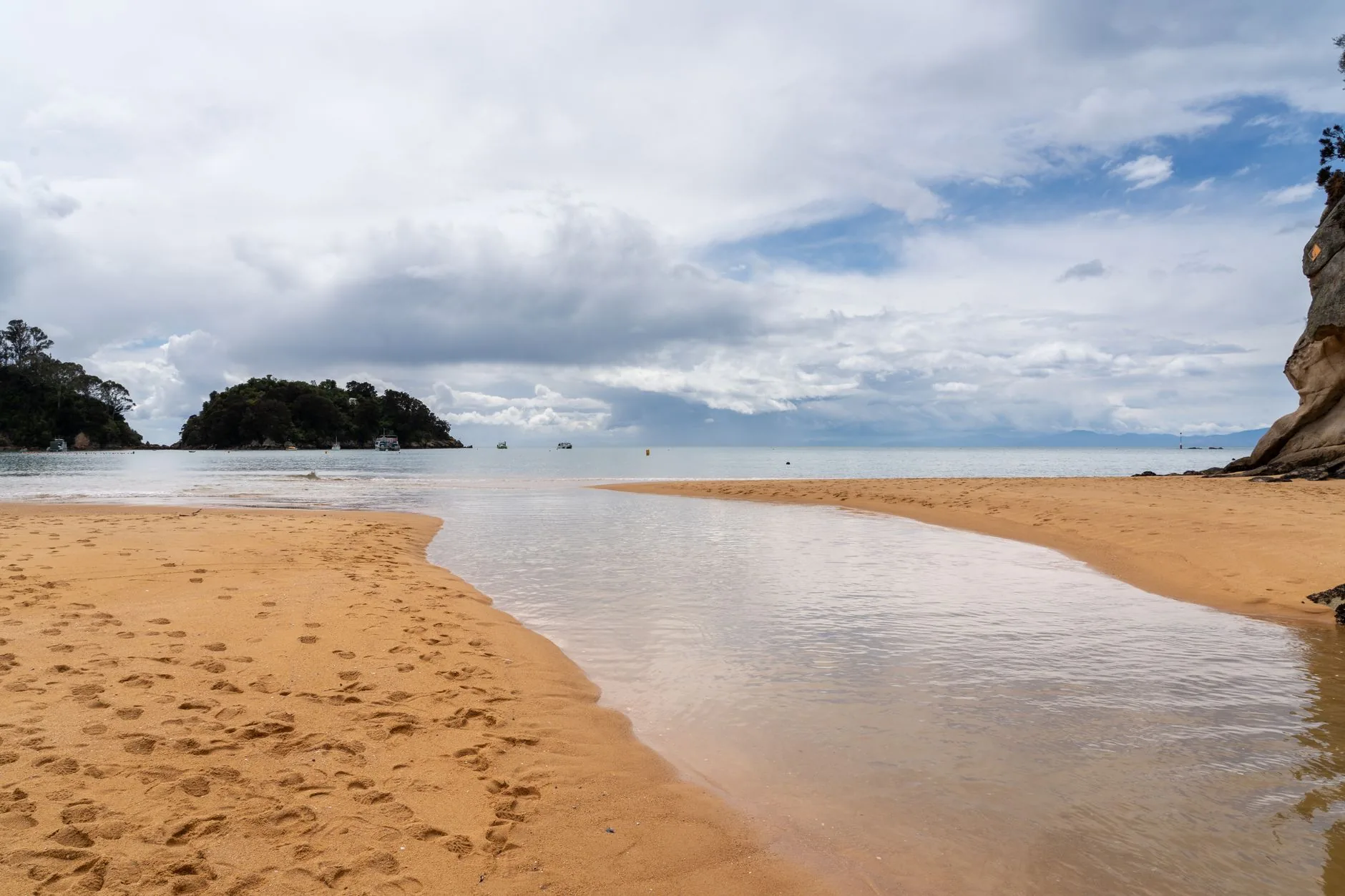
Hot Water Beach is one of the most unusual and accessible geothermal experiences in New Zealand. On the eastern shore of the Coromandel Peninsula, a fault beneath the beach forces superheated groundwater upward through the sand in a defined area roughly 50 metres wide. At low tide, the ocean retreats sufficiently to expose this geothermal zone, and visitors use spades to dig pools in the sand — within minutes, water seeping up from below fills the hole at temperatures between 40°C and 64°C depending on depth and proximity to the main vents. The pools are temporary: the tide returns and erases them twice a day. The two-hour window either side of low tide is the optimal bathing period. The water is moderately mineralized with dissolved silica and sodium chloride, heated by a geothermal system connected to the Coromandel volcanic arc. The setting is a north-facing beach, making it warm and sheltered during summer. Behind the beach, the Coromandel Forest Park contains some of the most significant remaining kauri forest in the North Island. The site has been significant to Hauraki Māori for centuries as a place of healing and as a source of warm water for cooking.
Hot Water Beachはニュージーランド・Coromandel Peninsula, Waikatoに位置する地熱温泉。源泉温度は64℃の豊かな温泉水が湧き出る。泉水は中性に近い(pH約7.0)の泉質、塩化物泉・ナトリウム泉を豊富に含む、総溶解固形物1100 mg/Lが特徴だ。古くから親しまれてきた。リラクゼーション・皮膚・筋肉系など多様な温浴療法が行われる。施設では自分で掘る砂浴プール・潮汐入浴などが体験できる。
Minerales
Minerals
ミネラル
| Silica | 168 mg/L |
| Sodium | 184 mg/L |
| Chloride | 188 mg/L |
| Bicarbonate | 124 mg/L |
| Calcium | 48 mg/L |
| Sulphate | 36 mg/L |
Tratamientos
Treatments
トリートメント
RelaxationSkinMuscular
Técnicas
Techniques
技法
Self-dug sand poolsTidal bathing
Patrimonio
Hot Water Beach se encuentra dentro del rohe (territorio) del iwi Hauraki, específicamente de Ngāti Hei, que ha habitado la península de Coromandel desde al menos el siglo XIV. El lugar está reconocido como taonga (tesoro) en el Acuerdo Colectivo de Hauraki (Hauraki Collective Deed of Settlement), que reconoció los vínculos culturales y espirituales māori con los recursos geotérmicos y costeros de Coromandel. Ngāti Hei ha utilizado históricamente el agua caliente para la preparación de alimentos y el baño.
Heritage
Hot Water Beach is within the rohe (territory) of the Hauraki iwi — specifically Ngāti Hei, who have lived on the Coromandel Peninsula since at least the 14th century. The site is recognized as a taonga (treasure) in the Hauraki Collective Deed of Settlement, which acknowledged Māori cultural and spiritual connections to the Coromandel's geothermal and coastal resources. Ngāti Hei have historically used the warm water for food preparation and bathing.
文化財
ホット・ウォーター・ビーチは、少なくとも14世紀からコロマンデル半島に暮らしてきたハウラキ族―具体的にはンガーティ・ヘイ族―のロヘ(territory)内に位置する。この場所は、コロマンデルの地熱資源および沿岸資源に対するマオリの文化的・精神的なつながりを認めた「ハウラキ集合和解証書」において、タオンガ(宝)として認定されている。ンガーティ・ヘイ族は歴史的に、この温水を食物の調理や入浴に利用してきた。
Cultura
Hot Water Beach se ha convertido en una de las experiencias definitorias del 'verano de Coromandel', un elemento fijo del turismo interno neozelandés que combina la cultura de playa con la geología volcánica del país de una manera inusualmente democrática y participativa. El ritual de llegar con la marea baja, pala alquilada en mano, y competir por reclamar un buen trozo de arena no tiene equivalente directo en ninguna otra fuente termal del mundo. La entrada a la playa es gratuita; las palas se alquilan en cafés locales.
Culture
Hot Water Beach has become one of the defining experiences of the 'Coromandel summer' — a fixture of New Zealand domestic tourism that combines beach culture with the country's volcanic geology in an unusually democratic and participatory way. The ritual of arriving at low tide with a hired spade and racing to claim a good patch of sand has no direct equivalent at any other hot spring in the world. The beach is free to visit; spades are rented from local cafés.
文化
ホット・ウォーター・ビーチは、「コロマンデルの夏」を象徴する体験の一つとなっている。これはニュージーランド国内観光の定番であり、ビーチ文化とこの国の火山地質を、他に類を見ないほど民主的で参加型の形で結びつけている。干潮時にレンタルしたシャベルを持って到着し、良い砂地を確保しようと競う儀式は、世界の他のどの温泉にも直接の類例がない。ビーチへの入場は無料で、シャベルは地元のカフェでレンタルできる。
Sostenibilidad
Hot Water Beach es una reserva recreativa pública administrada por el Consejo Distrital de Thames-Coromandel. El sistema geotérmico es enteramente natural y no requiere infraestructura. El Parque Forestal de Coromandel que la rodea es una de las áreas más importantes de Nueva Zelanda para el manejo de la enfermedad del kauri (kauri dieback), y la carretera de acceso se gestiona bajo protocolos de bioseguridad.
Sustainability
Hot Water Beach is a public recreational reserve managed by the Thames-Coromandel District Council. The geothermal system is entirely natural and requires no infrastructure. The surrounding Coromandel Forest Park is one of New Zealand's most significant areas for kauri dieback disease management, and the approach road is managed under biosecurity protocols.
持続可能性
ホット・ウォーター・ビーチは、テームズ・コロマンデル地区議会が管理する公共のレクリエーション保護区である。地熱システムは完全に自然のものであり、インフラを必要としない。周囲のコロマンデル・フォレスト・パークは、ニュージーランドにおいてカウリ立ち枯れ病対策が最も重要な地域の一つであり、アクセス道路はバイオセキュリティ・プロトコルのもとで管理されている。
Otros manantiales en New Zealand
Other springs in New Zealand