Manantiales / Les Bains du Mont-BlancSprings / Les Bains du Mont-Blanc温泉・鉱泉 / Les Bains du Mont-Blanc
📅 Establecido
Discovered 1806 by M. Gontard; thermal complex rebuilt after 1892 glacial flood
📅 Established
Discovered 1806 by M. Gontard; thermal complex rebuilt after 1892 glacial flood
📅 開設
Discovered 1806 by M. Gontard; thermal complex rebuilt after 1892 glacial flood
SulphatedMagnesiumAlpineHistoric
✓ Verificado el 2026-07-31
✓ Verified on 2026-07-31
✓ 確認日 2026-07-31
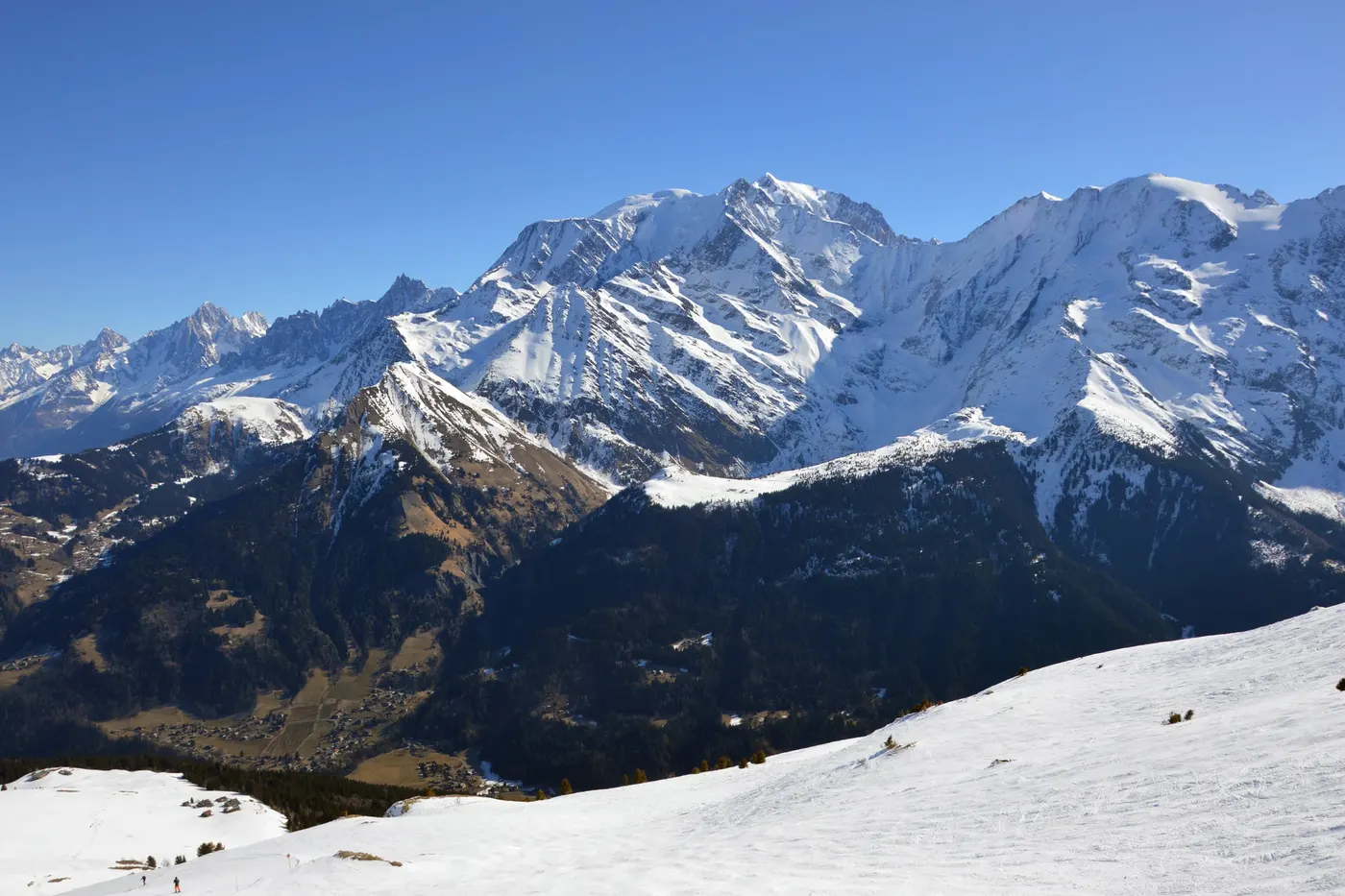
El agua termal de Saint-Gervais fue descubierta en 1806 en Le Fayet, en el valle del Arve, al pie del macizo del Mont Blanc, por un médico local llamado Gontard, y hacia 1824 el joven balneario ya atraía a unos 600 bañistas por temporada. El 12 de julio de 1892, la rotura de una bolsa de agua glaciar en lo alto de la montaña provocó una riada devastadora que descendió por el valle y destruyó casi todos los baños termales originales; el establecimiento fue reconstruido después y llegó a ser reconocido por el tratamiento de afecciones otorrinolaringológicas y quemaduras graves. El agua, captada de forma natural a 39°C tras un recorrido de siglos a través de la roca, incorpora en el camino azufre, magnesio, boro, silicio, cobre y manganeso, y se le atribuyen propiedades calmantes, cicatrizantes y antiinflamatorias. Les Bains du Mont-Blanc es el circuito de baños interior-exterior del balneario, con vistas directas a los glaciares, y la instalación opera bajo la marca Saint-Gervais Mont-Blanc desde que el grupo L'Oréal la adquirió en 2016.
The thermal water of Saint-Gervais was discovered in 1806 at Le Fayet, in the Arve valley at the foot of the Mont Blanc massif, by a local doctor named Gontard, and by 1824 the young spa was already drawing some 600 bathers a season. On 12 July 1892, the rupture of a glacial water pocket high on the mountain sent a devastating flood down the valley that destroyed nearly all of the original thermal baths; the establishment was rebuilt afterward and went on to become recognised for treating ENT conditions and severe burns. The water itself, naturally captured at 39°C after a journey of centuries through rock, picks up sulphur, magnesium, boron, silicon, copper and manganese along the way, and is credited with soothing, healing and anti-inflammatory properties. Les Bains du Mont-Blanc is the spa's indoor-outdoor bathing circuit, set against direct views of the glaciers, and the operation has been run under the Saint-Gervais Mont-Blanc brand since the L'Oréal group acquired it in 2016.
サン=ジェルヴェの温泉水は1806年、モンブラン山塊の麓、アルヴ川渓谷のル・ファイエで、地元の医師ゴンタール氏によって発見された。1824年までにこの若い温泉地はすでに一シーズンでおよそ600人の入浴客を集めていた。1892年7月12日、山の高所にあった氷河の水溜まりが決壊し、壊滅的な洪水が谷を襲って旧来の温泉施設のほぼすべてを破壊した。施設はその後再建され、耳鼻咽喉科疾患や重度の熱傷治療で高い評価を得るようになった。水自体は岩盤を何世紀もかけて通り抜けた末に39℃で自然に湧出し、その過程で硫黄、マグネシウム、ホウ素、シリコン、銅、マンガンを含むようになり、鎮静・治癒・抗炎症作用があるとされる。レ・バン・デュ・モンブランは氷河を間近に望むこの温泉施設の屋内外浴場エリアであり、2016年にロレアルグループが買収して以来、「サン=ジェルヴェ・モンブラン」ブランドの下で運営されている。
Minerales
Minerals
ミネラル
| Sulphur | — |
| Magnesium | — |
| Boron | — |
| Silicon | — |
| Copper | — |
| Manganese | — |
Técnicas
Techniques
技法
Bathing
Otros manantiales en France