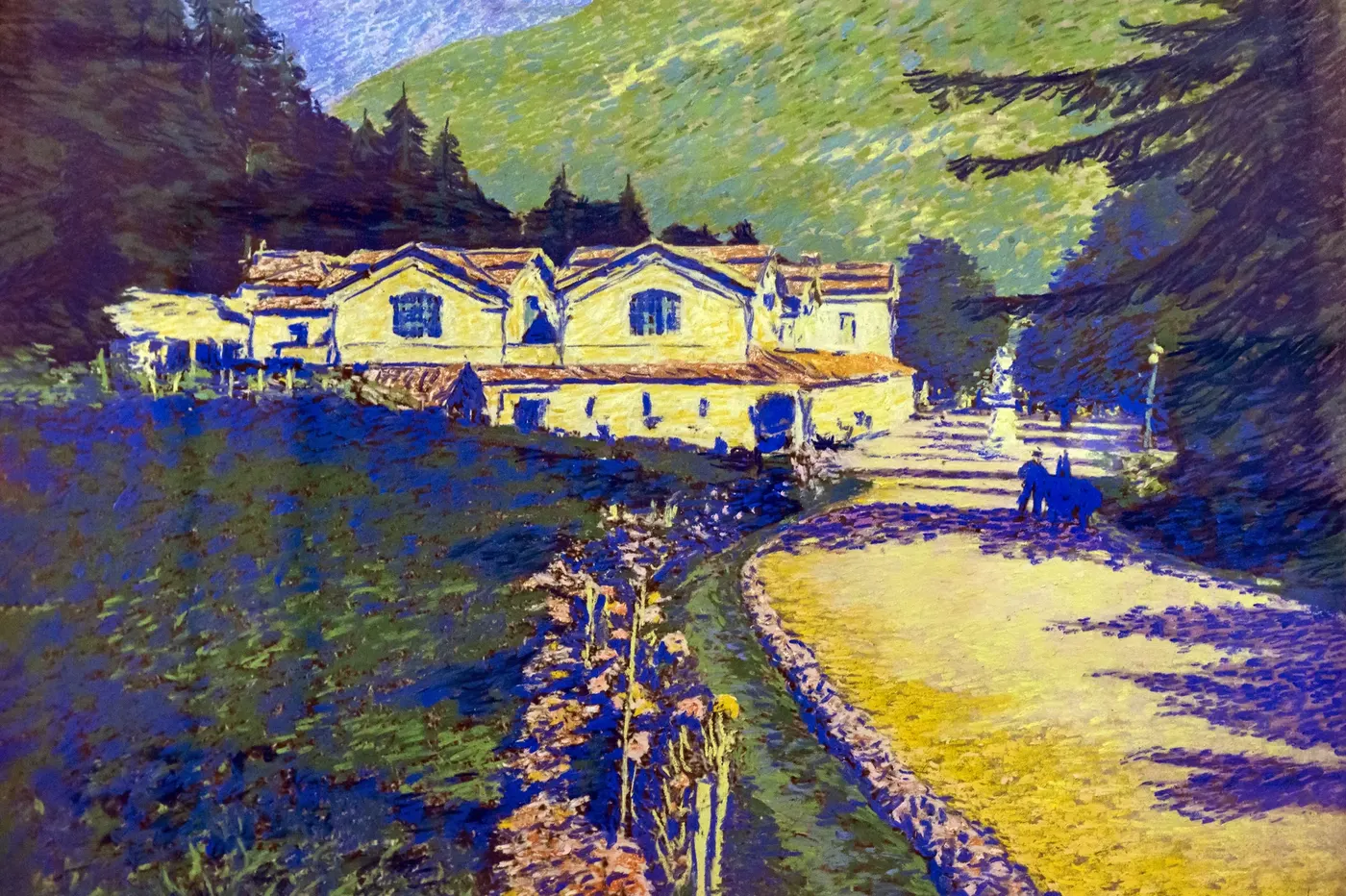
Manantiales / Thermes de LuchonSprings / Thermes de Luchon温泉・鉱泉 / Thermes de Luchon
📅 Establecido
Roman era; developed around 25 BC under Tiberius Claudius
📅 Established
Roman era; developed around 25 BC under Tiberius Claudius
📅 開設
Roman era; developed around 25 BC under Tiberius Claudius
SulphurousRoman HeritageHistoricSpa Town
✓ Verificado el 2026-07-31
✓ Verified on 2026-07-31
✓ 確認日 2026-07-31
Bagnères-de-Luchon, conocida simplemente como Luchon, se sitúa a 611 metros de altitud en un valle del Pirineo central y ha sido destino termal desde que, según se cuenta, un soldado del ejército de Pompeyo descubriera hacia el año 76 a. C. las propiedades curativas de sus manantiales. Los romanos desarrollaron el lugar en serio a partir del año 25 a. C., bajo Tiberio Claudio, excavando tres piscinas y construyendo un complejo balneario; excavaciones posteriores han sacado a la luz tres amplias piscinas revestidas de mármol por las que antaño circulaban aire caliente y vapor. El lema histórico de la localidad, «Balneum Lixonense post Neapolitanum primum» —los baños de Luchon ocupan el primer lugar después de los de Nápoles—, refleja el prestigio que este balneario alcanzó entre las localidades termales europeas. El histórico edificio de los Thermes Chambert fue declarado monumento histórico en 1977, y los manantiales sulfurosos siguen empleándose hoy en tratamientos respiratorios y reumatológicos.
Bagnères-de-Luchon, known simply as Luchon, sits at 611 metres in a valley of the central Pyrenees and has been a thermal destination since a soldier of Pompey's army is said to have discovered the springs' healing properties around 76 BC. The Romans developed the site in earnest from 25 BC under Tiberius Claudius, carving three pools and building a bathing complex; excavations have since revealed three vast marble-lined pools that once circulated hot air and steam. The town's long-standing motto, 'Balneum Lixonense post Neapolitanum primum' — the baths of Luchon rank first after those of Naples — reflects the prestige the resort held among European thermal towns. The historic Thermes Chambert building was listed as a historic monument in 1977, and the sulphurous springs remain in use today for respiratory and rheumatological treatments.
単に「リュション」とも呼ばれるバニェール=ド=リュションは、標高611メートルの中央ピレネーの谷間に位置し、紀元前76年頃にポンペイウス軍の兵士がその源泉の治癒力を発見したと伝えられて以来、温泉地として栄えてきた。ローマ人は紀元前25年、ティベリウス・クラウディウスの下で本格的にこの地を開発し、3つの浴槽を掘り、浴場複合施設を建設した。その後の発掘調査では、かつて熱風と蒸気が循環していた大理石張りの巨大な浴槽が3つ発見されている。この町に古くから伝わるモットー「バルネウム・リクソネンセ・ポスト・ネアポリタヌム・プリムム(リュションの浴場はナポリに次いで第一である)」は、ヨーロッパの温泉地の中でこのリゾートが誇った威信を物語っている。歴史的建造物であるテルム・シャンベールの建物は1977年に史跡指定され、硫黄泉は今日も呼吸器系疾患やリウマチ性疾患の治療に用いられている。
Minerales
Minerals
ミネラル
Técnicas
Techniques
技法
Bathing
Otros manantiales en France