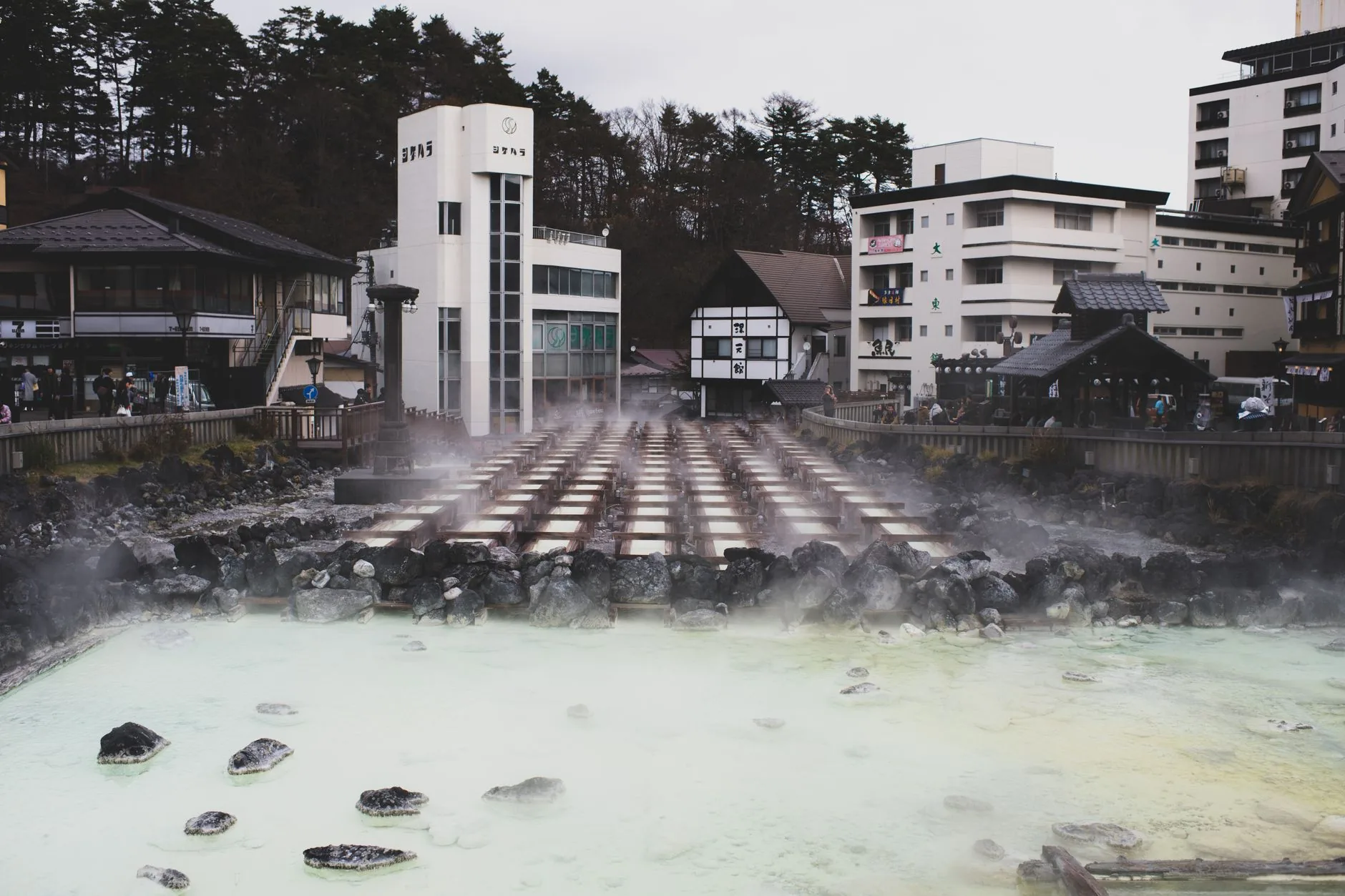
Onsen — Japanese Hot Spring Tradition

🇯🇵 Japan · Nationwide — volcanic arc

Onsen — Japanese Hot Spring Tradition

Manantiales / Onsen — Japanese Hot Spring TraditionSprings / Onsen — Japanese Hot Spring Tradition温泉・鉱泉 / Onsen — Japanese Hot Spring Tradition

♨ Temperatura

42°C

⛰ Altitud

0 m

⚗ pH

7

💧 TDS

0 mg/L

🌊 Caudal

N/A (tradition, not single spring)

📅 Establecido

Documented since 8th century; Nihon Shoki records (720 CE)

♨ Temperature

42°C

⛰ Altitude

0 m

⚗ pH

7

💧 TDS

0 mg/L

🌊 Flow rate

N/A (tradition, not single spring)

📅 Established

Documented since 8th century; Nihon Shoki records (720 CE)

♨ 温度

42°C

⛰ 標高

0 m

⚗ pH

7

💧 TDS

0 mg/L

🌊 流量

N/A (tradition, not single spring)

📅 開設

Documented since 8th century; Nihon Shoki records (720 CE)

OnsenCultural HeritageTraditional Bath

✓ Verificado el 2026-07-22

✓ Verified on 2026-07-22

✓ 確認日 2026-07-22

Japón alberga más de 27.000 fuentes de onsen (manantiales naturales de agua caliente), la mayor concentración de cualquier país del mundo. La cultura de los baños termales japoneses — onsen bunka — se documenta desde el siglo VIII. Comprende el rotemburo (baño al aire libre), el baño colectivo interior y el ryokan (posada de aguas termales), que ha evolucionado durante mil años hasta convertirse en una de las formas de hospitalidad más refinadas del mundo. El gobierno japonés clasifica el agua de onsen en 19 categorías según su contenido mineral.

Japan sits atop four tectonic plates and contains around 10% of the world's active volcanoes. The result is an extraordinary density of geothermal activity: over 27,000 onsen (natural hot spring) sources, the highest concentration of any country in the world. Japanese hot spring culture — onsen bunka — has been continuously developed since at least the 8th century, when the Nihon Shoki and Manyoshu literature documented famous springs at Dogo, Arima, and Shirahama. The tradition centres on the rotemburo (open-air bath), the indoor communal bath (uchifuro), and the ryokan (hot spring inn), which has evolved over a thousand years into one of the world's most refined hospitality forms. Japanese onsen water is classified by the government into 19 distinct categories based on mineral content — ranging from simple thermal water to chloride, sulphate, carbonate, bicarbonate, sulphur, iron, and radium springs — each associated with different therapeutic traditions. The practice of 'toji' (hot spring cure) involves extended therapeutic stays at a specific onsen, historically prescribed by physicians. Japanese law requires that onsen water meet specific temperature and mineral content standards to carry the designation — a protection that distinguishes genuine natural springs from artificially heated water.

Onsen — Japanese Hot Spring Traditionは日本・Nationwide — volcanic arcに位置する温泉。源泉温度は42℃の豊かな温泉水が湧き出る。泉水は中性に近い(pH約7.0)の泉質、炭酸水素塩泉・ナトリウム泉を豊富に含むが特徴だ。720年頃から利用されてきた。湯治(療養)・リウマチ療法・皮膚科治療など多様な温浴療法が行われる。施設では露天風呂・屋内共同浴場・旅館滞在などが体験できる。

Minerales

Minerals

ミネラル

Variable by region0 mg/L
Silica (typical)60 mg/L
Bicarbonate (typical)280 mg/L
Sodium (typical)120 mg/L
Calcium (typical)68 mg/L

Tratamientos

Treatments

トリートメント

Toji (therapeutic cure)RheumatologyDermatologyRelaxationCirculatory

Técnicas

Techniques

技法

Rotemburo (outdoor)Communal indoor bathRyokan stayToji extended cure

Patrimonio

La referencia escrita más antigua sobre un onsen en Japón es la visita del emperador Jomei a Arima Onsen en el año 631 d. C. El Dogo Onsen, en Ehime —posiblemente el más antiguo de Japón—, se menciona en el Nihon Shoki (720 d. C.) y ha estado en uso continuo desde entonces. Los onsen aparecen a lo largo de la poesía, la prosa, el arte y la práctica religiosa japonesas: los monjes budistas se bañaban en fuentes de montaña como purificación, los samuráis utilizaban los onsen para recuperarse de heridas, y los shogunes Tokugawa establecieron zonas protegidas alrededor de las fuentes más importantes. La integración de los onsen en la vida cotidiana japonesa no tiene parangón en ninguna otra cultura de aguas termales del mundo.

Heritage

The oldest written onsen reference in Japan is the Emperor Jomei's visit to Arima Onsen in 631 CE. The Dogo Onsen in Ehime — possibly Japan's oldest — is referenced in the Nihon Shoki (720 CE) and has been in continuous use since. Onsen appear throughout Japanese poetry, prose, art, and religious practice: Buddhist monks bathed at mountain springs as purification, samurai used onsen for wound recovery, and the Tokugawa shoguns established protected zones around major springs. The integration of onsen into Japanese daily life has no parallel in any other hot spring culture in the world.

文化財

日本における温泉に関する最古の文献記録は、631年の舒明天皇による有馬温泉行幸である。愛媛県の道後温泉は、日本最古とも言われ、『日本書紀』(720年)にその記述があり、以来使われ続けている。温泉は日本の詩歌、散文、美術、宗教的実践のあらゆる場面に登場する。仏教僧は山中の温泉で身を清め、武士は傷の回復に温泉を利用し、徳川将軍家は主要な温泉の周囲に保護区域を設けた。日本の日常生活への温泉の浸透ぶりは、世界の他のどの温泉文化にも類を見ない。

Cultura

La secuencia del baño japonés —lavarse completamente el cuerpo antes de entrar en el baño comunitario, sumergirse en silencio o en conversación tranquila, y repetir el proceso— es una práctica social y espiritual, no meramente higiénica. La expresión 'hadaka no tsukiai' (comunión desnuda) describe la nivelación social que se produce en el baño compartido: los signos de estatus desaparecen cuando todos están desnudos en la misma agua. Los onsen son un vehículo primordial para el vínculo intergeneracional, el ritual familiar y la construcción de relaciones comerciales en Japón.

Culture

The Japanese bathing sequence — washing the body completely before entering the communal bath, soaking in silence or quiet conversation, repeating — is a social and spiritual practice, not merely hygienic. The phrase 'hadaka no tsukiai' (naked communion) describes the social levelling that occurs in the shared bath: status markers disappear when everyone is unclothed in the same water. Onsen are a primary vehicle for intergenerational bonding, family ritual, and business relationship-building in Japan.

文化

日本の入浴の作法―共同浴場に入る前に体をしっかり洗い、静かに、あるいは穏やかな会話を交わしながら湯に浸かり、それを繰り返す―は、単なる衛生行為ではなく、社会的・精神的な営みである。「裸の付き合い」という言葉は、共同の湯の中で生じる社会的な平等化を表している。誰もが同じ湯の中で裸になれば、身分の印は消え去る。温泉は、日本において世代間の絆づくり、家族の儀礼、そしてビジネス上の人間関係構築の主要な手段となっている。

Sostenibilidad

La industria del onsen en Japón está regulada por la Ley de Fuentes Termales (Onsenho) de 1948, que exige el análisis geológico y la certificación de todas las fuentes, y prohíbe la comercialización engañosa de agua calentada artificialmente como si fuera onsen. La sobreexplotación es una preocupación conocida en algunos pueblos termales fuertemente comercializados, pero los ryokan tradicionales de onsen rurales suelen tener una huella pequeña y aprovechan fuentes de flujo natural sin necesidad de bombeo.

Sustainability

Japan's onsen industry is regulated under the Hot Spring Act (Onsenho) of 1948, which requires geological analysis and certification of all springs and prohibits misleading marketing of artificially heated water as onsen. Over-extraction is a known concern at some heavily commercialized onsen towns, but traditional rural onsen ryokan typically have small footprints and draw naturally flowing springs without pumping.

持続可能性

日本の温泉産業は、1948年制定の温泉法によって規制されており、すべての源泉について地質調査と認定を義務付け、人工的に加熱した水を温泉として偽って販売することを禁じている。一部の過度に商業化された温泉街では過剰採取が懸念材料として知られているが、伝統的な地方の温泉旅館は概して規模が小さく、ポンプを使わず自然湧出する源泉を利用している。

Contacto

Sitio webwww.japan.travel

DirecciónThroughout Japan — over 27,000 onsen springs nationwide

Contact

Websitewww.japan.travel

AddressThroughout Japan — over 27,000 onsen springs nationwide

連絡先

ウェブサイトwww.japan.travel

住所Throughout Japan — over 27,000 onsen springs nationwide

← Volver al directorio completo Ver en el mapa interactivo← Back to the full directory View on the interactive map← ディレクトリ全体に戻る インタラクティブマップで見る