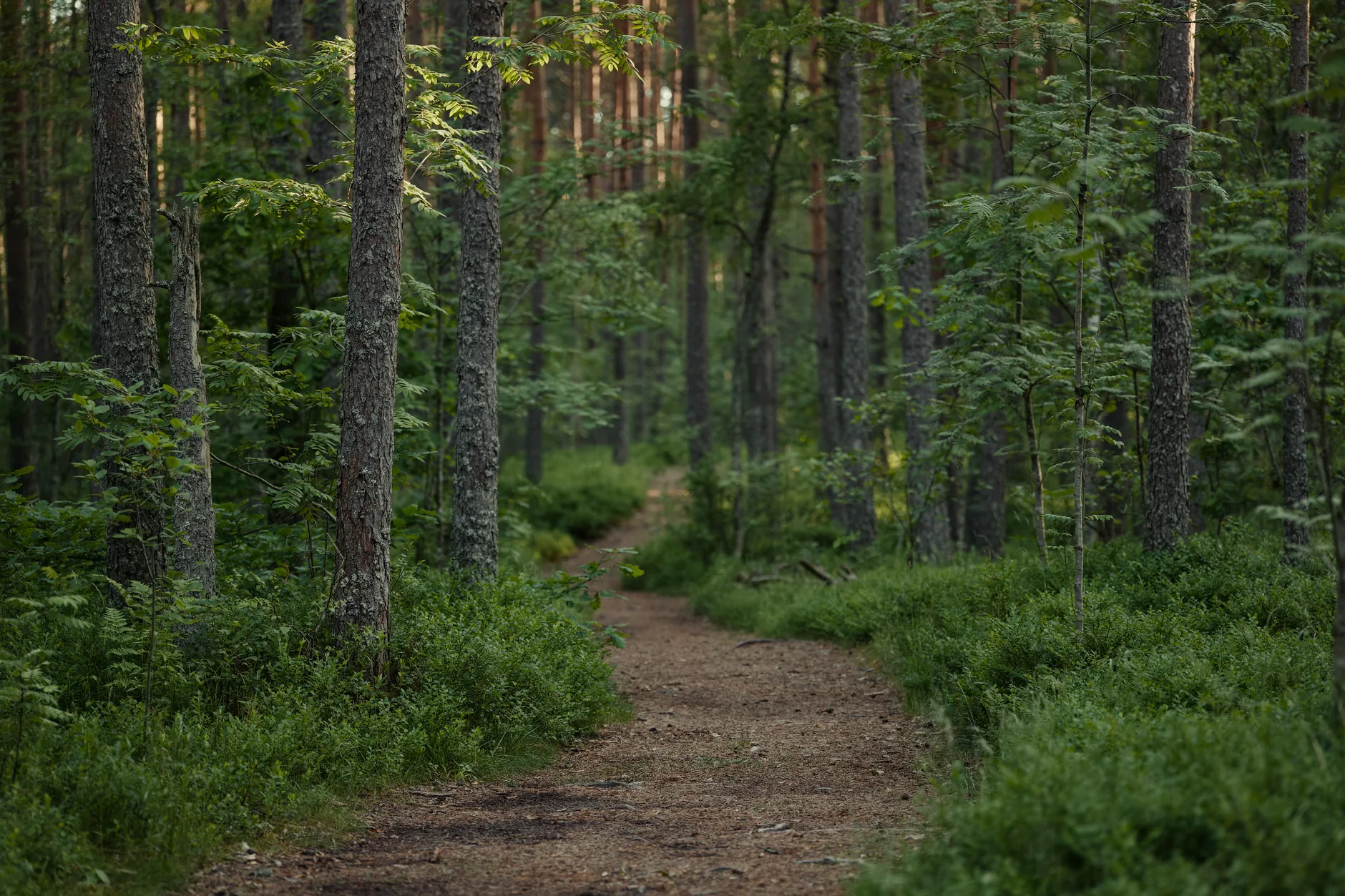
Photo by Øyvind Holmstad, via Wikimedia Commons (CC BY-SA 4.0)
🇯🇵 Japan · Nationwide — designated forest therapy trails
Photo by Øyvind Holmstad, via Wikimedia Commons (CC BY-SA 4.0)
🇯🇵 Japan · Nationwide — designated forest therapy trails
♨ Temperature
0°C
⛰ Altitude
0 m
⚗ pH
0
💧 TDS
0 mg/L
🌊 Flow rate
N/A (forest wellness practice)
📅 Established
Term coined by Japanese Forestry Agency 1982; scientific research program established 1990
✓ Verified on 2026-07-22
Shinrin-yoku (森林浴, literally 'forest bathing') was formally named by Japan's Forest Agency in 1982 as part of a national health initiative, but the underlying practice — slow, contemplative immersion in forest environments — draws on much older Japanese relationships with natural landscapes expressed through the aesthetic concepts of wabi-sabi, ma (negative space), and the Buddhist practice of kinhin (walking meditation). The scientific study of shinrin-yoku began in the 1990s under the researcher Qing Li, whose team at Nippon Medical School documented measurable physiological effects: reduced cortisol (stress hormone) levels, lower blood pressure, increased NK (natural killer) cell activity associated with immune function, and reduced adrenaline in subjects who spent extended time in forest environments compared to urban controls. The phytoncides — airborne chemical compounds released by trees including alpha-pinene, beta-pinene, and d-limonene — are thought to be among the primary agents of these effects. Japan has formally designated 62 Forest Therapy Bases (森林セラピー基地) and 48 Forest Therapy Roads across the country, each certified for therapeutic walking routes with documented ecological and atmospheric profiles. The practice has since spread globally and generated an international body of research.
| Phytoncides (airborne terpenes) | 0 mg/L |
| Forest atmosphere — no water treatment | 0 mg/L |
Japan's relationship with forest as a spiritual and aesthetic domain is ancient — the Shinto concept of satoyama (the boundary between mountain forest and human settlement) structures Japanese land management philosophy, and ancient forests surrounding Shinto shrines have been protected as sacred groves (chinju no mori) for centuries. The Yakushima Island cedar forests — some trees over 7,000 years old — and the sugi (Japanese cedar) forests of Yoshino are among the most celebrated forest environments in Asia.
Shinrin-yoku has become a global wellness phenomenon, generating commercial forest bathing programs, certified guides (there are now trained shinrin-yoku guides in over 60 countries), and a substantial publishing industry. The practice has been taken up by the mental health and corporate wellness sectors, particularly after the COVID-19 pandemic intensified interest in nature-based mental health interventions. AquaFonte lists shinrin-yoku as a wellness tradition related to the broader culture of natural healing environments.
Shinrin-yoku by definition requires healthy, intact forest ecosystems. The designation system for Forest Therapy Bases in Japan includes ecological monitoring requirements. The practice is intrinsically low-impact and generates economic value from intact forests — a useful alignment of wellness tourism and forest conservation incentives.
Websitewww.infom.org
Address62 designated Forest Therapy Base forests in Japan